
Not here, not now. Richland County shooting triggers new hate-crime law | Opinion
Why does South Carolina, one of only two states without a hate crime law, need one so badly?
Because in the year of our lord 2025, a white man in a car can point a rifle at a Black man in Spring Valley, where they both live, fire the gun at him, and derogatorily shout, “Keep running, boy,” as security video shows, and as Richland County Sheriff Leon Lott said Friday happened early morning July 17 at a gated entrance to the 1,200-acre community northeast of Columbia.
As if it’s still 1704 and South Carolina just established the first formal slave patrol to suppress, intimidate and strike fear in the hearts of Black men that racist white men demean as “boy.”
If hate has no place in South Carolina now, it should pass a hate crime law to send a strong message that incidents like the one Lott described in Richland County aren’t acceptable.
Luckily for Richland County residents, County Councilwoman Tyra Little didn’t wait for the state to do what it has long resisted and send a message to bigots that “hate will not be tolerated.”
The Richland County councilwoman was sworn into office in January, and by June, she had won unanimous approval for South Carolina’s first countywide hate crime ordinance. Now, Orangeburg County is one vote away from being the second and fueling a domino effect that could spread across South Carolina’s 46 counties. Nineteen South Carolina cities and towns, including Columbia, Cayce, Charleston and Myrtle Beach, also have their own hate crime laws.
Lott said a 33-year-old man arrested Thursday and charged with felony assault and battery of a high and aggravated nature and felony possession of a weapon during a violent crime also faces a misdemeanor violation of Richland County’s new, first-of-its-kind hate crime ordinance.
According to a screen flashed at Lott’s news conference on Friday, the man charged with the crimes told a police investigator, “So I went down there and I seen a man standing in the bushes, it was a black man in a white shirt, just standing out there at 4 in the morning, and I saw him there and he was by himself so I was really going to do something at first and then…”
“What do you mean by that?” the investigator interrupted the man.
“Well, I was going to shoot at him. I was. I was going to shoot at him.”
In announcing the arrest, Lott said, “This is why this hate crime ordinance was passed by Richland County Council, to address incidents such as this.”
The sheriff added, “We’re very fortunate that our victim was not shot. The suspect actually said in his interview that initially he was going to shoot him but he didn’t. And again, he was shooting solely based on the race of our victim.”
This is the United States of America, so the accused man will get his day in court, but his voice can clearly be heard in the video that Lott made public on Friday: “Keep running, boy.” Lott said the Black man was jogging in the area at the time of the shooting, around 6:30 a.m.
Lott made a point of noting that his department’s arrest included an unprecedented charge by a county sheriff in a state without its own hate crime law. The message that sends is necessary and powerful: Not here, not now.
South Carolina is commonly considered one of two states in the nation without a hate crime law. Wyoming, where Matthew Shepard was tortured and left to die in 1998 for being gay and whose name is on the nation’s hate crime law, is the other, but some people say Wyoming was actually the first state to pass a hate crime law. The dispute shows hate crime laws aren’t equal.
Richland County’s ordinance makes crimes motivated by race, ethnicity, gender, sexuality, religion, disability or other biases subject to up to 30 days behind bars and a $500 fine.
“The serious charge is actually shooting the gun,” Lott said Friday of the man Richland County arrested. “However, what he did was based on hate, and I think that charge needs to be added to it, too. I think it sends a message to individuals in our community that you can and will be arrested if you commit a crime based solely on hate. That’s the purpose of it.
“It’s not the sentence so much as, I think, being proactive and being preventative,” he added. “Maybe it will prevent someone from doing something based solely on hate because they know they can be prosecuted now. Prior to this, wasn’t anything we could do except take it to the federal system and let them make charges.”
It’s been 10 years since Dylann Roof killed nine people, including pastor and state Sen. Clementa Pinckney, in a racially-motivated attack in Charleston’s Emanuel AME Church. Roof is on federal death row after being found guilty on 33 federal hate crime counts. Some of the stalled bills to create a statewide hate crime law in South Carolina bear Pinckney’s name.
In an interview on Friday shortly after Lott’s news conference ended, Little said she was relieved the targeted Spring Valley man hadn’t been hurt, but she said he and others — including anyone who might think to go on a morning jog — could be traumatized by the scary incident.
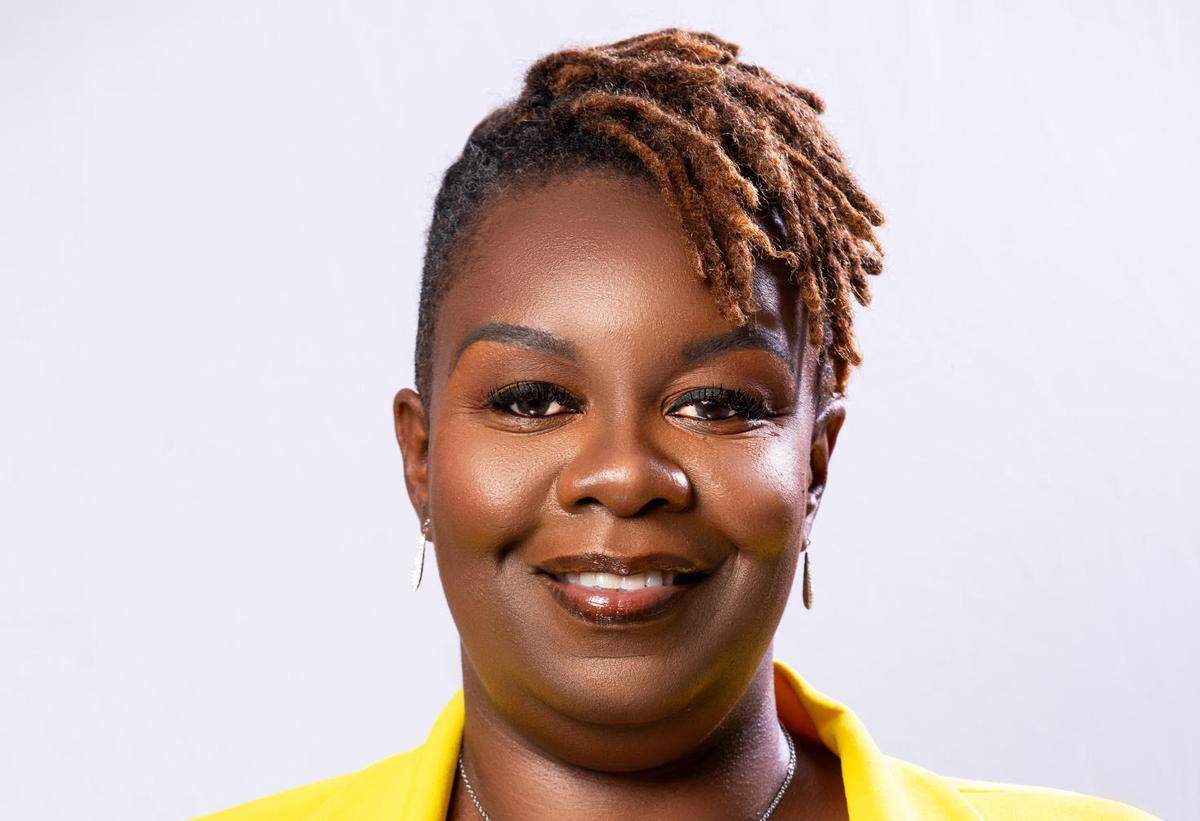
“We thank God that the man is still alive, but he now has to process this trauma,” she said. “Because this is trauma. Based on circumstances that he can’t do anything about.”
The shooting reinforced for her the need to have a hate crime law in the first place.
“We did the right thing by the citizens of Richland County,” she said. “This could happen to anyone.”
Little said it would be great if more cities and counties started to pass hate crime laws of their own, but she said such a wave shouldn’t be what’s needed to pressure the state to follow suit.
“I can only speak for the governing body that I have been elected to,” she said. “But I do know from conversations with different House members and in the Senate, they’re trying to make it happen.”
Richland County residents should be reassured they have a leader like Little looking out for them.
“The thing with the punishment, we can only do what we are allowed when it comes to an ordinance like this,” she said. “This is the maximum that a county can do. However, we want people to think beyond that. This is about protecting constituents. It’s about protecting citizens.
“It also sends a message that hate will not be tolerated in Richland County,” she added. “That’s the bigger message that it sends. Hate will not be tolerated in Richland County.”
The State House is in Richland County. Who’s listening there?
This story was originally published July 25, 2025 at 4:05 PM.