
How South Carolina will suffer from mRNA vaccine research funding cuts | Opinion
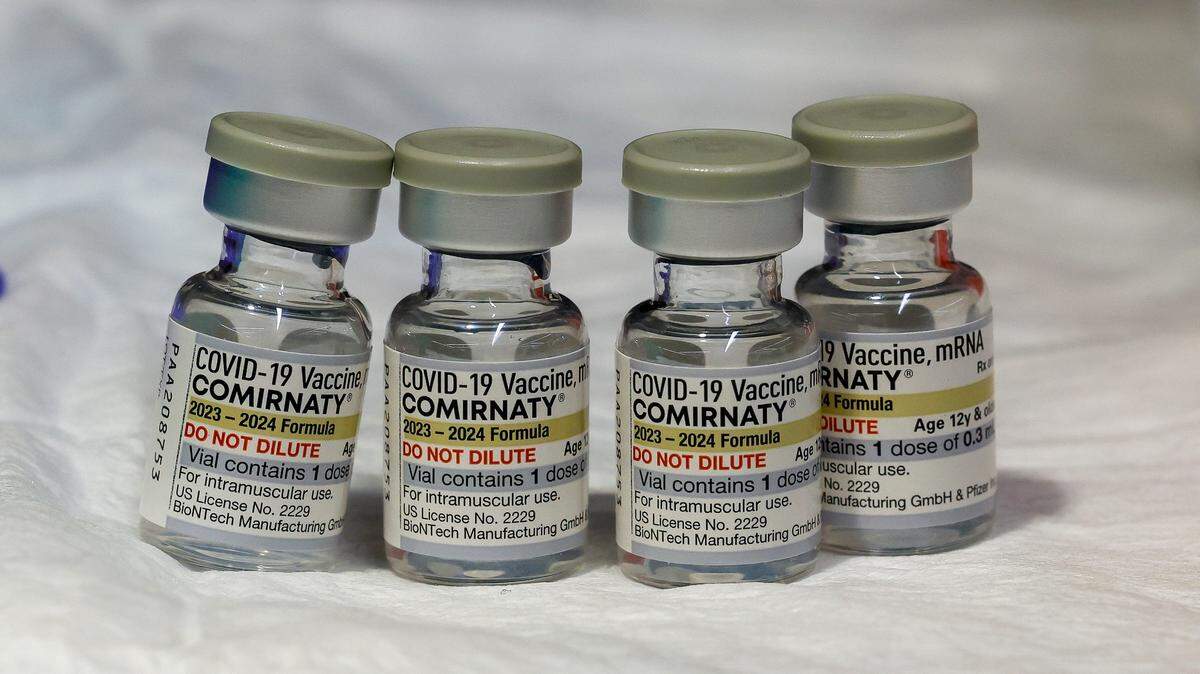
As a longtime pediatrician in South Carolina, I am deeply concerned by the recent decision of the U.S. Health and Human Services Department to defund almost $500 million in mRNA vaccine research funding. This decision will leave South Carolinians at greater risk of infectious diseases and even cancer. And the implications don’t stop at the medical risks alone.
The mRNA technology is not new. It started in the 1970s, and the research was expanded to vaccine development in the 1990s. The first medication using RNA technology to treat a rare neurological disorder was approved in 2018. The first mRNA vaccines for COVID were approved for emergency use in 2020 and approved for full use for individuals 16 and older in 2021.
More than 1.5 billion doses have been given globally, including millions of doses to children, with extensive safety monitoring.
There are distinct advantages to using mRNA technology for vaccine development. These vaccines can be produced in greater quantity and more quickly because the lab doesn’t have to grow copies of the virus. This allows for production of sufficient doses to respond to an outbreak in weeks rather than in months.
The COVID vaccine was a perfect example of this. The vaccine was produced quickly in large quantities during the COVID-19 pandemic, and the vaccine has been shown to decrease the rates of severe COVID illness, hospitalization, deaths and long COVID symptoms.
Defunding mRNA research will slow our response to future outbreaks or other pandemics.

South Carolina has a diverse combination of rural and urban communities. Many of these communities are susceptible to rapid spread of contagious diseases. Our healthcare infrastructure was severely strained with the COVID pandemic. If we shut down the ability to use mRNA technology to quickly develop future vaccines, we are creating a scenario in which our healthcare system may be easily overwhelmed by future threats.
The current plan by the Health and Human Services Department is to focus on older vaccine technologies such as whole cell or whole virus platforms.
This change in focus puts people in South Carolina at risk because vaccines developed using these technologies take longer to produce and are less adaptable. This, in turn, creates barriers in the production of effective vaccines to combat a pandemic situation or a rapidly mutating virus. This plan will move us backwards in vaccine development rather than forwards.
The risks of banning the funding for mRNA technology research extend past the negative implications for standard vaccine development: mRNA technology research is working towards revolutionizing cancer treatment, mRNA cancer vaccines teach the immune system to recognize and destroy cancer cells, and clinical trials with mRNA cancer trials are currently underway.
The decision to ban funding for mRNA technology research will likely slow the progress of these studies if not bring them to a complete halt.
There will also be economic implications in South Carolina of this far-reaching decision. There are currently a number of institutions and businesses in our state working on mRNA vaccine research and projects. This funding cut places those projects — and the jobs and communities they support — at risk.
Perhaps most worrisome is the negative impact on public trust in vaccine science and scientific research in general.
With no basis in scientific evidence, this decision to cut mRNA research funding erodes public confidence in vaccines, in vaccine research and in science in general.
Our childhood vaccination rates are decreasing and our preventable disease rates are increasing. This is not a coincidence. The decision to defund mRNA vaccine research will worsen these already troubling trends.
South Carolinians deserve better. We deserve administrative decisions based upon scientific evidence and made by medical experts. We deserve public health guidance made by true public health experts. The future health and safety of all South Carolinians depends upon it.
Deborah Greenhouse is a Columbia pediatrician and past president of the South Carolina chapter of the American Academy of Pediatrics.