
Hate crime laws are protection not symbolism. South Carolina needs one | Opinion
South Carolina stands in a troubling minority.
While 48 states across our nation have enacted hate crime laws to protect their citizens from certain biases, South Carolina and Wyoming are the only two without this essential safeguard.
This absence is not just a gap in our law books.
It is a failure to affirm, in clear and enforceable terms, that hate has no place here.
In Richland County, we took a step that should serve as a model for the state. As the person who made the motion for Richland County’s Hate Intimidation Ordinance, I was proud to witness our County Council pass the measure unanimously, making us the first county in South Carolina to adopt such protections.
Our action did not stand alone. Nineteen municipalities across the state had already enacted similar ordinances, recognizing the urgent need to protect residents and visitors from acts of intimidation rooted in hate. This week, Orangeburg County became the second county to do so.
Critics sometimes dismiss an ordinance like this as symbolic. It is not. It offers protection.
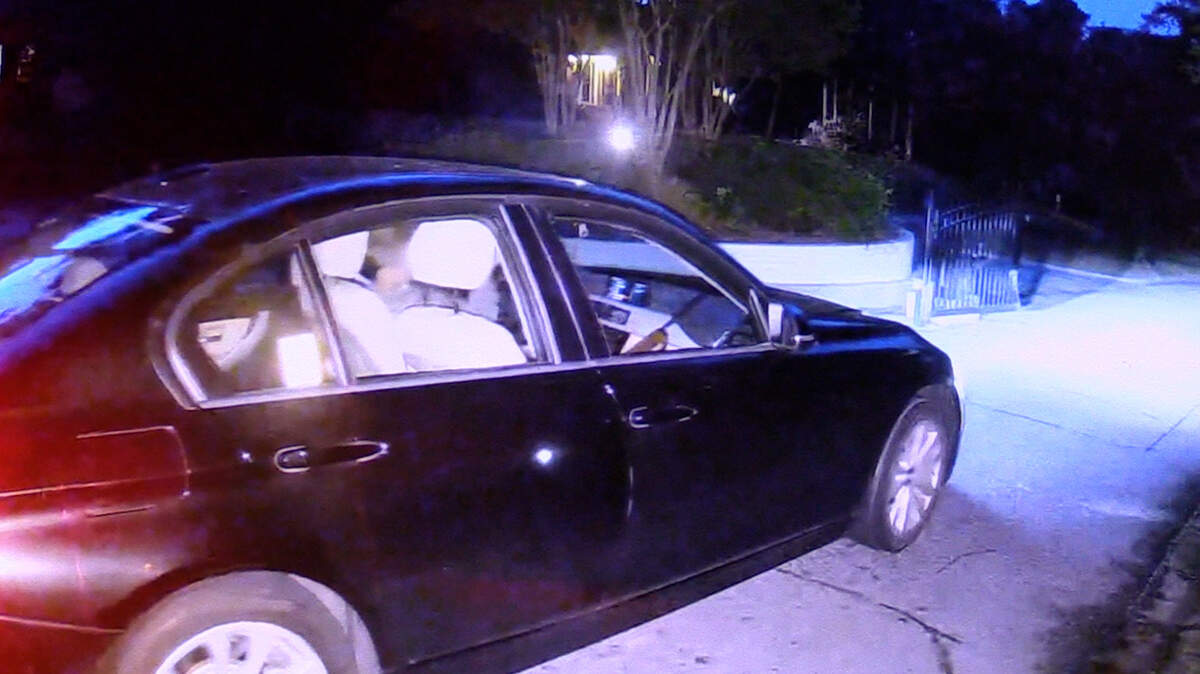
Shortly after Richland County passed its ordinance in June, the Sheriff’s Office arrested an individual for firing a gun at another person and trying to intimidate that person because of the color of his skin.
Watching the video of that attack immediately reminded me of the conversations I had with my father, who shared how in the 1950s he and some of his friends, when walking to school, had to run and hide in ditches because they, too, were shot at for the color of their skin.
My father was angry about those experiences, and rightfully so. Living through that time and enduring that kind of violence shaped him in ways that never left. It fueled his determination to get involved in politics and in unions, where he fought to give people a voice and to push back against systems that too often ignored them.
His anger was not reckless. It was a focused demand for justice and fairness, born out of knowing firsthand what it meant to be treated as “less than.”
Before his untimely death, when he was struck and killed by a drunk driver, he used his life to show me that silence in the face of injustice is never an option. When he told me those stories, he explained them with both frustration and conviction, reminding me that hate must always be confronted.
Those lessons became a part of me. They shaped my decision to step into leadership and fueled my resolve to make the motion for Richland County’s Hate Intimidation Ordinance.
Hate crimes are not abstract concepts or distant tragedies. They are lived experiences that carry through generations. They killed dreams, silenced voices, and scarred families. For me, this work is personal. It is about honoring the lessons of my father’s life and ensuring that future generations do not have to run for cover just because of the color of their skin.
Our ordinance gave law enforcement another tool to send a clear message that hate-fueled violence will not be tolerated.
South Carolina knows too well the devastation of hate. In Charleston, nine worshippers were murdered in the sanctity of Mother Emanuel AME Church in Charleston in 2015. One of them was Sen. Clementa Pinckney. Yet beneath Sen. Pinckney’s portrait in the Senate chambers inside the State House, some of his former colleagues have allowed a hate crime bill to die.
The irony is painful. The failure is inexcusable.
This issue cannot be left to piecemeal local action.
Full justice should not be predicated upon where you live.
Whether in Richland County, in Charleston, or in any rural town, every South Carolinian deserves equal protection under the law. Hate crimes strike at the very fabric of a community.
Hate crimes don’t just harm a targeted individual. They terrorize an entire group.
To combat them, we need a clear and consistent standard across the state.
Passing a hate crime bill at the State House to protect South Carolinians in all 46 of our counties would not erase hate, but it would make a powerful statement: that South Carolina will not shrug off acts of violence or intimidation rooted in race, religion, gender, sexual orientation, disabilities, or other protected identities. Passing that bill would align us with the rest of the nation, and more importantly, with the values of justice and equality that we claim to uphold.
The time for delay has long passed. South Carolina must join the 48 states that have already acted. To do otherwise is to look away from history, from tragedy, and from our responsibility to protect all who call this state home.
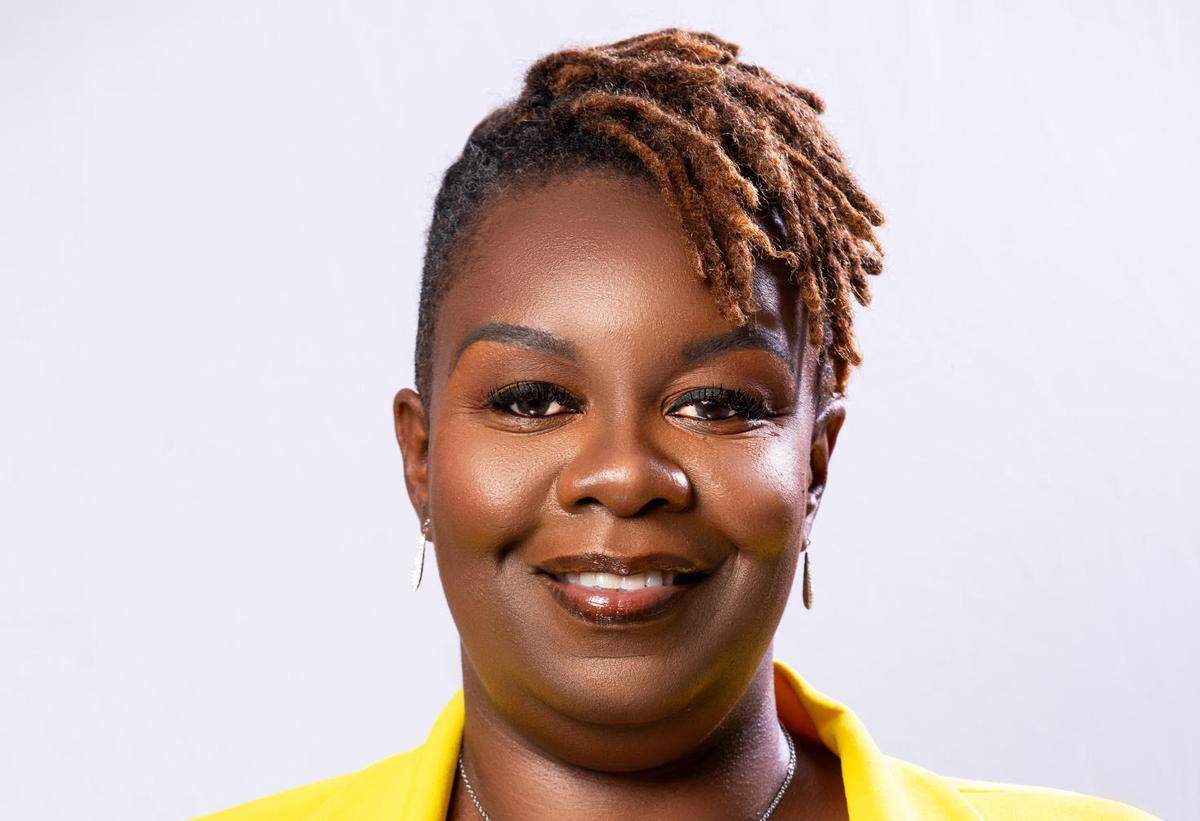
Tyra K. Little is the Richland County councilwoman who represents District 3.