
Meet the three candidates running for Columbia City Council in District Four
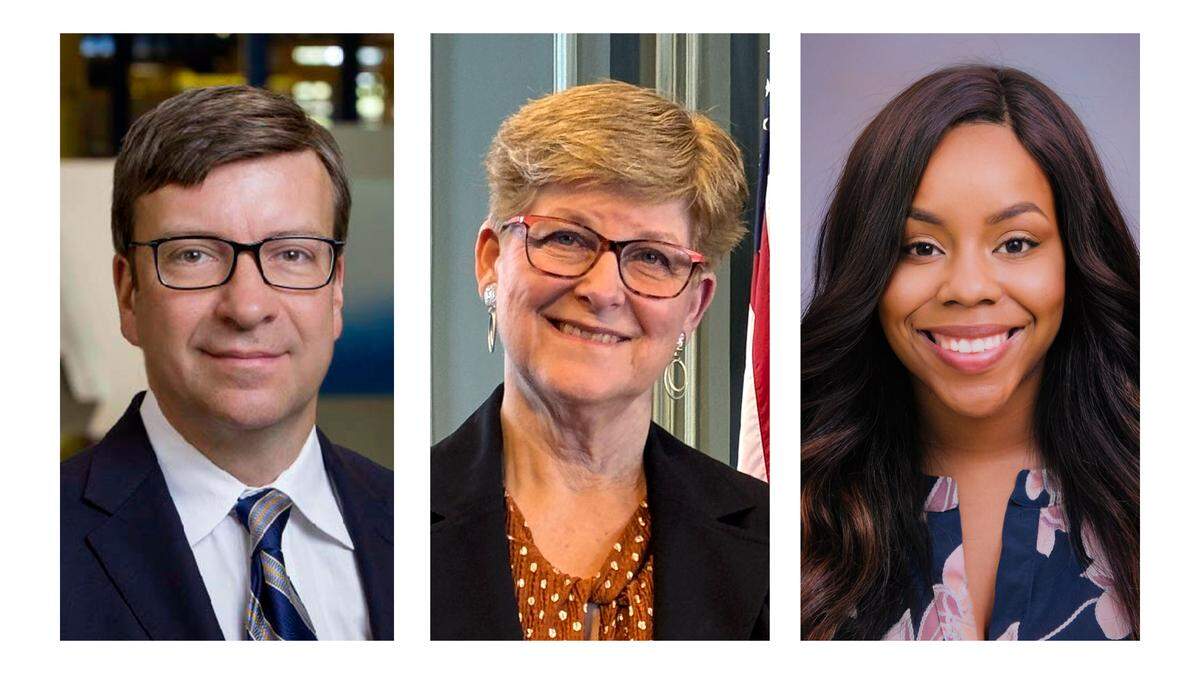
The Columbia City Council election in District Four has three candidates running for a four-year term through 2029. I asked each about their priorities and perspectives. Their answers are below.
Every candidate received 10 questions and 250 words for each answer. Interviews were edited for accuracy, clarity and style and published in their entirety. The McClatchy South Carolina Editorial Board will publish an endorsement in the race, but we are publishing Q&As first so readers can assess the candidates on their own. Early voting begins Oct. 20, and Election Day is Nov. 4.
Find an early voting location here. Find your polling place here to vote on Election Day. If this public service helps, please consider supporting our journalism at thestate.com/subscribe. Your subscriptions and support make this massive undertaking possible, so thank you for reading this. If you have questions about our interviews or endorsements, please email me.
Meet the candidates
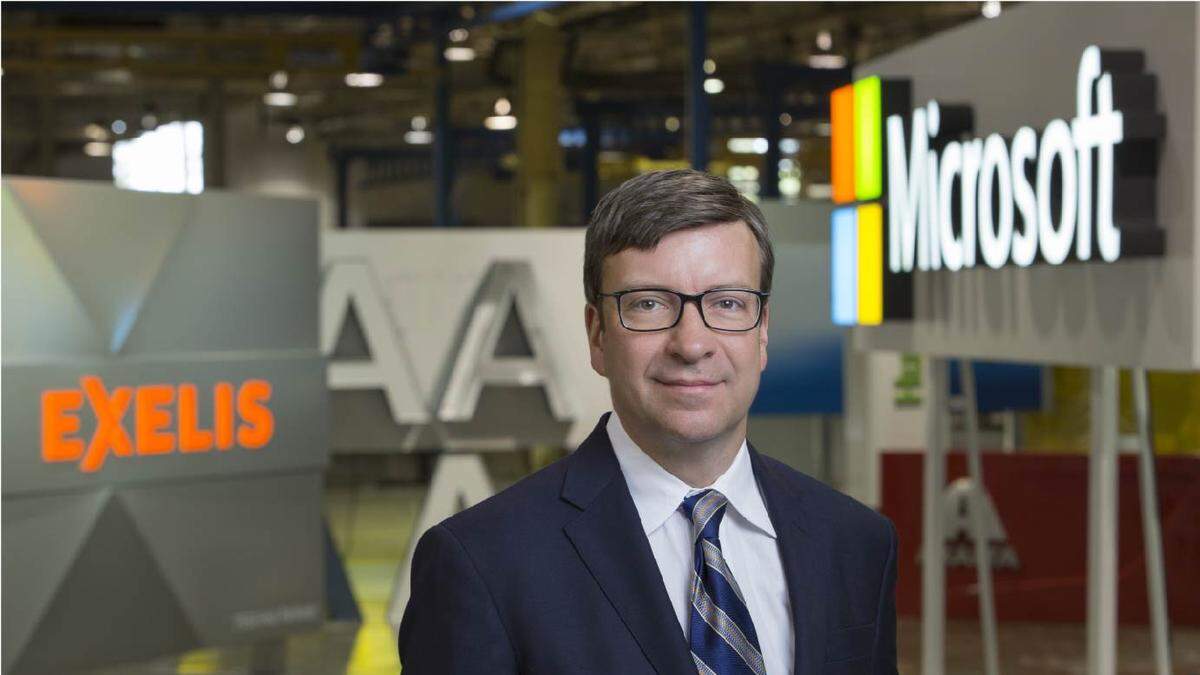
Councilman Peter M. Brown
Q: What is your No. 1 priority for the city of Columbia and why?
A: Opportunity. It really starts with trust, belief, pride and collaboration. Economic development, which we have not had our fair share of in the last 25 years, is booming. We are selling Columbia as a great place to live, work and raise a family. Which it is and always has been. But this is “our time.” Economic development drives quality of life, public safety and investment in our communities so no one is left behind.
Q: How will you address local housing affordability and availability?
A: The best answer to affordable housing is more housing, and we are working to develop that throughout Columbia. Besides new multifamily and student housing, we are working in communities to develop the over 2,000 empty lots in Columbia.
Q: Grade Columbia’s approach to homelessness. What would you do differently?
A: We as a council are working to increase services and end the cycle of institutionalized and non-sustainable services in Columbia. We need all providers to work with the city as we centralize and structure services. More initiatives to follow. But, if you are homeless in Columbia and need help, we want to give you that help.
Q: How specifically would you reduce crime and improve public safety?
A: It is a community-driven answer, and the schools are important, too. Crime is being reduced but we can always do more, but I think we are making progress in our communities to stand up to crime.
Q: What would you do to capitalize on economic development in Columbia?
A: In process. $1 billion in progress and a $2 billion pipeline all across Columbia and continued efforts in collaboration with Richland County and USC and the other colleges and universities, as well as the state of South Carolina in developing the river corridor.
Q: How will you maximize and protect Finlay Park after its $25 million renovation?
A: It is our largest investment and just like Mays Park, and it will really offer something for everyone on a daily basis and other programmed events. I expect it to also help advance and develop our plans for more in town living.
Q: If the state threatens to withhold funds from the city again, how will you respond?
A: It is a case by case basis, but fighting just to fight is not a strategy.
Q: List one budget cut and one new expense you think is necessary. Explain why.
A: As the city develops and evolves, we need to really look at the overall structure, organization and management of a city on the rise. We have a responsibility to model our projected growth over the next decade.
Q: What is one issue we didn’t mention that deserves more attention and why?
A: How much good stuff is going on in Columbia? And for the first time in my life, people are buying into the vibe and the results. Columbia is on a roll, and it is not an accident. It is purposeful, strategic and commonsense leadership and collaboration. The county, city, USC and our other universities as well as the private sector are communicating better and working together to make Columbia the best city in South Carolina. It is time that the media recognize the progress as well.
Q: Why should voters choose you over your opponents in this election?
A: I think I have a unique skill set and experiences as well as a track record of collaboration and outcomes on Council.
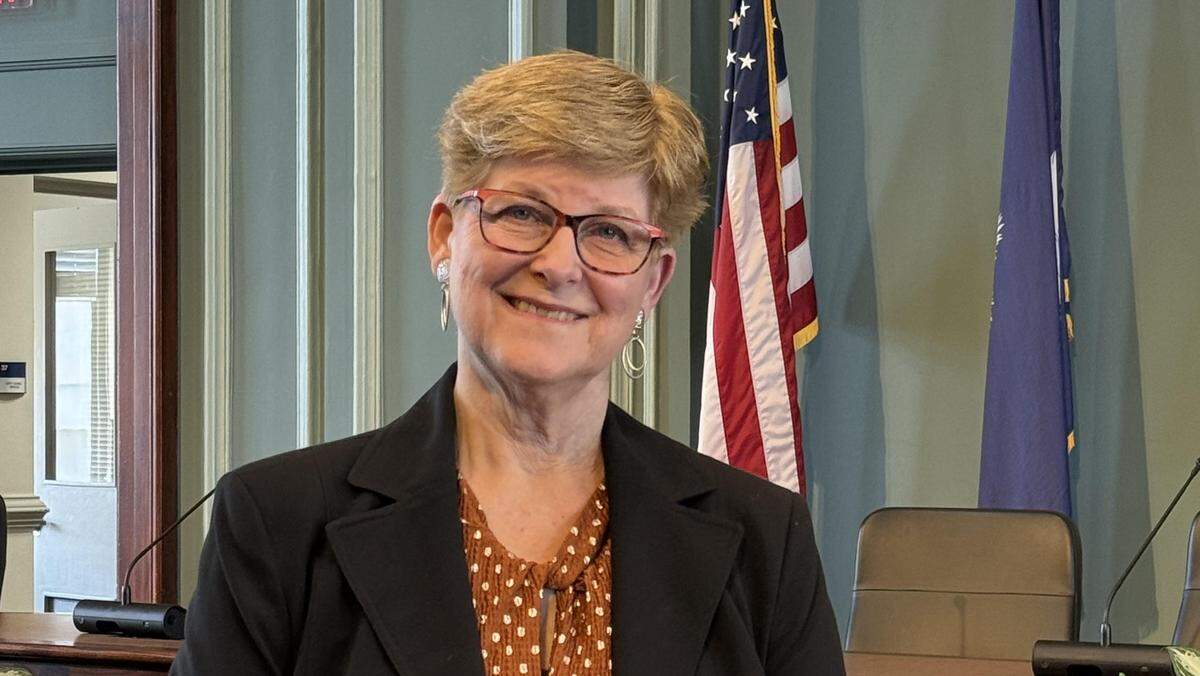
Julie Lumpkin
Q: What is your No. 1 priority for the city of Columbia and why?
A: Given the challenges of making a livable income, finding affordable housing, and homelessness in Columbia, my No. 1 priority is to look more closely at the number of eviction filings in Columbia and the causes underlying them. Eviction filings are indicators of unhoused families, which are traumatized by these experiences. South Carolina’s rate is 23% compared to an average 8% filing rate for the United States!
According to the Columbia area’s MORE Justice, from March 2020-Feb. 2025, Richland County’s eviction filings numbered over 72,000, the highest in the state. I support House Bill 4270, which removes eviction filings from the public record when it does not result in an order of eviction or writ of ejectment and which allows tenants to have their eviction record sealed after six years.
This prevents tenants from being denied future housing just because an eviction filing occurred and at the same time preserves the landlord’s right to evict tenants for valid reasons. This should be a No. 1 priority because the eviction filing rate impacts the housing crisis and subsequent increase in homelessness.
Q: How will you address local housing affordability and availability?
A: I would do my homework first to determine where the gaps are in housing. The city has several programs in place to address affordable housing, such as the city loan program and the renovation of existing homes in established neighborhoods.
Because of this, I would talk to current Council members, city of Columbia staff and DreamKey Partners, the city’s housing partner. At the same time, I would meet with MORE Justice (the city coalition of church leaders and community members who research local issues and develop plans to address them), since it identified affordable housing as its No. 1 issue in 2024.
This problem is not unique to Columbia but is one affecting the entire country by an imbalance in housing supply and demand: not enough affordable homes to meet demand and unemployment or low incomes that can not afford the homes available.
It’s a lower class and middle class squeeze. In some cases, where homes are being built, residents in District 4 ARE concerned about the encroachment of fast housing developments on their more established neighborhoods and the negative impact on the environment. I would advocate for City Council to give the neighborhood the opportunity for public input and to look at its environmental policies regarding new construction.
Q: Grade Columbia’s approach to homelessness. What would you do differently?
A: Today, the forces of low incomes, eviction filings, mental illness and addiction coalesce to put more people out of their homes. I would grade Columbia a B minus or C plus, because Columbia has made progress. Yet the challenge seems to grow more complex.
The city founded Transitions and supported other agencies providing services and more recently has hired homeless services staff, provided the winter shelter and little houses. Another location is being considered for out-of-downtown service provision, where mental health services would be offered and churches would be encouraged to provide meals on site. I think we need all of what we’re doing, as opposed to one strategy replacing another.
Stepping back and evaluating where we are would be helpful, i.e, looking at the data we have, the various efforts being made, and those being considered. At the same time, I would continue to identify successes in other cities and find models that may work here. In particular, for District 4, I would research the situation where homeless people are camping in woods and open fields near residential homes, with a goal of finding a remedy.
Q: How specifically would you reduce crime and improve public safety?
A: In his State of the City forums, Mayor Daniel Rickenmann noted that the crime rate has decreased in Columbia in recent years. However, we still hear about tragic drive-by shootings and random murders at parties and Airbnbs.
As a community, we need to be better educated on the source of these crimes and whether they are due to the presence of gangs or other activity. I have heard Sheriff Leon Lott speak of professional gangs moving into the Midlands; they seem to be the cause of some drive-by shootings as gang initiation rites.
Generally, I believe guns are too easily obtained and too often fall into the wrong hands. I would like educational seminars with law enforcement on the impact of the open carry law in our city and what citizens can do to adapt or to repeal it. In addition, I would look at the rate and incidence of sexual assaults and other violence against women and those transitioning gender. In my previous work, I oversaw the distribution of federal funds to local rape crisis centers. I would meet with nonprofit agencies who serve survivors to find out what more we can do to support them.
For crime prevention among youth, in addition to their regular classroom work, we should support schools and the city parks in offering a variety of activities that recognize the interests, talents and dreams of all enrolled children. By affirming their sense of belonging, we build student desire to contribute to the community.
Q: What would you do to capitalize on economic development in Columbia?
A: While the city is enjoying the benefits of the penny tax program and downtown revitalization, we need to overcome the delays in road repairs/improvements across the state, county and city jurisdictions. I want to create a better roads campaign.
Residents have expressed continued frustration with the degraded condition of our roads and the poor message it sends to visitors and prospective businesses. The condition of our streets affects our economic development by causing damage to cars, discouraging potential business location, and giving a poor impression overall.
Residents tell me when they report a problem on their streets, they must be persistent and make a great number of repeat calls as they are referred from office to office. As a Council member, I want to be assured that comprehensive coordination is occurring across these agencies. Making it easier to report problems and make requests should help improve the poor road conditions and better attract tourists and business prospects.
I must also touch on the importance of visual and performing arts to the vibrancy of our city. The cultural scene is enlivened by the city’s revitalization efforts, as are revitalized areas enriched by the cultural arts. We need good streets leading to cultural events, too! I will be a strong advocate for the cultural arts and its role in enhancing economic development.
Q: How will you maximize and protect Finlay Park after its $25 million renovation?
A: If we have $25 million to renovate, part of the renovation budget or another provision in the city budget should be allocated to an on-site security presence at Finlay Park (if not already) so that people can be assured of their safety while there.
With the grand opening of the park on Nov. 15, I expect much publicity around safety as the public is invited back to enjoy its amenities. I would ensure we have a plan to secure a safety presence long-term. As frequent as our live shooter incidents are now, I would also establish active shooter protocols and designated safe harbors. We will need to publicize no weapons or firearms in the park, and CPD uniformed officers should be visible on site. With the appearance of U.S. Immigration and Customs Enforcement in our nation’s communities, we will want to allay anxieties around unfamiliar law enforcement presence.
Q: If the state threatens to withhold funds from the city again, how will you respond?
A: I would defend Columbia’s “home rule” status on Council. There’s a reason South Carolina cities are protected by home rule, preventing interference or coercion from the General Assembly. The rescission vote on the conversion therapy ban weakened Columbia’s home rule status.
I would use the solution offered by several attorneys involved in the conversion therapy discussion at council meetings: to represent the city pro bono and argue that the state was overstepping its authority in threatening to remove the budget proviso for Columbia. With a Republican supermajority in the legislature, a Republican governor and ambitious Republican gubernatorial candidates, it’s likely they would approach a Republican mayor in the capital city about other issues. I believe Mayor Rickenmann would not want to jeopardize his administration’s positive progress. The Council should be united in its determination to protect home rule.
Q: List one budget cut and one new expense you think is necessary. Explain why.
A: I suggest allocating some of the funds from the $15 million increased water sales out of a total of over $217 million in water and sewer revenues to conduct water flow studies and to develop a flood resiliency plan in the Gills Creek watershed, which flows through part of District 4. Having worked in a scientific consulting firm, I understand that detailed hydrology studies could guide us in developing a long-term flood resilience plan to protect neighborhoods.
An analogy given to me was seeing the lake and stream system as bowls with straws connected to them. You can imagine that when a lake overflows or overtops a dam, the stream is like a straw trying to collect the overflow. The streams as they are now are not wide or deep enough to channel the water, causing choke points.
The purpose of these studies would be to measure the shape and depth of the stream bed to determine where to dredge to reduce choke points where water backs up. Once this data is collected, a plan can be developed to increase the capacity of Gills Creek between the lakes. Additional funds would need to be allocated to actually map the system more accurately. This would serve to support a flood resilience plan, with the goal of reducing the damage and the enormous cost of repairs to properties.
Q: What is one issue we didn’t mention that deserves more attention and why?
A: The city needs to establish a more intentional relationship with its neighborhoods, rebuild relationships and generate reciprocal dialogue and problem-solving. I have heard that Mayor Bob Coble was the last mayor that related to the neighborhoods on a regular basis. In District 4 many neighborhood associations are actively seeking to maintain and improve their neighborhoods. They would welcome more involvement from their Council representative, and I plan to be very involved.
As their councilwoman, I will be very involved. Now that the city has attended to the decline in the downtown areas, it’s time to refocus on the concerns of the people who sustain the city. With the number of multimillion-dollar homes located in District 4, the district provides a significant portion of the city tax base.
Q: Why should voters choose you over your opponents in this election?
A: Unlike my opponents, I neither travel for my work nor have children at home to raise. Serving on City Council will be my full-time job, using the skills and experience acquired over the course of my career. I am not looking for a stepping stone or an honorific. I am a seasoned professional, a long-time Columbian and native South Carolinian.
My career was mostly spent in the state health department, working with medical professionals, health administrators and engineers. Later, I worked with scientists and engineers at a scientific consulting firm. I have a keen understanding of how the public and private sector can work together to produce great outcomes. I led the statewide outreach campaign for childhood immunization, extending our network through public-private partnerships, using our federal grant monies wisely. I later wrote grants funding hospital and pandemic influenza preparedness programs, including coordinating the creation of programs funded by those grants.
I can apply the same organizational and communication skills on City Council. If elected to serve District 4, I’ll reply to text messages, emails and phone calls. I’ll follow up with folks and connect them with those on city staff or on Council, or other resources to assist them. Where neighborhoods have specific concerns, I can facilitate problem-solving, convene neighborhood listening sessions and develop a plan of action together.
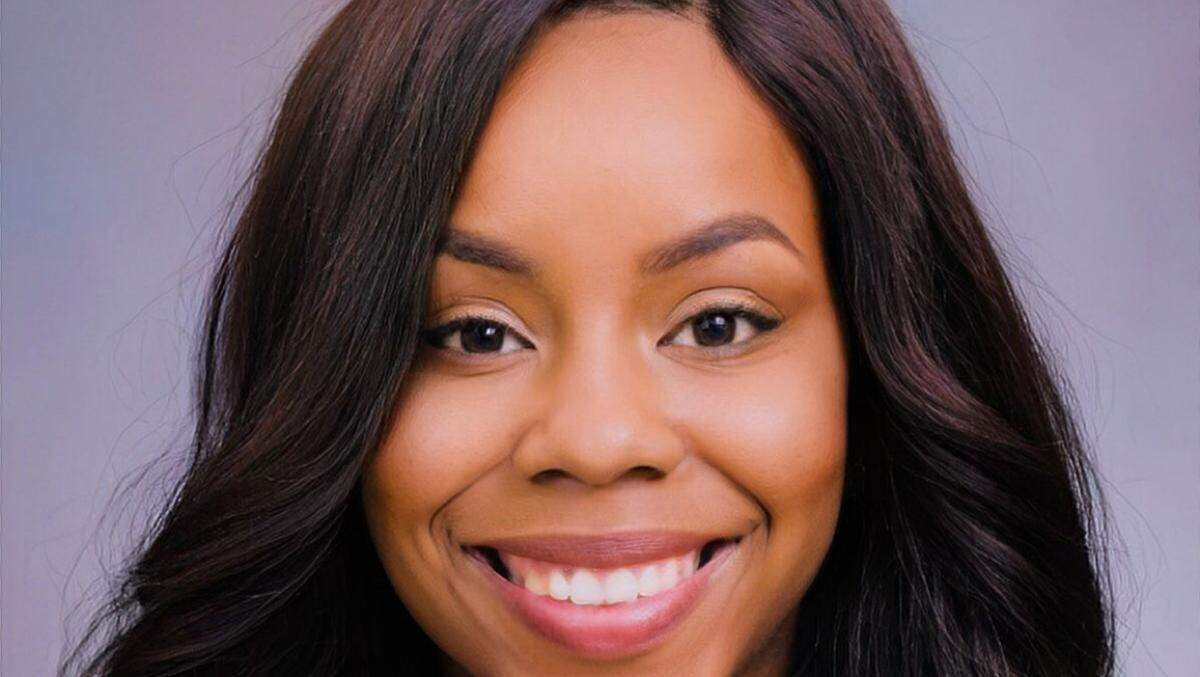
Ashley McCall
Q: What is your No. 1 priority for the city of Columbia and why?
A: My top priority is community health and well-being, making Columbia a city where people feel safe, supported and proud to live. That means focusing on housing, public safety and economic growth together because these issues are all connected. When people have stable homes, good jobs and safe neighborhoods, our whole city thrives.
Q: How will you address local housing affordability and availability?
A: Too many families in Columbia are struggling with the rising cost of rent, limited affordable options and the ripple effects that come when housing isn’t secure, like difficulty finding or keeping a job, staying healthy or ensuring kids succeed in school. If people don’t have stable, safe housing, it’s nearly impossible for them to thrive in other areas of life.
I believe the city has to take a more active role in bringing solutions forward: working with developers and nonprofits to expand affordable housing options, protecting renters from being priced out, and maintaining the housing stock we already have. At the same time, we need to connect residents to resources like rental assistance, home repair programs and first-time homebuyer support so stability is within reach.
This is my top priority because housing is the foundation for everything else: public safety, economic growth, even education. When families are stable, our neighborhoods are stronger, our economy is more resilient, and our city becomes a place where people want to put down roots.
Q: Grade Columbia’s approach to homelessness. What would you do differently?
A: I’d give Columbia a C+. The city has made good investments, including providing wraparound services through partnerships with nonprofits and service providers. Those efforts are meaningful, but we need to expand them. Too often, the focus remains on short-term fixes rather than long-term solutions that break the cycle.
As a social worker, I know wraparound services work best when they are well resourced and consistent. By expanding access to mental health care, job training, and transitional and permanent supportive housing, we can reduce the number of people cycling back into homelessness, lower strain on emergency services and improve safety for both unhoused individuals and neighborhoods. My focus would be on scaling up what’s already working and measuring progress through outcomes like stability, housing retention and reduced reliance on crisis systems.
Q: How specifically would you reduce crime and improve public safety?
A: We can’t just police our way out of crime. I’d support community policing that builds trust, invest in youth and workforce programs that give people opportunities, and strengthen access to mental health and social services. Safety comes from prevention, connection and accountability working together.
Q: What would you do to capitalize on economic development in Columbia?
A: Economic development is only successful if it benefits the people who actually live here. Too often, growth feels like it happens to communities, not with them. I want to change that by making sure new investment creates opportunities for our residents whether that’s jobs, support for local entrepreneurs or stronger neighborhood infrastructure.
That starts with attracting businesses that bring quality jobs, but it also means creating pipelines so Columbia residents are the ones hired and trained for those roles. We need to strengthen partnerships with our colleges, workforce programs and small business incubators so young people and local talent don’t feel like they have to leave Columbia to succeed.
I would also push for balanced growth, making sure small businesses get the same level of support and visibility as large corporations. When we invest in local entrepreneurs, minority owned businesses and neighborhood commercial corridors, we grow an economy that is resilient and inclusive.
Finally, economic development should tie directly into quality of life: improving transportation, housing and community spaces so that people not only work here but want to stay and build their future here. A thriving Columbia is one where growth is shared and sustainable and strengthens every corner of the city.
Q: How will you maximize and protect Finlay Park after its $25 million renovation?
A: Finlay Park is more than just green space; it’s a landmark that reflects the pride and vitality of Columbia. A $25 million renovation is a major investment, and we have to protect it by ensuring the park stays safe, welcoming, and well-maintained for decades to come.
First, we need a long-term maintenance and security plan. Too often, we invest heavily in upgrades but don’t allocate enough resources for ongoing upkeep. I’d prioritize funding for regular cleaning, landscaping, lighting and safety measures, as well as a strong presence of community-centered security so families feel comfortable using the space.
Second, to truly maximize the park, we need programming that draws people in and keeps the space alive, concerts, festivals, farmers markets, youth activities and fitness programs. Parks thrive when people use them, and community driven events will help Finlay Park stay vibrant.
Finally, I’d focus on equity and accessibility. The park should be a gathering place for all residents, regardless of background or neighborhood, with safe public transit access, ADA-compliant design, and affordable or free activities that ensure everyone feels included.
Protecting Finlay Park means treating it as a living investment in community health, recreation and civic pride. If we get this right, the park can be a model for how Columbia approaches public spaces across the city.
Q: If the state threatens to withhold funds from the city again, how will you respond?
A: I’d fight to make sure Columbia gets its fair share of resources, while also making our city less dependent on outside funding by growing our own local economy. I believe in standing firm when local needs are at stake but also working collaboratively with state leaders to find solutions.
Q: List one budget cut and one new expense you think is necessary. Explain why.
A: I’d cut unnecessary consultant contracts that don’t lead to real results. A new expense I’d prioritize is more investment in affordable housing and neighborhood infrastructure because those investments pay back in safer, stronger communities.
Q: What is one issue we didn’t mention that deserves more attention and why?
A: Community health and well-being deserves far more attention in Columbia. It’s the thread that ties everything together. When people are healthy, both physically and mentally, they’re more likely to succeed at work, keep stable housing, feel safe in their neighborhoods and help our local economy grow. Right now, too many residents face barriers to care, whether it’s cost, transportation or stigma, and that holds our entire city back.
Investing in health access means expanding mental health resources, supporting community clinics and partnering with schools, nonprofits and local businesses to create a true network of care. If we reduce stigma and make care accessible, we’ll see ripple effects everywhere: fewer crises requiring police response, stronger student achievement, more productive workers and families who can thrive instead of just get by.
Q: Why should voters choose you over your opponents in this election?
A: Voters should choose me because I bring a fresh, people-centered perspective grounded in both lived experience and professional dedication. I don’t believe in just promising change, I believe in delivering it through listening, partnership and follow-through.
My background as a social worker and business founder means I have both the compassion to understand everyday struggles and the practical know-how to build systems that work. Unlike opponents who may lean heavily on traditional approaches, my approach is whole person. I focus not just on symptoms like crime, homelessness or unaffordable housing, but also on root causes of access to health and mental health care, economic opportunity and neighborhood investment.
I also place a strong value on fairness and inclusion. I believe every neighborhood in our city should have access to quality services, safety and opportunity, not just those historically more connected to power. My goal is to expand what works, fix what’s broken and make sure no one is left behind. If you want leadership that listens, acts with integrity and centers community health and well-being in every decision, I’m the choice who will fight for that vision.