
Two murderers avoided death row in South Carolina. Now the system may change | Opinion
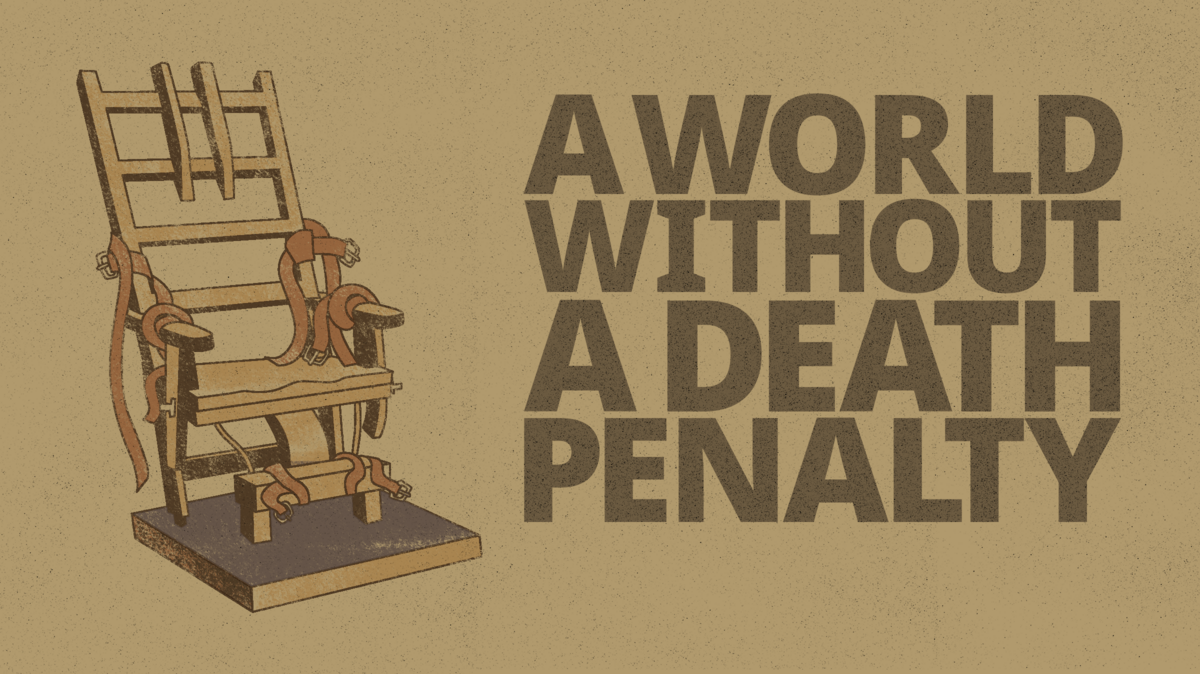
“You desire and do not have, so you murder. You covet and cannot obtain, so you fight and quarrel. You do not have, because you do not ask.” — James 4:2
Sometimes the simplest questions are the hardest to ask and answer.
What do we want in life? What do we do if we don’t get it? Is that the right or the wrong thing to do?
If wrong, would the punishment fit the crime? If really wrong, would the crime deserve the death penalty?
What then?
Who are you to say? Who am I? What are we really doing here, now, in this place?
What are the officials in our state doing in our names, with our blessing, killing killers?
This multimedia project based on hours of interviews with people not typically featured in the media is an attempt to go beyond the barrage of real-time reporting of crimes and trials and occasional executions that can briefly capture our attention and to share a fuller story of two men — one victim and one prisoner — decades after the murders that changed their lives.
Why?
If we do not ask these questions as a society, we do not have a society.
If we do not hold ourselves up to a mirror, we do not truly see ourselves.
Look. There. Look. Look. Here.
Chapter 1: People need to know about it
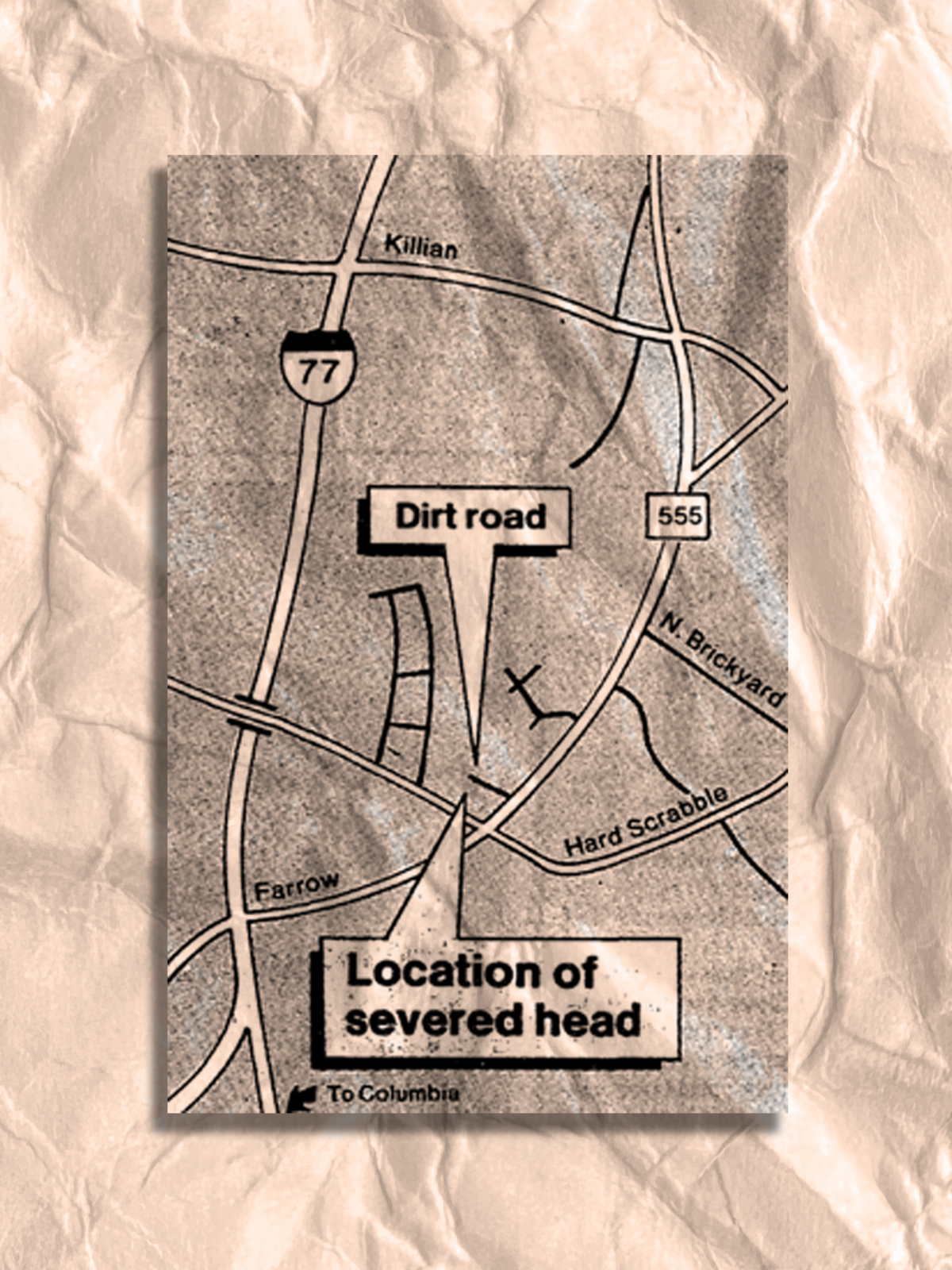
Tom Boulware was killed with a baseball bat and dismembered with a pruning saw. Richland County sheriff’s deputies found his head and hands buried in a blood-soaked towel three or four feet below ground in a heavily wooded area near Farrow and Hard Scrabble roads in 1984.
They found the rest of his body 30 miles away in Wateree Swamp.
The heinous murder and its aftermath have consumed his older brother Samuel “Mack” Boulware ever since.
One of Tom’s two killers died in prison. Every fall, the other man, Charles Shirah, is up for parole. Mack has missed only a few of Shirah’s parole hearings since he became eligible.
At 78, Mack has now lived more years without his brother than with him.
As kids in Winnsboro, they were inseparable. They rode horses together, played sports with the neighbors, went swimming at the town pool, caught fish and frogs at the local pond.
As men, Tom followed Mack to the University of South Carolina campus in Columbia and then into the world of finance.
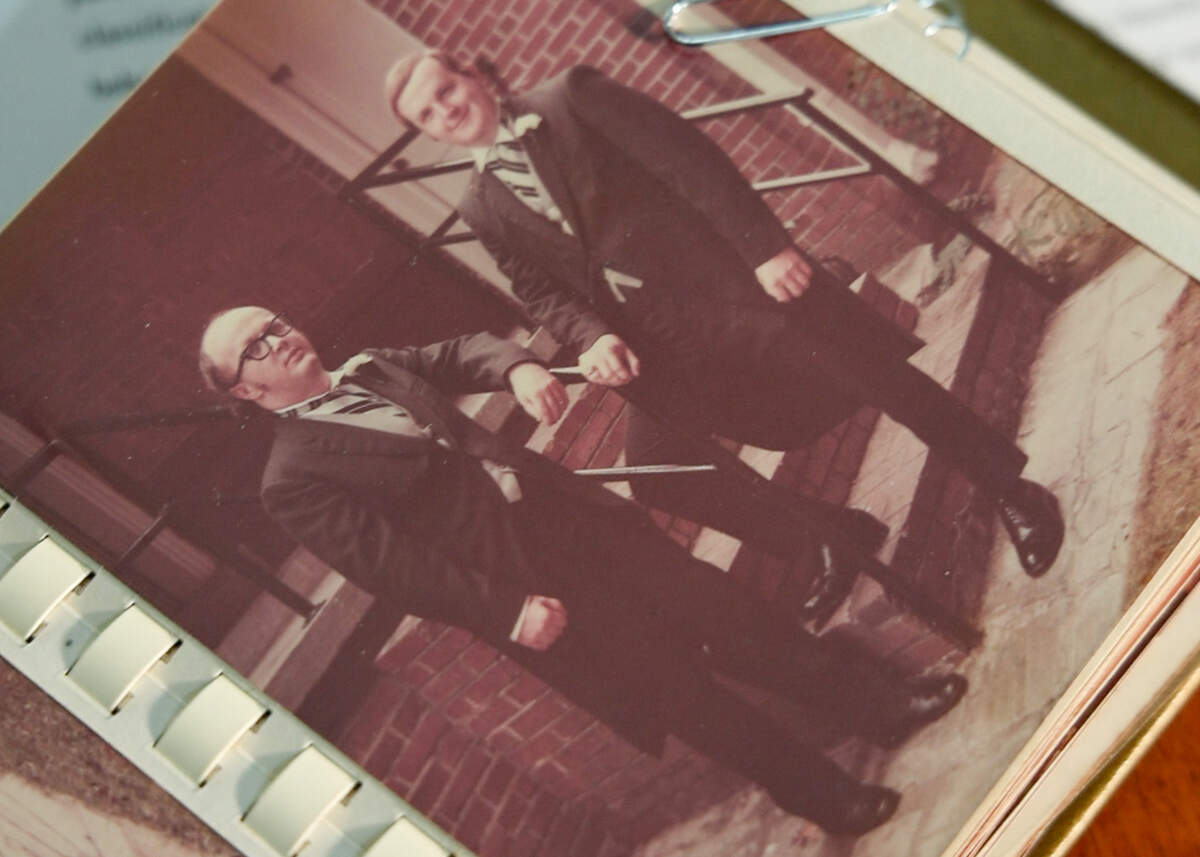
Mack was 25 when he married Becky Sanders on Sept. 2, 1972. Tom was his best man.
Toward the end, they lost touch, and Mack still doesn’t know why Tom’s two acquaintances killed him. News reports from the time say it was apparently a “revenge” killing and that the trio was involved in drug trafficking, drug use, motorcycle gangs and heavy drinking.
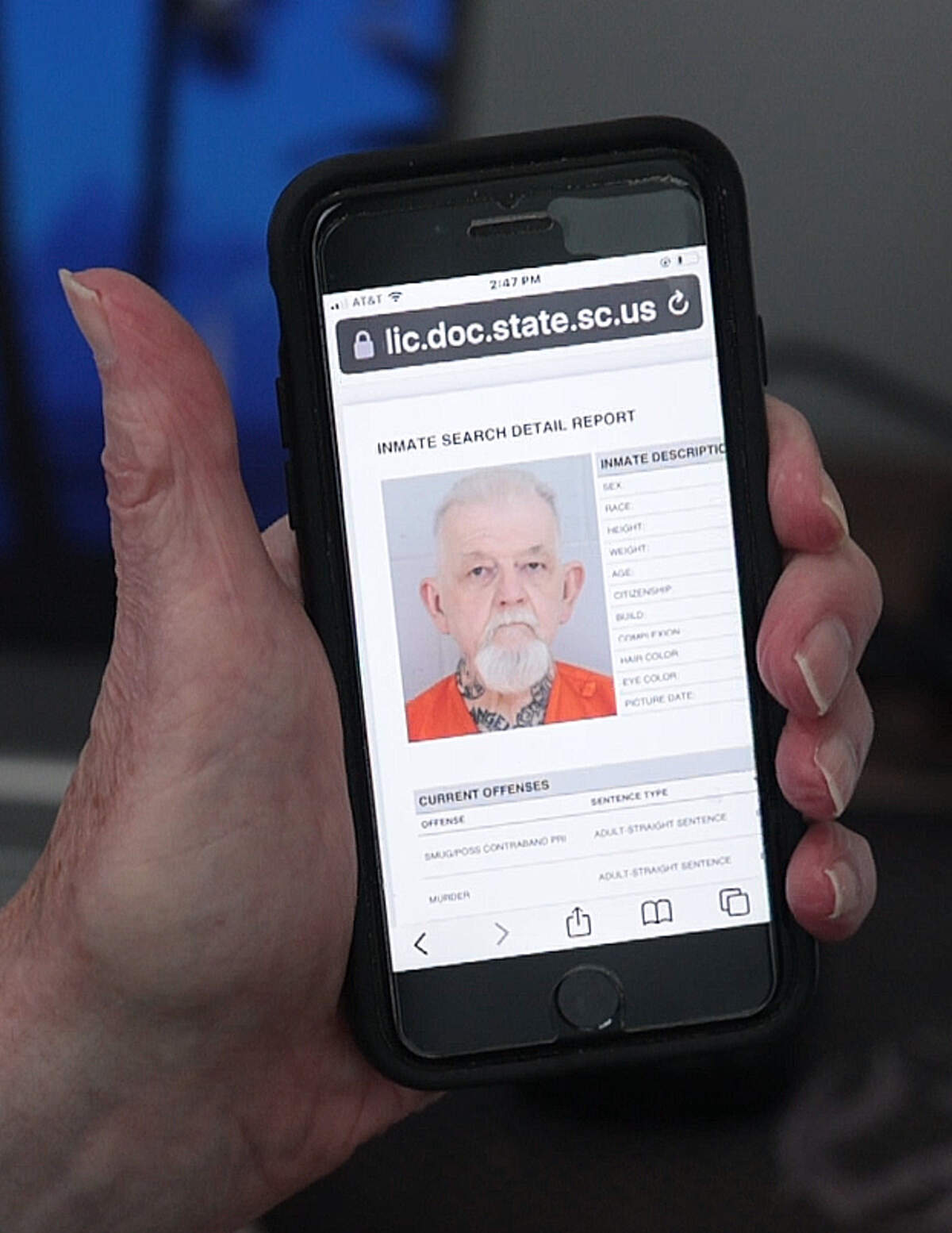
Now, making sure Charles Shirah stays behind bars has taught Mack more about the correctional system than anyone should ever have to learn. Now, he logs onto the state’s incarcerated inmate search every day to check Shirah’s status.
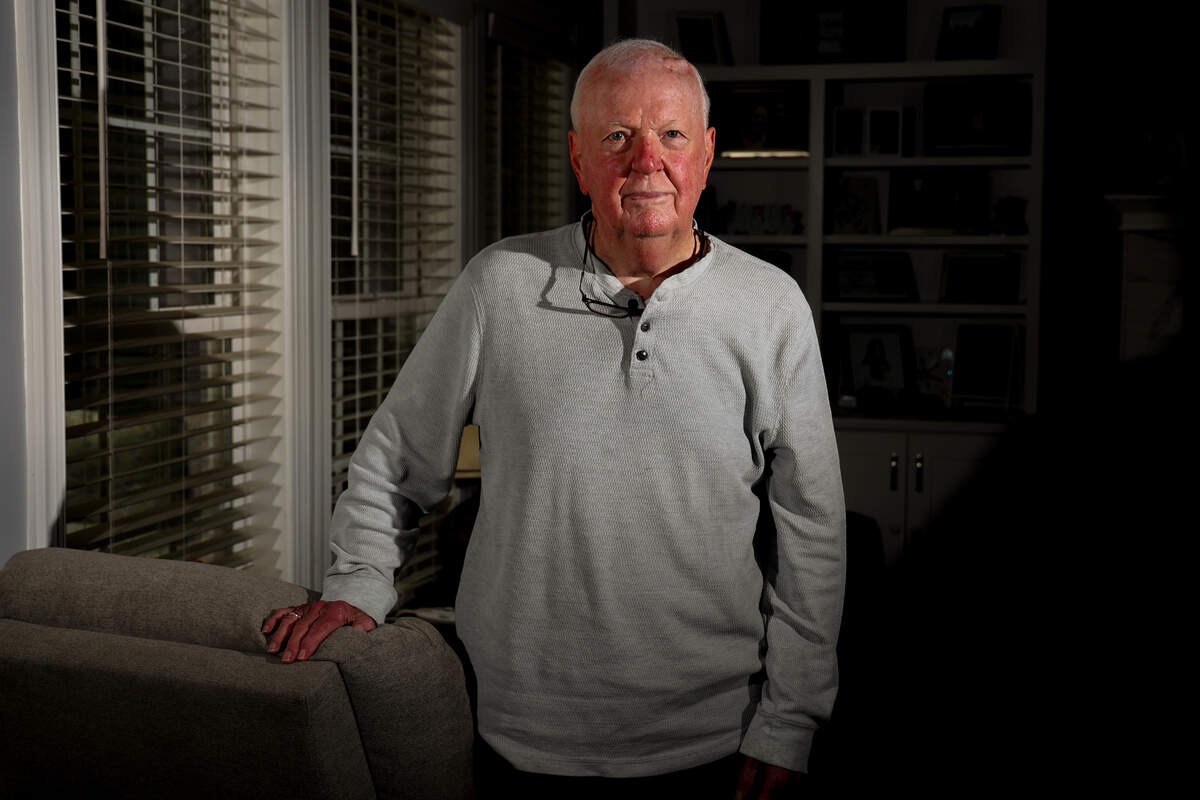
Now, he’s on a mission to investigate how the state of South Carolina classifies its criminals because he believes Shirah was once misclassified and given unwarranted privileges, and Mack believes a bigger problem would be uncovered if anyone at the state took him seriously.
If Shirah had been sentenced to death instead of life in prison, and executed, Tom would still be dead, but Mack’s life would be much different.
Shirah would be gone and Mack would be free, less possessed by him. Better off.
“I’ve developed a kind of ownership of this situation,” he says. “I can’t turn my back on it and walk away knowing it’s going on because other people need to know about it, and I can’t let these bureaucrats get away with their cavalier attitudes…. I just won’t go away.”
Wearing khaki pants, a gray pullover and a black fleece vest, he and his wife Becky drive 140 miles from their home in North Carolina to Shirah’s latest annual parole hearing in Columbia.
In the room, he holds eight pages of remarks. He looks down. He looks up. He begins to speak.
Chapter 2: More valuable somewhere else
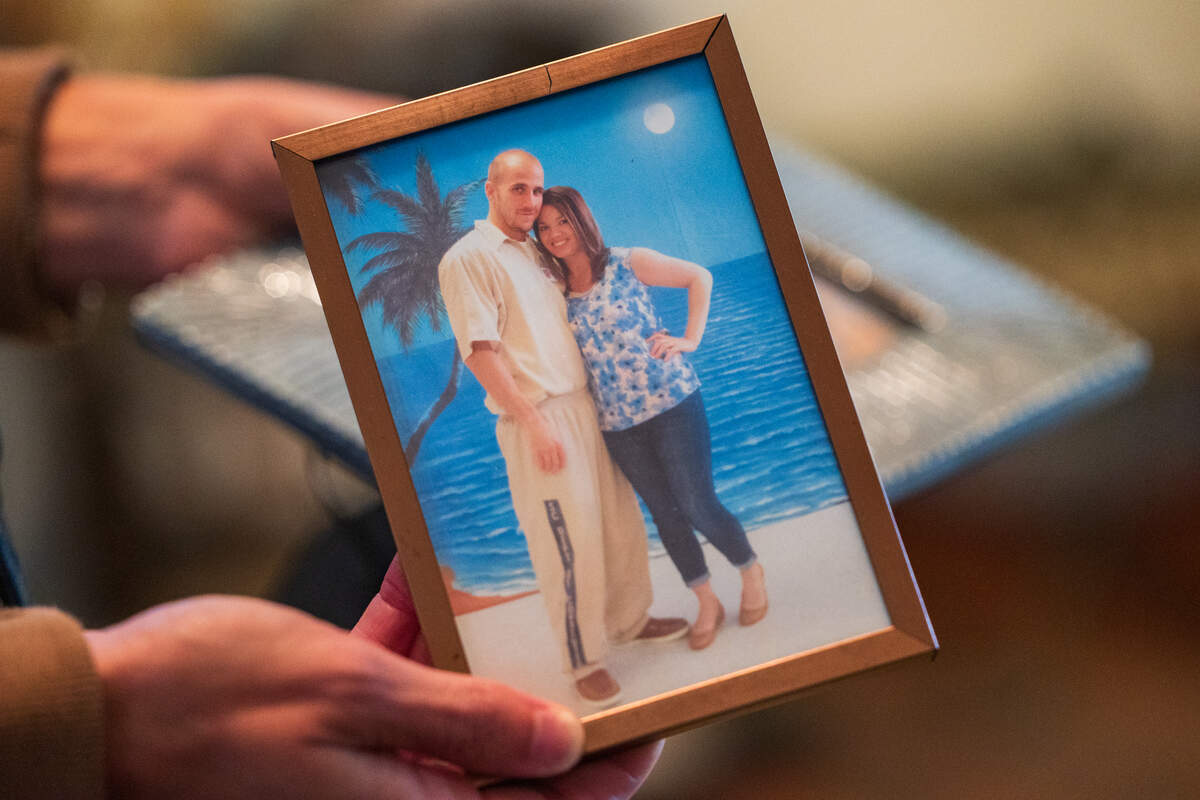
Benjamin Case killed Timothy Henson, the owner of Fast Cash Pawn Shop in Greenville County, and left another man for dead in the shop in 2006. He stole at least $1,000 of jewelry and more than 100 guns, then stole several vehicles over several days before a spike strip punctured the tires of a stolen Corvette and a police pursuit ended with a hail of bullets stopping him from fleeing in a van he had pulled a woman from at gunpoint.
The heinous murder and its aftermath have consumed Ben Case ever since.
He avoided the death penalty with a plea deal on the day his trial was supposed to start.
At 42, he’s now on a mission to help as many young men “with messed up mindsets” as he can, men he sees as capable and worthy of redemption.
If Ben had been sentenced to death instead of life in prison, and executed, Timothy would still be dead, but the lives of those around Ben would be much different.
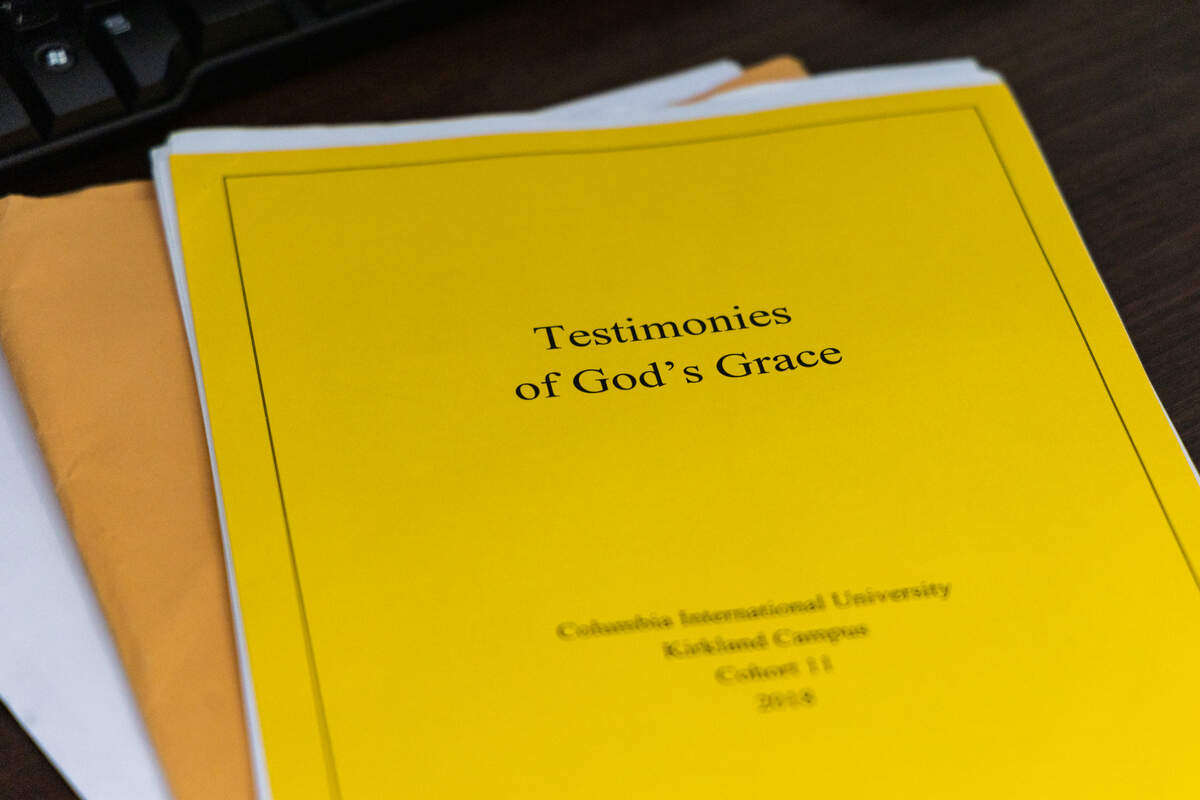
Ben would not have found religion, or written books to help prisoners survive prison, or assisted so many lost men, or fallen in love with a woman who advocates for prison reform with him. He would not have met a University of South Carolina doctoral student who now teaches prison issues with his involvement. He typically calls into her class once or twice a week.
He would not have befriended former death row inmate Jimmy MacPhee or seen Jimmy walk out of prison then return in regular clothes to preach. Inside 44 years, nine months and 20 days, Jimmy left five years ago, and now advocates for society’s misbegotten and forgotten men daily.
Without Ben, these men would be that much more unreachable and unteachable. Worse off.
“I owe society a big portion of my life,” Ben says from prison. “I never want people to think that I shouldn’t be in here. That’s not how I feel. I feel that I would be more valuable somewhere else.”
Wearing a tan shirt and tan pants, Ben gets down on one knee in a crowded visitation room. He offers Rose Anna Welch, the woman he loves but will never live with, the diamond ring his parents had purchased for him. They hid it in their house for her to find while on the phone with him and then wear to a visit so he could remove it and return it while asking for her hand.
In the room, he holds the ring. He looks down. He looks up. He begins to speak.
Chapter 3: God works in mysterious ways
Ben is not the same troublemaker who was jailed in 2006, after his terrible acts. He was a tough guy for 10 years inside, punished in 2009 for disrespect and in 2015 for possession of contraband, a cellphone and a weapon and twice for “threatening to inflict harm” on an employee. He was sanctioned for more threats in 2019 and 2022 and for another cellphone this month.
He says threatening behavior is a broad, subjective category and while he accepts responsibility for his actions, he’ll also discuss each incident so you might know the details. He says the things that keep him going are God, his family and the notion that if he can change, others in prison can, too.
To the extent a stranger can tell, he seems less angry, more stable.
As only his parents can tell, he’s better, Ben again.
Ben did “boy things” growing up in Bradley, his parents Willy and Lucy say.
He played ball. Went into the woods. Fished in the creek. He was a kid until he wasn’t, until he got involved with drugs and the wrong crowd, selling pot at 15, carrying weapons at 16, slinging coke and snorting powder at 18.
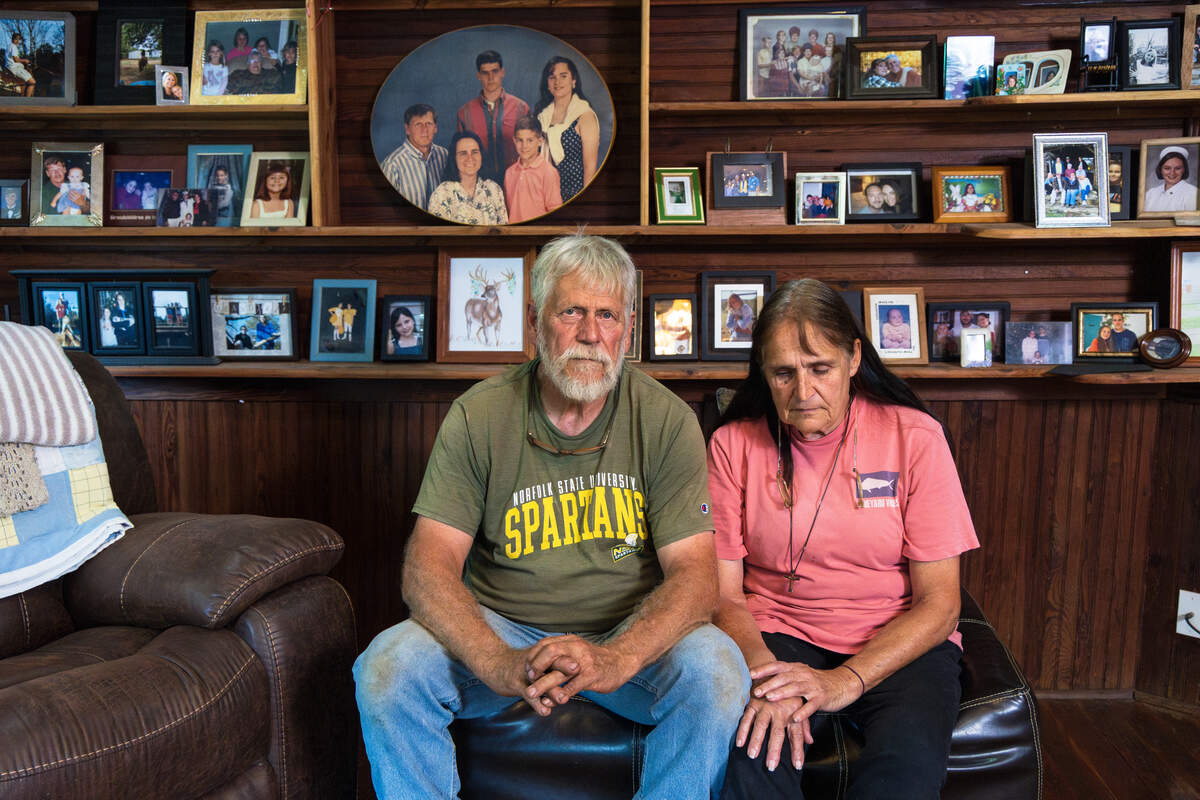
When Ben was young, Lucy remembers, he would write Mother’s Day cards “that could rip my heart in pieces.” When he went away, she remembers, she couldn’t find a single greeting card she might give him that was appropriate for that unfathomable time.
He was 25 — the age Mack got married — when he was sentenced to life in prison.
Ben’s parents are lucky he’s still a part of their lives. They visit him monthly, and even if he’s apart from them, he’s with them.
Willy sounds rueful when remembering that Ben lost his favorite hammer in those woods he played in when he was 4 or 5. Now, he says he wishes they still did carpentry and home improvements together.
Now, Lucy, a former Sunday school teacher who always wears a cross around her neck, says she’s proud Ben’s walking with another carpenter, trying to improve the lives of those around him.
“I’m proud to say I’m his mother,” she says. “I’m very, very proud. God works in mysterious ways.”
Inside the Case’s family home is a wall of photos of Willy and Lucy and their three children, a wall that will never add new photos of Ben doing Ben things in the wider world.
“I asked Ben when it happened, ‘Why?’” Willy says softly.
“‘He was between me and the money.’ That was the answer I got.”
Can you imagine?
“He’s always been loving,” Willy says. “That’s what struck me so bad when all that went down because that was not my son. That was absolutely not my son, not the kid that I raised, not the kid that’s in prison right now. That was not my son that went and did that.”
Ben received four life sentences and an additional 80 years in prison.
Asked if he deserves the death penalty, he says maybe.
If he were to ever become a free man, it would be a miracle.
Chapter 4: Only thing they can’t change
I first hear from Ben when he mails me a guest essay in April. The essay is below.
In it, Ben argues for ending the death penalty. He has also started lobbying for second-look legislation in South Carolina to allow prisoners the chance to petition for case reviews and reduced sentences after substantial time served. Elsewhere, these sorts of laws apply to people who have served 15-20 years for crimes committed before the age of age 25.
Currently, 15 states, including Florida and Georgia, and the District of Columbia have some sort of judicial review to address the fact that crime is a young man’s game, that the prison population is 500% larger over 50 years and aging and that research shows long prison sentences divert resources from effective public safety programs and don’t significantly deter crime.
Perhaps Ben’s objectives are pipe dreams in a reliably red, tough-on-crime state like South Carolina, where six men have been executed since the death penalty resumed in 2024 after a 13-year hiatus and a seventh is set to be executed Nov. 14.
Ben knows change could take years or even decades. But he has all the time in the world.
A world without a death penalty?
In prison, you bury hope down so deep it never surfaces, or you greet it as a cellmate.
“There’s people in here who I wouldn’t want around my family, but everyone doesn’t fit into that category,” Ben tells me. “And even those people are redeemable. They can change if they want to. The only thing holding them down is the seriousness and nature of their crime, which is the only thing they can’t change.”
After Ben left the pawn shop, the injured employee called 911 and described him to the authorities, and the South Carolina Pawnbrokers Association offered a $10,000 reward for information leading to an arrest in Timothy Henson’s killing.
Henson was the association’s secretary, the club secretary of the Taylors Lions Club and a member of the International Hot Rod Association. He had owned the pawn shop for 27 years — half his life. He was loved.
He left behind a mother, a wife, a son, two sisters and 11 nieces and nephews.
I leave multiple messages for the family to share that I’m working on this project and to see if they want to say anything about Timothy, his killer or the system. My efforts to reach them are unsuccessful.
There is a letter that Ben sends to people, in hope of finding a wider audience. The letter explicitly allows everyone who reads it to share it with anyone they think might benefit from it.
Ben doesn’t hesitate when I ask him if I could publish it.
“I must understand that forgiveness, from the families I transgressed against, may be impossible,” the letter says. “God has given us a free will and I must respect the thoughts and trauma that my actions provoked.
“It is also important that I recognize the way in which I have crippled my family and community by my actions. It is through the unconditional love of my mother and father that I have been able to cope with this situation for so long. The thought of my daughter being affected by my actions, even while behind bars, always kept a check on my thoughts of giving up.
“The relationships that have fallen away, and those that were built in this crisis, have taught me many things. I will never deny the fact that my own ignorance has caused pain to the lives of not only those I offended, but also those who are dearest to me.”
Chapter 5: Just missing from it, right?
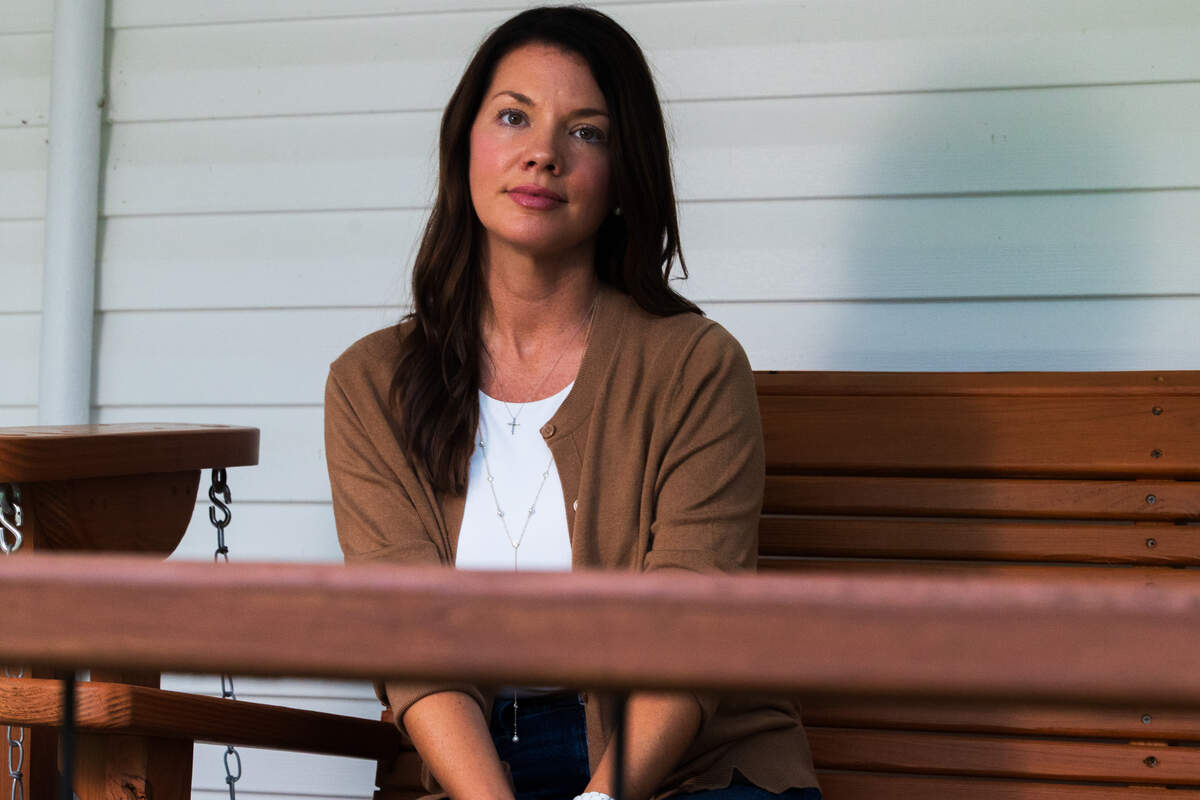
Ben got in touch with God in 2016. Then he got back in touch with Rose Anna Welch.
Within a year, the engaged couple called themselves husband and wife even though neither the church nor the government recognize it. The heart knows what it knows. The heart goes where it goes.
“I know she’s a blessing,” Ben tells me. “She’s beautiful. She’s got a good job. Anybody would love to have her. And she’s decided that I’m the one that she wants. I always say God played a trick on her, God convinced her.... She goes to church with my parents on the weekend.”
He and Rose Anna knew each other when they were kids and her dad ran an antique shop the Cases would visit with their youngest son. She had a crush on him then. In high school, they had a class together, but she could tell he was using drugs. They were on different paths.
When he was in prison, Ben reached out. She had moved to Colorado, but they talked and stayed in touch, and she got on his visitation list. When she moved back, their relationship strengthened, slowly.

She’s worn his ring since July 16, 2017.
In the beginning, they read the Bible a lot. They prayed together. They played board games. Sorry is their favorite.
Inside her home now, Ben’s absence is a presence.
“This is Ben’s home as much as it is mine,” she says. “Ben, if he came home, has a life to step into. This is his life. He’s just missing from it, right?”
The back deck holds a porch swing and two Adirondack chairs Ben made for her in prison. There are photos they paid the prison to take during visits. An album holds all his letters to her, his penmanship neat and precise, the ink unsmudged.
“Hello pretty lady!” the first begins. “I hope this letter reaches you in great spirits and perfect health. Not a whole lot going on around here. We’ve been locked down for going on five days now. It’s cool by me though. I have been studying and writing. Lockdowns give me ample amounts of time to read, write, and pray. I keep you in my prayers daily. Just asking God to let his presence be known in your life and comfort you in your times of loneliness.”
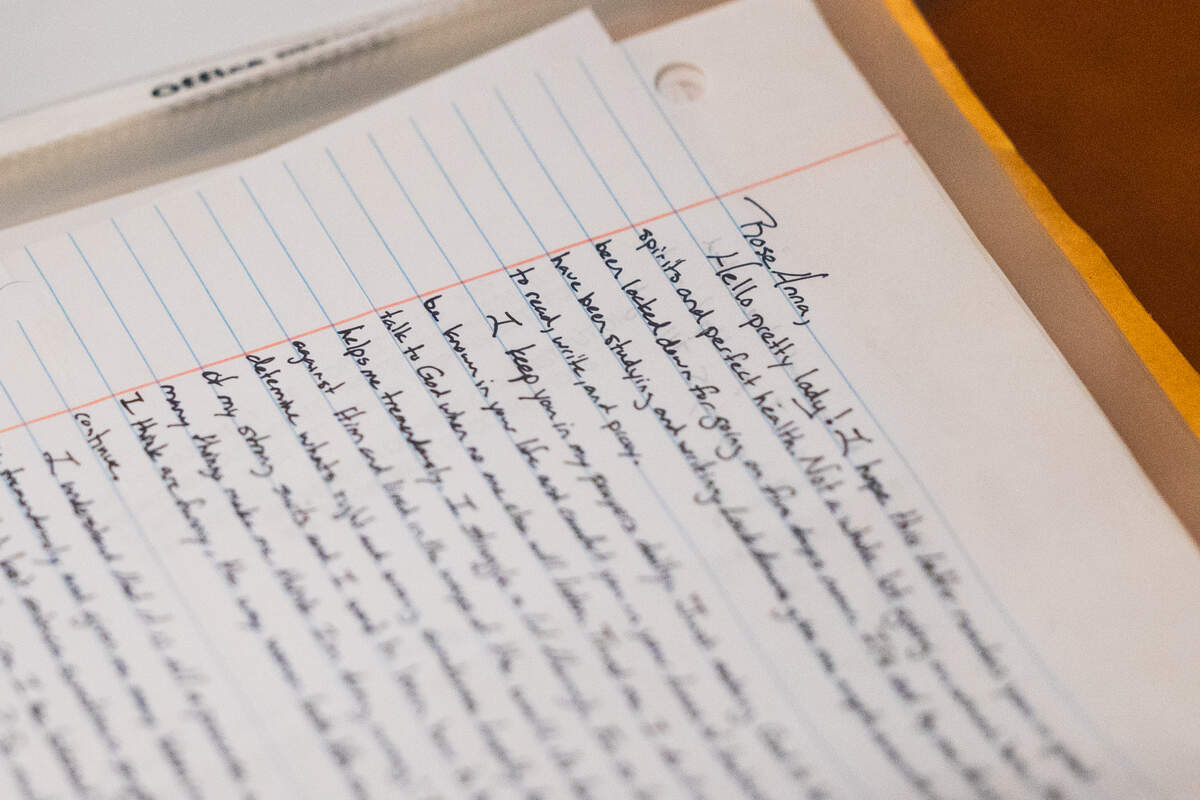
The letter is questioning. “I’m in prison serving a life sentence, how can I be blessed? If I put my life in God’s hands, where will I end up? So much evil lurks in this place, it is insane.”
Now, the couple talks daily, and she visits every Saturday. Most people in her life don’t know.
Chapter 6: It’s not ideal, not the dream
“I didn’t think anybody was supportive,” Rose Anna says. “Definitely not my dad. He knew Ben, knew Ben’s parents, knew he comes from a great family, but he didn’t want that for his daughter. It’s not ideal. It’s not the dream.
“My mom is a little more understanding. She’s a woman. She understands how I love and how big my heart is. She always understood it.”
People inclined to lock doors and let people in prison fade from memory can’t comprehend it.
“We’re not supposed to talk about them,” she says. “It’s very taboo, right? So that’s how I feel our relationship is, too.
“The hardest part is that no one will ever see us together so they won’t understand it,” she adds. “They won’t understand who Ben is because they don’t know. They’ll never meet him, you know? They’ll never experience what I love about him, and I can tell people how great he is, but it means nothing unless you know him and they’ll never know him. So it just puts me in a hard spot.”

Ben is present in her home — she calls it “our house” — even though he’s never set foot in it. Just as he’s listed as a user on her credit card, which he cannot access.
Yet, she tells herself. Cannot access it yet.
“He knows there’s a lot of pressure on me,” she says. “I have to keep our life together on the outside. A big part of that dream is that he will join me here. And I joke, ‘When you come home, I’m never crawling under the house again. I’m done cutting the grass.’
“It would be easy for me to resent the fact that he’s not here,” she says. “But then I have to remember that we chose this. We were not thrown into it. We knew it was going to be hard. We had those hard discussions at the beginning. We said this is going to suck.”
That was nine years ago. Now, they promote prison reforms like second-look legislation together.
She had never talked to anyone in prison before she talked to Ben there. Her outlook changed.
“I thought just like every other conservative person I grew up around, too bad, you did the crime, you do the time,” she says. “You don’t get to see follow-up stories of who these people are 15-20 years later. And most people don’t care. But they should care because their tax dollars are going to these individuals and these programs.”
It’s the age-old question: Are prisons for punishment or for rehabilitation? Should prisoners get a second chance to be a productive citizen and a member of society? Or are they out of chances?
Chapter 7: Changed people change others
This is the essay Ben sent me. I edited it and fact-checked it, but these are his words.
Two women from the 13th Circuit Solicitor’s Office in Greenville County stood on the other side of a wire mesh that separated them from me, that separated freedom from captivity. They didn’t look threatening. They were even smiling when they greeted me.
It was 2007. I was 24 years old, and these women carried the authority of the state of South Carolina in the form of a notice to seek the death penalty against me.
After reading what they slid to me, I was confused and scared. That moment marked the most terrifying chapter in my life. I had already been in jail for over a year without seeing an attorney.
For seven more months, I lived under the fear of being executed. It wasn’t until 21 months after I was charged with murder, assault and battery with intent to kill, burglary, grand larceny and armed robbery that the state finally appointed counsel to my case.
The lawyers who were assigned to my case prepared a defense, but their advice was plain: life or death. Out of fear, I signed a plea agreement that said I could never appeal my sentence or get paroled.
That agreement carried four life sentences plus 80 years.
I signed it in 2009 because I didn’t think there was another option.
I’ve carried the weight of that decision for 16 years and often wonder what would have been different if I went to trial. Now, every time South Carolina carries out an execution, I’m reminded of the pain I caused and how I could have been one of the men the entire prison system locked down to kill.
When there is an execution scheduled for a Friday, the state keeps prisoners locked in a cell from Thursday afternoon until Monday morning. We are reminded that our state’s power is deadly. Silence stretches across so many prisons, so many cells, so many souls.
After Marion Bowman Jr. was executed in January, we were having Bible study. I prayed for him and his family as well as the victim and their family. After the prayer, one of the brothers in the study told me he had been on death row with Marion. They had gone through Kairos, a Christian program, together. He said, “That man read his Bible every day. He loved the Lord.”
In that moment, the weight of the death penalty became personal. Marion wasn’t just a name on a list. He was someone’s friend, a brother in Christ.
He was more than the fatal mistake that led him to death row.
I now live among several men who were once sentenced to die. Some lead classes, serve on maintenance crews or mentor younger guys. A great friend of mine, Jimmy MacPhee, was once on death row and is now free, contributing in a positive way to our state.
We are not exceptions. We are proof. Proof that change is possible and that changed people generate change in others.
Most of the men I know who were sentenced to death committed their crimes before the age of 25. That matters.
Science tells us that emerging adulthood (from 18 to the mid- to late-20s) is a distinct stage of brain development. The prefrontal cortex, responsible for decision-making and impulse control, is still forming. This age group is known for risky behavior, whether drugs, sex or crime.
I was 23 when charged with crimes that could have led to the death penalty. At that age, many of us are still learning to think past fear and react with clarity.
Nearly half of all people sentenced to death in the U.S. were in their 20s at arrest.
A justice system that ignores this science mistakes immaturity for irredeemability.
“The death penalty is an affront to the sanctity of life,” Bishop Jacques Fabre-Jeune of Charleston said in a statement ahead of South Carolina’s March execution of Brad Sigmon. “It denies the possibility of redemption and reconciliation and true justice.”
I agree. I’ve seen too many transformations to believe otherwise. But our system in South Carolina seems to lack the mercy that “true justice” requires.
There are 27 states that still have the death penalty. Twenty-three and Washington, D.C., have abolished it. Around the world, 144 countries have ended the death penalty in law or practice. Only 15 nations carried out executions in 2024.
This isn’t about excusing harm. I carry deep sorrow for the lives my actions impacted. I pray for the families as if they were my own.
But we have to stop believing execution is justice. It’s not. Execution doesn’t just end life; it ends potential. It assumes that who someone is at their worst is who they’ll always be.
I’ve lived through enough to know that is not true.
We need a new conversation in South Carolina. One that doesn’t forsake mercy and grace. One that doesn’t ignore science and fact in favor of vengeance. South Carolina does not have to be a death penalty state. We can choose mercy. We can choose hope. And we must choose life.
Chapter 8: It should not have happened
Parole hearing preparation takes victims’ time and effort.
Can you imagine?
On Nov. 20, 2024, Mack Boulware and his wife Becky sit next to each other at the annual parole hearing in Columbia for Charles Shirah, the man who killed Mack’s brother 40 years earlier.
Shirah is questioned for just over two minutes. Mack will speak for more than 23.
Of these hearings, Mack says, “I didn’t want to leave any doubt that the family was totally against any thought of parole. I didn’t get particularly emotional, but I was always prepared. I had thought about it.”
Shirah attends remotely via video. He is seated in a wheelchair and wears orange prison attire over a white T-shirt, tattoos on his neck and arms, a goatee on his chin.
“Good morning, Mr. Shirah,” the parole board’s then-chair, Kim Frederick, says to him. “We hope you are well this morning. Please tell us what you have done to get ready for parole.”
“Not much I can do right now because I don’t have a place to stay,” Shirah says. “My sister was sponsoring me, but at this time she cannot sponsor me for parole. I don’t have nowhere to go this year.”
“OK,” Frederick says. “Have you taken any programs or had any counseling or anything that’s been helpful to you while you’ve been incarcerated?”
“I went through the Narcotics Anonymous program, and it was one more program, I forget what it was. But it’s been a long time ago. I’ve been locked up 40 years.”
“Yes, sir. I see that you’ve had some infractions from within the institution from this year. Is there any reason for that, sir?”
“Well, of course, there’s a reason. I got caught with a cellphone as I was transferred from Richland Correctional Institute to Lieber sometime back. And the cellphone didn’t even work. Somebody gave it to me. Cellphones cost $2 or $3,000, and I don’t have no money. But a cellphone probably saved my life at least two times when I was at Richland and I’ll tell you why....”
“That’s not necessary, Mr. Shirah. Thank you. You’re not supposed to have that within the institution. That’s against the rules. But thank you for sharing that with us. Tell us, at this point in your life, if you could speak to your victim’s family, what, if anything, would you say to them?”
“I would say, just like I did last year, I wish I was the one that would’ve got killed in that crime. Not their kinsman. And I’m sorry that it happened. It should not have happened, just as I testified in my trial. I testified for the victim in my trial. He shouldn’t have been killed.”
“Thank you, sir. Is there anything else that you would like to say to this board today?”
“No.”
“We thank you very much for your time, sir. If you will please exit the room, we’ll have an answer for you later today. Thank you so much.”
“OK. Thank you. Have a good day.”
There is no way Shirah is getting paroled.
Chapter 9: So that justice will be served
Mack and Becky Boulware are there to be sure.
“I and both of my surviving sisters are 100% opposed to his parole,” Mack says then. “My sisters, both of whom are in their 80s, would be here today if they were physically able to be. They, plus another sister that we lost to COVID, attended these hearings in prior years. I feel extremely justified in expressing our feelings that anyone who could do what Shirah did should never be paroled. Although I understand and respect the solicitor’s reasoning for not seeking the death penalty, I feel that Shirah got a break when he got his life sentence instead of the death penalty.
“My family has gone through another year without my brother,” Mack says. “The unchanged facts are, one, my brother is dead. Shirah is guilty of the murder and mutilation. Shirah still has a life sentence plus some months for bad behavior in prison. And nothing indicates that Shirah is a different person today than he was in 1984. I trust that the parole board understands and agrees with my position and will deny Shirah’s parole so that justice will be served.”
So that justice will be served.
Mack delivers the line with a finality that numerous victims’ families can relate to. Can cling to.
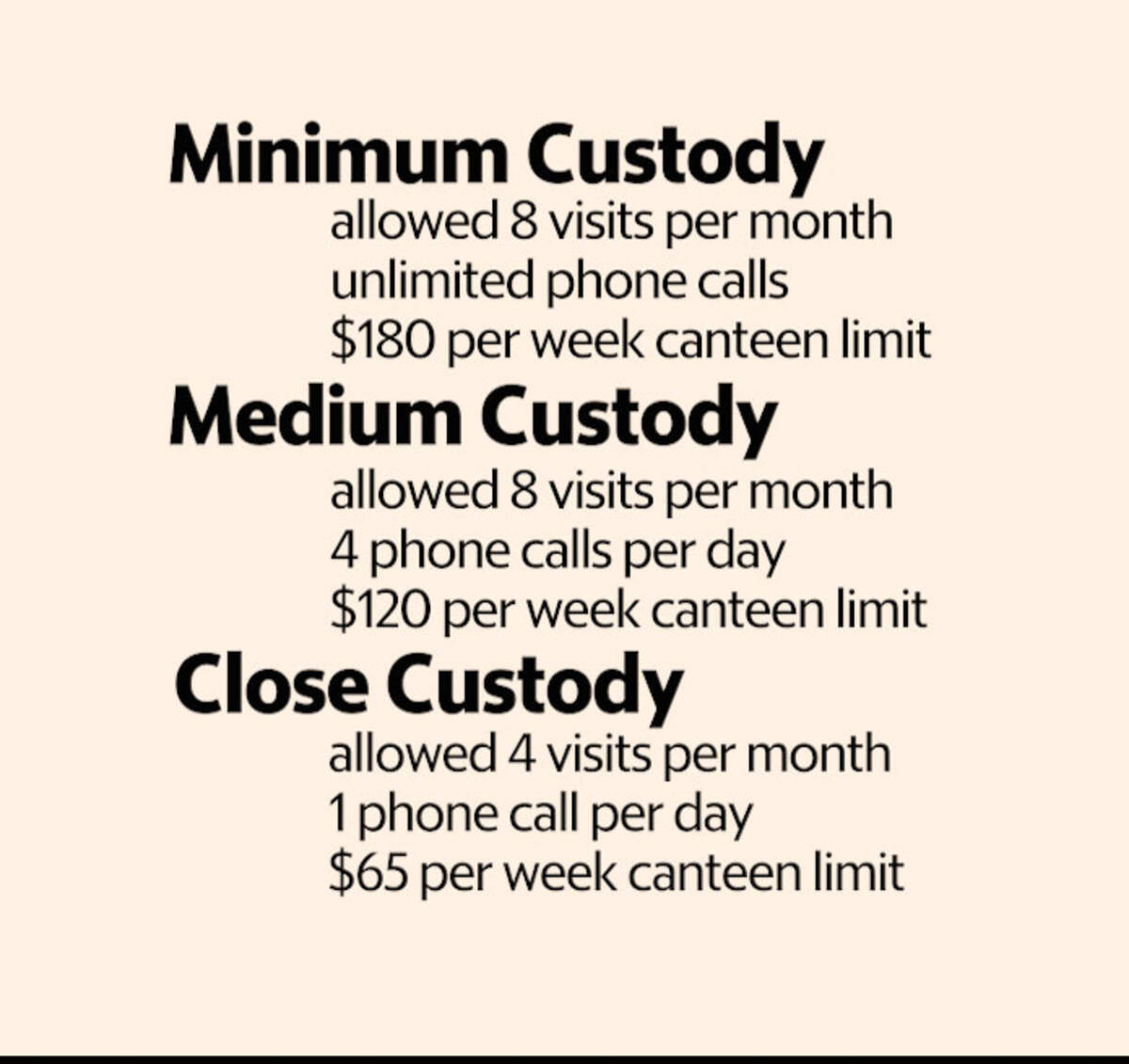
Then, six minutes into his remarks, Mack switches from the subject of parole to his beef with corrections officials he is convinced misclassified Shirah from mid-2022 to early 2024 to a lower level of custody, giving him more privileges and fewer restrictions, what Mack calls “a vacation.”
He couldn’t believe it when he noticed it.
Now he doesn’t believe the South Carolina Department of Corrections or other state officials ever took seriously his allegation that the state has insufficient controls in place to prevent any misclassification among the state’s nearly 17,000 prisoners, 1,329 who are serving life without the possibility of parole and 683 who are serving life but may one day be paroled.
“It’s a personal issue that turned into a wider problem,” he tells me. “I’ve accomplished my original goal of getting Shirah’s classification changed. I’m trying to fix a bigger problem.”
Chapter 10: An investigation like I asked
I first hear from Mack in February when he contacts me about the issue. He doesn’t think Shirah, 73, will ever be reclassified again, but he’s not so sure about others.
“I don’t know,” he says. “And I don’t think anybody knows and will ever know until somebody does an investigation like I asked them to do.”
A state audit in 2019 found that state prison officials rarely used a discretionary classification override process meant to ensure an automated screening system made the right assessment and that a given prisoner’s punishment continues to be appropriate.
SCDC changed its classification policy in 2020 to consider more factors such as age and medical and criminal histories when determining a prisoner’s custody level and privileges. The policy requires annual reviews of every prisoner’s status.
Mack says he’s not consumed by his brother’s killer, that his wife, two daughters, five grandchildren and one great-grandson are what he lives for. Yet a daily check on Shirah’s status is no small commitment, even for a retired director of accounting and finance used to regularity.
“I don’t care anything about him dead or alive,” Mack tells me. “It’s the people who do the job that I’m trying to impact.”
He says he feels like SCDC and other state officials gave him the runaround.
On Dec. 8, 2023, he says the latest in a line of SCDC officials told him that no one in the Division of Classification and Inmate Records could help him any more. Mack took it as a “no-talk order.” An official told him via email the staff had “attempted to address your concerns, felt they had done so, but could not bring closure on the questions you were proposing.”
On Jan. 30, 2024, SCDC told Mack it had “affirmed” Shirah’s lower “medium” custody. On Feb. 13, 2024, SCDC told him he was in “close” custody again. On April 22, 2024, SCDC said it had told a consultant about Mack’s concerns but that it “cannot report back on the input from the consultant or any other review of the classification system, as these are internal conversations.”
None of that set Mack’s mind at ease. Nor do SCDC’s new comments.
When I ask, SCDC says its classification plan is reviewed annually and reevaluated every three to five years by an external consultant and that that review is taking place now.
Mack says SCDC is denying rather than addressing a problem because it’s eager to demonstrate its new classification system works, resistant to increase its workload and complacent with old cases. He says an outside review should be done.
When I ask, SCDC says an inmate’s classification is reviewed each year, once in person at the institution and once at the central office, and that discretionary overrides are considered on “a case-by-case basis as requested.”
Mack says reviews should be more regular and victims should have the chance to appeal custody classification downgrades.
When I ask, SCDC says it correctly reclassified Shirah to “medium” custody, which he had earned, but that “the victim’s voice matters, and the family requested the inmate be moved to a higher custody level,” which was considered “and the inmate was moved to close custody.”
Mack says “the only thing” Shirah did to earn more leniency “was get older.”
What would a new independent audit of the system find? Mack is dying to know even if Shirah is dying in prison.
Nov. 19 is the date of Shirah’s next parole hearing. Mack has had it circled on his calendar for weeks.
He plans to call into the hearing this time.
Chapter 11: My brother’s killer in his place
This is an essay Mack sent me. I edited it and fact-checked it, but these are his words.
My only brother, Tom, was brutally murdered in Richland County 40 years ago. His two killers went to prison for life. One died behind bars, but I continue to think about the other, almost daily.
The pain the two caused my family in 1984 persists, and there’s a new toll every time I speak to the South Carolina Board of Paroles and Pardons against the remaining prisoner’s potential release. I check his status on the state’s online inmate search tool every day.
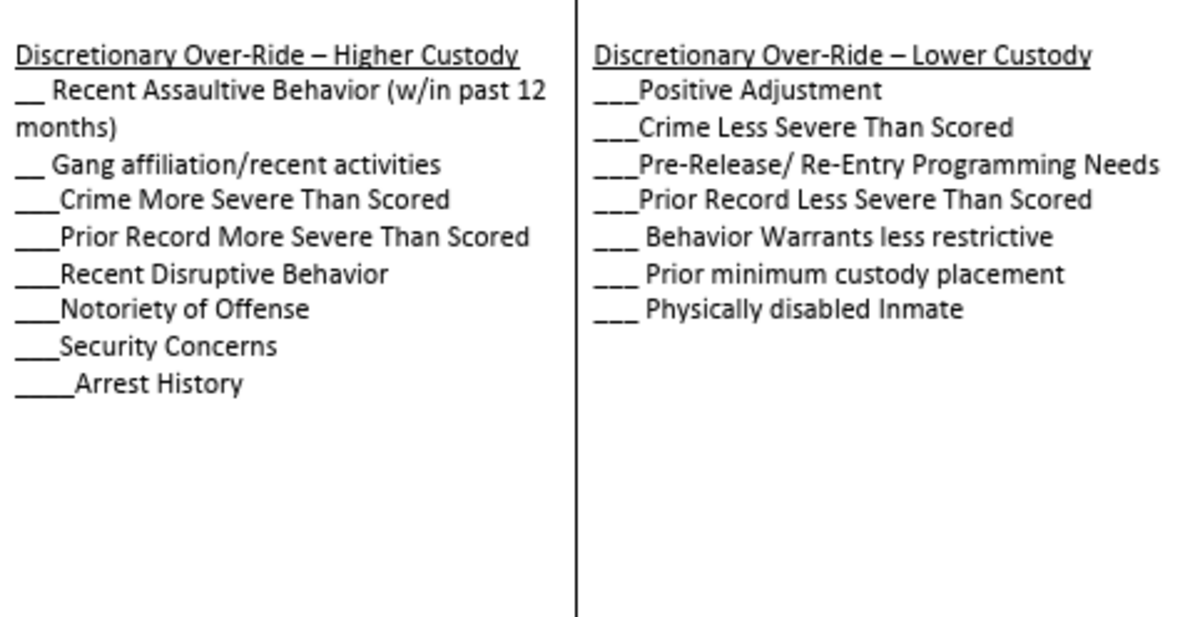
He was once misclassified for 18 months to a lower level of custody than he should have been. He was placed in “medium” instead of “close” custody, giving him more privileges and fewer restrictions involving work assignments, programs, visits, phone calls and canteen spending than violent prisoners should get.
He was reclassified in February 2024 but only after I learned of the problem and hounded prison officials. I believe the issues that contributed to the misclassification persist and that prison officials have not acted in a way that would protect other victims and their families.
When the South Carolina Department of Corrections didn’t address my broader concerns, I turned to the state Office of the Inspector General, the Governor’s Office and the state Senate’s Corrections and Penology Committee, seeking assurances all inmates were classified correctly.
I’ve spent months trying to get government agencies to take this issue seriously. I’ve been put off, ignored and told there was no way to help. I’ve been asked to provide more information, provided it and then told there are not any systematic issues to resolve at SCDC. I’ve basically learned more about how prisons in South Carolina operate than people who work inside them.
What I know now about inmate classifications is this:
1) SCDC gave my brother’s killer a lower custody level with greater privileges without my knowledge and didn’t apply a discretionary override to change it before I raised questions and concerns.
2) SCDC did eventually reclassify him after my complaints.
3) SCDC told me it would review how all of its classifications are applied.
4) SCDC has not shown me that any such review was diligently performed.
5) So far, no one else in the state’s bureaucracy has eased my concerns.
Therefore, I believe a review as I requested is needed to determine the facts and the magnitude of the problem. I believe my brother’s killer isn’t the only one to have been misclassified. I believe it’s probable that inmate misclassifications currently exist, and continue to occur. I do not believe that anyone really knows that none exist or are not continuing to occur.
Despite being unsuccessful in getting a resolution, I have not given up hope that the root causes of misclassification will be identified and properly addressed. There are additional options which I can pursue, but the state’s bureaucracy is proving to be strong, organized and unyielding.
Given how much time I’ve spent on this issue to date and that it may take even longer to achieve my ultimate goal, I feel it’s appropriate to make this problem known to the general public, particularly among anyone who may have been victimized by anyone in prison.
If anyone has a reason to be interested in the status of an SCDC inmate, I recommend that they regularly monitor the inmate’s status online, and follow up as needed to ask questions.
Based on my experience, it seems naive to think that SCDC does its job diligently and correctly all the time, and therefore, it’s wrong to think that frequent, close monitoring is not needed. It doesn’t seem right to ask this of victims’ loved ones, but we need to deal with today’s reality.
The most recent Legislative Audit Council audit of SCDC, done in 2019, resulted in 106 recommendations for improvement and found that a process of discretionary classification overrides was almost never used. It certainly wasn’t used to put my brother’s killer in his place.
SCDC should be known for quickly identifying or addressing problems. That isn’t the case now.
Chapter 12: From the rock bottom up
Jimmy MacPhee was in a cell next to Ben Case when they went through Columbia International University’s two-year program, which equips inmates with a Christ-centered education and empowers them to become missionaries and faith leaders in the South Carolina prison system.
A few months after completing the program, the parole board deemed Jimmy fit for release.
He went to death row for killing a man during an armed robbery when he was 20. That was 50 years ago. He is 70 now and after a change in the law and nearly 45 years in prison, he’s been out for more than five.
He’s married. He’s ordained as a minister. He founded On The Rock Ministries to transform prison culture. He puts 30,000-40,000 miles a year on his car driving around South Carolina.
“Redemption is real,” he says.
Jimmy was on death row for three years before being resentenced to life in prison.
He was told he’d never be paroled. Then after a period of time, that became possible, and hope did what only hope can. It took root and took to the heavens at the same time, becoming both a foundation and a fluttering balloon bound for blue sky.
“You can be built from the rock bottom up and it’s a pretty solid foundation,” he says now. “I promise you because that’s exactly what God built me from. Rock bottom up.”
He had 17 parole hearings over 35 years before being granted release after the 18th.
What changed? Personal responsibility.
Five years before his release, something shifted inside him.
He told the parole board, “Whatever your decision, I’m OK with it. I, at last, understand. I was never ready to leave prison until I was ready to stay.”
Like Ben, for whom knife fights were normal in his first years behind bars, Jimmy came to prison an angry, young man. But he didn’t just serve the time. The time served him. He left older and wiser. He left a man of God, helped by the word, any word.
“I like to say I have book salvation,” Jimmy tells me. “Good book, textbooks, any books. I read voraciously for all those years. I wanted to read in prison just to escape the circumstances. But as I read more, I realized I enjoyed the learning.”
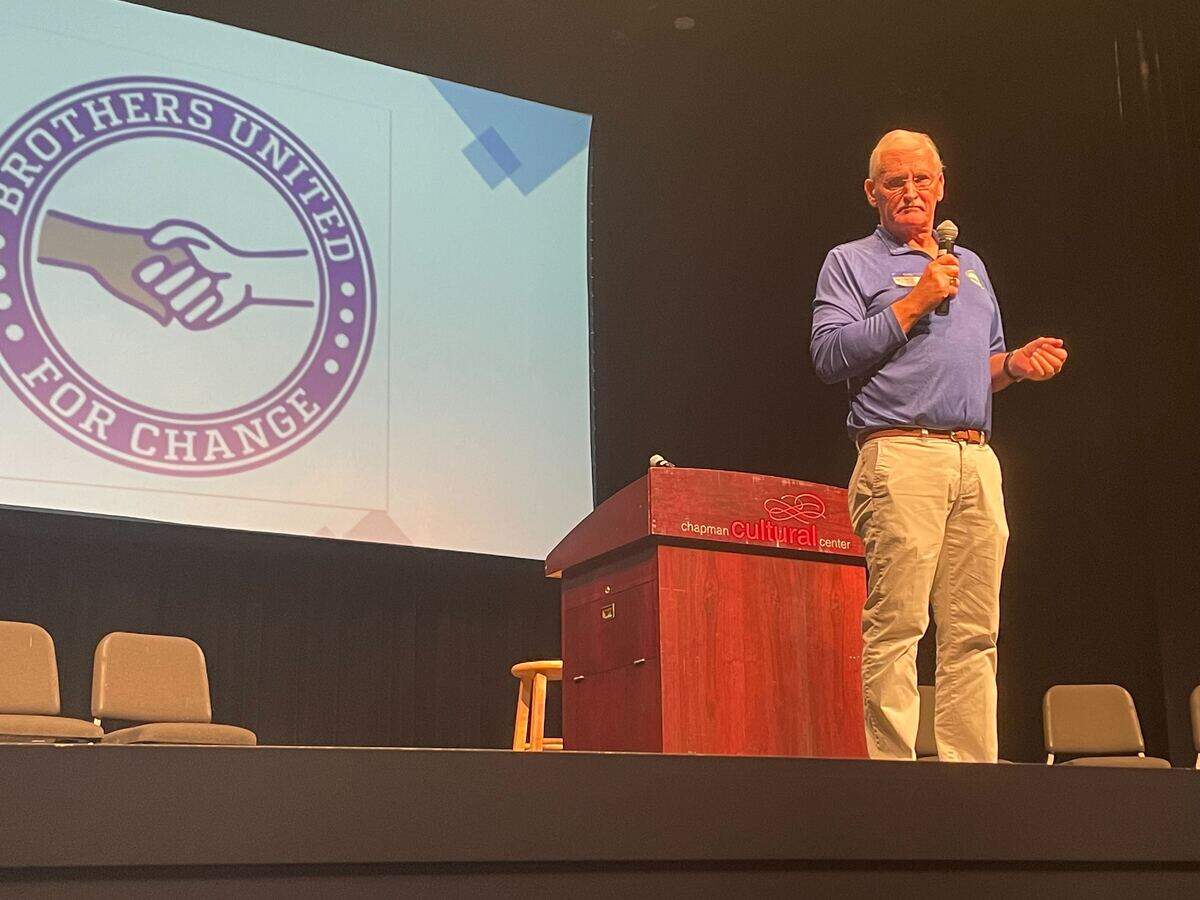
In August, he tells a gathering of the Spartanburg-based Brothers United For Change that, “I knew a lot about Jack Daniels and Jim Beam, but I didn’t know anything about John 3:16.”
Now he teaches others. He ministers. He shares his story with prisoners, community groups and youth groups as often as he can. He shares his mistakes so others won’t make them.
“The two most important days of your life are when you’re born and when God helps you figure out why,” he says. “Finding my purpose, it drove me to make a difference in other people’s lives.”
Now he tries to bring dignity and honor to the life of the man he killed and those whose lives he changed. It’s what gets him up each day, he said. That and his faith.
“Honoring God is what I do and what I’m most focused on, and I do that best by sharing his message with grace and mercy with those I meet along the way,” he says.
“Prison was about the pain, the punishment, the predicament,” he says. “But what it turned out to be was preparation for what I’m doing now, to continue to serve God.”
He says he found it “impossible to walk out of prison after 45 years and not look back.”
So he went back.
He let that door shut behind him again, knowing he could open it and walk out after he ministered to a group of 100 men in the chapel. The first time he returns, he sees Ben and he hugs him.
Ben can’t believe what he is seeing: Jimmy MacPhee in street clothes.
Chapter 13: My favorite class ever
Jimmy has met Ben’s parents and seen how he fits from afar into a growing number of lives. That list includes his family, his wife Rose Anna, USC criminology and criminal justice doctoral student Christina Plakas and dozens of her students last year and dozens more this semester.
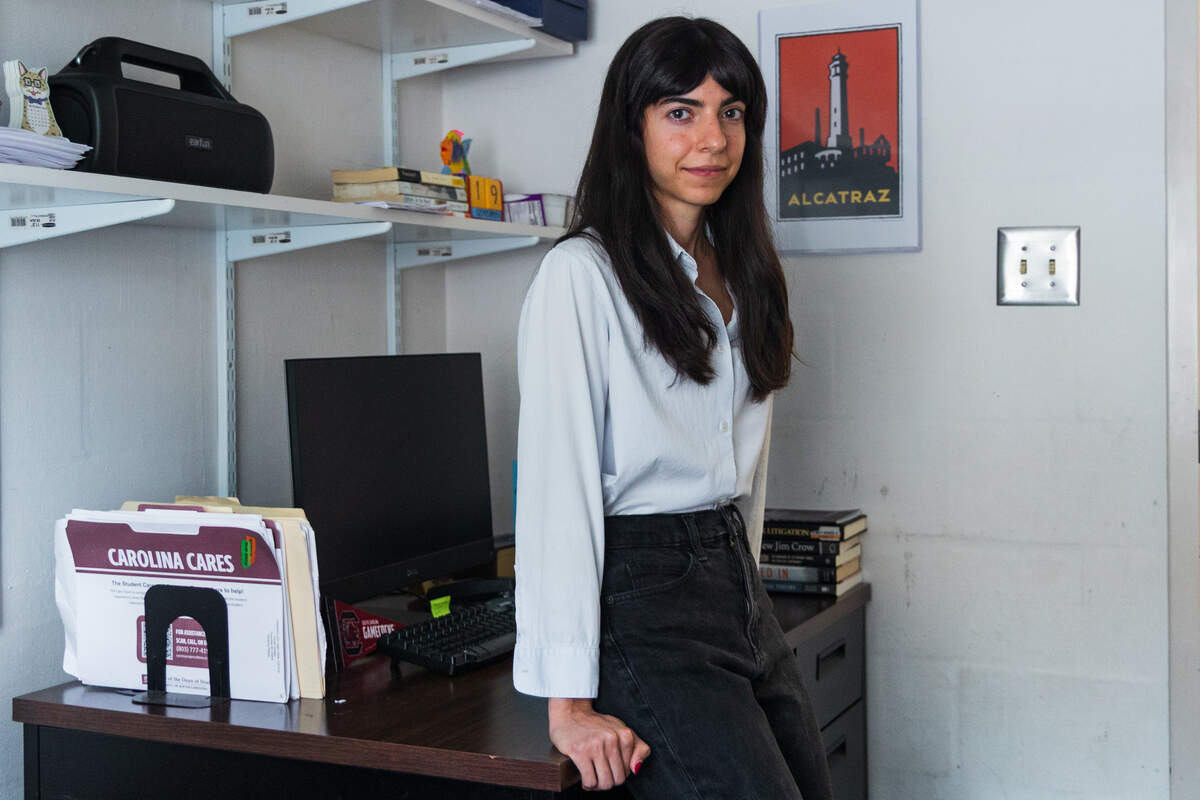
Rose Anna met Christina at a prison reform event on campus nearly two years ago. They talked about Ben, and Rose Anna later introduced them. Now, Christina teaches a corrections course with a prisoner she’s never met in person.
She refers to him as a prison correspondent.
He helps develop the curriculum. He lands guest speakers. He phones into the class often, his disembodied voice emerging from a speaker connected to Christina’s cellphone and echoing throughout the room. He leads discussions and fields students’ questions in class or ahead of time in writing so she can read them aloud.
He’ll answer almost any question but doesn’t talk about the details of his crimes out of respect for his victims and their families.
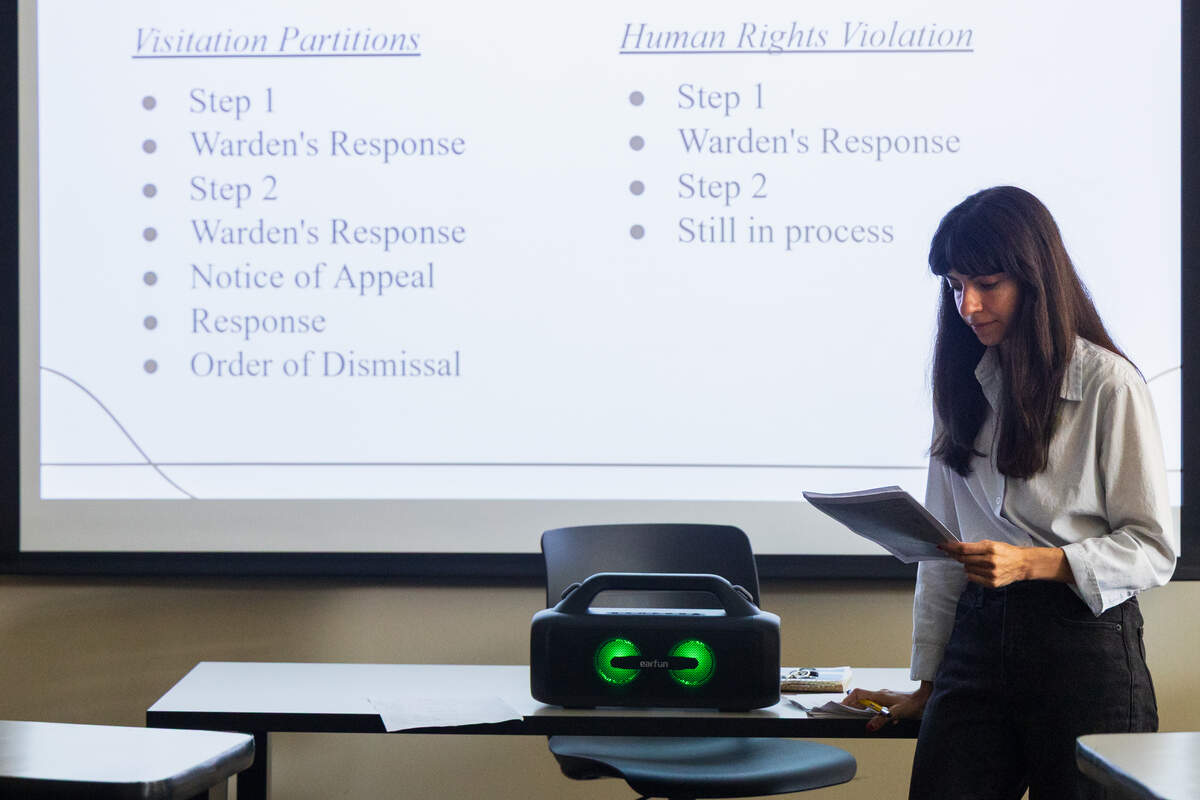
His perspective on prison life continues to resonate with criminal justice majors who took the class last school year.
“He’s always in the back of my mind,” said sophomore Lizzie Kruzinski. “I’m just, like, oh, I wonder how Ben’s doing.”
“I would love to meet him, too, one day,” said sophomore Lola Truong.
Both students called the unusual arrangement valuable to their studies and said it could be a model for colleges nationwide that would foster a more complete picture and better understanding of prison systems.
Ben calls in from a prison-provided tablet on which he is allowed to make limited calls each day for limited lengths of time. He lectures, offers anecdotes, enjoys the give-and-take with the students who still want to be tougher on crime.
“I think of him as like a friend, very motivational,” Christina tells me. “If I never met him, I really would not be happy here with teaching. I don’t think I would feel so fulfilled.”
At the end of the spring semester, Ben bought 50 handmade cards from a fellow inmate for $100 and sent one to Christina and each student in her class with a personal note.
For their last assignment, the students wrote back. Christina says she told the students that they could say anything, that they hated Ben or that they loved the class, anything. She read the notes before mailing them.

“I was crying reading them,” she tells me. “I didn’t expect so many students to say this was my favorite class ever.”
Ben keeps them now in his cell. His voice gets emotional when he reads them.
“You know, I light up looking at all these and reading them, man,” he says. “This is the fruit of my labor. This is what means something. This is my value. This is my proof that what I’m doing is worth something.”
This class has inspired me.
Truly motivated me to strive for a change.
I feel like you have taught me so much about a whole different world.
I want you to know that you have ignited a passion for improving the correctional system in me.
Your involvement in this class has changed my perspective on incarcerated individuals. I have learned that people can change, and I have learned about how much the criminal justice system needs to be changed.
Chapter 14: Set my feet upon a rock
Jimmy says Ben is “impacting the people around him all the time.”
“We all have a sphere of influence,” Jimmy says, ministering now. “We all within our limited space have that sphere of influence. What kind of message are you sending? Are you walking with respect for others? Are you pouring into the lives of others? Ultimately, it comes back to you.
“When you pour your life into others, it fills your cup up until you find yourself drinking out of the saucer.”
Willy and Lucy Case will always want Ben home. Rose Anna will, too. They hope against hope.
For now, students at USC will benefit from Ben’s input in their class. Prisoners and families of prisoners will benefit from his writing. And families of victims like the Hensons will benefit knowing men like Ben are behind bars.
So much pain surrounds all of them.
Just as nothing will ever return Thomas Boulware to Mack, nothing will bring Timothy Henson back.
But wouldn’t killing Ben for his crimes have left the world with one less messenger?
Ask Jimmy, another messenger, and he might tell you what he told me: “What Ben has shown repeatedly and continues to do, day in and day out, is have a reason to be a better man, learn from his mistakes and help share those lessons along the way.”
If lessons were easily learned, of course, we’d all be better students and better people. The world would have less crime, less need for punishment, less reason to kill killers, less reason to lament when officials aren’t following their rules as Mack Boulware believes.
Meanwhile, Jimmy MacPhee is proof that miracles do happen. His death in prison was the surest of sure things, a certainty, a given, the gospel truth. Until it wasn’t.
Jimmy closes his remarks to Brothers United for Change with the 40th Psalm.
The message is clear. His words — Jimmy’s words — matter. But His words matter more.
Preach. Teach. Reach.
“I waited patiently for the Lord; and he inclined unto me, and heard my cry.
“He brought me out of a horrible pit, out of the miry clay, and set my feet upon a rock, and established my steps, not my stomps, my steps, confident steps.”
Unsaid by Jimmy, the psalm continues: “Then said I, Lo, I come: in the volume of the book it is written of me, I delight to do thy will, O my God: yea, thy law is within my heart.”
And there it is.
We looked, and we found it, after all, an answer to a question we had not yet asked.
How do we make it to the next day and the next and the next when so much pain surrounds all of us?
We do so by understanding that God’s law can lift a heart, and man’s law can change it.
Maybe what we need is a change of heart. Maybe it’s as simple as that.
Look. Look again.
Whether it’s a single prison sentence or an entire prison system, a second look can’t hurt.
Matthew T. Hall is McClatchy’s South Carolina opinion editor. Email him at mhall@thestate.com.
This story was originally published October 29, 2025 at 5:00 AM.