
Editorial: SC lawmakers should mandate body cameras — and pay for them
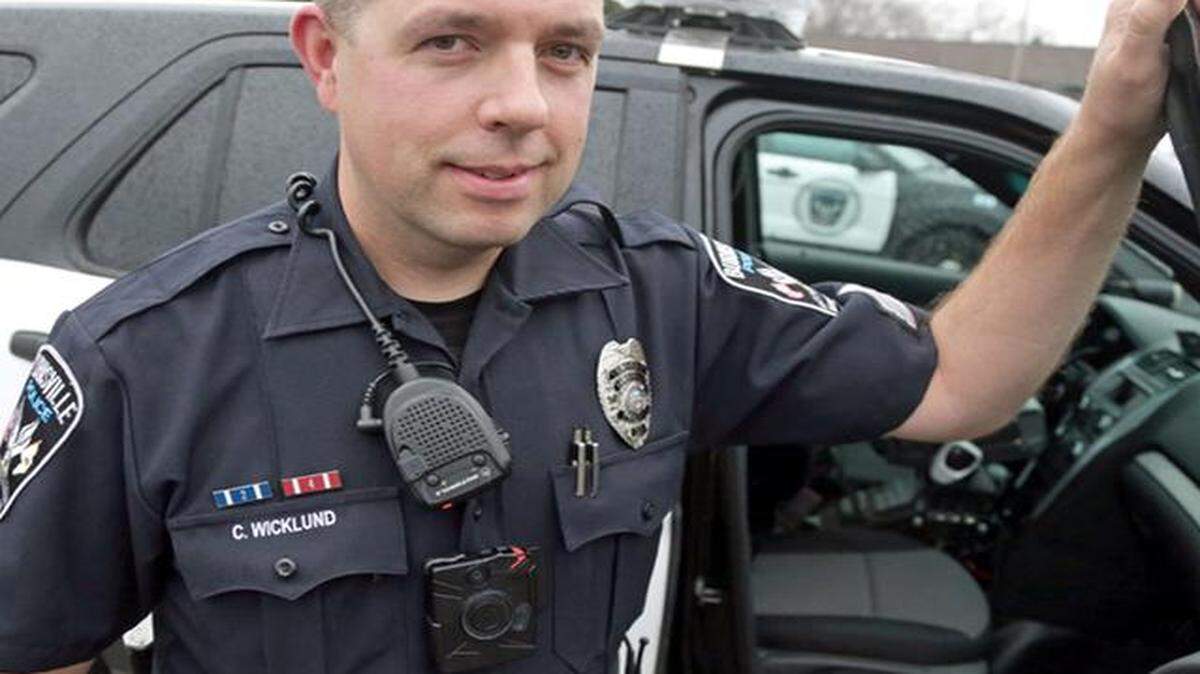
THE SICKENING circumstances surrounding Walter Scott’s senseless shooting death at the hands of a North Charleston police officer should end debate about whether law enforcement personnel need to wear body cameras. They absolutely should.
But a key question remains: How would S.C. cities and counties — some with hundreds of officers, others with puny budgets — pay for the equipment?
That’s a question lawmakers must answer as they take up a body-camera bill with renewed vigor in response to Mr. Scott’s death. Lawmakers have been considering the issue all year, and a Senate committee is expected to ratchet up its work this week.
Some local officials have understandably raised concerns about cost, which includes purchasing cameras as well as storing data. The Florence County Sheriff’s Department has said it would cost the agency more than $300,000 to outfit its officers and another $100,000 a year to maintain the data.
Not surprisingly, North Charleston, which began the process before the shooting, has ordered cameras for all its officers. The city of Columbia also has committed to cameras. But if lawmakers expect statewide use of body cameras, they should pay for it. It’s projected that it would cost $34 million for the program’s first two years.
All too often, lawmakers place mandates on local governments without providing necessary funding, while maintaining severe limits on local officials’ ability to generate revenue to pay for those services. They must not put undue burden on cities and counties to pay for this critical program.
Even as they debate how they will pay for the cameras, lawmakers must carefully consider the policy that will guide their use. Some argue that privacy concerns must be taken into account, since all the captured material would be subject to the Freedom of Information Act. But we believe any real privacy concerns would be minimal. The only potential problem area would arise during domestic disputes in private homes, an issue that deserves serious deliberation. But even then, there’s no need for a blanket secrecy provision.
Ultimately, there’s no reason body cameras shouldn’t be required.
The case for the cameras is pretty straightforward: They would protect both the public and law enforcement by providing a clear picture of what transpires during officers’ encounters with citizens. Chances are the public and officers will maintain a higher level of civility and decorum because they know the cameras are trained on them.
Having a recording of what occurs reduces our reliance on he-said, she-said reports. Opportunistic suspects would be less likely to file frivolous lawsuits, and rogue police officers would be less likely to cross the line or fabricate stories to cover up transgressions.
Had it not been for a bystander’s video of Mr. Scott’s tragic end, we might never have known that the officer’s initial account of what happened was untrue. The officer had said that Mr. Scott grabbed for his Taser during a scuffle and that, fearing for his life, he shot Mr. Scott. But the video shows Mr. Scott running away after being tased, only to have Officer Michael Slager fire eight shots in his direction, striking him repeatedly in the back.
For better or worse, this is the era we live in. The use of cameras and video has become a basic part not only of daily life, but also of policing — whether it’s cities such as Columbia using security cameras to monitor entertainment districts and neighborhoods or the state requiring dashboard camera footage in the prosecution of DUI cases or a bystander using his cellphone to capture the disturbing scene of an officer shooting a fleeing man in the back.
Given the circumstances, it’s difficult to imagine lawmakers refusing to mandate cameras — and pay for them.
This story was originally published April 13, 2015 at 5:00 PM.