
Criminal justice student: Do black deaths matter more than black lives?
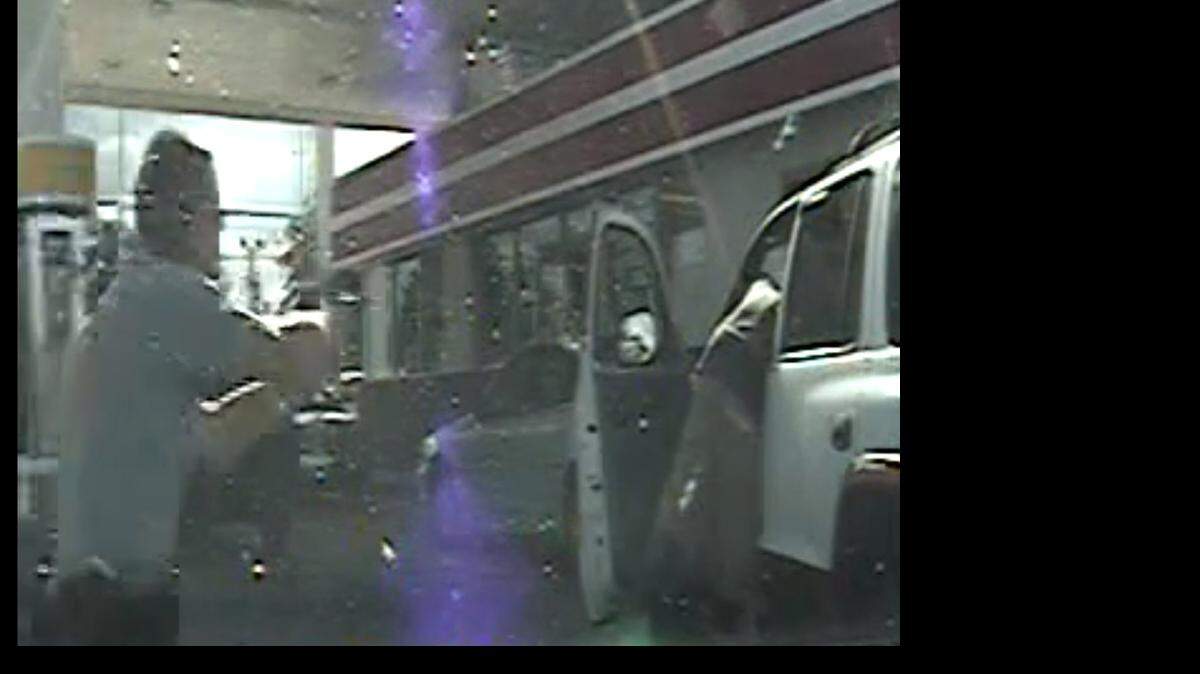
On Sept. 4, less than a month after Ferguson, S.C. Trooper Sean Groubert shot Levar Jones moments after pulling him over for a seat-belt violation. The shooting fit the narrative that was gaining momentum — “unarmed black male shot by white police officer” — and appeared clearly unjustifiable. But while the dash-cam footage went viral and the shooting made national news, the event received meager public scrutiny and media attention relative to use-of-force deaths that followed.
The Groubert shooting foreshadowed the extrajudicial execution, exactly seven months later, of Walter Scott by North Charleston Police Officer Michael Slager: Both appeared to be clearly unjustified, and in both cases the officers apparently tampered with evidence in an attempt to justify their malfeasance. The principal difference between the two shootings was that Jones did not die, as Scott did. And so Groubert’s case did not immediately engender a dialogue on law enforcement reform, as Slager’s did.
Are society and the media sending the message that we don’t need to confront a situation where injustice was done, where a gateway to reform was opened, without a death?
If police reform is at the forefront of what social-justice movements such as Black Lives Matter are advocating, we must compare the Slager shooting with the correct event: Groubert’s shooting of Jones. While law enforcement would contend that the Slager and Groubert shootings were fundamentally different than what happened in Ferguson, the synergy of the Groubert shooting should have carried much more weight for police-reform activists than later incidents that were less clear-cut (e.g. Tony Robinson).
America has been quick to anger over incidents where there has been a loss of life, but the intrinsic nature of a tragic event and the dynamics at play when law enforcement must make quick use-of-force decisions only raise frustration, complicate the social-justice cause and impede any resolution to the underlying problems. Sadly, just as we’ve continually overlooked the larger societal problems that lead individuals to lethal encounters with law enforcement (justified or not), it appears that we’ve also overlooked resolving the underlying law-enforcement problems for too long by not giving the Groubert shooting the attention it deserved.
Perhaps, if we had recognized that Black Lives Matter — and not just Black deaths — and acted on that recognition, both Walter Scott and Michael Slager would have made it home.
Jack Wagstaff
Charleston
Mr. Wagstaff is a senior at the College of Charleston whose research focuses a public-health approach to crime prevention and evidence-based law enforcement; learn more at jackwagstaff.com.