
Charleston & Greenville may rank nationally, but Columbia is state’s real hidden gem
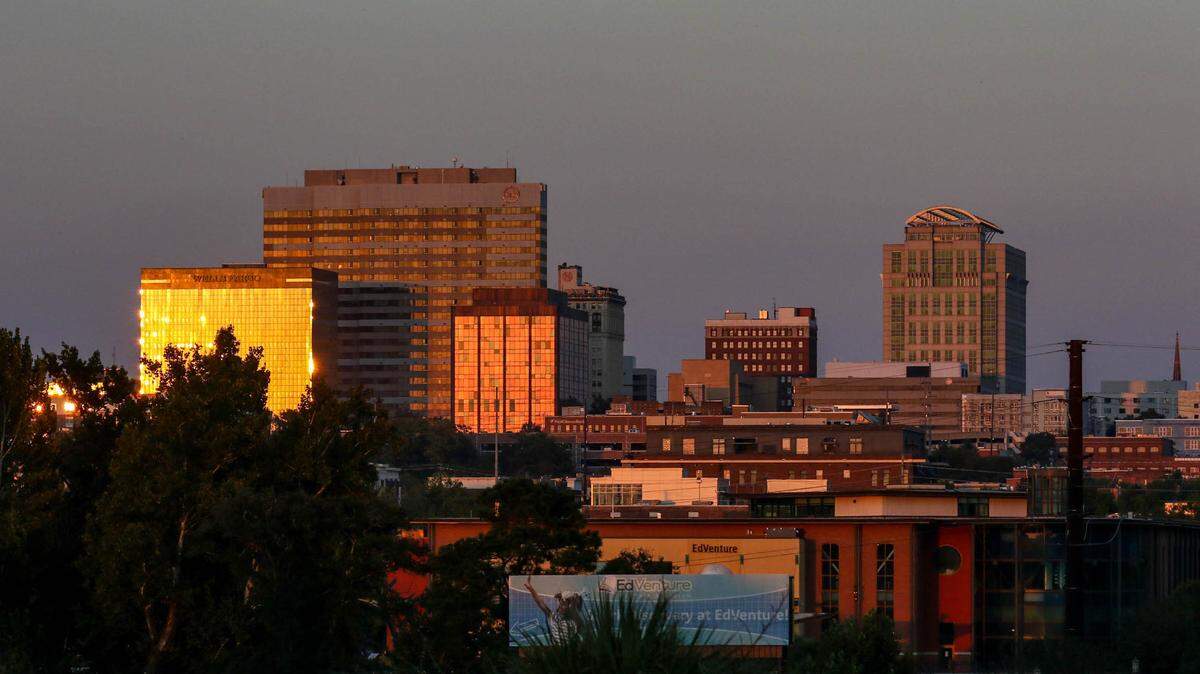
Hidden gem
Have those who lament Columbia being “behind” Charleston and Greenville lived in either of those cities?
I have lived in each of these three cities within the past six years. I grew up in and went to college in Charleston. I moved to Greenville last year for work. Before that I lived in Columbia for four years.
Charleston and Greenville have the looks, get the attention, and this seems to make some people in Columbia jealous. But with “Best of” lists comes unaffordable housing, more traffic, a loss of local population and culture. According to the Census, Charleston has lost black residents.
I love Columbia. It’s a great place to live. It’s hard to find a downtown neighborhood in Charleston or Greenville, like my old neighborhood Rosewood, that is still relatively affordable, safe, and diverse.
Columbia has the benefits of a big city without the drawbacks. When a friend from Charleston (by way of Ohio) came to visit, we went to the Pride parade. She was astounded we didn’t sit in traffic and the event wasn’t a mob.
Columbia is a gem. Avoid the “Best of” lists. Grow for the people already there, not for the people who come later.
Claire Hall, Greenville
RTOs too risky
This summer, an S. C. legislative committee began exploring the implications and consequences of whether South Carolina should join a Regional Transmission Organization (RTO), thus changing the way our state provides electricity to its citizens. My hope is that they will work objectively without being swayed by those with vested interests.
I think that joining an RTO will be a huge risk without any guaranteed reward. Data suggests that states that join RTOs experience less reliable and less affordable energy, and can lose control over their state-specific energy policies.
The financial and safety implications are all too real. The Wall Street Journal reports that Texans paid tens of millions more in electric bills due to Texas’ experiment with electric market changes.
Thousands of Texans were left without electricity in the midst of numbing cold, unable to provide for their families. Why bring that risk to South Carolina? Our energy system in South Carolina works.
We should be most concerned about reliability and cost of electricity for South Carolinians. It would be a shame to risk rates, reliability, and cleanliness of our energy while giving up autonomy to an out of town, out of state, and out of touch entity.
Will Unthank, West Columbia
Third lane autobahn?
When South Carolina decided to make the new law about the “third-lane rule” on the interstates, did they also declare unlimited speeds in that lane?
Seems to me that we now have an “autobahn” on our interstates!
I have noticed an increase in speeds among those using that lane. Does any law enforcement monitor these speeds?
I have yet to see an increase in law enforcement on these roads to curb the speeders in the third lane. And heaven help you if you get in the way of these speeders. They will tailgate you until you get out of their way. Accidents waiting to happen right there.
Wilma Fredricks, St. Matthews
Regulate cannabis
Medical experts long ago acknowledged that cannabis can be useful in treating post-traumatic stress disorder (PTSD) as well as other mental health issues that strike particularly hard among military veterans.
Our vets need to know that their access to cannabis, via interstate commerce, will be protected if their home state has legalized cannabis sales within its borders.
This is one reason why some form of nationwide regulation is needed for cannabis, even short of national legalization.
Over the past few decades, we’ve successfully regulated drugs like tobacco and alcohol at the federal level, even while allowing states to maintain some control. We can do the same with cannabis.
The Cannabis Administration and Opportunity Act that was put forth in the U.S. Senate would help accomplish this. To this effect, I ask that our senators, Tim Scott and Lindsey Graham, collaborate with their fellow senators on this legislation. The current state-by-state patchwork of cannabis laws is confusing and unfair — especially for people trying to address mental health issues, brought on by service to their country.
Anthony Maynard, Blythewood