
Reader disturbed state failed to address deeper issues when revising execution policy
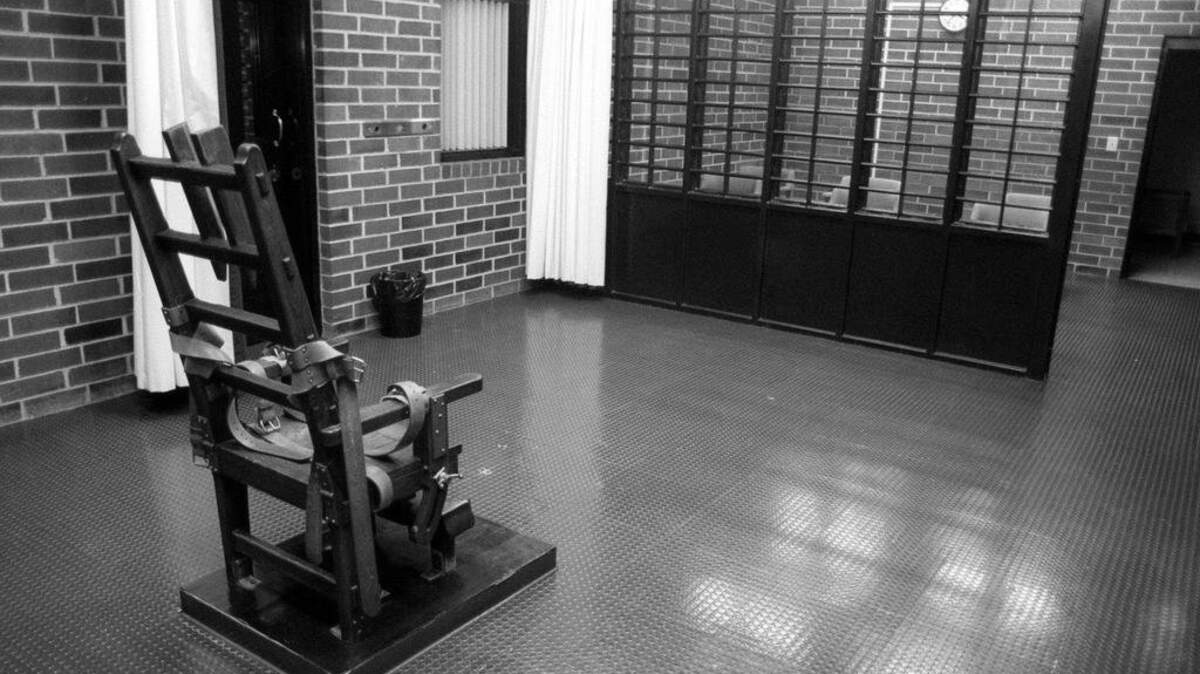
God help us
Like many in South Carolina, I am distressed and appalled that our legislature has been fiddling over the details of executing a human being, the same legislature whose majority takes a moral stand against a woman needing to stop a pregnancy.
Supreme Court Justice Kaye Hearn made a convincing dissent over the scheduled execution of Richard Moore, describing a miscarriage of justice in this particular case. And now the Roman Catholic Diocese of Charleston has called it what it is: “modern-day barbarism.”
I am deeply ashamed that South Carolina rises to the unenlightened challenge of who can do it best. Shall we electrocute them, or shoot them?
It’s much easier to dispose of convicted human beings than to make sure all human beings in South Carolina have affordable housing, access to healthy food, a good education and health care so as to lead productive lives.
God help the souls of the executioners, and of us all, as we create and execute policy.
Katherine Wyly Mille, Columbia
Disappointing vote
Every decent citizen of our state is or should be disappointed in our senators for opposing the confirmation of Justice Brown Jackson.
For Senator Graham it was just another genuflect to Trump and display of his churlish lack of manners and civility, but for Senator Scott, it was a surrender to political pressure causing him to abandon his principles. Senator Scott in my judgment will be haunted by this vote for the rest of his life.
Joel W Collins Jr., Columbia
Investigate road plan
For decades, Black South Carolinians have suffered from infrastructure projects that have destroyed our communities and prevented our ability to accrue wealth. Despite the federal government’s recent commitment to rectifying past harms, South Carolina seems ready to repeat these wrongs.
In North Charleston, for instance, the Dept. of Transportation (DOT) is moving forward with the expansion of an I-26 interchange, and the displacement effects will be felt almost entirely by Black and Brown residents.
Highway and road construction is disrupting rural Black communities too. In Conway, the DOT is preparing to build a road that will disproportionately displace elderly Black residents from land they grew up on and that was inherited from their ancestors. Rather than protect the land and rights of these Black residents, South Carolina instead pursues plans designed to benefit tourists, newcomers, and businesses.
The South Carolina NAACP will combat these injustices by using all available legal tools, supporting community organizers, and encouraging Black residents across the state to continue their fight against racial inequity. In this spirit, our State Conference of branches of the NAACP has filed a complaint with the Federal Highway Administration requesting that they investigate the Conway road and its disproportionate impact on the Black community.
Brenda Murphy, Columbia
Zoning law concern
In November, 2021, Richland County Council adopted a new zoning law, the Land Development Code (LDC), which will become effective in July. It specifies permitted and prohibited uses for all types of land in Richland County.
LDC is of special significance to residential property owners. A concern of the new law is that it may reduce protections provided under the old law, specifically as it relates to multifamily dwellings (two to four families) and mobile homes (“manufactured housing”).
All county residents, particularly owners of conventional, detached single family homes, should investigate how LDC affects them. They should find out what LDC allows to be done across the street from them, or elsewhere in and near existing subdivisions, which could impact their neighborhood and the equity in their home.
Affected owners should participate in the final stages of implementing LDC, and should express their concerns to their county council representatives.
“Progress”, “growth” and “modernization” should be considered, but county residents’ quality of life and the value of their homes must always be protected. Financial interests of land developers, and procedural convenience of county administrators should not be controlling factors.
LDC will be discussed at council’s April 26 meeting at 7 p.m.
Mark L Hershberger, Columbia