DHEC has no COVID-19 vaccine service for homebound seniors, raising concerns
Update: The S.C. Department of Health and Environmental Control on Feb. 25 announced a new partnership with Agape Care Group to offer COVID-19 vaccines to homebound seniors in Jasper and Hampton counties as part of a pilot program. DHEC on June 2 expanded the initiative to all 46 counties in the state.
South Carolina has no statewide service to help bring COVID-19 vaccines to homebound seniors, even if they’re already eligible for inoculation because of their age.
One of the state’s top health officials acknowledged the issue Monday during a briefing with reporters.
Dr. Michael Kacka, a S.C. Department of Health and Environmental Control physician and chief medical officer for COVID-19, said DHEC is “working with community partners” to develop a plan that will address the matter. The Island Packet and Beaufort Gazette asked DHEC about the subject last Friday.
Laura Renwick, an agency spokeswoman, in a statement Wednesday wrote that DHEC is collaborating with the S.C. Department on Aging and others to finalize its plan by the end of February.
Thousands of elderly residents in S.C. nursing homes and assisted living facilities have been vaccinated through a federal program. But that initiative doesn’t cover bedridden seniors living at home who now qualify for inoculation during the state’s earliest stage of distribution, which is called Phase 1a. South Carolina is allowing people 65 or older to receive shots during Phase 1a, among other groups.
Jim Brown, a Beaufort lawyer, is growing frustrated with DHEC’s handling of the situation.
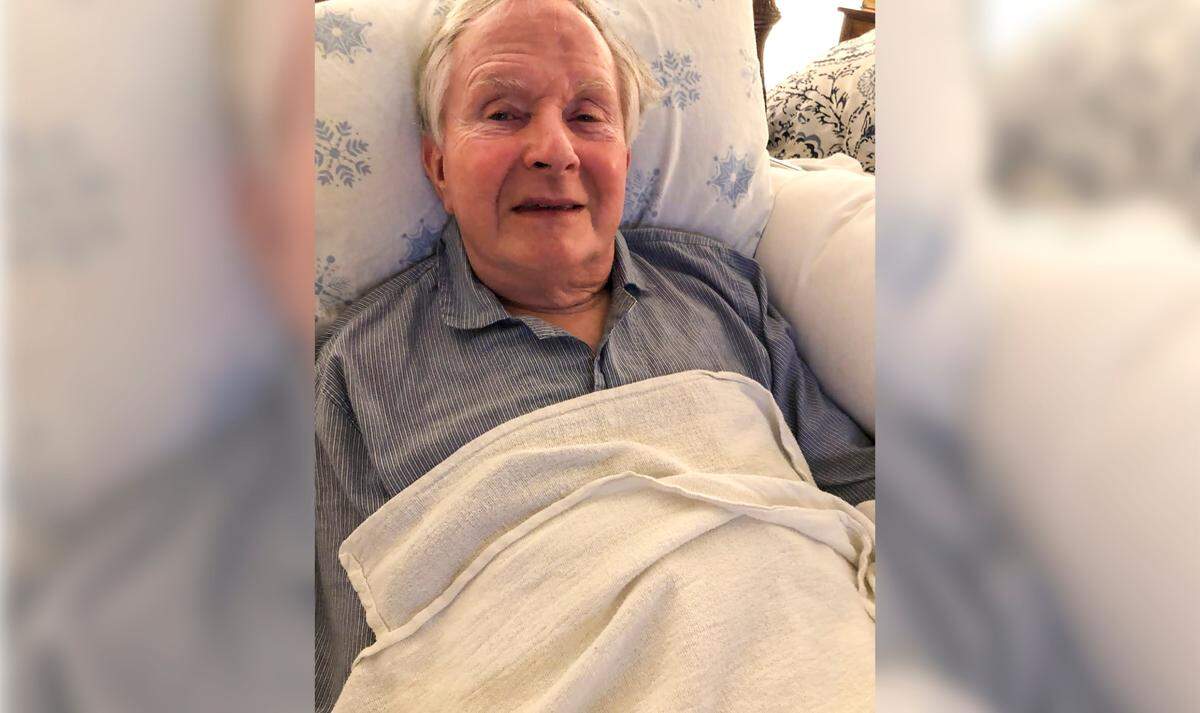
Brown’s 78-year-old father, James A. Brown, while eligible to be vaccinated in Phase 1a, can’t leave his home on Lady’s Island to visit a vaccine clinic, his son said.
The elder Brown is a late-stage Alzheimer’s patient, according to his son. A hospice provider and James A. Brown’s wife, Patricia, who was recently vaccinated, take care of him.
His son added that James A. Brown has left his house only twice since a near-fatal bout with meningoencephalitis in August 2019. He was transported by ambulance both times — once to evacuate the area before Hurricane Dorian swept along the coast in 2019 and once for a hospital stay unrelated to the coronavirus in 2020.
“He is immobile and takes two people to just stand up to be changed or bathed,” Brown wrote in a Jan. 12 email to Beaufort Memorial Hospital. “He cannot speak or recognize people.”
Brown has been trying to get his father vaccinated since mid-January and has contacted DHEC officials to discuss his concerns, arguing that the Palmetto State must find a way to inoculate homebound S.C. seniors to comply with the Americans with Disabilities Act, according to emails obtained by The Island Packet and Beaufort Gazette. The ADA prohibits discrimination based on disability.
Brown spoke with Dr. Linda Bell, the state’s top epidemiologist, about his father during a Feb. 2 phone call, emails show.
“I have been unable to locate any accommodations for this disability to allow his participation in the vaccination program,” Brown wrote in a follow-up email to Bell on Feb. 3.
Renwick didn’t offer a comment Wednesday when asked about Brown’s ADA remarks.
Under the ADA, if a state or local government provides services or benefits that are inaccessible to people with disabilities, it has to make “reasonable modifications to usual policies, practices and procedures to make sure that people with disabilities have equal access to them,” said Jonathan Martinis, senior director for law and policy at the Burton Blatt Institute, a disability rights organization at Syracuse University.
“While I don’t know this person and I can’t tell you about him,” Martinis said of James A. Brown, “people with disabilities should have, and by law have the right to have, equal access to government services and benefits.”
There are likely millions of homebound seniors struggling to be vaccinated in the United States, Martinis said.
“We have the choice of helping them or letting them die, and that’s not being overdramatic,” he said.
S.C. seniors are at a high risk of serious coronavirus complications, DHEC data show.
Almost 82% of COVID-19 deaths recorded in South Carolina since last March have been among people 65 or older, the agency reported on Feb. 3. And roughly 68% of coronavirus hospitalizations as of Tuesday had been among people 61 and up.
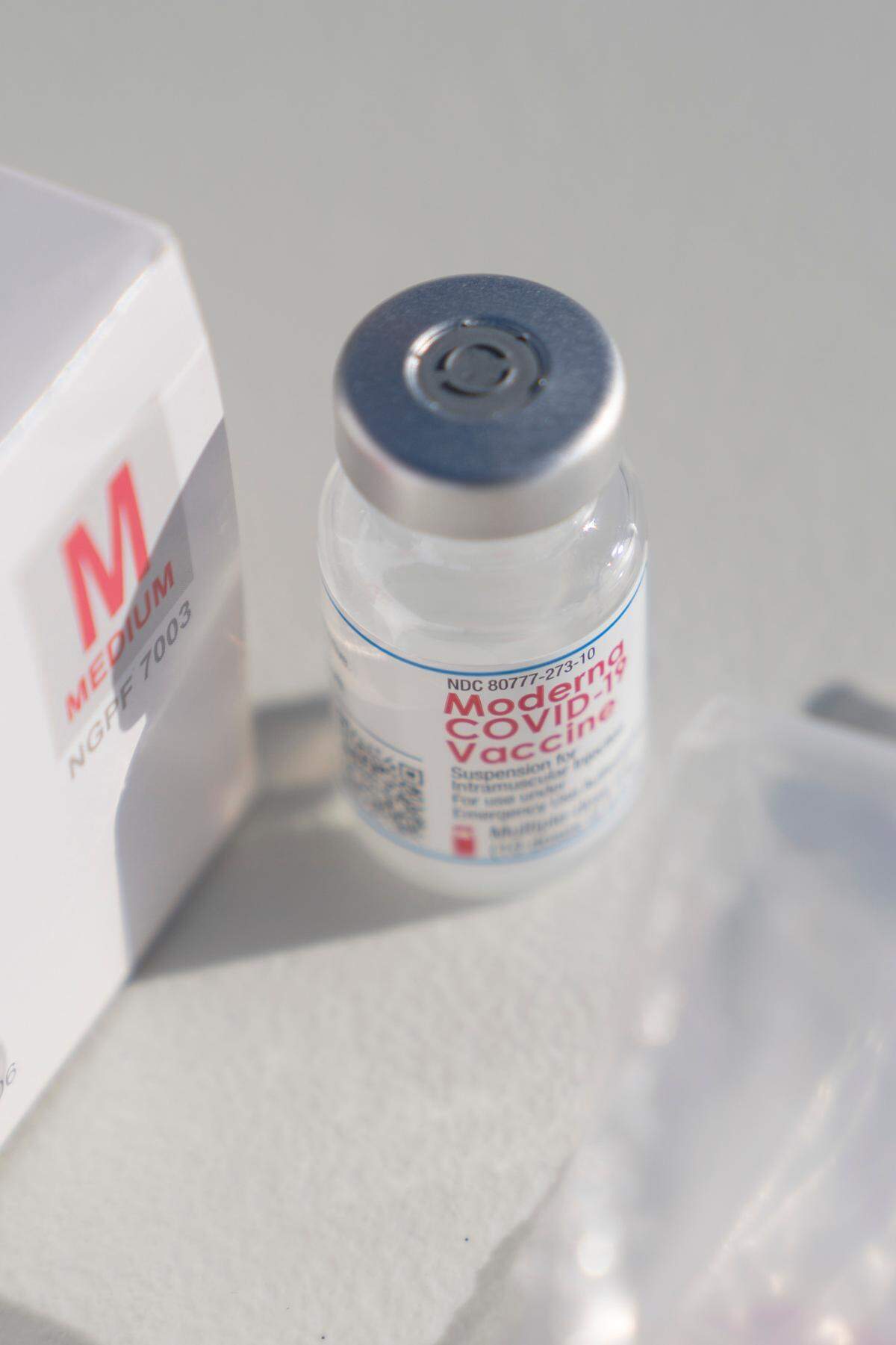
Yet vaccinating homebound seniors may be complicated by the stringent cold chain requirements and distribution logistics for both the Pfizer-BioNTech and Moderna vaccines. Pfizer’s product is shipped at ultra-cold temperatures in minimum orders of 975 doses. The Moderna vaccine is delivered frozen at -25 to -15 degrees Celsius in boxes that contain 100 doses.
Rebecca Williams, information specialist at the Southeast ADA Center, said health departments around the country are grappling with the issue.
A few states have recently started to roll out vaccine initiatives to assist homebound seniors, but others have not.
Florida Gov. Ron DeSantis announced last Thursday that the Sunshine State would set aside 1,500 doses for a pilot program to inoculate elderly homebound residents.
“We tried to get the vaccines out to folks in a convenient way, but not everyone can go to a drive-thru site. Not everyone can go to the hospital,” DeSantis said at a news conference. “We thought it was important to fill a niche.”
“Strike teams” made up of local fire and EMS employees, State Emergency Response Team members and ambulance contractors will deliver the vaccines, according to Samantha Bequer, a spokeswoman for the Florida Division of Emergency Management. Future allocations to the program depend on vaccine supply.
Vermont also launched a similar initiative this month to initially offer vaccines to about 2,000 homebound residents.
The Palmetto State, though, has yet to do so. A Department on Aging database estimates that roughly “11,000 homebound individuals” are in the state, Renwick wrote.
Joseph Meyers, a spokesman for AARP South Carolina, said the nonprofit believes eligible seniors “should definitely be afforded a way to get the vaccine.” It’s also crucial for home health care workers to be inoculated, he said. (DHEC has included those caregivers in Phase 1a.)
And while it’s good to hear that DHEC’s now working on a plan to vaccinate homebound seniors, Brown said he’s still disappointed it took the agency so long to handle the problem.
DHEC’s Vaccine Advisory Committee, which has offered recommendations on who to prioritize during the state’s distribution plan, began to regularly meet on Sept. 30.
That was more than 130 days ago.
This story was originally published February 11, 2021 at 4:50 AM with the headline "DHEC has no COVID-19 vaccine service for homebound seniors, raising concerns."