Clemson is taking these next steps as NIL 2.0 becomes a reality in the state SC
Colleges asked.
Lawmakers delivered.
Now, as a result, “schools in South Carolina are going to have the same abilities to interact with our student-athletes in the name, image and likeness space as we’re seeing across the country from an industry standard,” Clemson athletic department spokesperson Jeff Kallin said.
That’s how Kallin views South Carolina legislators’ willingness to “listen to what the competitive landscape is dictating” over the last year and, ultimately, vote in March to suspend the state’s current NIL law starting in July and remove various guardrails surrounding endorsement deals.
The suspension of Bill 685 went into effect Friday and rendered moot a number of initial restrictions placed on state colleges and athletes during the first year of NCAA-permitted NIL.
Here’s a closer look at how Friday’s news affects Clemson athletics.
What’s changing?
South Carolina’s previous law banned institutions from “directly or indirectly” creating or facilitating NIL opportunities for their athletes.
With that restriction lifted, Clemson and other schools can play a more active role in NIL deals — with compliance in mind, though, as national NCAA guidance against pay-for-play setups and recruiting inducements still apply to all schools (with … mixed results).
The state’s previous law also barred athletes from using their school’s facilities, uniforms, logos and other trademarks in most NIL-specific circumstances.
Clemson, like all colleges, has long used a formal licensing process to review and ultimately approve or decline a company’s request to use their trademarks commercially. Since last year, it’s also had a process in place to approve limited use of trademarks by athletes.
Now that Clemson athletes are free to broadly pursue that NIL-specific usage under state law, the school will set up a licensing process for them similar to the one companies follow.
The suspension of the NIL law for the next 365 days “makes things a little bit clearer and more straightforward for the athlete in terms of how they’re able to go about that,” Kallin said.
Co-branded content
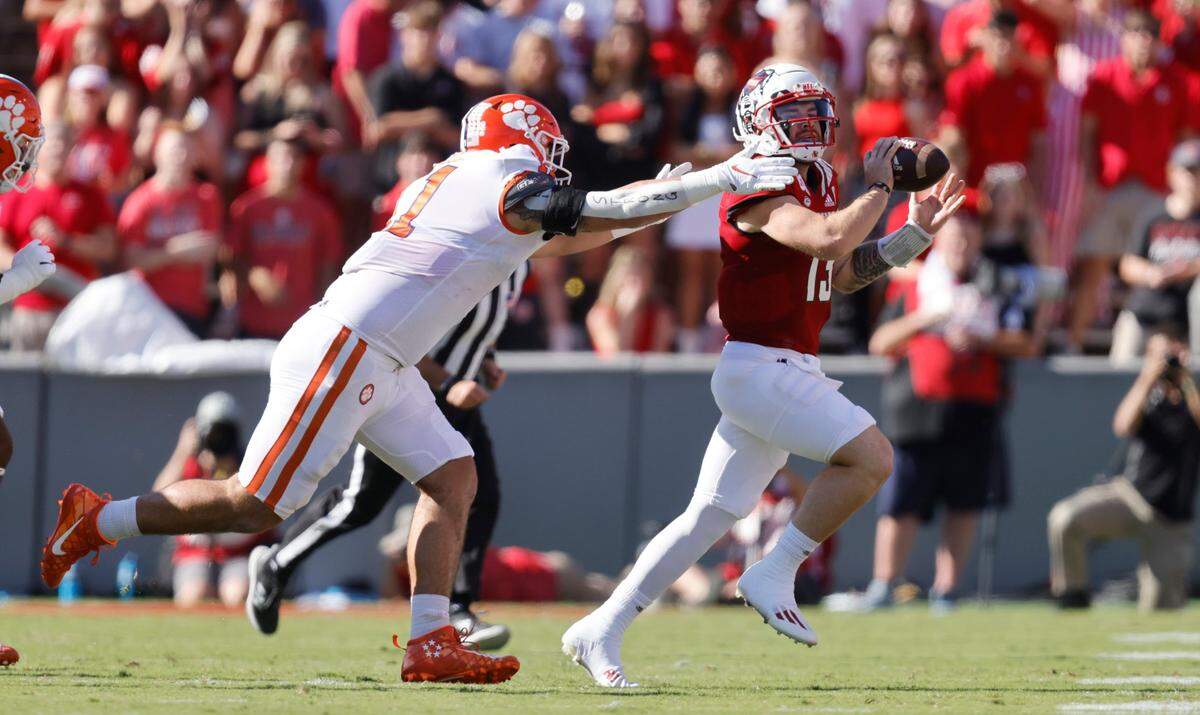
Friday’s changes may also prompt an uptick in co-branded content, in which athletes and institutions can benefit off their name, image and likeness in tandem.
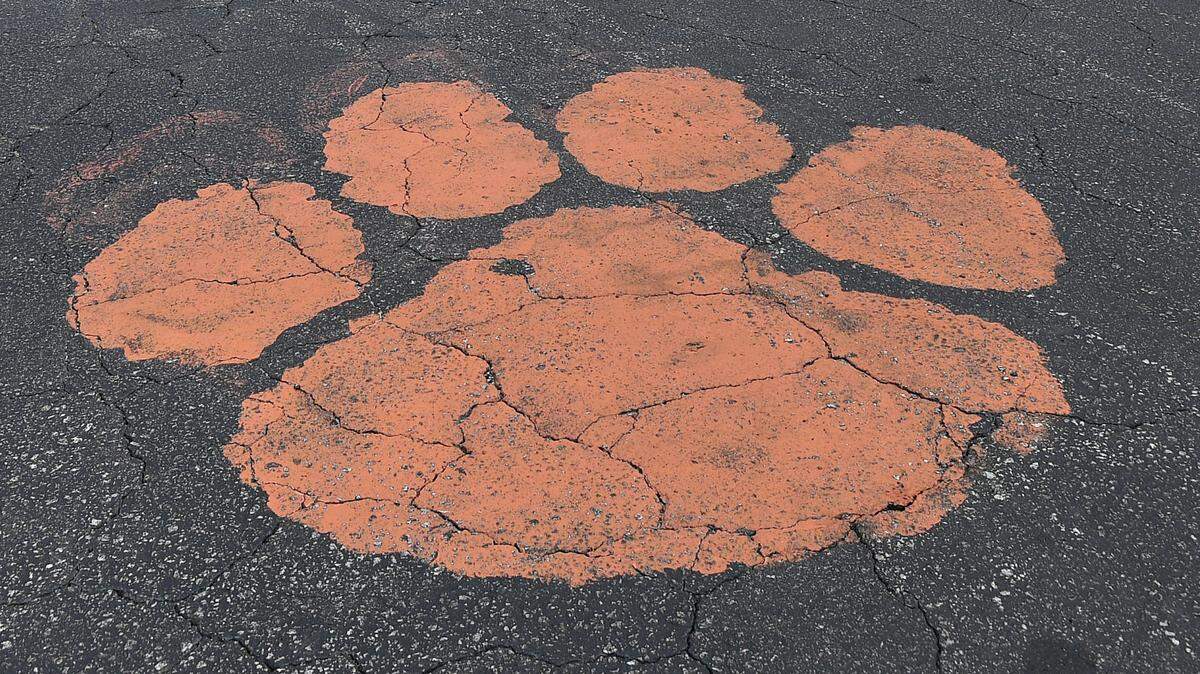
The simplest example is merchandise. For example, if an athlete wanted to design a T-shirt featuring their name, image and likeness and Clemson’s tiger paw logo, that’s now easier to pull off, pending a simplified licensing review process.
The same goes for a Nike jersey featuring an athlete’s last name and Clemson logos, or inclusion within EA Sports’ forthcoming and much-hyped college football video game (pegged for a summer 2023 release). Both parties participate; both get a cut.
Reign initiative
Clemson on April 8 announced Reign, a wide-ranging project branded by director of athletics Graham Neff as the “next generation” of the Tigers’ name, image and likeness programming.
Reign, announced three weeks after South Carolina voted to suspend the state’s NIL law in July, will become Clemson’s main – and unquestionably flashy – avenue for NIL exploration.
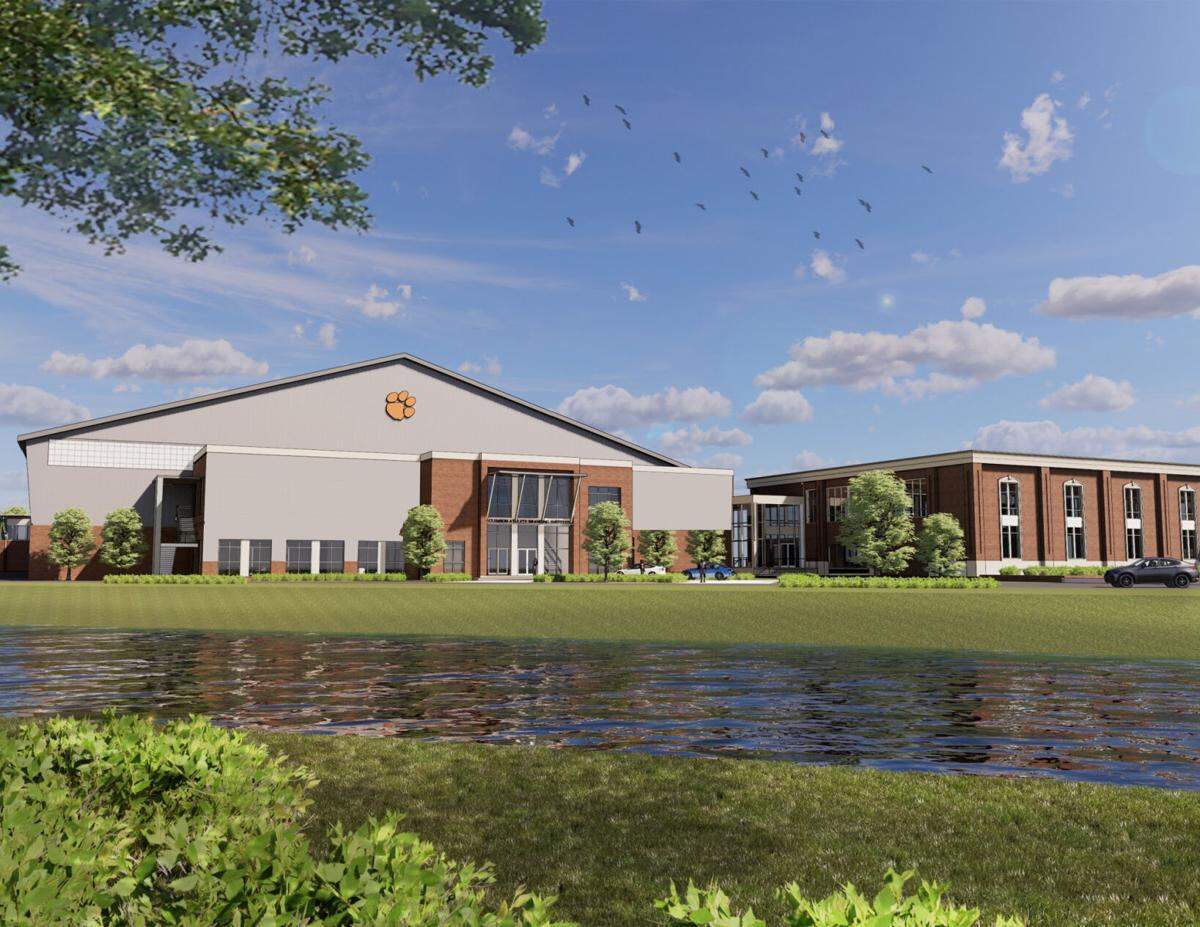
Most notably, Clemson, per its release, will become the nation’s first athletics department to “construct a space dedicated to the development of NIL activity”: the Clemson Athletics Branding Institute, which will be adjacent to the school’s Poe Indoor Football Complex. It’s under construction and expected to be completed in late 2022.
Among the highlights of the 12,000-square foot complex: photo studios, video studios, an audio suite, multipurpose office spaces and media training areas.
As part of Reign, Clemson is also ramping up internal staffing for NIlL and increasing its external partnerships in “highly specialized areas” such as entrepreneurship (Spiro Institute), apparel (Fanatics) and social media content and value (Opendorse).
NIL collectives
This spring saw not only the announcement of Reign, but the creation of multiple Clemson NIL collectives, which operate independently of the school but will also benefit from a more deregulated atmosphere statewide.
TigerImpact, announced in April, is taking a philanthropic approach with Bobby Couch, a former director of major gifts at IPTAY, the Clemson athletics fundraising arm, as its executive director.
Through $5 million in committed donations, TigerImpact has funded nearly 30 marketing contracts that pair Clemson athletes with charities of their choice. From there, athletes act as an influencer and promoter on behalf of a cause.
In June, the Players’ Lounge, another NIL collective, signed 12 current football players to the Palmetto Cat Crew, an online-focused platform connecting athletes with fans via NFTs, exclusive message boards and in-person events.
A third collective, Dear Old Clemson, was established in April with a primary focus on athletes making paid, in-person appearances at local businesses.
This story was originally published July 1, 2022 at 5:00 AM.