At long last: Clemson announces it will begin selling alcohol at athletic events
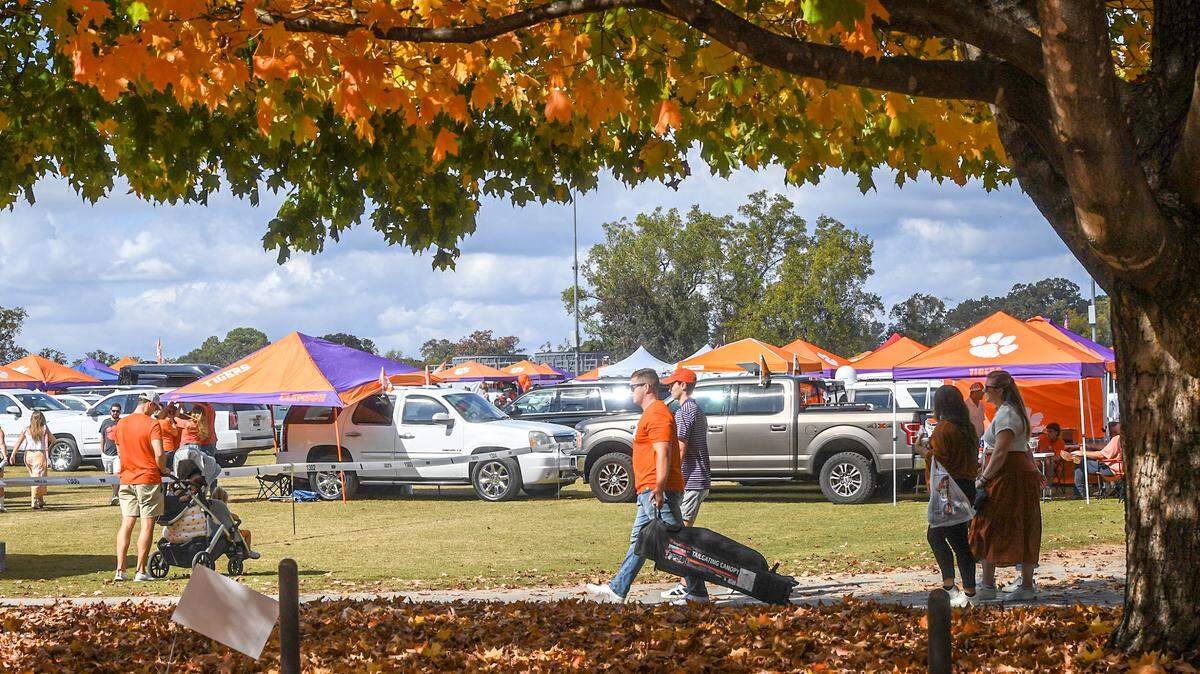
Clemson fans can start buying alcohol at home athletic events.
And no, it’s not an April Fool’s joke.
The school announced on Tuesday that alcoholic beverages will be available for purchase at designated Aramark concession stands and kiosks at Clemson athletics events, starting with Saturday’s spring football game at Memorial Stadium.
This will be the first time ever Clemson has sold alcohol at sporting events.
Alcohol sales will be available at softball games (McWhorter Stadium) and baseball games (Doug Kingsmore Stadium) beginning the week of April 7.
The news also encompasses Littlejohn Coliseum, home of Clemson men’s and women’s basketball games, but those sports are out of season until the fall.
For Saturday’s spring football game, there will be “limited offerings” via portable kiosks and other vendors. The spring game is set for 1 p.m. in Death Valley.
“We are excited to continue to expand concessions offerings and roll out this important change to our gameday experience, and we want to be thoughtful in doing so,” Clemson athletic director Graham Neff said in a news release. “We have appreciated the support from several key groups to begin a safe implementation that is both fan-friendly and family-friendly. We will continue to evaluate the impacts and adapt our offerings and policies to meet the needs of our fans.”
Neff had said in August 2024 that the school was considering adding alcohol sales to athletic events, a significant public pivot from the school’s previous stance.
As of 2025, Clemson was one one of just three Power Four schools nationally that neither offered alcoholic beverages in athletic venues nor accepted sponsorship revenue from alcoholic beverage advertisers.
Clemson was also the only school in the ACC, SEC or Big Ten to not do it.
The only other P4 schools in that category were Brigham Young and the University of Utah, both of which are located in a state where roughly 55% of residents belong to The Church of Jesus Christ of Latter-day Saints (Mormonism).
Mormons are advised against drinking alcohol. Utah is a dry campus, and BYU, which is affiliated with the church, bans the consumption of alcohol, coffee and tea on campus, though other caffeinated drinks outside of coffee and tea are allowed.
Getting with the times
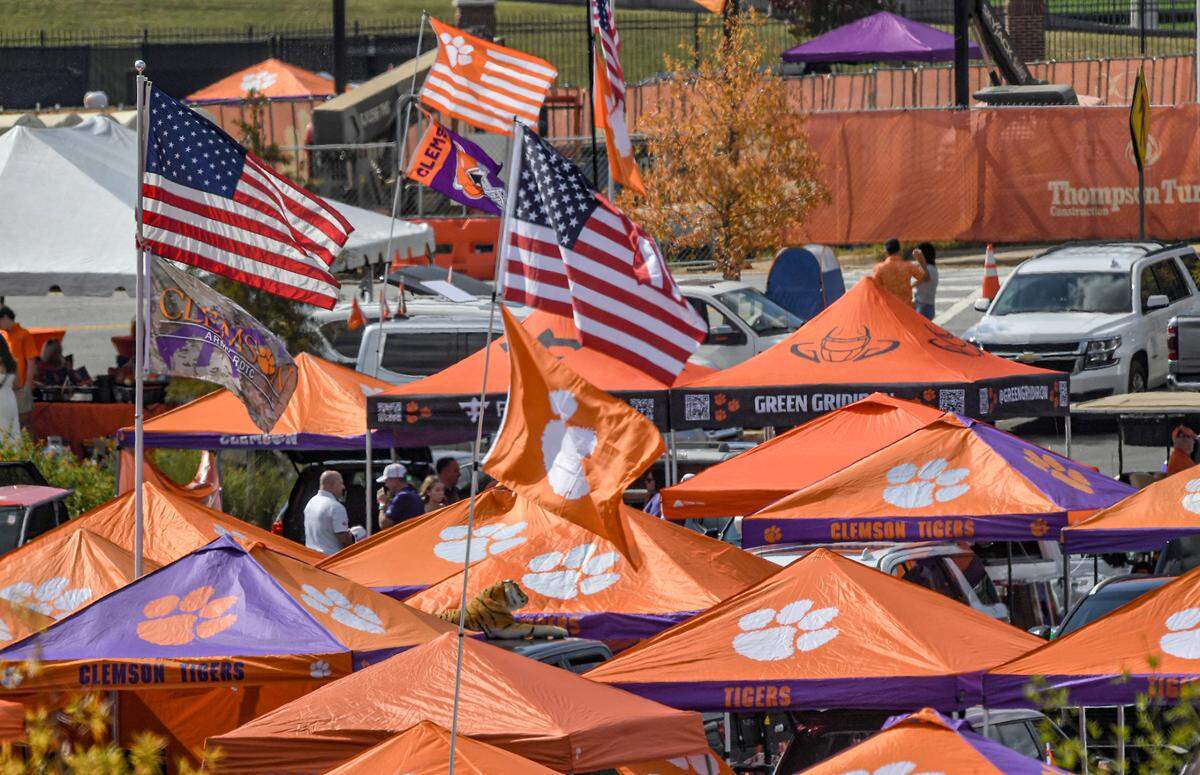
The Tigers have allowed beer, wine and liquor possession and sales in various club and luxury suite locations at Memorial Stadium and Littlejohn Coliseum for a while. But they’ve held off on selling alcohol directly to fans, something former AD Dan Radakovich framed as a decision that helps maintain a family-friendly atmosphere.
Clemson already has a robust tailgating atmosphere before football games.
“We’re well aware of the national landscape and who does and doesn’t and those types of things,” Neff said in August. “There’s decisions for Clemson. Yes, there’s revenue generation needs. And of course, there’s fan experience opportunities.”
Early last year, the university formally applied for permits for the on-premise sale of beer and wine and liquor by the drink at Memorial Stadium, as well as on-premise sale of beer and wine at Littlejohn Coliseum and other venues.
Those permits went into effect on Dec. 1, 2024, per online records.
Clemson confirmed on Tuesday it had secured necessary permits with the South Carolina Department of Revenue, which manages licensing and the sale of alcohol in the state. Policies and procedures will be subject to change and modification as the process evolves, and plans for all venues are under consideration, per Clemson.
Adding alcohol sales is one of many changes Clemson has made before the looming House vs. NCAA settlement, which is expected to go into effect this summer and will allow schools to share up to $20.5 million in revenue directly with their athletes.
Such revenue sharing can be a major enticement tool for schools and programs, and Clemson plans to spend the maximum $20.5 million (with a massive percentage of that money, reportedly over 80%, going to football players).
Mathematically, that’s a significant portion of revenue that used to be going to the Clemson athletic department to help balance its budget that’s now gone.
As such, the university has made a number of big changes. It’s selling alcohol, starting Saturday. It’s adding a student athletics fee for the first time ever starting in 2025-26. It raised 2025 season ticket prices last month. It’s hosting the Savannah Bananas for an event at Memorial Stadium later this month.
The end result, Clemson hopes, is money to offset its direct payments to athletes and keep the good times rolling at a university that has been aggressive about its position in the college sports world and is coming off a lawsuit against its own conference.
Clemson alcohol policies
Some of the policies in place include:
▪ A valid ID is required for each transaction.
▪ Clemson staff and vendors may not serve to anyone under the age of 21.
▪ No vertical IDs will be accepted at sales locations regardless of the individual’s age.
▪ Students will not be permitted to use Tiger One Cards to purchase alcohol.
▪ No service will be permitted to anyone who is visibly intoxicated.
▪ No more than two alcoholic beverages may be sold or served per transaction.
▪ Sales will begin when the venue doors open. Sales cut-off times will be posted throughout the venue and followed with no exceptions.
▪ These guidelines do not impact the existing stadium re-entry policies. They also do not impact the procedures in IPTAY premium areas (mentioned above) at this time.
▪ The possession or consumption of alcoholic beverages sold outside the venue is prohibited inside the venue.
▪ Alcoholic beverages will not be allowed to leave the venue.
Cut-off times for alcohol sales
Clemson has also determined cut-off times for various events:
▪ Football Spring Game: Service concludes after the third quarter
▪ Baseball: After the seventh inning
▪ Softball: After the fifth inning
▪ Other Sports: “Service concludes at a designated time no later than when 75% of the event’s regulation length is scheduled to be completed”
▪ Concerts/Special Events: “Service concludes at a reasonable time prior to the anticipated end of the act” and will be determined beforehand
The State’s Chapel Fowler contributed reporting.
This story was originally published April 1, 2025 at 4:33 PM.