Extra sharp: How this Clemson student became a national champion cheese judger
.jpg "Lucy Jeter, graduate student at Clemson University, evaluates an entry during the first day of judging at the U.S. Championship Cheese Contest on March 4, 2025, at the Resch Expo in Ashwaubenon, Wis.")
Lucy Jeter isn’t your typical Clemson athlete.
She’s not on scholarship. She doesn’t play varsity or club sports. And her gamedays look a little different than a star Tigers football or basketball player. While they’re scoring touchdowns and hitting 3-pointers, she’s walking around conference rooms in convention centers, tasting samples of cottage cheese and cheddar cheese and butter and scoring them on such things as flavor and texture and defects.
Recently, she’s become one of the best in the country at it.
Jeter, 22, is a Lexington native and a current graduate student in Clemson’s food sciences department. She’s also one of the nation’s top student dairy judges.
In April 2024, Jeter won first place in the cheddar cheese category at the Collegiate Dairy Products Evaluation Contest and third place in the overall competition.
Her knack for identifying obscure flavor attributes in cheddars — bitter, acidic, oxidized and rancid, to name a few — and “scoring” those cheeses more accurately than any other college student earned her a major honor.
Jeter was the lone student judge at the 2025 United States Championship Cheese Contest, which ran March 4-6 in Green Bay, Wisconsin.
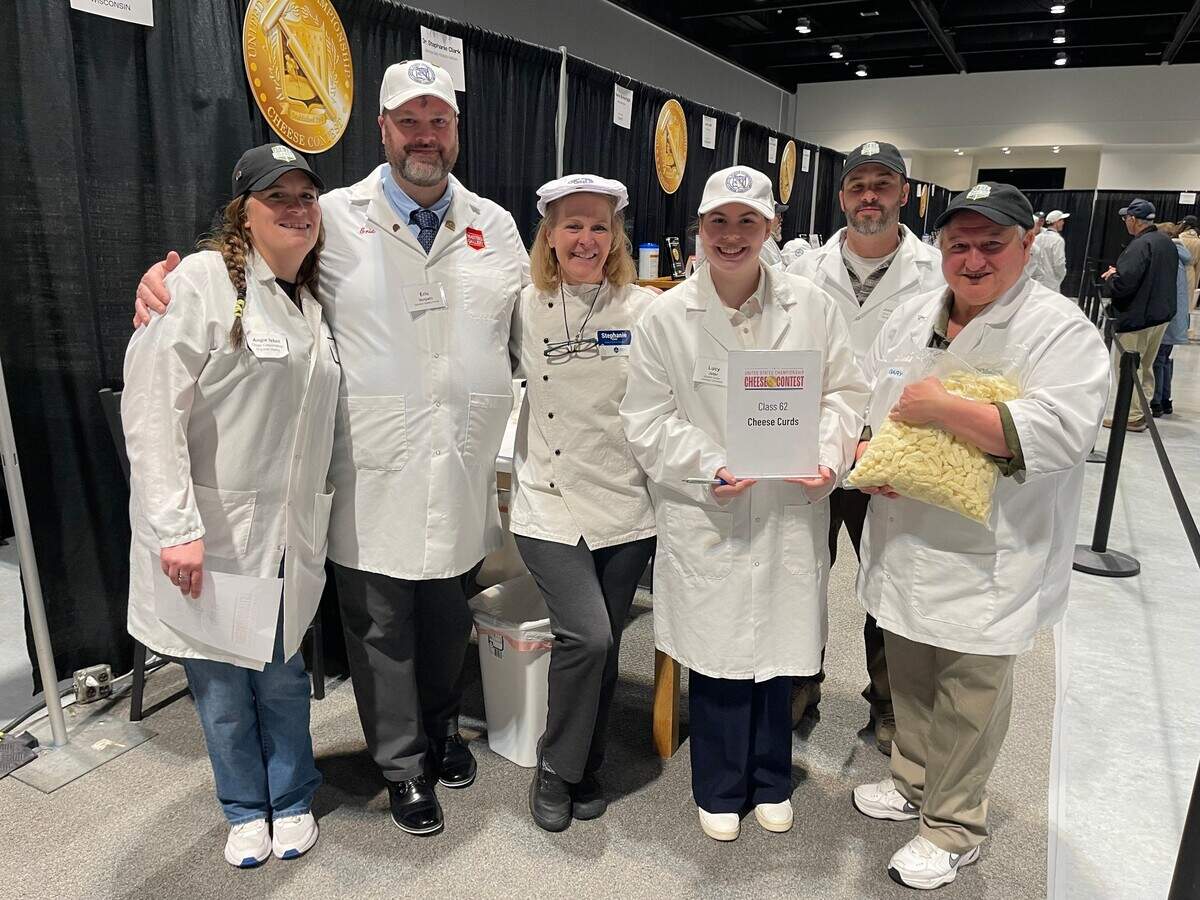
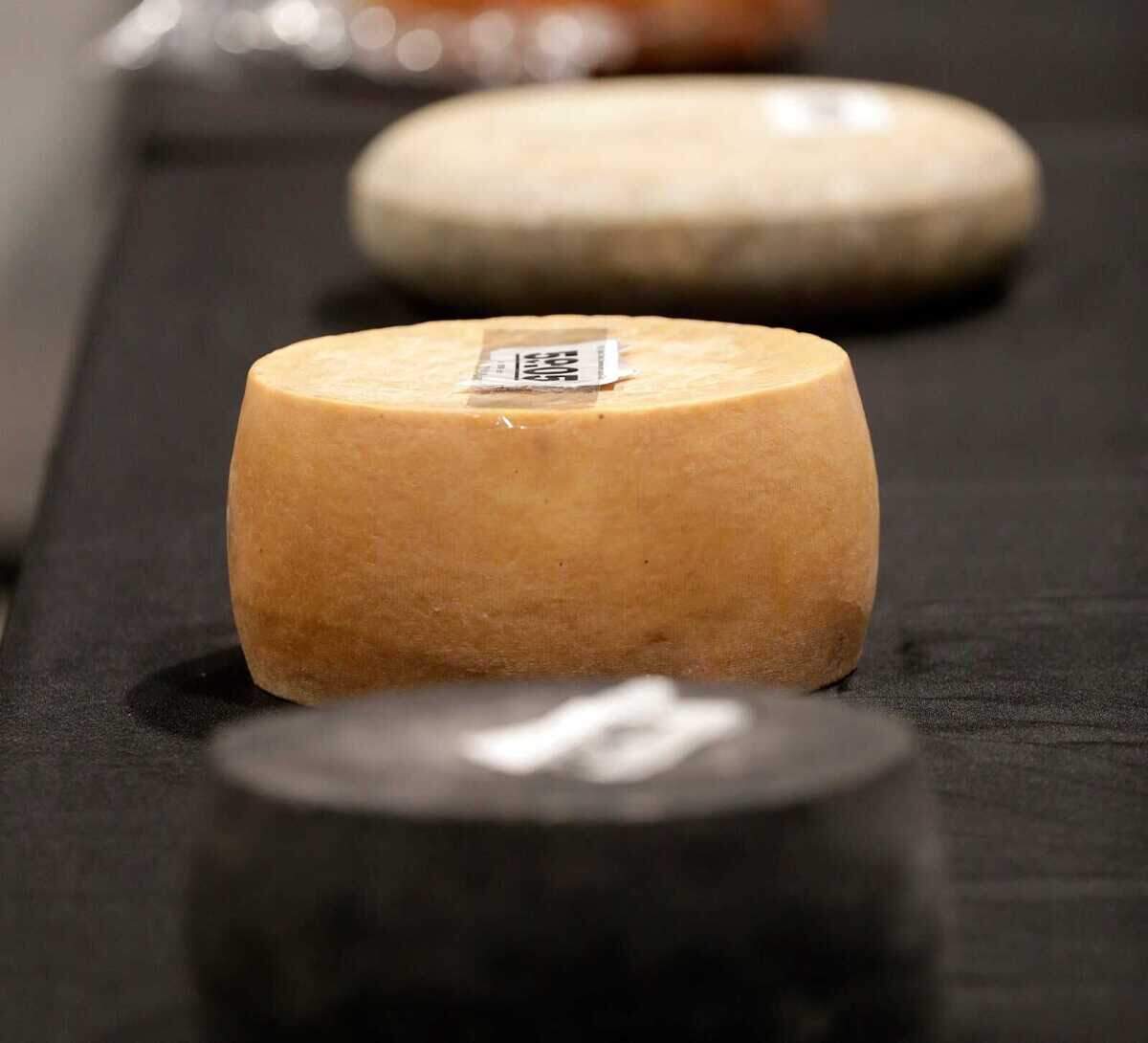
The event dates back to 1981 and bills itself as “the nation’s premier cheese contest.” This year, cheesemakers from 31 different states submitted over 2,400 entries in 117 different categories ranging from aged cheddar to smoked provolone to “washed rind/smear ripened semi-soft,” which is produced with bacteria and brine.
Presiding over the event were the U.S. Championship Cheese Contest’s 38 expert judges ... and Jeter, who got to shadow them during two days of preliminary judging.
It was a masterclass in dairy product evaluation, sort of like if a college-aged intramurals referee won a national contest and got to watch a professional officiating crew call the Super Bowl from field level.
And yes, Jeter got to sample all the products, too.
“I definitely don’t mind cheese,” she said, laughing.
If all of this sounds interesting but a little confusing, no offense taken. Jeter stumbled into it herself.
Up until late high school, she didn’t know food science was an option, or a major Clemson offered within its College of Agriculture, Forestry and Life Sciences. Now she’s earned a lifetime of good-natured career clarification.
“A lot of food science is just explaining to people what we’re doing,” Jeter said.
The same goes for the university’s dairy products evaluation team. Sara Cothran, a senior lecturer in Clemson’s food, nutrition and packaging sciences department, is the team’s coach. When she asks students to join, most of them hesitate.
“What? I don’t want to judge a cow.”
“You have to say, ‘No, it’s dairy products,’ ” Cothran said.
An unexpected cheddar championship
It was under these circumstances that Jeter found herself in Milwaukee in April 2024, facing six tables, eight samples apiece of milk, cottage cheese, cheddar cheese, strawberry yogurt, ice cream and butter ... and a ton of pressure.
The Collegiate Dairy Products Evaluation Contest, which Clemson’s team competes in annually, is unique and a little Kentucky Derby-esque in that it allows no repeat competitors. Undergrad or grad student, you get one chance to participate. Ever.
Jeter was prepared. She and her Clemson teammates practiced about five hours a week for the three months leading into the contest. And Cothran, tasked with getting this team into game shape, said Jeter had been extra sharp on her cheddar.
“She was picking up on some things that I didn’t even notice at first,” Cothran said.
Still, the event was daunting.
Jeter and other students had to rotate through the tables and sample, taste and score eight different products at each station. Before the contest, a professional judge had sampled and assigned each dairy product a secret numerical score based on texture and flavor attributes. Jeter’s goal was to get as close as possible to those scores.
And this wasn’t some relaxed, six-course dinner. She got 15 minutes at each table.
“Coming out of it, I didn’t know how I did at all,” Jeter said.
She was only half-listening when the contest started naming winners two hours later and announced Jeter had won first place in the event’s cheddar cheese category. In other words, she’d scored those eight samples the most accurately of anyone.
Jeter also won third place in the “all products” division, which was an accomplishment on its own because it meant she had avoided what’s known in the field as “palate fatigue.” Even with contests offering water, apples, crackers and lemon-lime sodas to help keep judges’ taste buds fresh, you can only try so many different cheeses until they all start tasting the same.
Luckily for Jeter, cheddar was her first table.
More than a free sample
A lot of the general public’s experience with dairy judging is limited from a one-minute cutaway in the movie “Napoleon Dynamite” where the title character sits at a table, drinking milk from different jars while judges watch with clipboards.
“This tastes like the cow got into an onion patch.”
“Correct.”
“Yessssssssss.”
The scene’s popular enough that Cothran shows it to her class every semester. And while it’s not a bad depiction — “That’s pretty much what we do for, the most part,” Jeter joked — there’s a lot more to dairy judging, especially at a national level.
Jeter got a taste of that while working as a student judge at the U.S. Championship Cheese Contest in March. The trip was part of her prize for winning first place in the college contest, which gave her a check to cover her travel expenses to Green Bay.
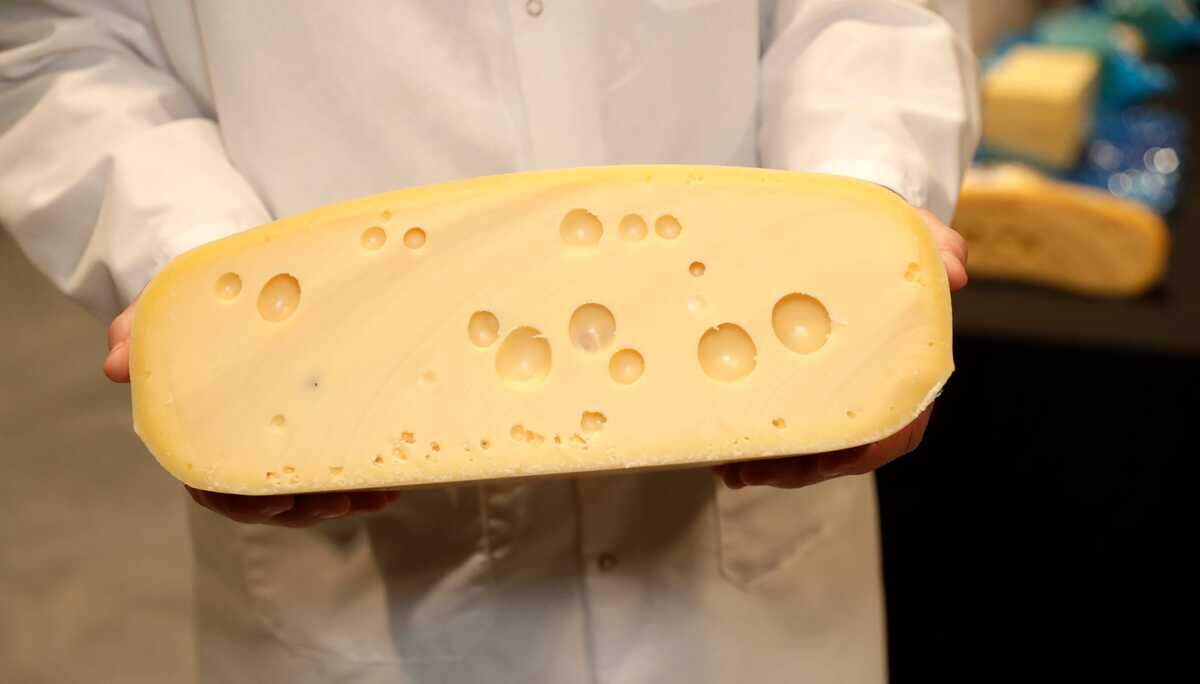
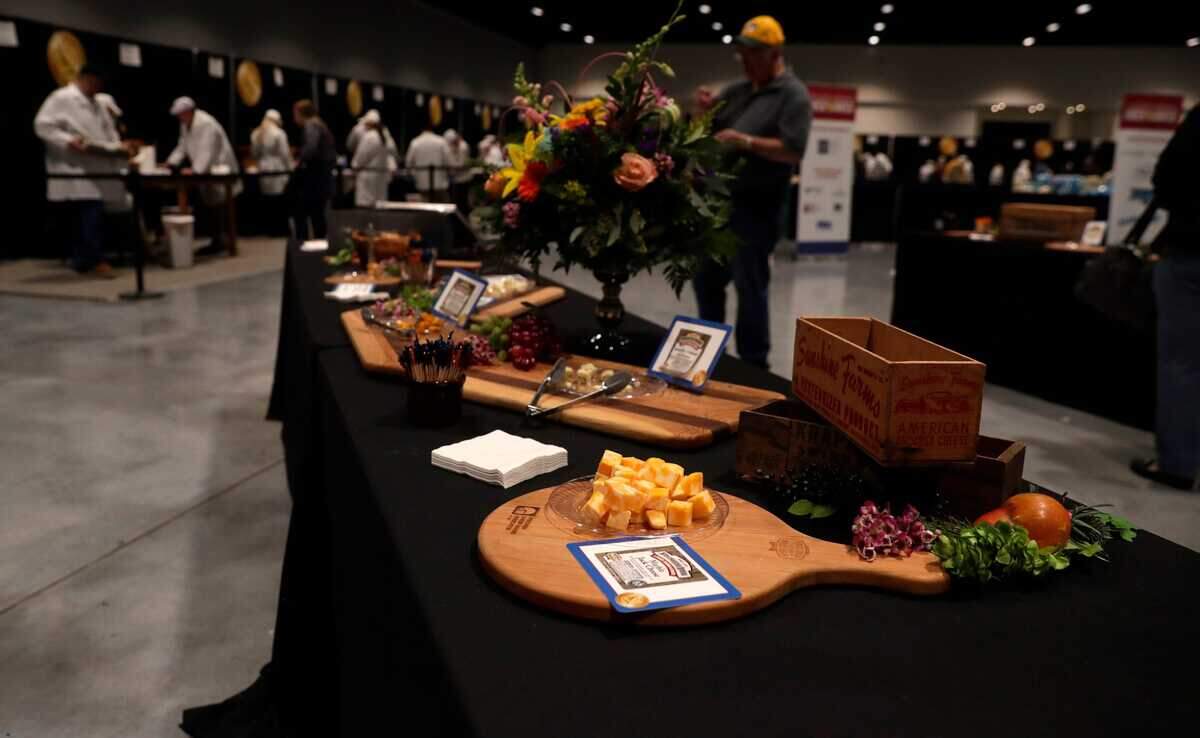
It was dairy judging at a level she’d never seen: higher-ups from Tillamook and Whole Foods roaming the premises, judges evaluating everything down to a cheese’s packaging and categories encompassing every dairy product under the sun.
Burrata. Ricotta. Sheep’s milk cheese. Whey permeate.
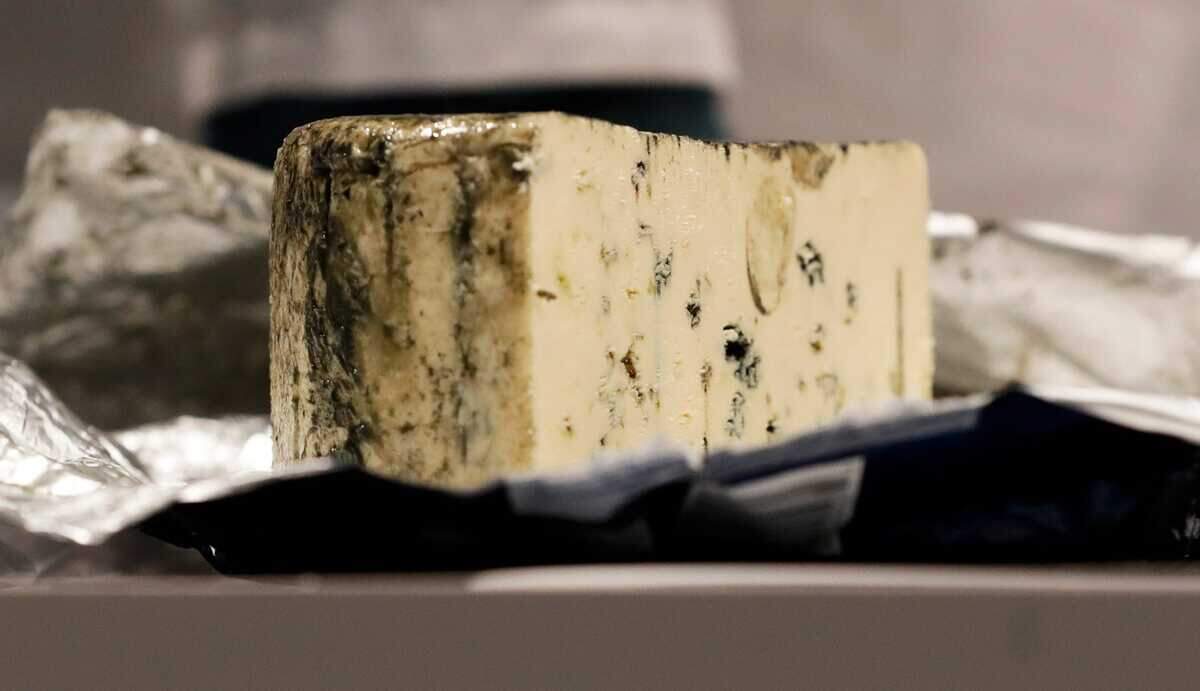
Two of the more off-the-wall samples Jeter tried were a coffee cheese — it had been rubbed with coffee grounds on its rind — and dill pickle-flavored cheese curds.
“Those were fun,” Jeter said.
Careers in cheese
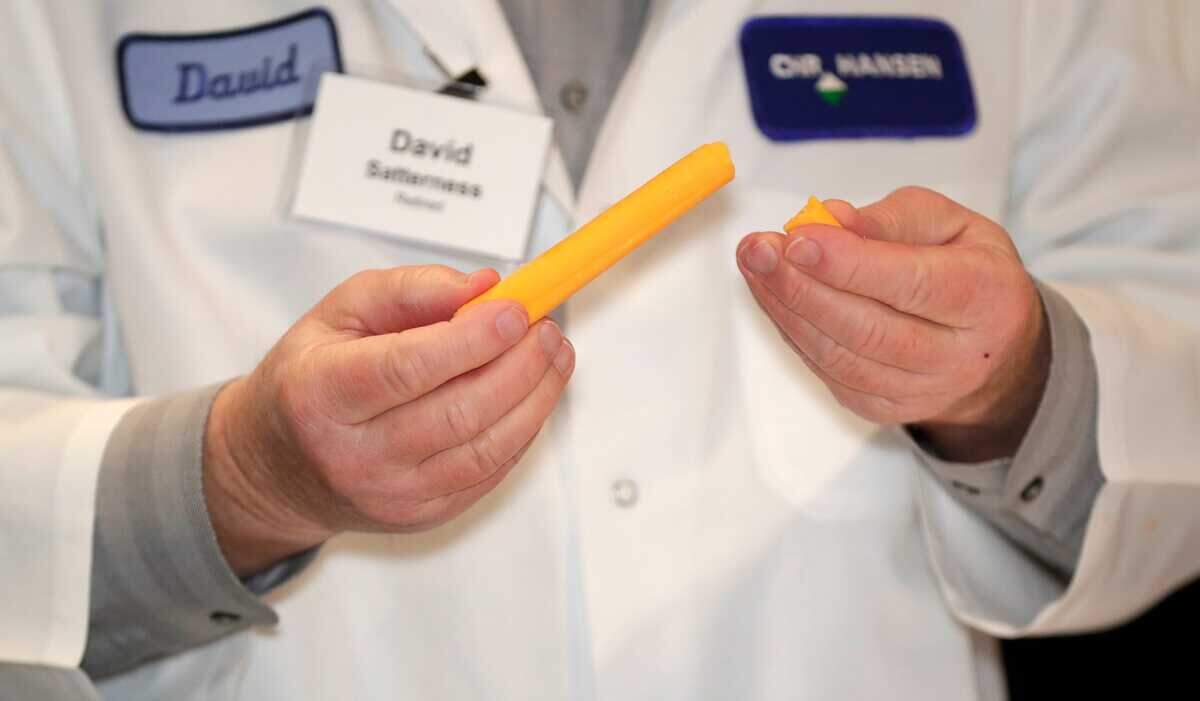
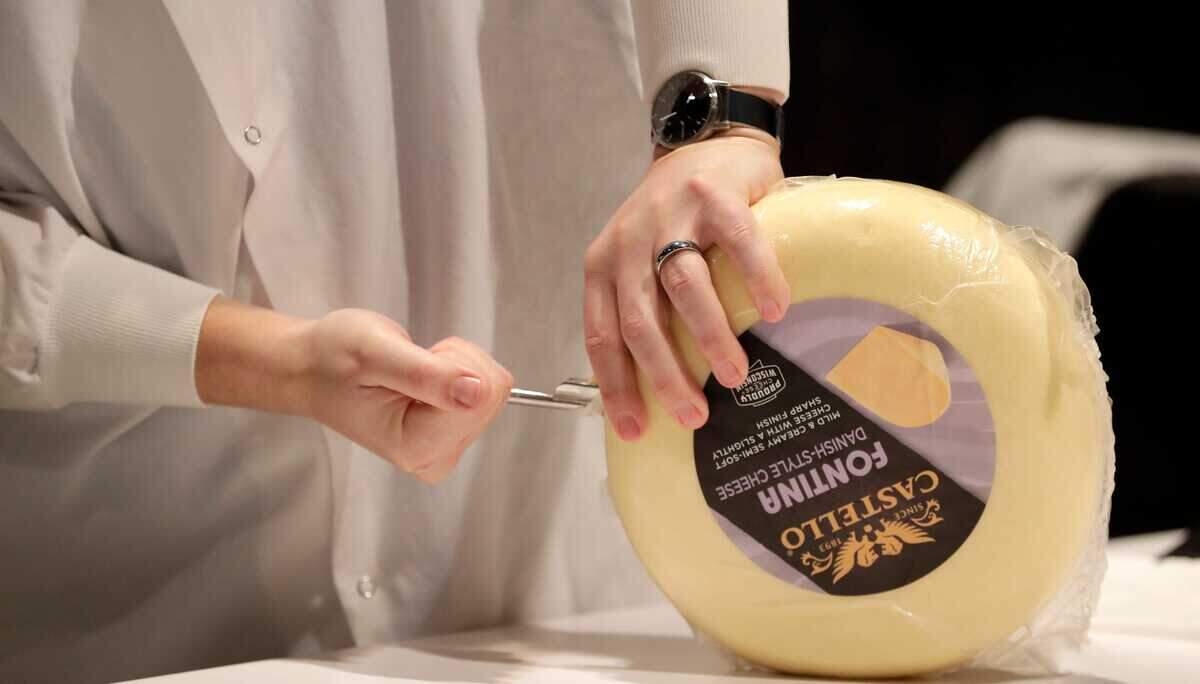
Free samples aside, there was an art to the contest, too. Jeter took notes and got to ask judges about everything from what they were tasting to how they were scoring to the best way to extract a sample. (Judges use triers, which look like long, skinny apple corers, to draw cylindrical pieces of cheese out of massive, 40-pound cubes.)
And it’s a serious business, with money at stake. A major award or “top 20 cheese” recognition from the national contest can be a financial boon for a manufacturer. On a micro level, Cothran said, someone who can identify flavors and defects could even help a local farmer understand why their cheese doesn’t taste right and help correct issues in storage and production processes.
“It definitely made me realize that there was so much more to food science than I ever thought,” said Jeter, adding that the event was a “great networking experience.”
Jeter, a graduate student, is already helping prep next year’s dairy product evaluation team. She’ll earn her second Clemson degree in fall 2025 and wants to work in research and development for a food company — while doing some judging on the side, she hopes, and finding a way back to the national competition some day.
Until then, she’ll walk campus as Clemson’s cheesiest national champion.
“She’s just a really standout student,” Cothran said. “I’m proud of her.”
This story was originally published May 22, 2025 at 9:41 AM.