Revenue sharing is coming. How Clemson plans to split money among its teams
Splitting up $20.5 million among your sports teams — essentially revealing who you think is deserving of extra money and who isn’t — might be daunting to some.
Not Clemson.
As college sports’ revenue sharing era nears, the Tigers’ athletic department hasn’t been shy about addressing the elephant in the room. Yes, the Clemson football program is incredibly valuable. And yes, it’s going to get a major cash infusion.
As Dabo Swinney put it: “Nobody’s going to have more money than Clemson.”
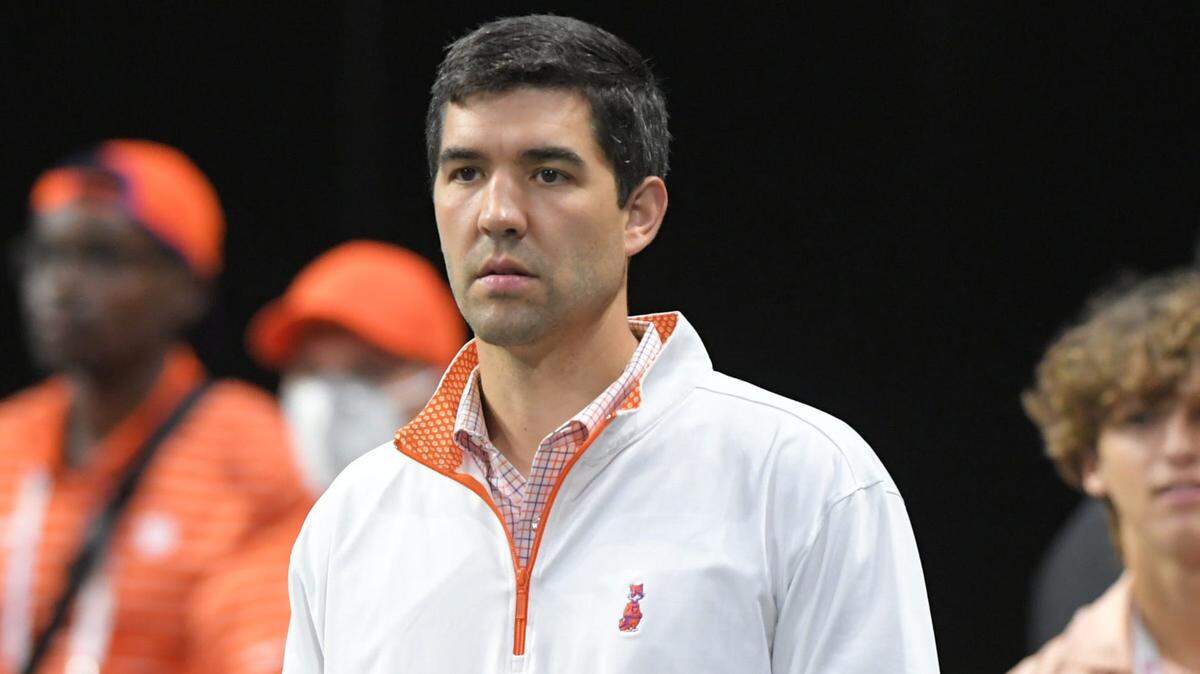
Tigers athletic director Graham Neff shed further light on the school’s revenue distribution strategy — and just how much that $20.5 million will go directly to players on Swinney’s football roster — during an April 25 interview.
Power conference schools are in position to share millions of dollars in revenue directly with their athletes for the first time ever starting July 1 because of a settlement in House vs. NCAA, which will overhaul college sports’ current system in favor of a professionalized model. The settlement was formally approved June 6.
Clemson announced last fall it would share the maximum amount of revenue with its athletes in 2025-26 ($20.5 million) while also adding 150 new scholarships — primarily for Olympic sports — to supplement the 275 it already provides.
Within that $20.5 million, Clemson anticipates about $2.5 million in deductions for various scholarships and settlement backpay fees. That brings the disbursable money pool down to about $18 million. As for football’s slice of the pie?
“Stopping short of exact percentages, it’s revenue share by definition,” Neff said. “So we’re thinking of it as having proportionality to where our revenues are generated from, and having that to be the methodology of how we look to allocate the dollars.”
In other words: If a team makes money, it’s going to get money.
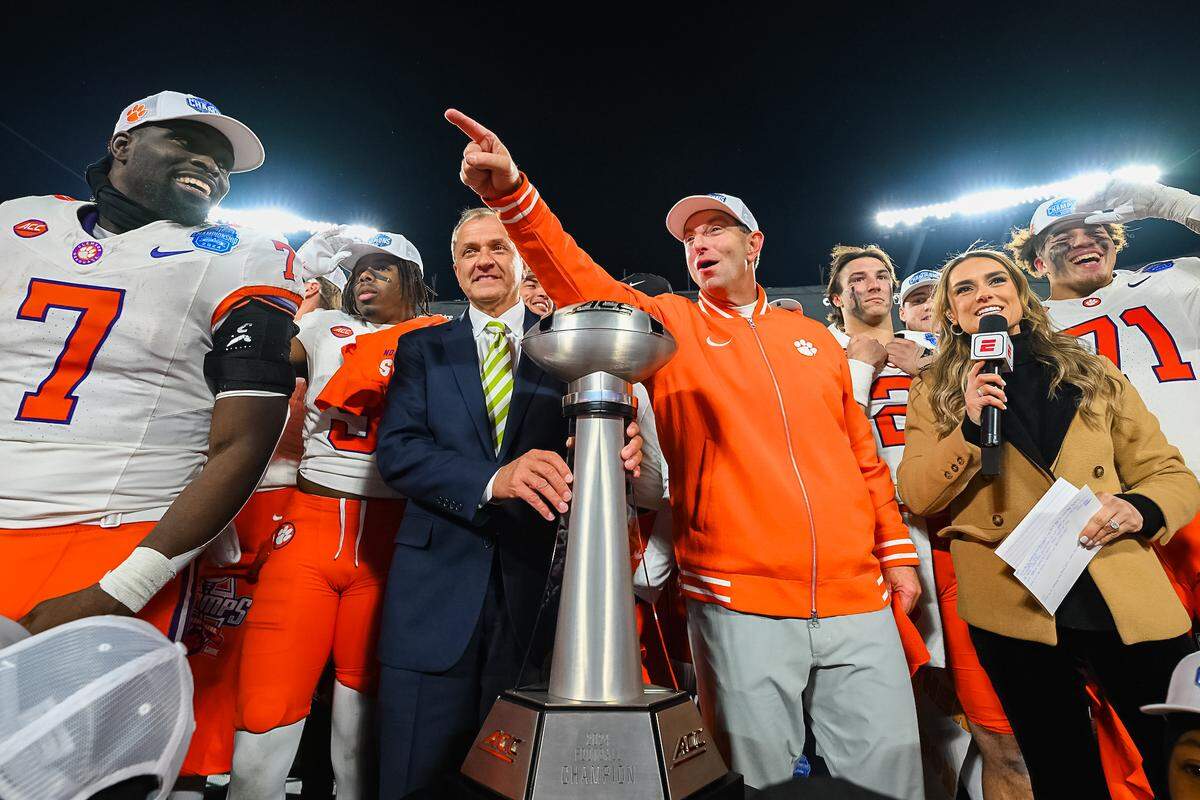
And with a major chunk of Clemson’s athletics revenue stemming from football, it doesn’t take a rocket scientist to realize the program that packs out Memorial Stadium with over 80,000 fans each home game and won the ACC and made the College Football Playoff last year is going to be rewarded substantially.
To the tune of over $15 million annually, per various reports.
“We can certainly all understand a heavy proportion of our revenues are generated from football and we’ll allocate dollars there,” Neff said.
Funding an ‘expensive’ football roster
The House settlement established a 75-15-5-5 backpay model for repaying former athletes. Most schools are using that a guide for future payments, too. Under the split, 75% of money is allotted to football, 15% is allotted to men’s basketball, 5% is allotted to women’s basketball and 5% is shared among all other sports.
According to various reports, and as confirmed by Neff’s public comments about Clemson’s distribution strategy, the school is prepared to share an even larger percentage of its $18 million pool with the football team — to the point where it could reach the high 80s and be among the highest percentage of shares nationally.
According to Clemson’s latest NCAA financial report, obtained by The State via public records request, football generated $87.1 million in revenue in fiscal year 2024.
That number represented about 72% of Clemson’s revenue across 21 sports ($121.5 million) and 45%, or nearly half, of overall athletics revenue ($193.9 million).
Even when factoring in a massive expense bill ($67.8 million, the most of any Clemson sports team by over $56 million), the program still made $19.4 million.
Football was the only one of Clemson’s 21 varsity sports teams that broke even in the latest fiscal year. The next-closest program was coach Brad Brownell’s men’s basketball team, which made $10.9 million and spent $11.7 million for a net loss of roughly $727,000. Nine Clemson teams had a net loss of at least $1 million.
The football team — which has made seven of the last 10 College Football Playoffs and won two national titles — was also responsible for 88% of Clemson’s ticket sales revenue ($34.5 million out of $39.2 million) and $26 million in media rights.
And those are numbers from a down year, 2023, when the Tigers lost four games.

Although rev share won’t kick in until next month, Clemson’s most prominent sports team is already feeling its impact and reaping its benefits ahead of the 2025 season.
The Tigers, who went 10-4 last year, were among the nation’s leaders in retention this offseason and returned 18 of 22 starters, including a couple who had NFL Draft decisions. Their 2026 recruiting class ranks top five nationally. And the website TigerIllustrated.com reported that QB Cade Klubnik will make around $2.5 million this year, while DT Peter Woods is one of three other millionaires on the roster.
“We have arguably the most experienced roster in the country coming back next year, and it’s not just experience, it’s experience and it’s talent, which in turn means it’s expensive,” Clemson general manager Jordan Sorrells said in March.
What about basketball, baseball and others?
Clemson’s other sports are getting a boost, too, albeit in different ways.
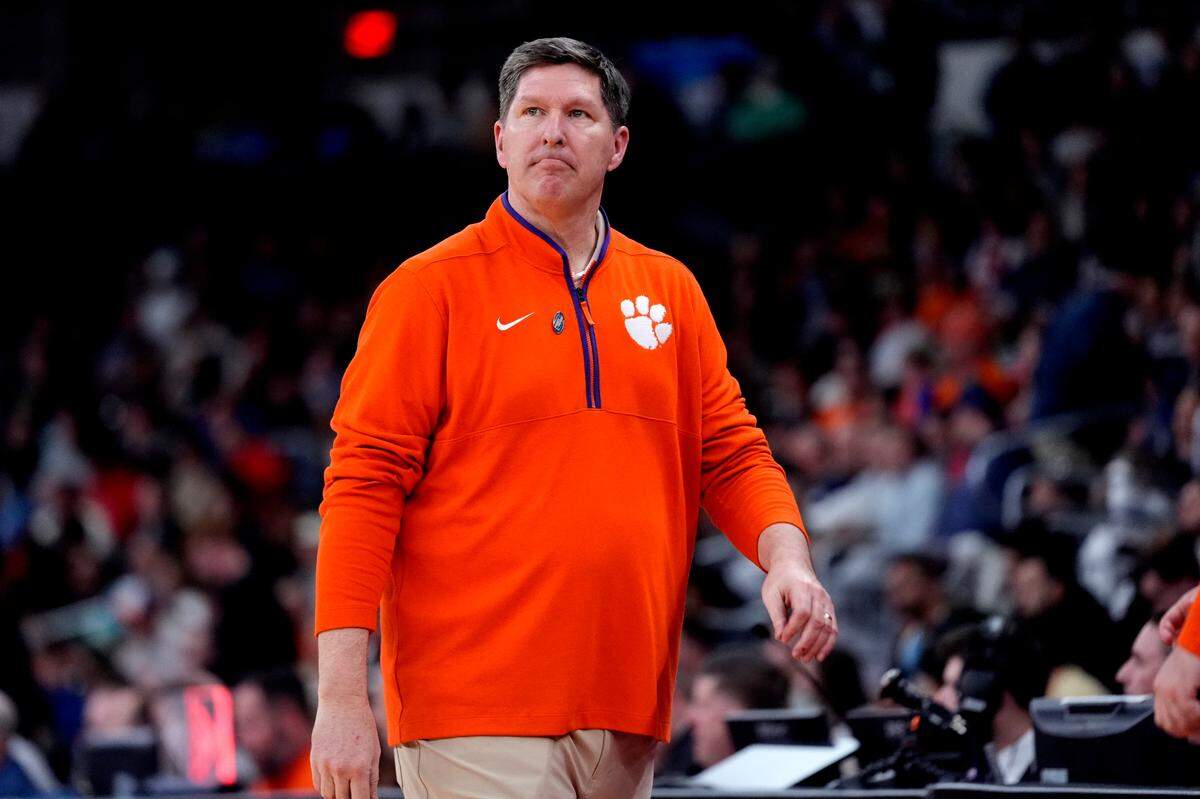
Brownell’s men’s basketball team, which has made back-to-back NCAA Tournaments and emerged as one of the ACC’s more consistent programs, is in line for some money. That’s backed up by the fact that men’s basketball is the only other program that generates media rights revenue for the school and was a distant No. 2 to football in total revenue generated ($10.9 million).
With football getting a larger share of Clemson’s rev share money pool, men’s basketball won’t pull in the baseline 5% (which, going off an $18 million budget, would be $2.7 million). That creates a natural disadvantage.
But Clemson leaned hard into the basketball portal this offseason and — using a combination of revenue sharing, NIL and collective funds — emerged with a strong, six-player transfer class that should help the Tigers stay competitive this season.
Brownell also received a contract extension in April, and there’s an understanding that Clemson men’s basketball will receive additional institutional support and focus to stay competitive – even if it’s not getting a huge revenue sharing pool or $14 million outright to rebuild its roster, as the UNC Tar Heels reportedly did.

The House settlement’s 75-15-5-5 setup reserves 5% of money for women’s basketball and 5% for all other sports; Clemson, given the football team’s elevated percentage, will have even less to dole out for its other 19 varsity sports.
Among remaining non-football and non-basketball funds, Neff said there will be “pretty comprehensive distribution” among “revenue-generating” teams. But Clemson’s other top programs — think baseball and softball and women’s basketball — will primarily benefit from something else: scholarships.
Under the terms of the House settlement, scholarship limits — such as baseball’s infamous 11.7 scholarship cap — will be replaced with roster limits. Clemson, in reaction, is adding 150 new scholarships and going from 275 to 425 total.
Those extra scholarships will “effectively fully fund all of our rosters,” Neff said.
Giving a team such as baseball (which has hosted three straight NCAA regionals) a full 34-scholarship allotment is a “game changer,” Neff said. Coach Erik Bakich has previously addressed how under college baseball’s current setup, NIL money essentially worked as scholarship money. Now, it can be a cherry on top.
“It’s a significant competitive opportunity,” Neff said.