Why was Ian Schieffelin’s DUI case dropped? Local prosecutor explains plea deal
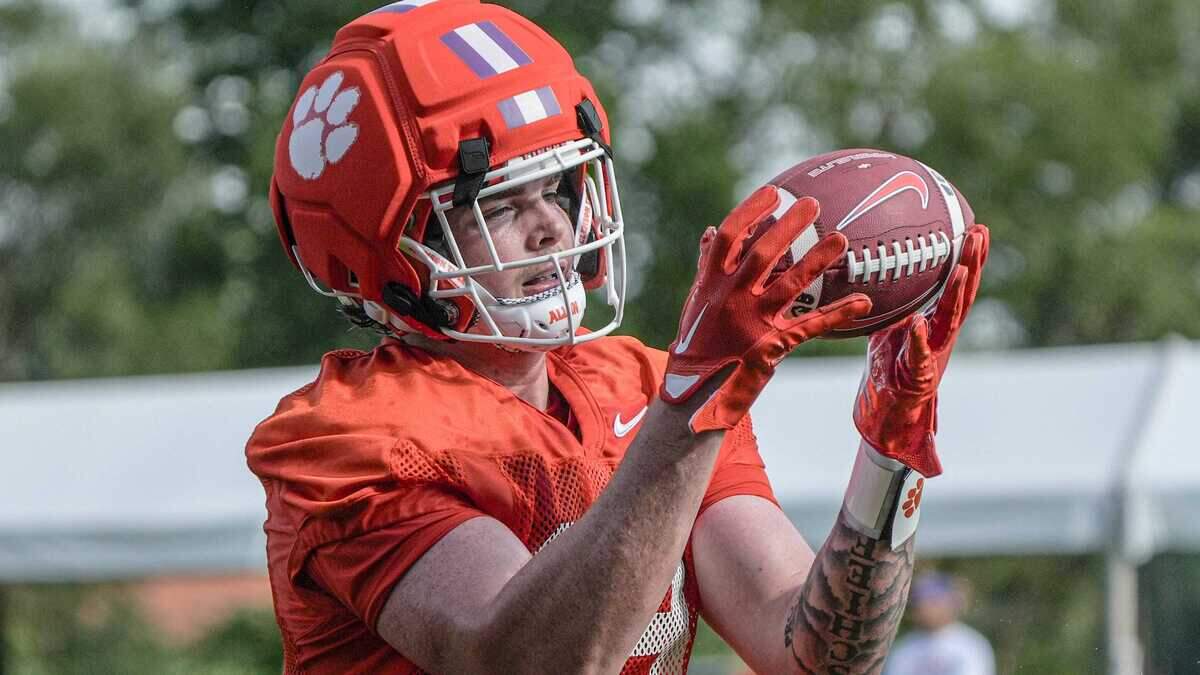
Ian Schieffelin’s brief legal saga is over.
One week after the City of Clemson Police Department arrested Schieffelin on a charge of driving under the influence, the Clemson football tight end announced Tuesday his DUI charge had been dismissed and he’d accepted a traffic ticket for a lesser charge of reckless driving.
Those developments were part of a plea agreement Schieffelin struck with the city, which also requires the former Tigers basketball star to make a $600 donation to a local charity and give 12 separate one-hour presentations to local schools about the dangers of drug and alcohol abuse and driving and how to avoid making bad decisions, according to a top city official.
City of Clemson prosecutor Kurt Tavernier told The State that Schieffelin formally signed his plea agreement Monday, eight days after his initial arrest. In a plea agreement – also known as a plea deal or plea bargain – a defendant in a case pleads guilty to a lesser charge and agrees to a number of other stipulations. As a result, the defendant’s initial charge is dropped, and the case is resolved.
As part of Schieffelin’s plea agreement, Tavernier said the tight end must:
• Make a $600 donation to the Community Foundation of Greater Clemson, a charity which is independent of the city and does “general good” for the area
• Create an hourlong presentation about the dangers of drug and alcohol abuse and the consequences of poor decision-making and give that presentation 12 separate times to students at area schools as early as this fall.
Schieffelin, 22, will also be suspended for Clemson football’s season opener against LSU on Saturday, according to guidance in Clemson’s student-athlete handbook for DUI arrests. That punishment is separate from his plea deal.
Schieffelin – a former All-ACC basketball player who decided to use his final year of college eligibility with the football team – has publicly apologized for the incident.
“I have learned a valuable lesson from this experience and my commitment is to grow from this, and to represent Clemson with the integrity and character it deserves,” Schieffelin said in a statement released by his lawyers Tuesday.
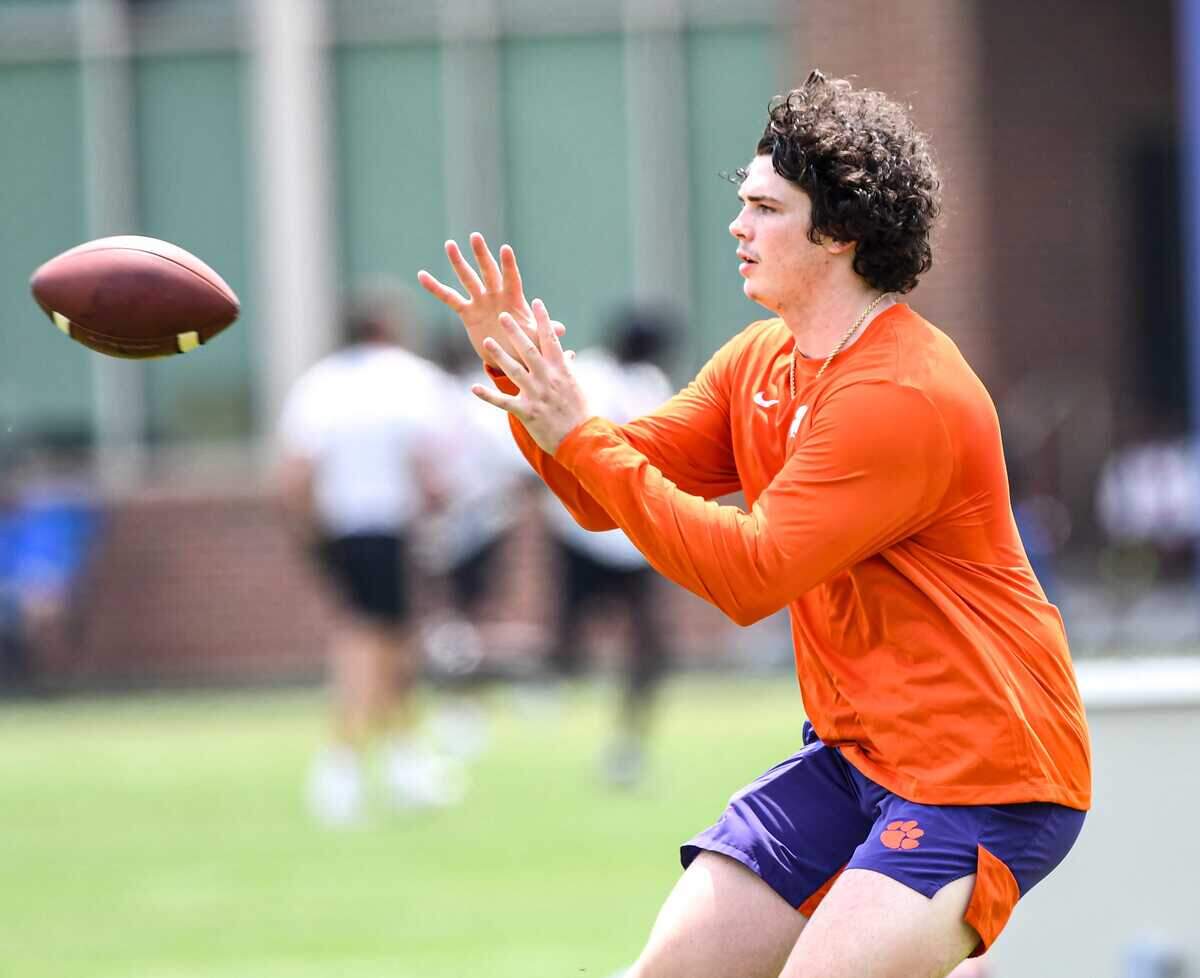
More details on Ian Schieffelin’s DUI plea agreement
Tavernier said he and City of Clemson police department officials watched the officer body camera footage from Schieffelin’s DUI arrest in the early hours of Aug. 17. Schieffelin had been driving fast and “swerving” before he was stopped by Clemson police around 1:47 a.m., per an incident report obtained by The State.
“We reviewed the video and assessed the merits of the case,” Tavernier said Wednesday. “Based upon what we generally do in cases of this nature, we figured that while it did have merit – and there was evidence and sufficient probable cause – all things considered, we went ahead and said this would be a good case for a negotiated plea agreement.”
Schieffelin and his lawyers were “agreeable” to a plea bargain, Tavernier said. Plea bargains are common in DUI arrests such as Schieffelin’s, which was a first offense.
“It benefited everybody for a quick resolution,” Tavernier said. “Nobody was in dispute.”
Reached by The State, Mills Ariail, one of Schieffelin’s lawyers, referred to Schieffelin’s Tuesday statement and declined further comment.
Tavernier said two other key factors in moving forward with the plea deal were how Schieffelin interacted with police during his arrest – an incident report indicates there were no issues and he complied with all police orders during his arrest – and the lack of a blood alcohol test from the scene.
Schieffelin’s charge in the incident report was listed as “Driving under the influence without BA - 1st offense.” The “BA” refers to a blood alcohol content test, when police use a breathalyzer to determine if a driver’s blood alcohol content is under the legal limit of 0.08.
Tavernier, the city prosecutor, said Schieffelin declined to take a blood alcohol test at the scene and that’s why no test was administered. Schieffelin was arrested on a charge of DUI without a blood-alcohol test and spent a night in jail. He was bailed out the following morning.
The lack of a blood alcohol test (a common occurrence in DUI cases) would have made it harder for the prosecution to prove Schieffelin was under the influence had his case gone to jury trial, as his lawyers had requested.
“We did not have a BA test, which is part of the state’s burden of proof, but that’s relatively normal” for a DUI case, Tavernier said.
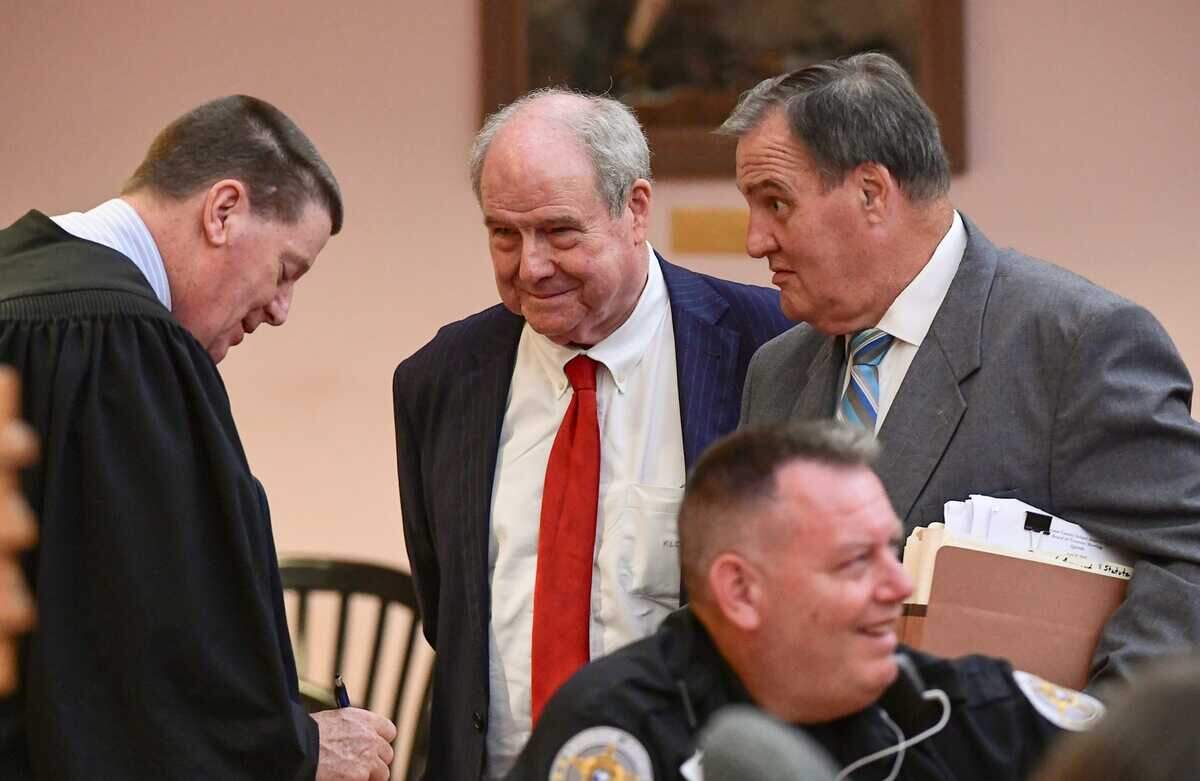
Schieffelin faces ‘more of a penalty,’ prosecutor says
Clemson football coach Dabo Swinney has praised Schieffelin for how he’s responded to his arrest and owned the “consequences” that came with it.
That includes missing Clemson’s season opener vs. LSU on Saturday.
Although details are still being finalized, Tavernier said Schieffelin and his lawyers are working to coordinate visits to 12 different schools in the Clemson area this fall for presentations.
The primary target will be middle schools, Tavernier said, “because he (Schieffelin), as a Clemson football player, could have an impact on younger kids.”
Tavernier, a veteran attorney, said he frequently prosecutes DUI cases for the City of Clemson. He pushed back against a notion floated by some observers on social media that Schieffelin was getting off easier than most others would after a DUI arrest because he’s a prominent Clemson athlete.
In typical plea deals for DUI first offenses, Tavernier said, a person pleads guilty to a reckless driving charge (which is a six-point violation against your SC driver’s license, the highest amount for a single incident) and pays a $440 fine.
Schieffelin, as part of his plea deal, agreed to that same reckless driving charge. But he also agreed to an elevated fine (a $600 charity donation) and committed to 12 separate speaking engagements to talk with students about his mistake, given his prominence in the area. Tavernier said that’s a unique setup.
“He had more of a penalty in what he was required to do than what a typical individual would have in a similar situation,” Tavernier said.
This story was originally published August 29, 2025 at 7:35 AM.