The latest on Clemson receiver Tristan Smith’s NCAA lawsuit, eligibility status
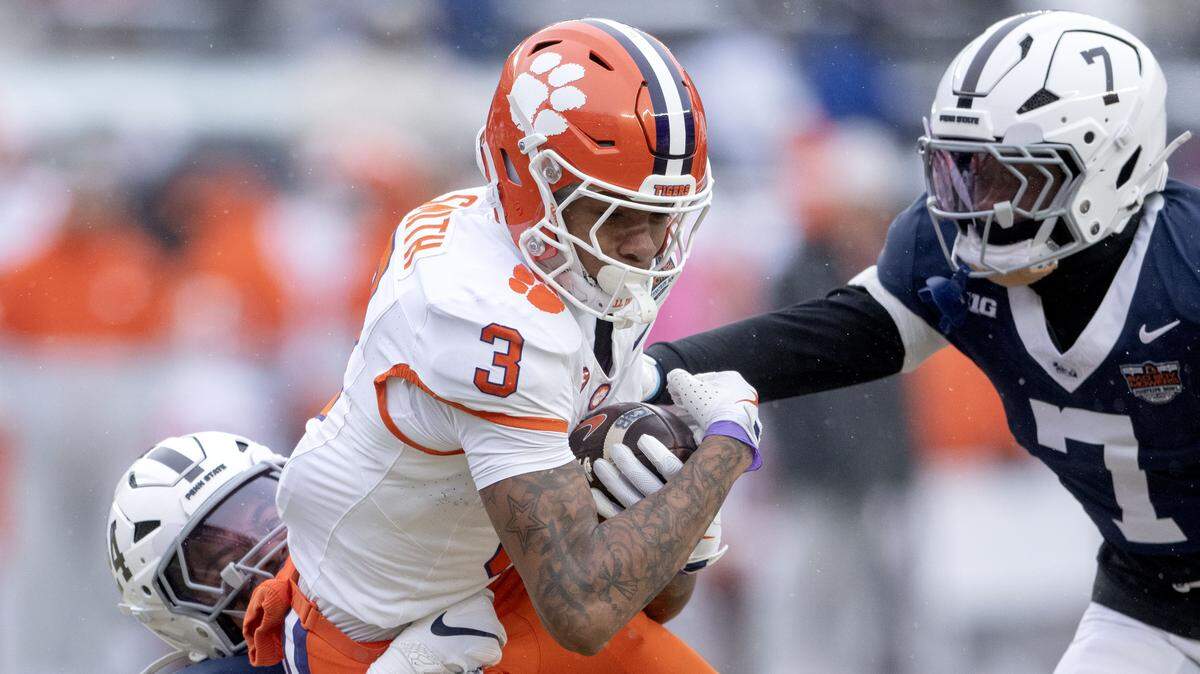
Clemson wide receiver Tristan Smith hopes to play for the Tigers in 2026, but he may not know his eligibility status until two months before the season opener.
A recent delay in Smith’s ongoing lawsuit against the NCAA for a fifth year of eligibility — which was filed in local court Jan. 21 — could also put Smith’s availability for Clemson’s 2026 spring practice schedule in limbo.
Smith’s first court date for his NCAA eligibility lawsuit has been pushed back from March 31 to June 8, his lawyer Darren Heitner confirmed to The State.
That means the earliest the judge in the case could grant a temporary injunction (which would essentially suspend the NCAA’s eligibility laws in relation to Smith and let him suit up for Clemson in 2026) would be in the summer — well after Clemson finishes spring practice, and two months before the team’s season opener.
Heitner said he couldn’t speak to Smith’s current eligibility status with Clemson. A Clemson team spokesman told The State the program was gathering information about what Smith’s court delay means for his spring practice availability.
Smith’s initial court date was March 31, three days after Clemson’s March 28 spring game and after most or all of spring practices had been completed.
Clemson football is currently holding optional winter workouts, which Smith is allowed to participate in since they aren’t a formal, team-sanctioned activity.
Smith’s lawyers filed a motion for a temporary injunction/restraining order on the NCAA the same day they filed their initial lawsuit, but the Greenville-based judge hearing the case, Jessica Ann Salvini, denied that motion because she wanted to hear from both sides in a formal setting before deciding on an injunction, Heitner said.
That ruling, as well as a three-month delay on Smith’s initial court date, puts the 6-foot-5 transfer receiver and fan favorite in a bit of a legal bind. Smith reacted to the change on X (formerly Twitter) on Sunday and thanked his supporters.
“My court date has been moved to June 8th,” Smith wrote. “Even though that might seem a ways away, God never says oops. Go Tigers.”
More on Tristan Smith’s legal battle with NCAA
After the NCAA denied Clemson’s waiver request for Smith to play a fifth season of college football last fall, the transfer receiver who previously played at Hutchinson Community College and Southeast Missouri State sued the NCAA in Pickens County, South Carolina (where Clemson’s campus is located) on Jan. 21.
Smith’s lawyers, Heitner and Mark Peper, argued that the NCAA is unfairly counting Smith’s two years of football at Hutchinson, a non-NCAA junior college, against his “eligibility clock” despite giving other athletes in similar situations extra years to play. Smith has only played two seasons of Division I football.
As part of the waiver, Smith also submitted a personal statement to NCAA staff. He said he had to attend a two-year junior college coming out of high school in Georgia because his GPA wasn’t high enough for a standard four-year school.
Smith said he lost class credits when he transferred from Southeast Missouri State to Clemson, which pushed his graduation date back to December 2026.
He also said his family relies on him for financial support, and missing out on NIL earnings “would irreparably damage my earning potential as a young person.” In a declaration statement attached to Smith’s lawsuit, Smith’s agent, David Ben-Zaken of GSE Worldwide, valued Smith’s potential 2026 earnings at $300,000 to $600,000.
There’s no guarantee Smith becomes eligible in June. After a formal hearing, the judge in the case could choose to deny his lawyers’ motion for a temporary injunction. If that happens, the case would likely progress through the summer and/or the fall and could run into Clemson’s 2026 season.
It could put Clemson in the same shoes as South Carolina, which coincidentally faced a similar situation last year with running back Rahsul Faison (also a Heitner client). Faison’s 2025 eligibility status wasn’t known until late August 2025.
If eligible, Smith would be a strong rotational piece for Clemson’s 2026 offense behind star receivers T.J. Moore and Bryant Wesco Jr. Smith caught 24 passes for 239 yards and a touchdown in 13 games (four starts) with the Tigers in 2025.
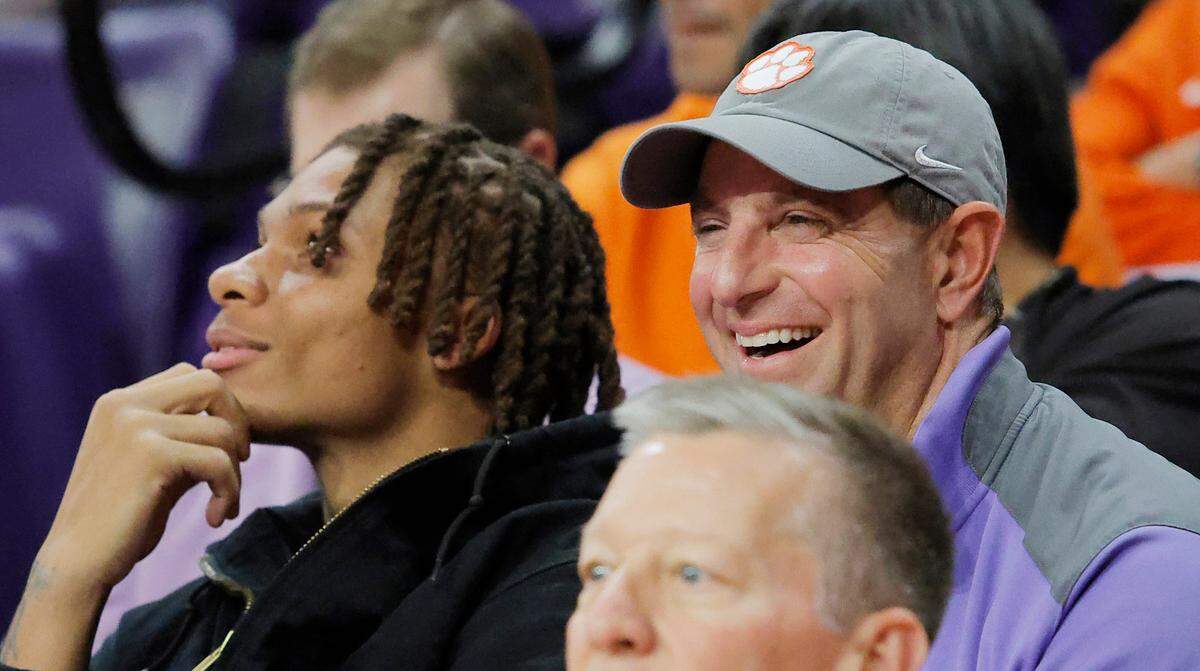
Clemson coach Dabo Swinney said in December the program would welcome Smith back for 2026 and was willing to support him in his legal journey.
“We’ll go as far as we’ve gotta go,” Swinney said.
This story was originally published January 28, 2026 at 11:40 AM.