Did alcohol sales at Clemson football games fuel more ejections, arrests? A closer look
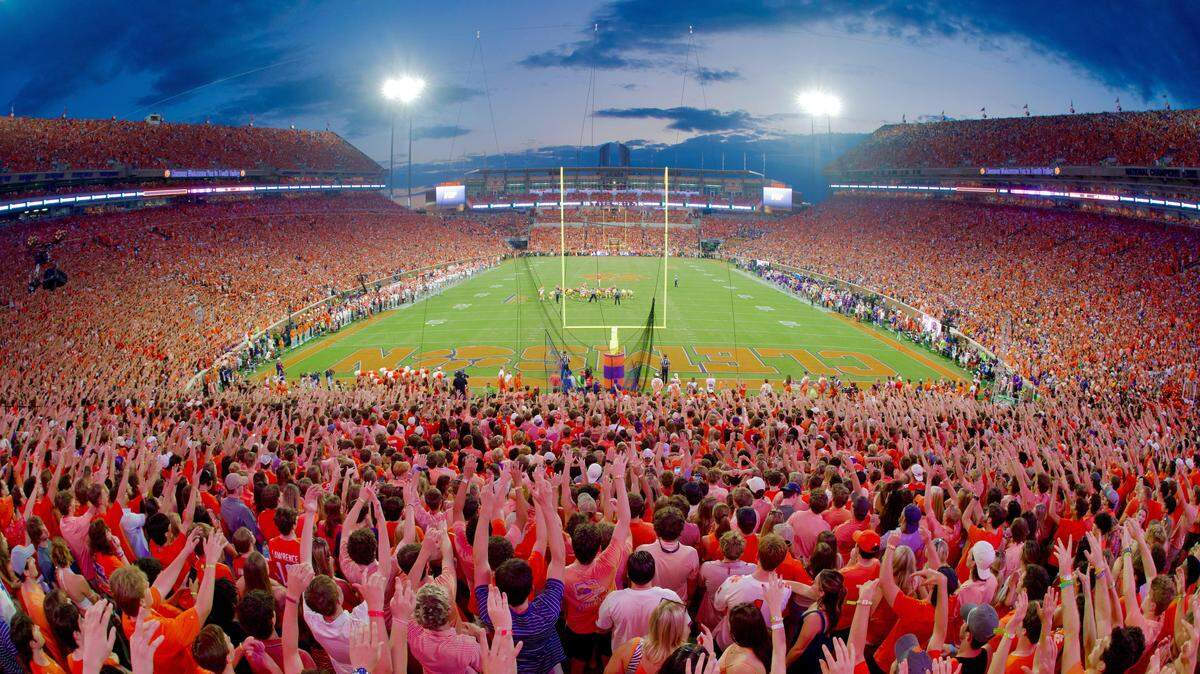
For years, Clemson was a proud hold-out on alcohol sales at sporting events, and leaders publicly said it was key to maintain a family-friendly atmosphere.
So when the Tigers decided to start selling alcohol at football games and other sporting events last year, it was only fair for some Clemson fans and community members to wonder if that change might negatively affect their gameday experiences — especially during football Saturdays at Memorial Stadium.
Those concerns weren’t unfounded. But, according to data obtained by The State via public records request, Clemson’s first year of alcohol sales at football games did not lead to any dramatic increases in ejections, arrests or service calls in 2025.
Here’s a closer look at the data from the Clemson University Police Department.
Did Clemson alcohol sales lead to more service calls?
Clemson traditionally plays seven home football games a year. CUPD provided service call data for the Tigers’ full 2025 home schedule, as well as Tigers’ full 2024 home schedule (the last season without alcohol sales) as a point of comparison.
Service calls were sorted into five categories: alcohol, disorderly conduct or altercation; assault or harassment reported; ejections; arrests; and “other calls for service.” Some service calls fell under more than one category.
Clemson saw no change in total alcohol, disorderly conduct or altercation service calls, and saw increases in the other four categories (most of them modest).
It’s worth noting that Clemson had a large number of ejections (16) in its 2024 home opener vs. App State and its 2025 home opener vs. LSU (28 ejections) that were directly related to misuse of student tickets and/or student wristbands.
Clemson’s second-highest ejection total in 2025 came during the Florida State game (which, like LSU, was a night kickoff). CUPD’s 18 ejections that night “included ejections for ticket issues and throwing objects,” the school said.
CUPD’s records of alcohol, disorderly conduct or altercation service calls and “other calls for service” at football games covered a wide range of calls: Instances of a third party reporting an issue; unfounded complaints; complaints where the subject was gone when officers arrived; and complaints that were resolved by officers.
.jpg "GettyImages-2245753330 (1).jpg")
Police chief: 2025 ejection totals in line with averages
After Clemson’s Aug. 30 season and home opener against LSU — a sold-out, high-profile game that kicked off at 7:30 p.m. — the city council took particular interest in how alcohol sales affected Memorial Stadium and brought the topic up during a meeting the next week, citing “a lot of concern” from residents.
In response to questions posed by the city council, Clemson interim university police chief Chris Harrington issued a statement disclosing there were 28 ejections during the LSU game and “approximately half of these occurred at entry gates prior to individuals fully entering the stadium.”
Harrington said the LSU game’s ejection total was “moderately higher” than CUPD’s average number of ejections across all Clemson football home games, but it was not “substantially higher” than other night games at Memorial Stadium historically.
Harrington said his department “did not observe a noticeable difference in alcohol-related issues for this event that would indicate alcohol sales inside Memorial Stadium had a direct contribution” to the high number of ejections for the LSU game (some of which were ticket-related).
That observation applies to season-long data provided to The State, too.
CUPD ejected about seven people per game on average during the 2024 season (52 total) and nine people per game during the 2025 season (64 total). That increase of 12 ejections was the largest jump across any of its five service call categories.
CUPD did see small but noticeable increases in reports of assault or harassment and formal arrests. Those types of service calls made up a small percentage of CUPD’s total calls for football games but are often the most serious.
University police received three reports of assault or harassment in 2024 (two during the Louisville game, one during the South Carolina game) and made four arrests (two during the Stanford game, two during the South Carolina game).
In 2025, CUPD received six reports of assault or harassment at home football games and made five formal arrests. The two reports of harassment during the LSU game were made against the same person at the same time and location, CUPD said.
There was at least one arrest at four of seven home games in 2025.
How alcohol sales fit into Clemson athletics strategy
Clemson sold 173,775 individual units of beer and seltzer during the 2025 football season and generated roughly $1.82 million in gross revenue, The State previously reported. Those profits will be split approximately 50-50 with Aramark, Clemson’s concessions provider for university and athletic functions.
Alcohol sales at sporting events are expected to generate a couple million dollars annually in revenue at Clemson, which was the only school in the ACC, SEC or Big Ten that didn’t sell alcoholic beverages at sporting events up until spring 2025.
Those dollars are valuable for an athletic department spending more than ever as part of the revenue-sharing era, which allows colleges to pay their athletes up to $20.5 million directly (Clemson has committed to paying the maximum amount).
Clemson athletic director Graham Neff said last year the school wanted to be “thoughtful” about adding alcohol sales. The university paid for additional security and law enforcement at football games, cut off sales after the third quarter and offered free sodas to fans who signed up as designated drivers.
“Fan environment and safety is going to continue to be the leading (consideration) on how we roll it out,” Neff said last year.
This story was originally published February 3, 2026 at 8:00 AM.