Clemson spent more this spring on basketball roster building. The results showed
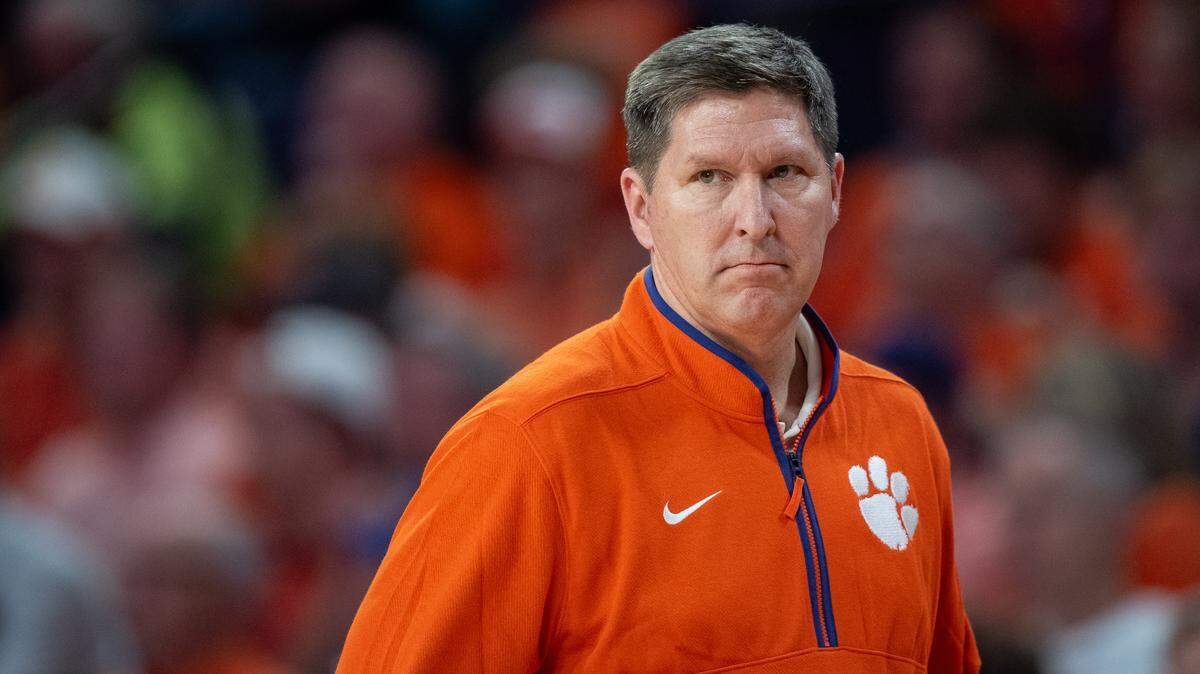
In one of their first offseason planning meetings, Clemson men’s basketball coach Brad Brownell remembers athletic director Graham Neff giving him a number.
It was an initial stab at how much money Brownell would have to construct next year’s basketball roster. The total dollar amount — a combination of in-house revenue-sharing dollars and additional NIL funds — was “maybe a little more than last year,” Brownell recalled.
“But we quickly realized that wasn’t even going to be close,” Brownell told The State during ACC spring meetings in Amelia Island, Florida.
So Clemson upped its financial commitment for men’s basketball — and quickly saw the results.
Brownell’s team retained every player with remaining eligibility from last year’s roster except for one. The Tigers also signed a four-man transfer portal class that included a big-time scorer and addressed their major front-court needs.
Clemson’s longtime coach — who admitted last year that his program’s smaller revenue-sharing cut relative to other basketball programs would be a “challenge” — credited Neff and the administration for adjusting after acknowledging that the college basketball player payment market was “going crazy” in 2026.
The end result, Brownell said, was Clemson having enough funds to be competitive in a sport where top schools nationally are reportedly shelling out $15 million to $20 million (and sometimes more) to fill out their rosters each year.
“Certainly, we’re a factor,” Brownell said.
Inside Clemson basketball’s 2026 offseason
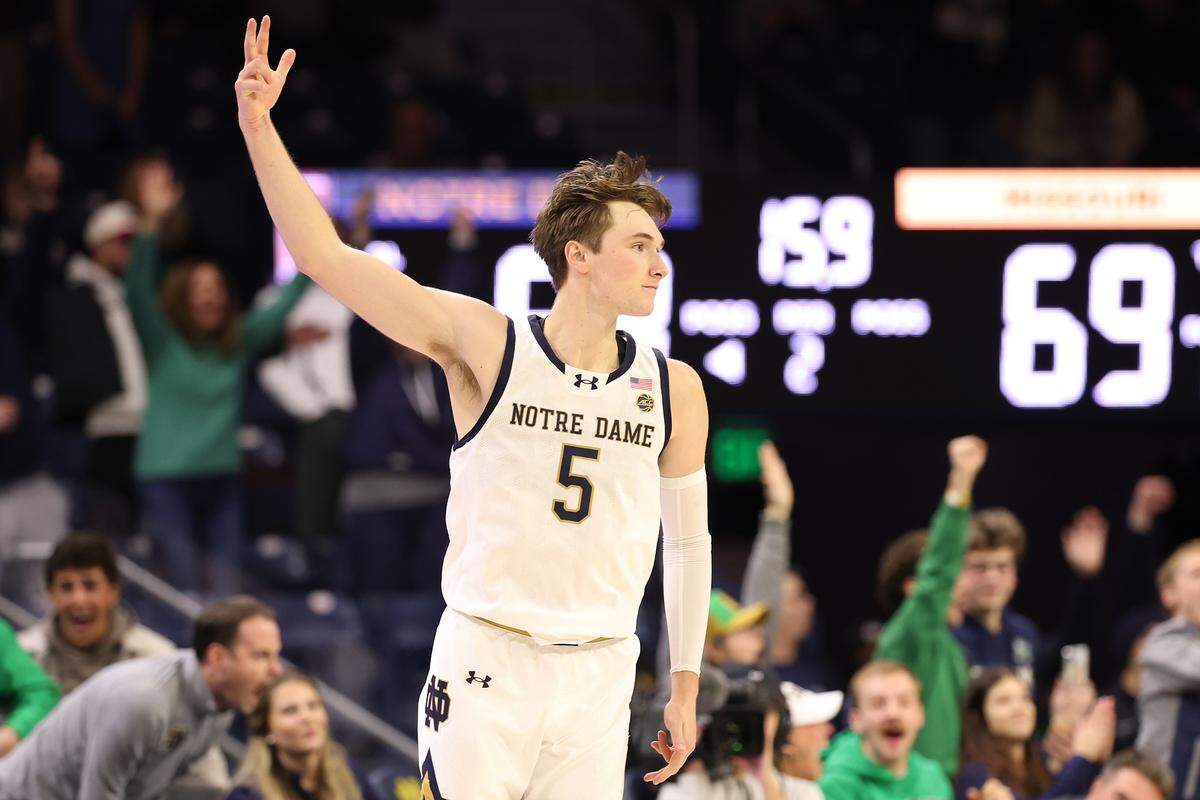
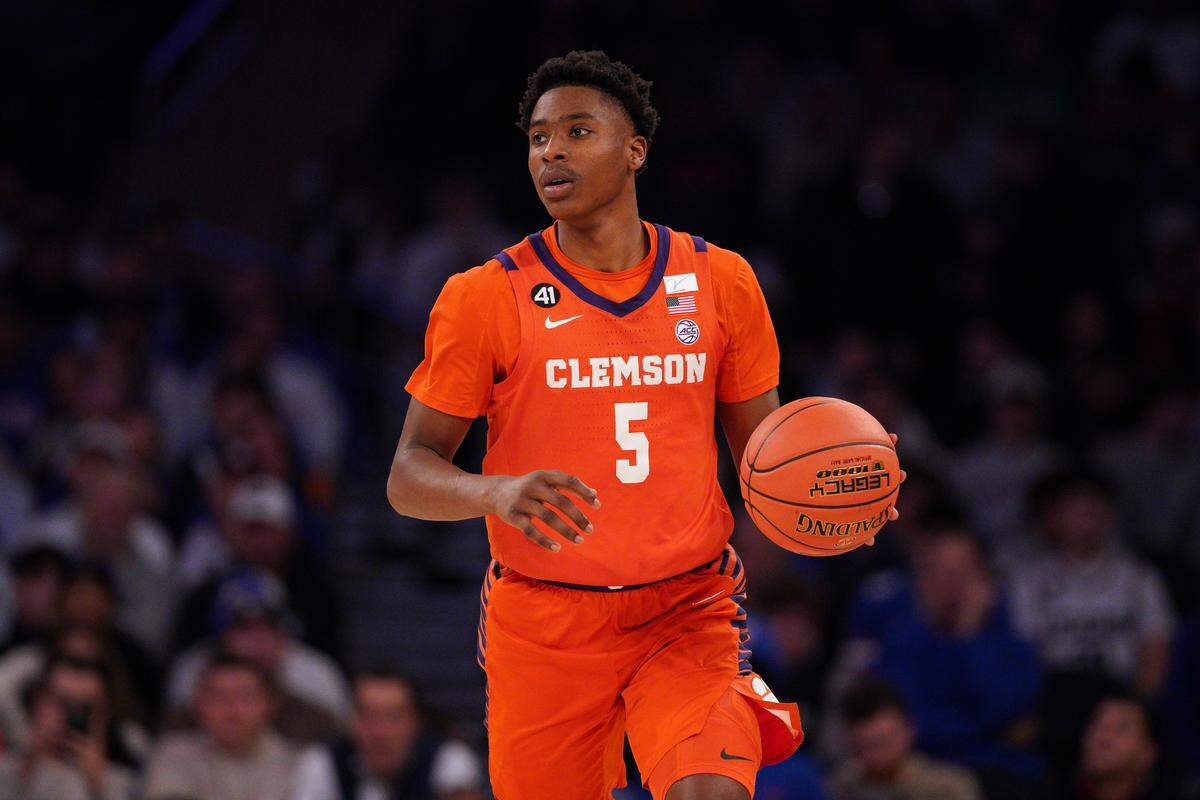
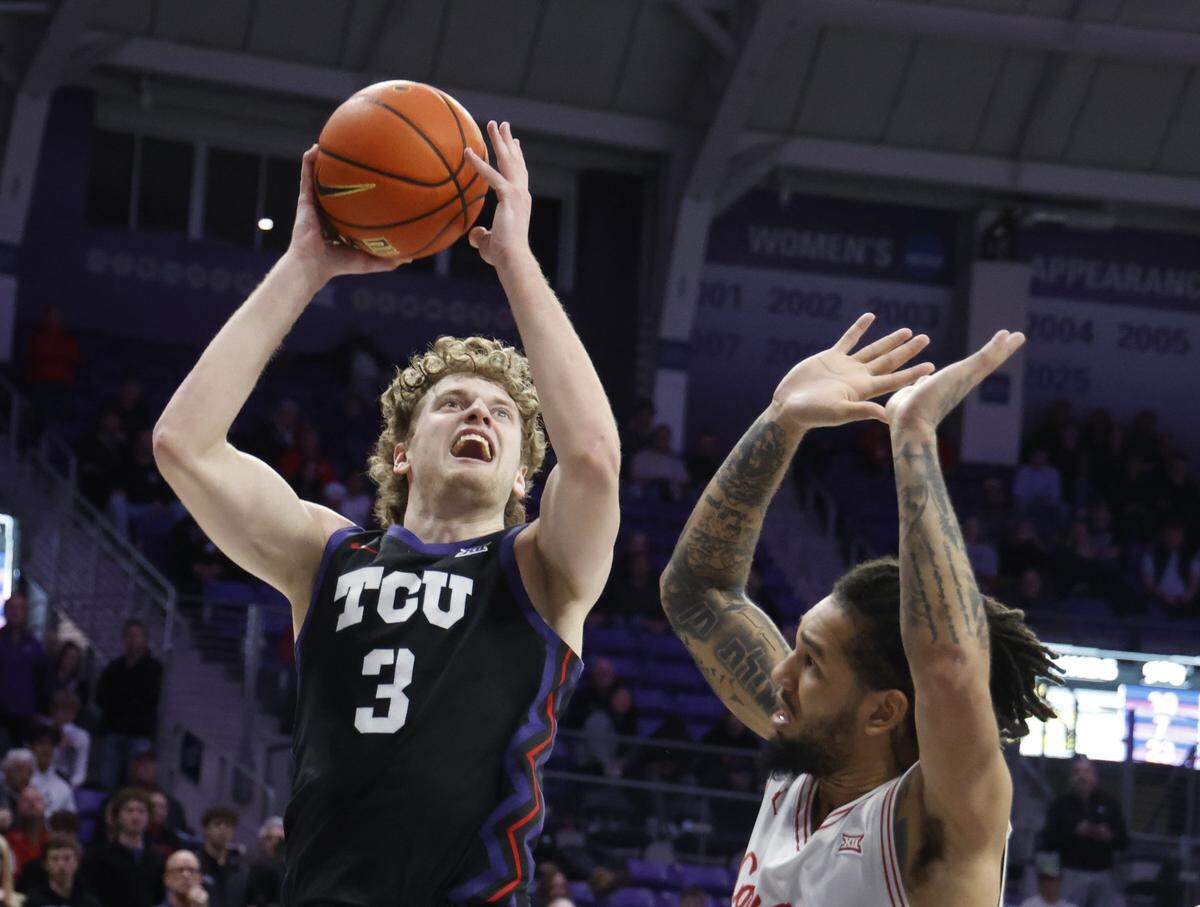
Offseason roster highlights for Clemson included holding onto promising young guards Zac Foster and Ace Buckner, scooping up former Notre Dame sharpshooter Cole Certa and signing three more veteran transfers who all project as rotation players: Samford forward Dylan Faulkner, TCU wing Liutauras Lelevičius and San Francisco forward David Fuchs.
The Tigers signed a three-player high school class that’s led by four-star guard Harris Reynolds of Atlanta and ranks No. 33 nationally per the 247Sports Composite.
Starting forward Carter Welling is back as well, though a late-season torn ACL could sideline the former Utah Valley State transfer for some or all of the 2026-27 season.
Rotational forwards Chase Thompson and Dallas Thomas return, too. Clemson’s only departure was forward Jake Wahlin, who transferred to BYU.
It’s not the type of roster that screams “preseason national champion” or even “preseason top 25.” Recruiting services are mixed on the strength of Clemson’s four-man portal haul: 247Sports ranked the Tigers as the No. 52 class nationally, while On3 Sports had the group at No. 17 overall.
Even Brownell said this year’s Clemson team is “probably in a similar spot” as last year’s team, in terms of outside expectations.
“But we have spent more money, because the market’s demanded it, right?” Brownell said. “It’s going crazy. … The amount of guys getting $2 million and $3 million is remarkable.”
Last year, Brownell publicly confirmed in an interview that Clemson men’s basketball would receive about 11% of the school’s rev-share money in the first year after the House settlement, which allowed colleges to directly pay athletes up to $20.5 million. (After some deductions, the total was more like $18 million.)
That was a smaller cut than other schools’ basketball programs, primarily because Dabo Swinney’s Clemson football team is an incredibly valuable asset to the university and commands a massive percentage of rev-sharing money (86% of the total last year, or over $15 million). Men’s basketball got about $2 million.
All told, according to a report from Larry Williams of TigerIllustrated, Clemson spent around $6 million on its men’s basketball team last year. That total includes NIL money the school was able to legally “front-load” before college sports shifted to a revenue-sharing model in July 2025, as well as “above-the-cap” NIL dollars within the NCAA’s new rev-sharing framework.
Elevated spending helps Clemson stay ‘competitive’
Brownell didn’t give specific numbers about this year’s roster spending, but he and Neff both confirmed in interviews with The State that it was higher than last year’s.
You don’t hold onto a player like Foster, Clemson’s dynamic sophomore guard, or execute a quick-turn recruitment on someone like Certa, a double-digit scoring wing who shot 36.7% on 3-pointers at Notre Dame last year, without having some spending power.
TigerIllustrated, citing sources, said Clemson’s financial commitment to this year’s men’s basketball roster is “approaching” $10 million, which would be a roughly 66% increase from last year’s reported total.
Neff meets frequently with Clemson’s coaches to talk about big-picture roster planning and spending. He said he and Brownell arrived at an adjusted spending number together after evaluating the state of the college basketball market.
“I’m pleased with what that partnership looked like,” Neff said, adding he has “a lot of confidence” in Brownell’s roster construction ability based on his track record.
Clemson has won 20-plus games four seasons in a row and reached three straight NCAA Tournaments for the first time under Brownell, who’s entering his 17th season and has talked openly about coaching basketball at a football-inclined school.
But Brownell said Clemson’s willingness to up its financial commitment to men’s basketball paid off this offseason.
“We’re (doing) enough to be competitive, certainly, and Graham has been good about recognizing that,” Brownell said. “... We’ve done some things to try to make it better, and, again, I think we’ll be competitive that way (moving forward).”
This story was originally published May 21, 2026 at 11:32 AM.