His first catch as a Gamecock was a TD. How things went wrong for this top recruit
READ MORE
The 2007 recruiting class was South Carolina’s highest-rated ever
Looking back at South Carolina’s 2007 signing class, rated as high as No. 4 in the country.
Expand All
There’s something about a recruiting rating that always sticks with a college football player. It’s an imprecise metric built on size, speed, high school production, offers.
And it casts a shadow across a career.
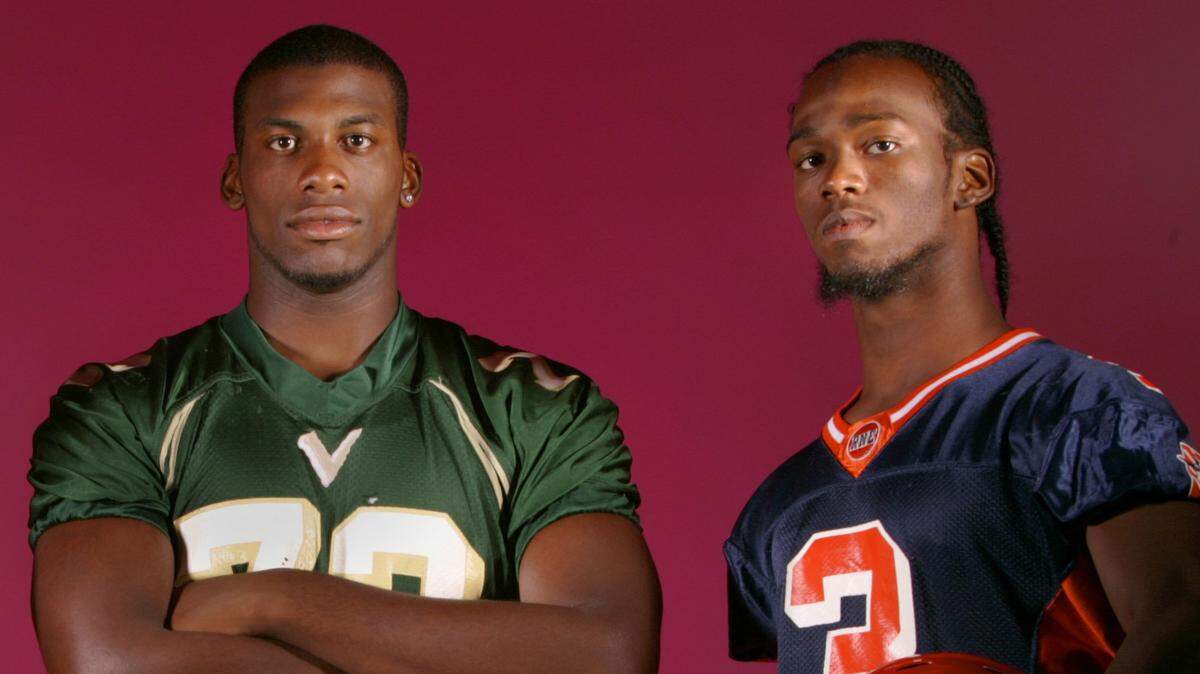
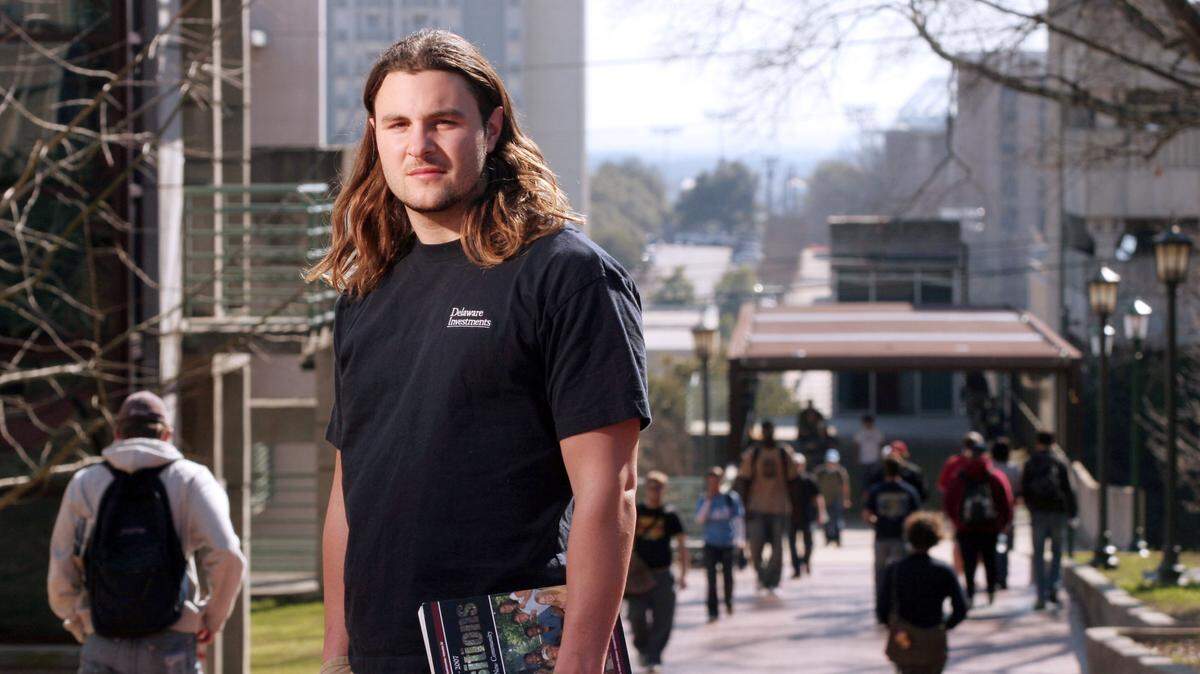
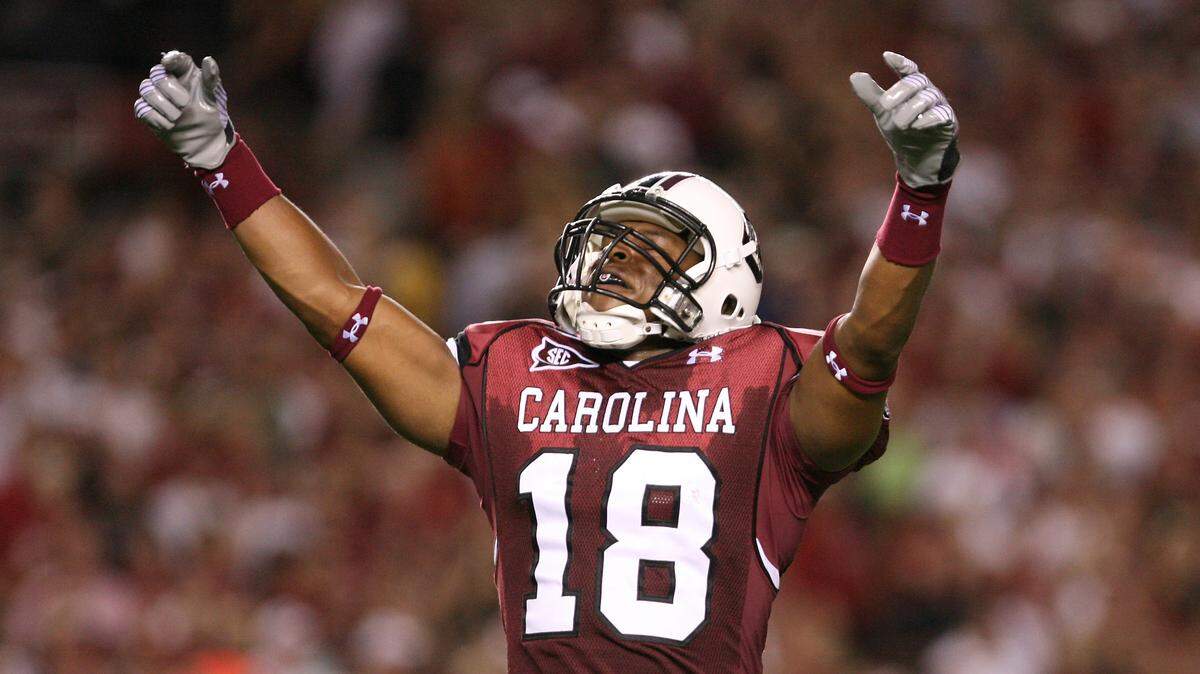
Mark Barnes was 6-foot-2, 194 pounds. He played offense and defense for a state finalist at Richland Northeast High School. He was considered the No. 102 recruit in the country by Rivals in 2007, when he was a part of the highest-rated recruiting class South Carolina ever assembled.
That four-star rating gave fans an image of what Mark Barnes could be, and it would be the backdrop by which his career would be judged.
It couldn’t foreshadow never settling at a position, or never quite fitting with his coach after a moment early in his career. It couldn’t show a young man who had been making family decisions since he was 12 and for whom a lack of support behind him would ultimately play a role in what came to pass.
“Wish it would’ve been a little bit different,” Barnes told The State, adding that he loved parts of his experience with the Gamecocks. “Everything happens for a reason.”
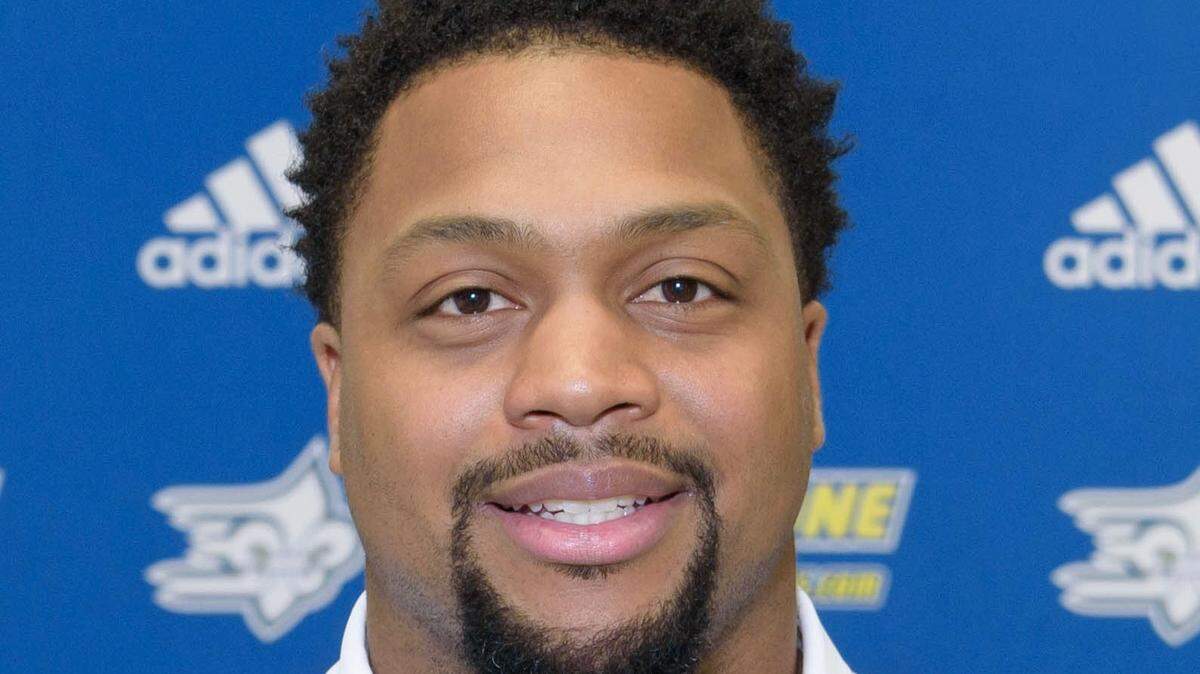
Barnes today lives in Denver, Colorado. He works as a delivery driver for Amazon. He’s trying to get into coaching but hasn’t had time to do it as a volunteer of late, owing to a recent move and taking care of family.
He wants to take some lessons from his playing days to that role, namely treat those he coaches in a way he felt he wasn’t treated.
“In my personal view, I don’t want to step out on the field until I’m absolutely ready,” Barnes said. “When I say I’m absolutely ready, meaning I put the past behind me, and none of that is hindering me from giving good advice or giving great details into any category when it comes to football in general.
“I want to be as genuine and as real as I can be. It was displayed to me that way, but it wasn’t that way.”
‘They just lucked up, truthfully’
Going to South Carolina had not been Barnes’ plan.
He had dreams of joining Louisville’s high-flying squad under Bobby Petrino. But after posting an all-state season, he watched Petrino move on to the Atlanta Falcons.
“I really wasn’t going to South Carolina,” Barnes said. “They just lucked up, truthfully, for me to go there.”
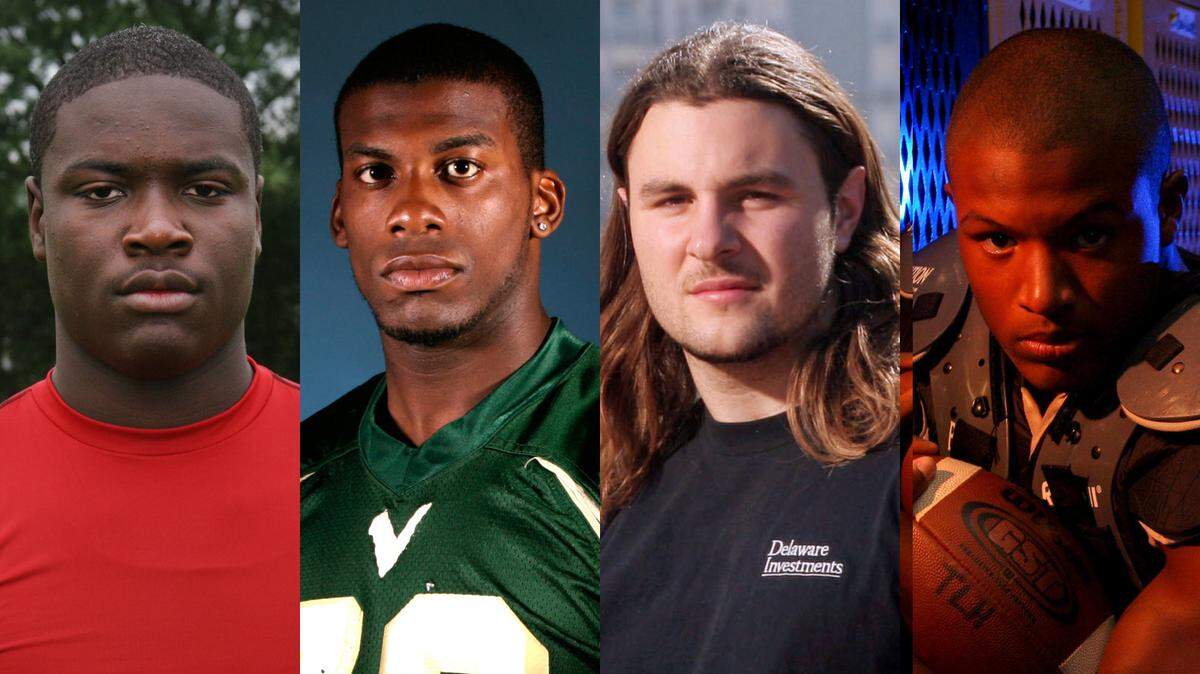
He had a choice to make. His family was already in Columbia. A friend, four-star Spring Valley High School lineman Quintin Richardson, was already part of USC’s class.
So Barnes decided to stay put and join the hometown team.
He’d been part of a 13-2 team in 2005, posting 545 receiving yards yards and five interceptions on defense. A year later, he had 86 tackles and four interceptions while producing mostly on defense (he caught only eight passes, but had three touchdowns).
“Mark was an incredible athlete,” former Richland Northeast coach Jay Frye said. “Could really move and really played on both sides of the ball for us.
“He was just an impressive-looking physical specimen. Was really a great player for us.”
Barnes got on the field quickly once he got to USC’s campus, but that didn’t lead where he or anyone else hoped.
That rough patch
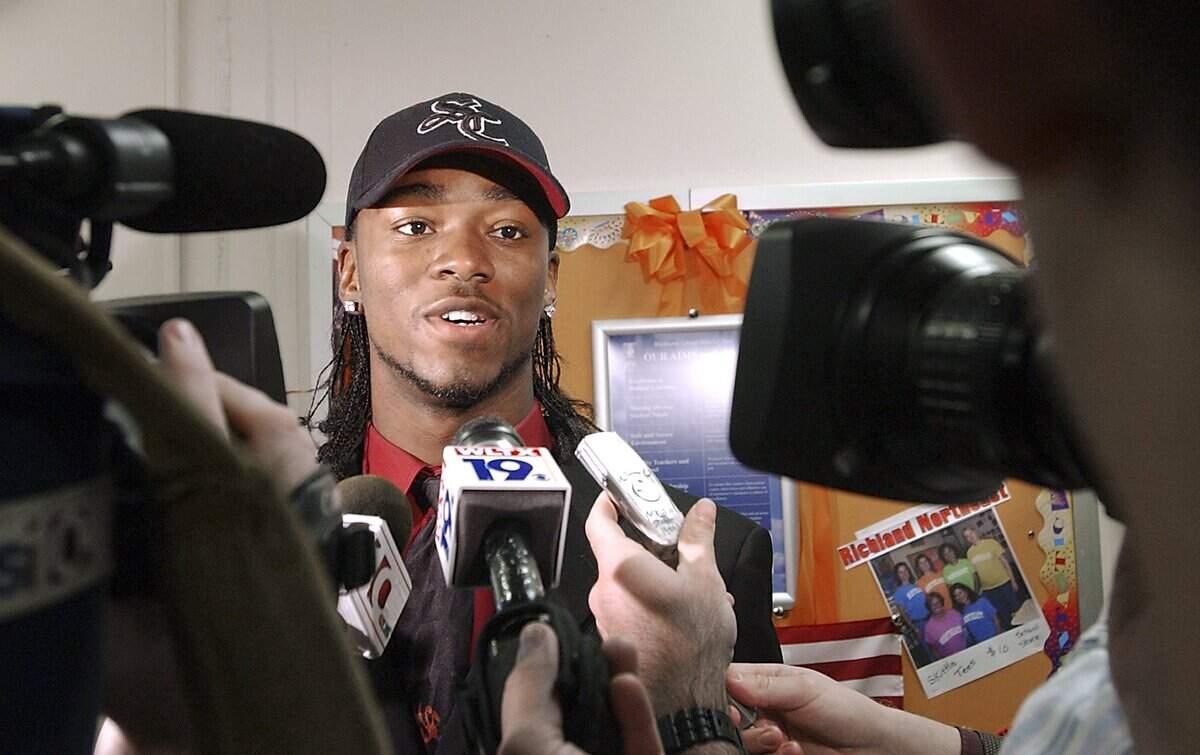
Barnes didn’t play in his first two games, but in his third he managed to make a career highlight.
He was in late in a blowout win against FCS South Carolina State. With 9:58 left, he hauled in his first career catch, a 6-year score from Blake Mitchell.
The reception got him a postgame interview, which ended up one of the first of a few incidents that soured things.
“Steve Spurrier Jr., he was the only reason why, first catch, first touchdown as a true freshman,” Barnes said. “Only reason why. Only reason why I really played, truthfully.
“Me and Steve Spurrier, I guess didn’t see eye to eye.”
Barnes says one element of that stemmed from that interview after S.C. State. He felt he answered a question directly, but wasn’t yet trained to deflect credit in the way athletes often do. He thinks that was a mistake in Steve Spurrier’s eyes.
Barnes and the head coach also had differences, he said, when it came to how he should play receiver and if he should play receiver.
From Barnes’ perspective he specialized in timing stick routes, which weren’t emphasized in USC’s schemes. He also had a habit of making one-handed grabs in practice, which drew some ire from the coaches.
And his career hit one of the biggest snags a college career can, indecision as to where to play him. Barnes had been at safety through part of August camp before moving to play with Spurrier Jr.’s receivers. During spring ball in 2008, he was moved back after his freshman season.
“When I first came in, they were arguing about which side of the ball did they want me on,” Barnes said. “At the end of the day, just put me in wherever the team needs me. Whatever it needs to be. If I need to be a wide receiver, I’ll play wide receiver. If I need to play safety, I’ll play safety.”
He recalled from his sophomore season missing a chance to spend time with his dying grandmother for a game against LSU. He felt the staff held out the chance to play as a carrot to get him to that game, but he did not see the field.
Frye remembers watching all of it with a sense of frustration for his former player.
“I was always hoping he would step up and get a chance to play,” Frye said. “I know he was a little discouraged at times. I think he had some injuries that really held him back a little bit.
“I was really looking forward to him getting an opportunity and cashing in on it. It just never quite worked out for him.”
They talked sometimes during that stretch, but for the most part the high school coach let his charge do his own thing. There was something difficult in knowing a player was talented, had the physical skills, but things just weren’t coming together.
And behind all of it was the backdrop of his family.
His mother had been disabled since he was in middle school, forcing more responsibility on him.
“At 12, I pretty much grew up,” Barnes said. “I had to face a lot of things.”
He said that experience molded him and made him dedicated, but it also put a tremendous amount of emotional pressure on him. He admitted he was depressed at times, and that experience did not bode well for dealing with the pressures of struggling through a college football career.
“A lot of kids don’t understand. It’s a lot of politics at play within that,” Barnes said. “If you don’t have the backing — when I say backing, like if you don’t have the support system, as in, your mom, your father, and anybody else that could actually help you get to that next level — it could be a bumpy ride.
“In my role, politics just got the best of my situation because I didn’t have the support.”
Working with the next generation
Barnes left South Carolina after two years at the school.
He considered transferring to Florida A&M, but ended up staying in Columbia and working. He said family was his main focus since his playing days ended.
“Just pretty much maintaining,” Barnes said, “taking care of my mom and my little brother back up there before I went to USC. My main objective is keeping them afloat.”
Now out west, he wants to get back to the game.
Several members of his recruiting class have ties to the Denver area. Fellow wide receiver Jason Barnes played for an indoor football team there and is now coaching at Dutch Fork in Columbia. Richardson, who helped bring him to USC, is also in Denver and coaching.
He’s looking forward to getting back on a field.
“I can tell you one thing, it took a lot of weight off my shoulders because I’ve been meaning to get back to it,” Barnes said. “It’s just, after that rough patch at USC, it was hard to shake for a while.”
He went through most of the turbulence a top recruit can. His first plan fell through. Plan B didn’t work out. He never settled into one place on his team, and didn’t feel in tune with his coaches.
Now he’s working in a different place, with a new start of sorts and a goal, one far removed from the hype that built around him but still tied to that game.
“Hopefully sooner or later, I’ll be back on the field tutoring these kids,” Barnes said. “Give them a great point of view on the game, about life in general.”
This story was originally published February 15, 2019 at 7:44 AM.

.jpg)