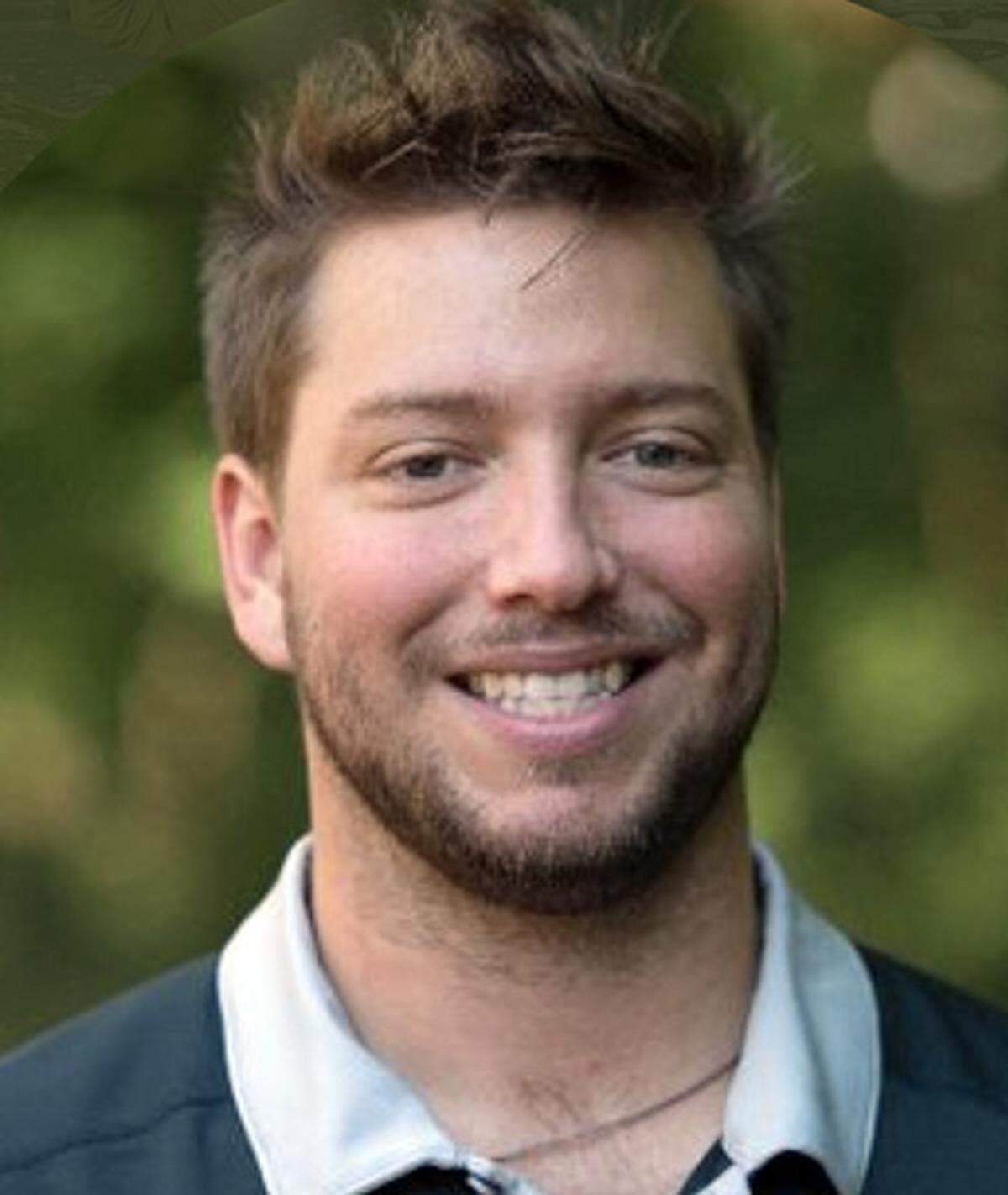
The XFL, Spurrier and QB recruiting: Catching up with ex-Gamecock assistant G.A. Mangus
Former South Carolina offensive coordinator G.A. Mangus is taking it all in these days.
In between a spell coaching with the XFL’s New York Guardians, he’s golfing more and spending an increasing amount of time with his two daughters, who still go to high school in the Columbia area.
The former Florida quarterback and Gamecocks assistant also dipped over to Williams-Brice Stadium two weeks ago to attend Connor Shaw’s induction into the South Carolina Athletics Hall of Fame.
Mangus took some time to speak with The State on his seven-year run at South Carolina, what he’s been up to since and his memories from the tail end of the Steve Spurrier era.
These responses have been edited for clarity and brevity.
Ben Portnoy: It’s been a bit since you were the offensive coordinator in Columbia. What’ve you been up to in the interim?
G.A. Mangus: “(I’ve been) bouncing around. Got (to be) the offensive coordinator there for the XFL’s New York Guardians with (head coach) Kevin Gilbride. Obviously, we got cut short there in the middle of the season because of COVID. Been kind of waiting to go back to work, and get that thing cranked back up.
There’s all kinds of things going on, USFL/XFL, the whole deal there. Coaching pro ball the last couple years has been fun.
In the meantime, here this fall, helping some colleges as an online analyst and helping them in game planning and future scouting. Some young staffs, helping them (with) practice plans and what have you on the offensive side. That’s kept me busy, playing some golf and raising girls.”
You mention working in the XFL. How different was that as an experience compared to college? What were some of the similarities or differences?
GM: “It was a lot of fun. It was unique. Vince McMahon had that thing really kind of figured out. The way it was, I still got to live here in (Columbia, South Carolina), which was great. We only really had to be in New York during the season. We would fly up once every six weeks or so and do full staff meetings.
Other than that, we did Zoom meetings for offense when we were putting together the playbook and things of that nature. We were kind of Zoom before anybody really knew what Zoom was pre-COVID. It was great and allowed you to be home and get that thing started. Being on the ground floor of that was a really cool experience.”
To that point, what was it like building a pro roster compared to recruiting a college one?
GM: “You’ve got less people. We were allowed 70-plus — in that range — for camp and then we had to cut down to that same roster size as the NFL in terms of practice squad guys and (injured reserve) and all that kind of stuff. You’ve got to get into it a little more where you’re very limited at positions whereas you have 85 scholarships, plus walk-ons and now the transfer portal (in college). There’s so much going on that’s different at all levels. There are similarities, but obviously (rosters are) not as deep at each position.
A lot goes into it because I guess the misses, so to speak, you don’t have the roster depth you do at the (college) level. You can always go pick up somebody else — a free agent and your practice squad and things of that nature for injury. You had to take all that into consideration when you’re putting it together and doing it from the ground floor with all new staff, whether it be personnel, and all their experiences.”
Looking back a little bit now, what are some of the memories that you have from your time at South Carolina that stand out?
GM: “Great memories. I mean, we had moved here and (Spurrier) hired me and a bunch of others when that was a major change after (four) seasons. That original staff, we kind of started out and there’s the similarities of being on the ground floor and working it up. Everybody that was on that staff, we had a great unified staff. Everybody got along and (Spurrier) did a great job with that on offense, defense and special teams.
It didn’t happen overnight that first season in 2009, but we had recruited some good young players and felt that year kind of established the blocks and the following year, the rest is history in that 2010, 2011, 2013 run. Even through 2014 offensively with Dylan (Thompson). Obviously it didn’t end the way it started. You wish maybe that wouldn’t have happened, but those years from (2010 to 2014) with that staff, those are the things you just never forget.”
You had both Connor Shaw and Dylan Thompson as quarterbacks back to back. Is there a point with guys like that where you really know they’re going to be as good as they were?
GM: “Connor was such a good athlete when I was recruiting him in high school. He played all kinds of positions, and good athletes is what I have always wanted to be around — not necessarily a polished quarterback so to speak. I want them to still have some room before the ceiling so they can develop because that 18- to 22-year-old age group, there’s just so much change that can happen physically, mentally, you name it.
... Connor only weighed — I was kidding him — he only weighed 165 pounds, 5-10 and a half or something like that. Maybe 5-11 and change at that time. Physically, he was not an imposing guy when he was a junior in high school and we first started recruiting him. I had known him for so long, so I knew he was going to get big enough. But his competitiveness, all that stuff with you can see that.
Dylan came to camp and we’d do little games there at one-day camps and kind of give a chance to kind of see where their athleticism. ... Dylan was a unique guy — I think size 15 shoes when he was in high school. He’s a good basketball player. He had upside as an athlete and we had kind of said we were gonna take two (quarterbacks) in that class. But we knew Dylan, if he grew into his speed, who knows — he might be a tight end. You never know. He was a good athlete. We didn’t know at the time he had a lot of developing (to do). But that’s your job.”
Spurrier would joke about wanting Connor to throw more. How’d you see that?
GM: “The way we were built, when we threw the ball so many times there was a threshold. You remember the Alabama game, Stephen (Garcia) was what? 19 of 21 for 270-some odd yards and then almost played the perfect game. I think he (had) two incompletions. But if it was one of those where he throws the ball 40 times, typically, we were on the wrong side of the ledger at the end of fourth quarter.
When we were balanced, we were good in those times. We had a hell of a running game with Marcus (Lattimore) and Brandon (Wilds), Kenny Miles. There were so many guys, Mike Davis, depending on the year.
Connor early, (Spurrier) wanted him to throw it. As a coach who had not coached very many guys through his career (that could run), he had not been around a lot of guys (like that). Connor was unique in being able to run around and use his feet as a legitimate option. There hadn’t been a ton of guys through (Spurrier’s) Florida years that did that. When they’re young like that and you’re trying to hone them into becoming a drop-back quarterback and then use their feet as an extra weapon, it takes some time. It takes confidence, especially when you’re only 6-foot tall.
I think there early when he would take off (it frustrated Spurrier). But so many times when he took off, the end result was positive. And so while it was a frustrating time, I think it was also, for (Spurrier), I think it was also what made him such a great coach through his entire career. He always had the ability and the want to to get better and do whatever to give himself the best chance to win the game.”
Steve has obviously been very involved in the offense wherever he’s been. What’s that like as an offensive coordinator? How did that affect play-calling, day-to-day, etc.?
GM: “Oh, hell, maybe we can write a book about that one day. You know what? It worked for us. It was interesting. I mean, (Spurrier) and I go so far back in terms of that I played for him (at Florida) and then he gave me my first job as a grad assistant back in the day. So, I was very fortunate to have been around him a lot in different ways and that helped me very much in my career.
Getting to call plays as a young coach and in different places, different stops and we were always on the same page. Whether it was Eric Wolford and then Shawn (Elliott) after him, it was always a collective deal and on game days. It was unique sometimes, but there was never a time when we weren’t on the same page in terms of what we felt like once we got adjusted.
When (Spurrier) hired me and Eric in 2009, those were kind of different things, different systems that (Spurrier) had not done much through the Florida years. But that again, that’s what he wanted to do and that’s what he felt like he needed to do in order to kind of get South Carolina to the next level. And his decision was correct, as most of his decisions have been as a head coach. That’s why he’s had so much success.
So when we put that change in the playbook and then went to an up-tempo (offense) and with the no huddle and all those things, it was an adjustment period for a lot of people. But again, kind of doing that from scratch and starting over was also part of the fun of it. It may have looked like more chaos to some people, but it was organized chaos and it worked out pretty darn well for us.”
Speaking of books you could write, you were part of Steve’s final year at South Carolina and his mid-season retirement. How would you describe that year and what do you remember from it?
GM: “... Anybody that’s coached knows that sometimes it doesn’t necessarily end the way we all want it to and and when it happens mid-season that was a different. That was something I had never experienced. Probably most people on our staff I don’t think had experienced that.
The big thing is that you’re doing it for the right reasons — which we were — in terms of you always care about the players. ‘Cause we’re all grown a— men and we’ve coached at different places and you get fired, you get let go, you get another job, but at the end of the day those 18 to 22-year old kids in the locker room — that’s how you got to try to rally.
(After Spurrier retired), we had Vanderbilt coming up and we had to go try to find a way to win that Vanderbilt game and that’s all that matters at the time and trying to get the kids to focus. We won that game under very different, unique experiences. I think about that week, quite a few of the players rallying together and coming out there and struggling a little bit and we ended up finding a way to get it done and they managed to get a victory. I tell you what, they played their tails off for most of the rest of the season. Just didn’t quite go our way in some games.”
Was there any conversation about you becoming the interim head coach during that time?
GM: “Oh, it was good. We went back and Ray (Tanner) had gone around and talked to a bunch of people at that time. You don’t worry about things you can’t control. At that time we’re just trying to figure it out and go rally the troops. But yeah, all those are decisions that were made by people that I surely didn’t have any control over.”
South Carolina fans talk a ton about Mason Rudolph and Jacob Park and what it’d have been like to have them in Columbia. What, if anything, do you remember about those guys as high school players or where they stood when it came to USC’s recruiting board?
GM: “All those guys always came and camped (at South Carolina). And depending on where we were in some cycles recruiting — that was one of those years where we weren’t going to take somebody at that time, because we had very (few) scholarships. And whoever is available at the time, you’re going to take your time again to catch up and that was kind of the very beginning of of committing early.
Jacob, I think his original place he went was what, Georgia? He was a guy that had moved (into South Carolina). I just remember meeting them at camp and coming in, I think, originally might have been a (New Jersey) or New York guy. They moved down to Charleston. But, hey, you go do the deal and you recruit a bunch of people and they come in and (reporters) like to make that stuff a bigger deal. Six years ago, hell, I can’t remember. I can’t remember what my kids had for breakfast yesterday, much less details of all that.
Mason obviously went off and had a wonderful career at Oklahoma State and committed very early. I know he had camped with us and he wanted to make a decision early and committed there and it was a good place (for him). A lot of times fans like to make a big deal. But if you ask Mason about it, when you get to go play, and you play a bunch and you have success and you get to find the right fit in an offense, (that’s good).
At that time we were coming off all the success we had with athletic, zone read and stuff we were doing offensively at the time and sometimes you find a place that’s a little bit more suitable for you at the time. I appreciate his success and then enjoyed watching him and he had a nice little career out there.”
This story was originally published November 2, 2021 at 5:00 AM.