
Tracking major changes to Williams-Brice Stadium over the years
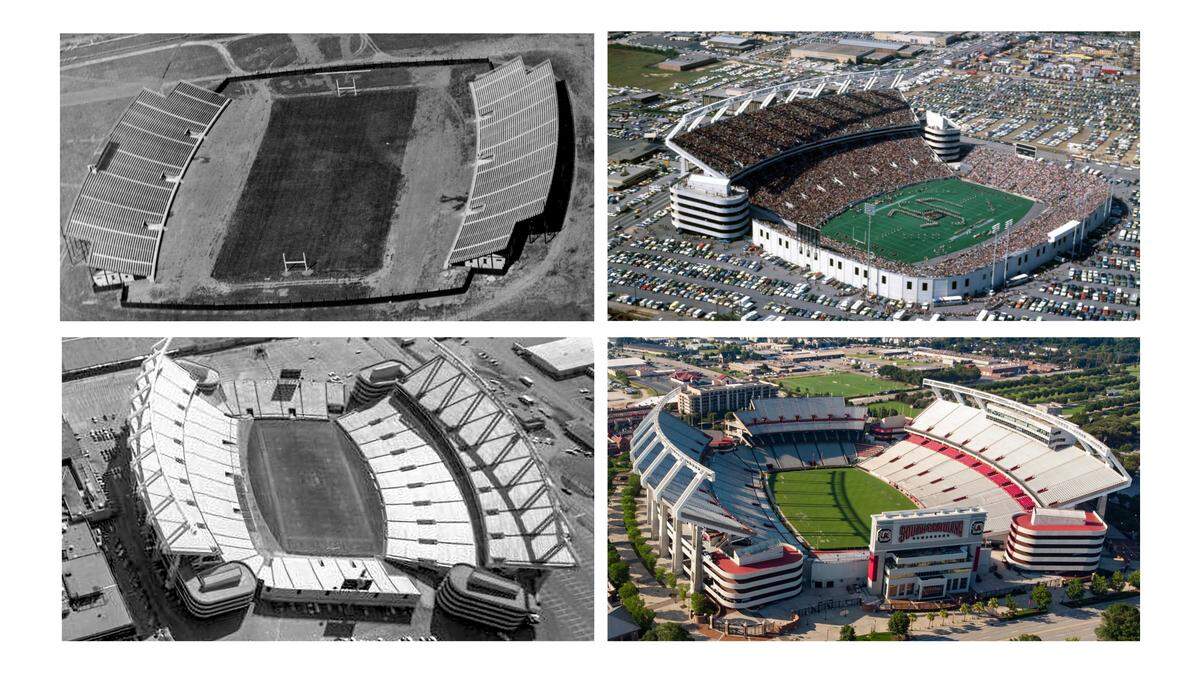
The next big modification to Williams-Brice Stadium, home of the South Carolina Gamecocks, is officially on the drawing board.
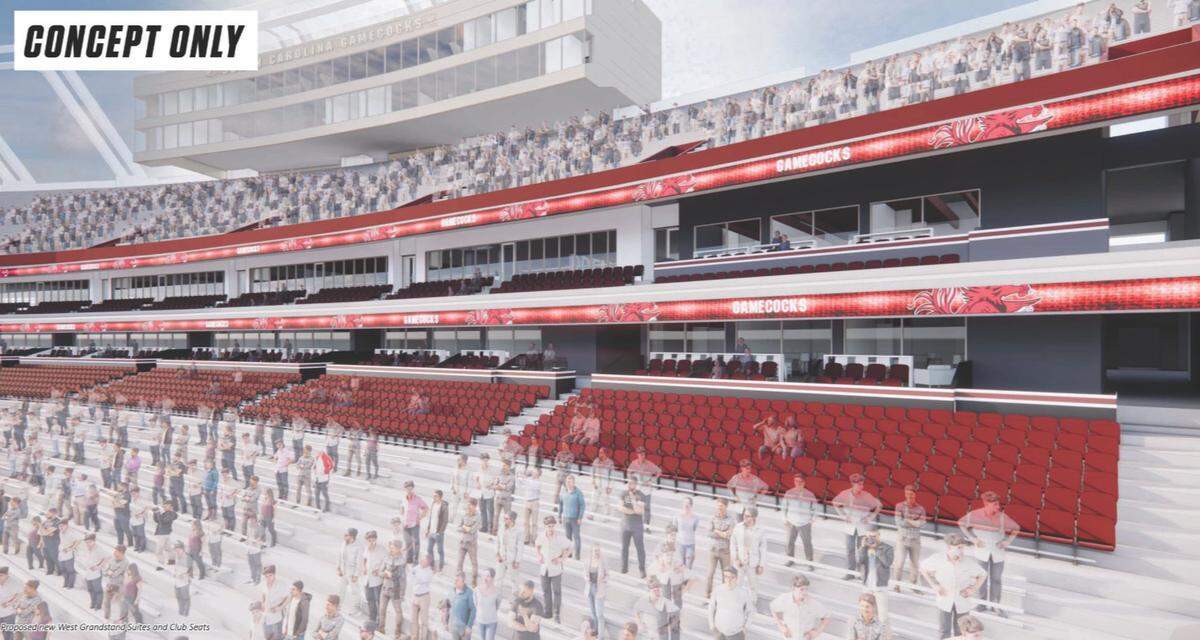
The university’s Board of Trustees on Oct. 25 approved the first step of a process that will add 65 or so new premium suites and other high-end club space. It’s part of what USC touts as a “major modernization” of a stadium with a history that dates back almost 100 years.
Construction on those suites won’t begin until after the 2025 season, USC said, with other to-be-determined upgrades coming to other parts of the stadium in the years to follow.
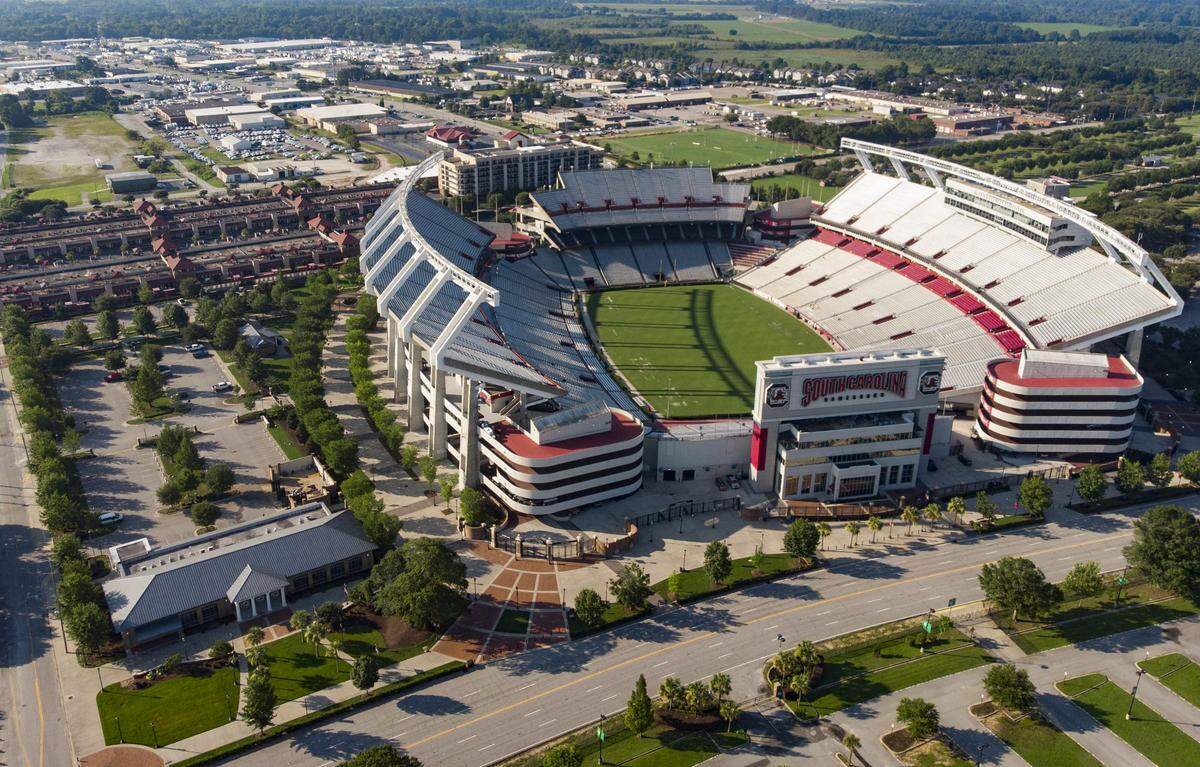
The stadium itself has been at its Columbia location between Bluff and Shop roads for 90 years. The namesake of the venue extends back 100 years or more.
Williams-Brice Stadium history
Ever wonder how Williams-Brice Stadium got its name?
It’s named for Martha Williams-Brice, a Sumter woman whose family fortune came from their furniture factory Williams Furniture Co.
The Williams and Brice families had a fond place in their hearts for USC. Thomas Brice graduated from USC, where he played football from 1921-1924.

In 1971-72, the estate of Martha Williams-Brice and Thomas H. Brice donated $3.5 million to the University of South Carolina, much of which was used to renovate the football stadium.
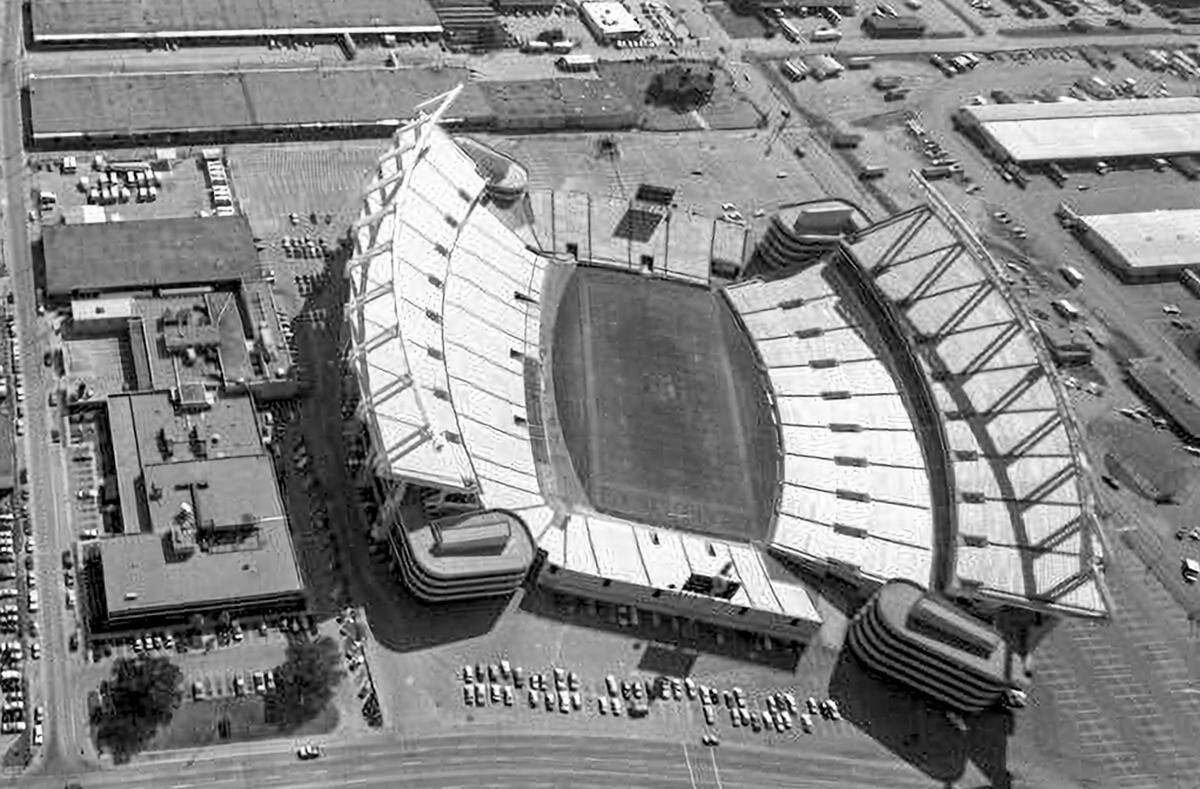
The entire west side of the stadium was replaced, including a lower grandstand. An upper deck was added to increase the seating capacity to 56,400.
The name was officially changed from Carolina Stadium to Williams-Brice Stadium in dedication ceremonies during the Sept. 9, 1972 opener with Virginia.
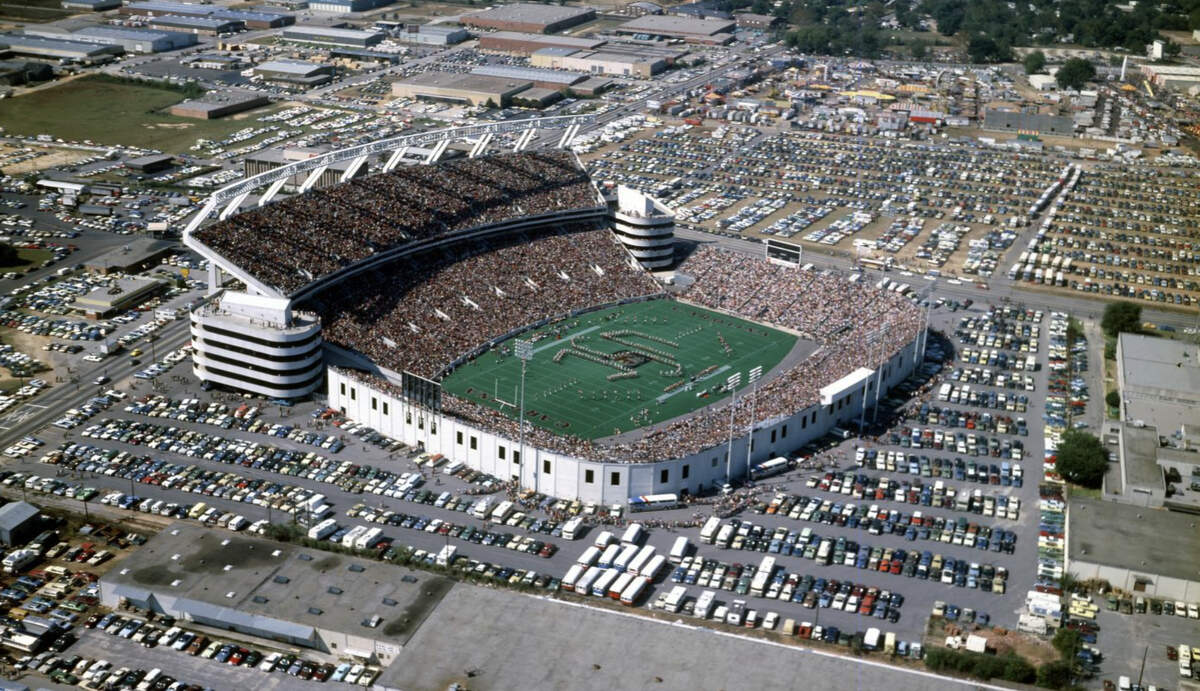
Tracking changes to the stadium
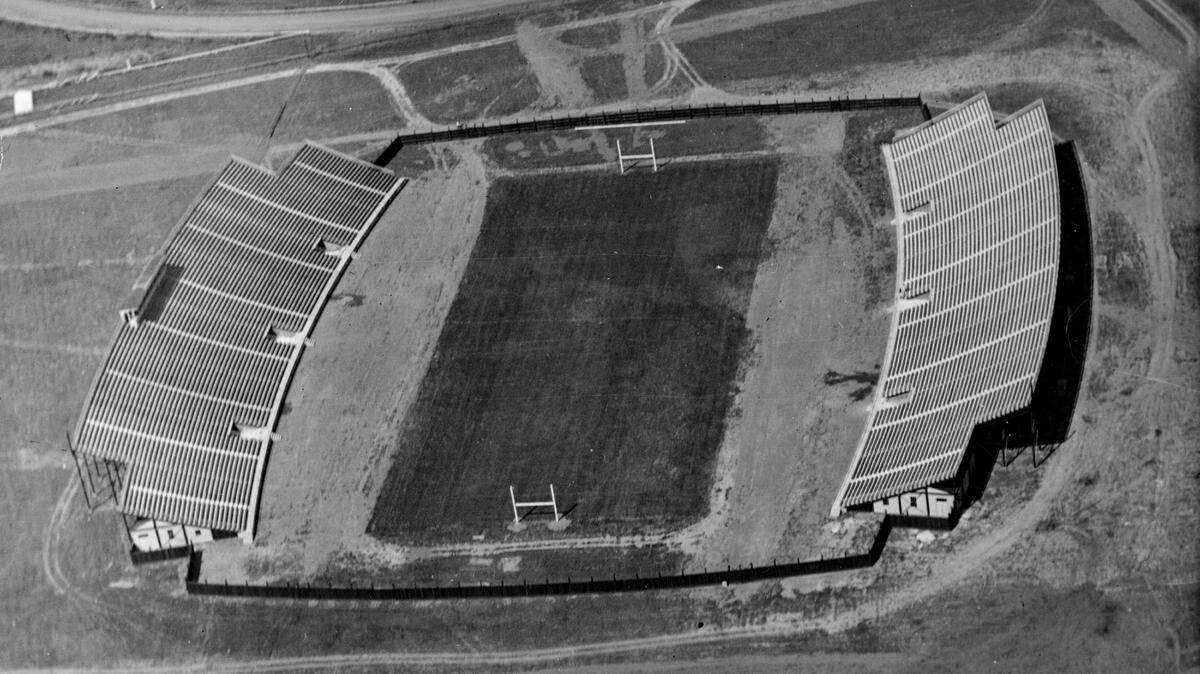
The original stadium, which was constructed by the city of Columbia in 1934, sat 17,600 fans. Known as Columbia Municipal Stadium, it was surrounded by a wooden fence built by workers through the Works Progress Administration, which was a federal program aimed at putting people back to work after The Great Depression.
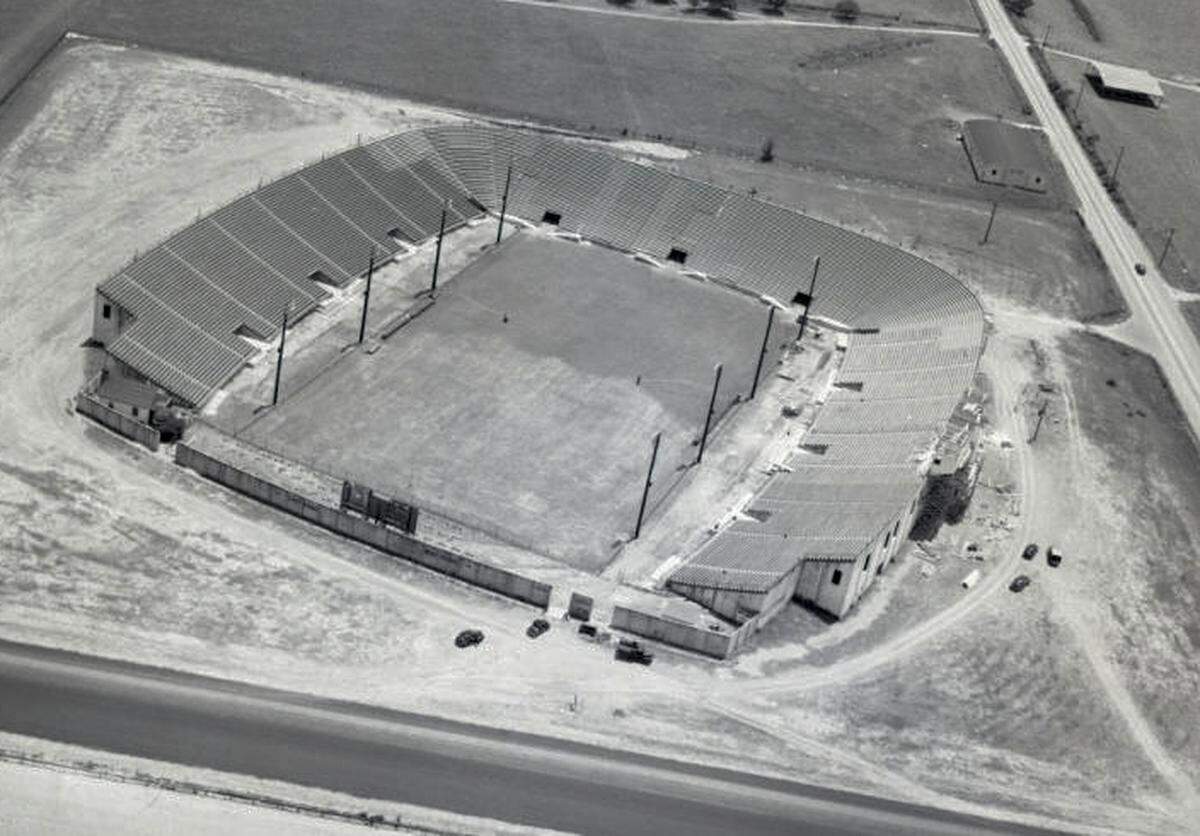
The city deeded the stadium to the University of South Carolina in 1941 and the name was changed to Carolina Stadium.
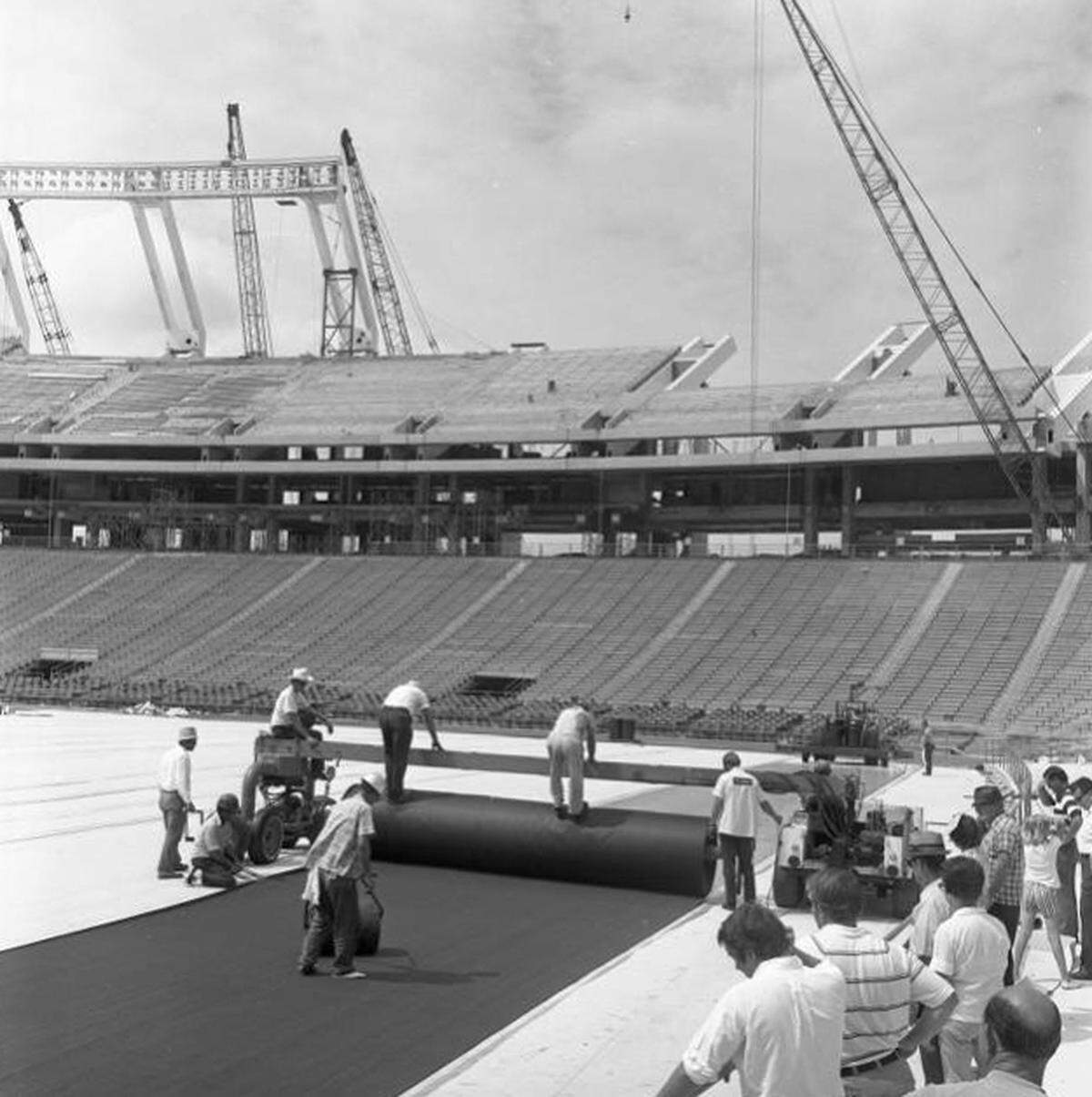
As part of the renovations in the 1970s, the “Carpet the Cockpit” campaign raised money to install Astroturf, which was later removed after realizing the synthetic grass significantly raised temperatures on the playing field.
The addition in 1982 of an upper deck on the east side boosted capacity to 72,000.
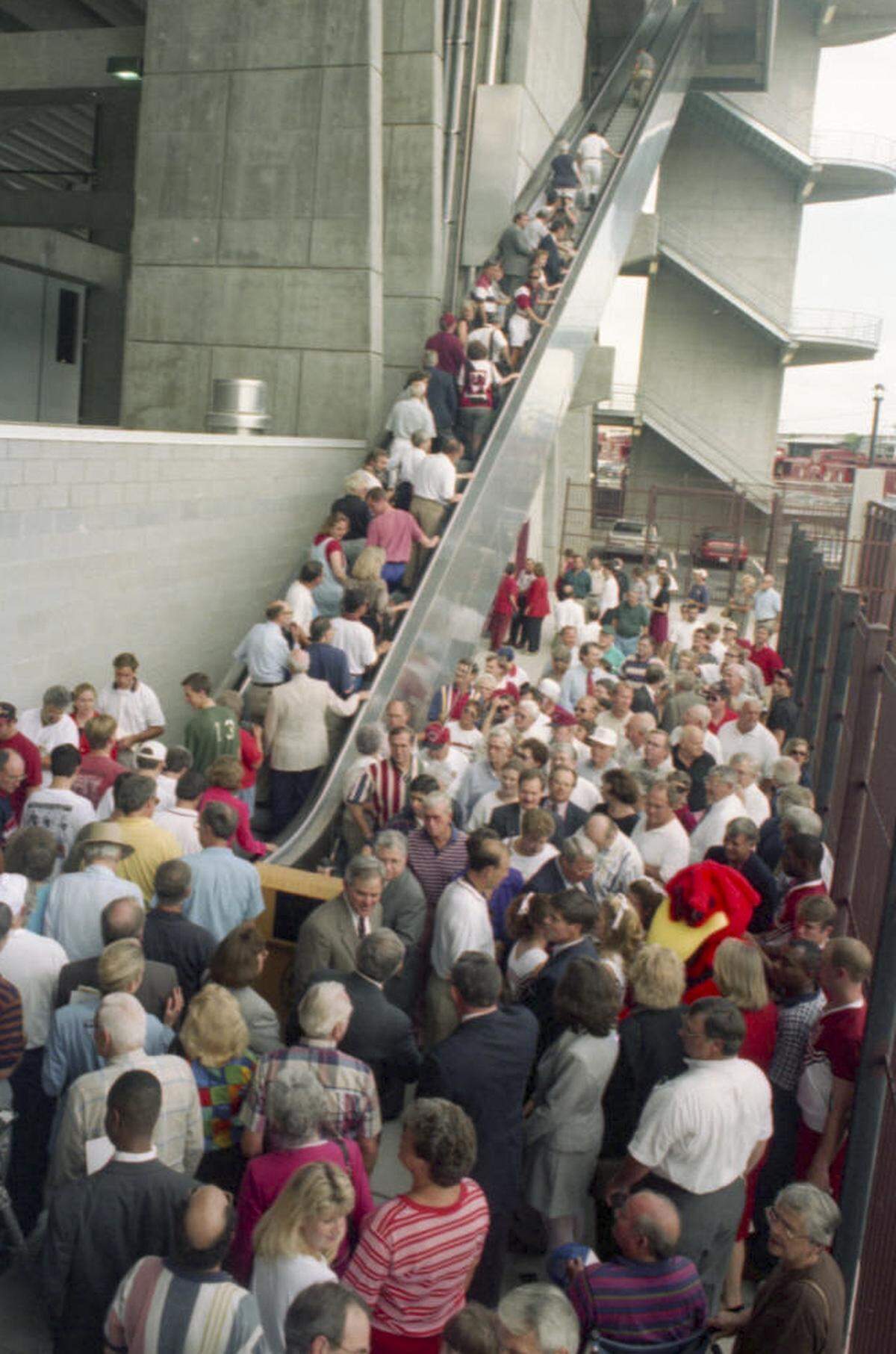
In the late 1990s, luxury suites, club seats and a new press box were added. Seating grew to 80,250 with the addition of The Zone to the south end-zone that featured upscale dining and an escalator accessible from the parking lot.
When it was built, the escalator was the longest in South Carolina and the second-longest in the Southeastern United States, capable of carrying more than 4,000 people per hour.
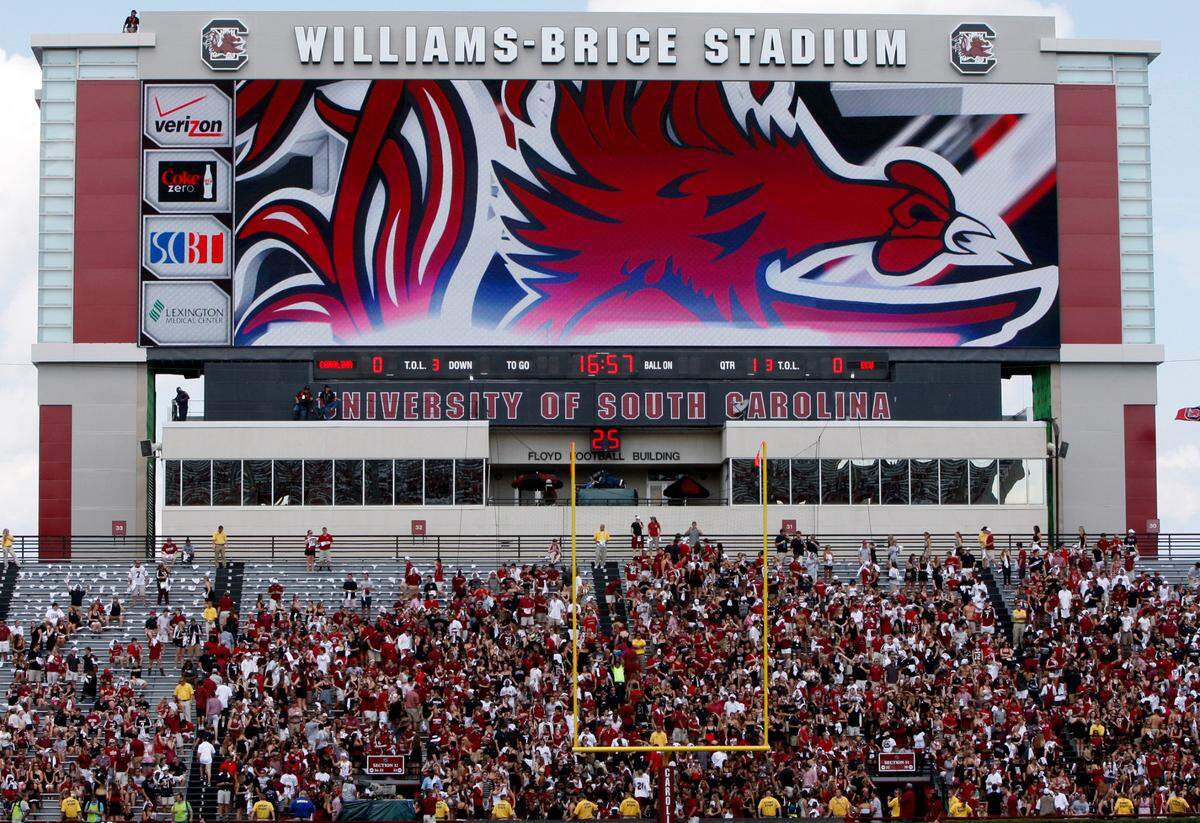
A $65 million video board in 2012. At that time, measuring 36-by-124-feet, it was the third-largest in the SEC.
In 2012 the former farmer’s market was transformed into a 50-acre tailgating facility. Gamecock Park can accommodate parking and tailgating for more than 3,000 vehicles.
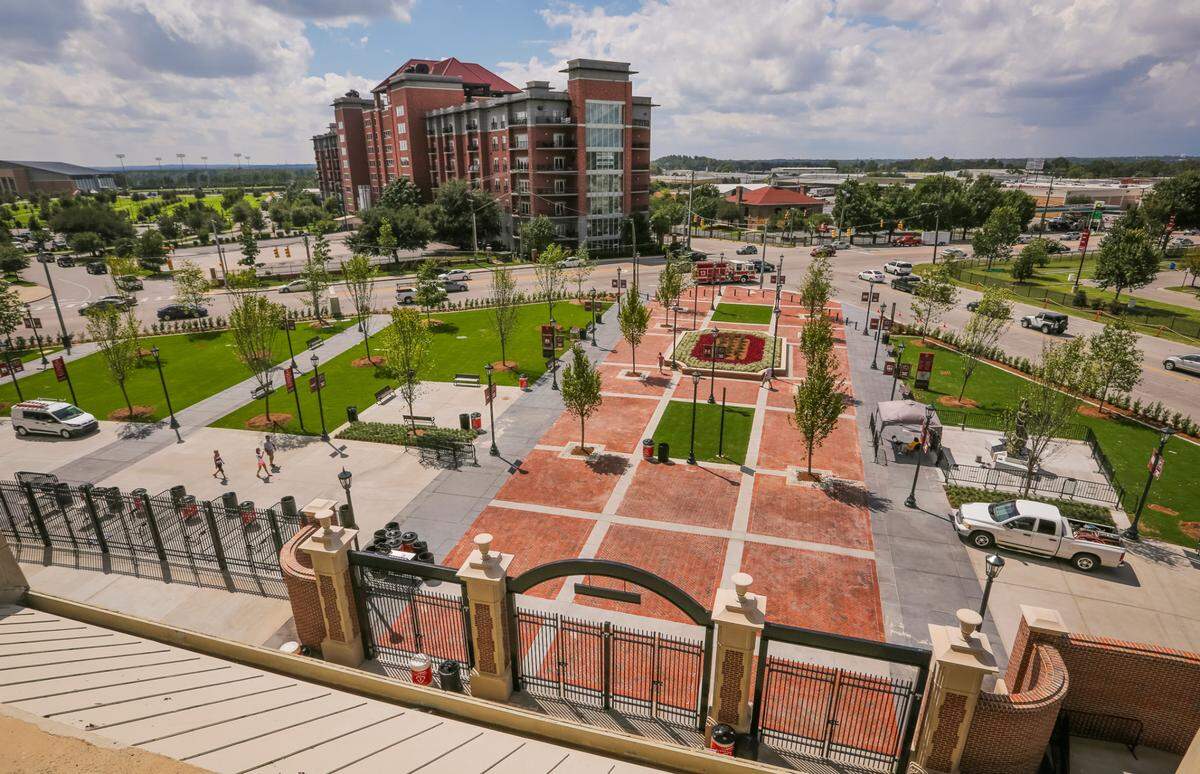
Following that, $14.5 million went to outside aesthetics with the creation of Springs Brooks Plaza. Where parking lots once dominated, brick-lined walkways, green space, trees and a statue of Heisman Trophy winner George Rogers were added in 2015.
After those changes, $22.5 million went into creating premium club spaces in 2020 including the Traditions Club, Horseshoe Club, Cockaboose Club and the 2001 Club. All together they provide 50,895-square-feet of air-conditioned space.
In 2022 new ribbon boards and LED lighting within the seating bowl and a new stadium-wide sound system were added.
The Future
Phase 1 of a multi-phase redesign of Williams-Brice Stadium has begun, with plans to significantly increase the number of premium seating options on the west side. According to the University of South Carolina, the renovation will cost between $180 million and $200 million, primarily funded by capital gifts, premium seating sales and licensing, and related annual revenue. The goal is to complete the work by 2027.
Renderings presented by the school include 30 traditional suites and six founders suites within the new premium and suite levels. South Carolina has said it wants to eventually grow from its current number of 18 suites to 83.
Those changes are expected to reduce overall seating capacity to the low 70,000s.
Additional plans include:
- Improved concessions and restrooms throughout the stadium
- West ground-level concourse
- North end zone seating and amenities
- Additional loge seating
- Terrace deck social spaces
- Other operational improvements
In addition to the work inside the stadium, the university plans to create a retail, food and lodging district on land adjacent to the stadium. The university owns about 800 acres behind the football operations building.
This story was originally published October 29, 2024 at 7:00 AM.