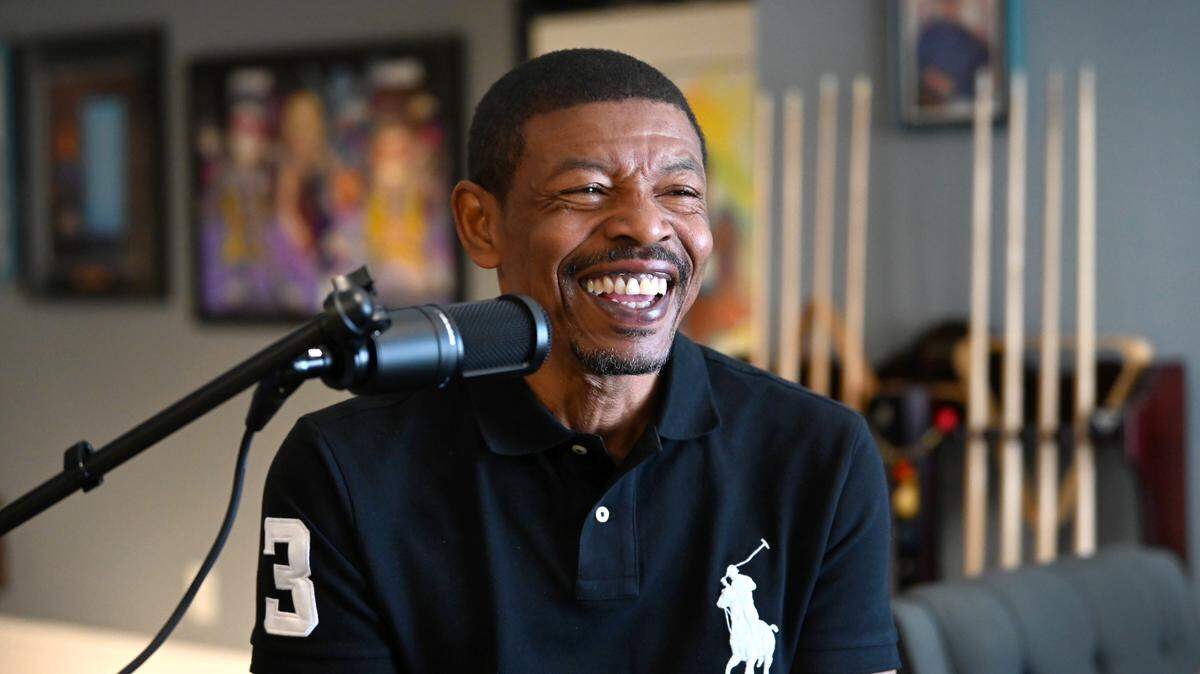
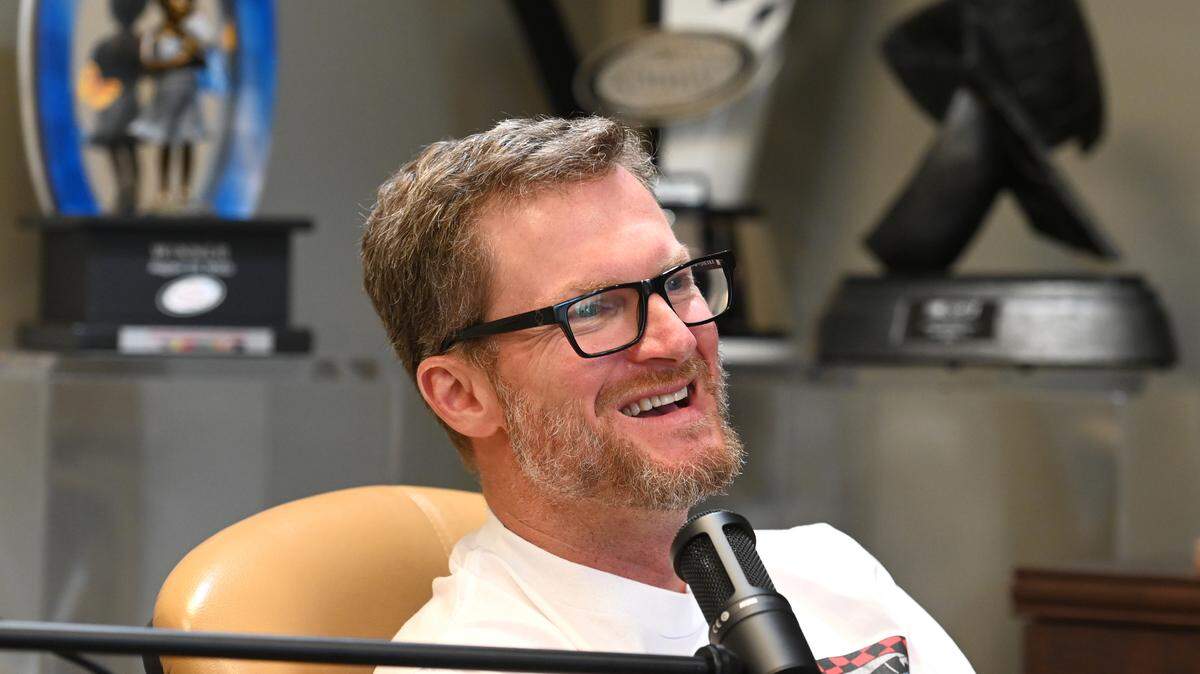
Exclusive: Charlie Scott on racism, trailblazing, Dean Smith and why he chose UNC
READ MORE
Sports Legends of the Carolinas
We know they’re legends. But what’s their side of the story? Conversations with the best in Carolina sports history, hosted by Scott Fowler.
Expand All
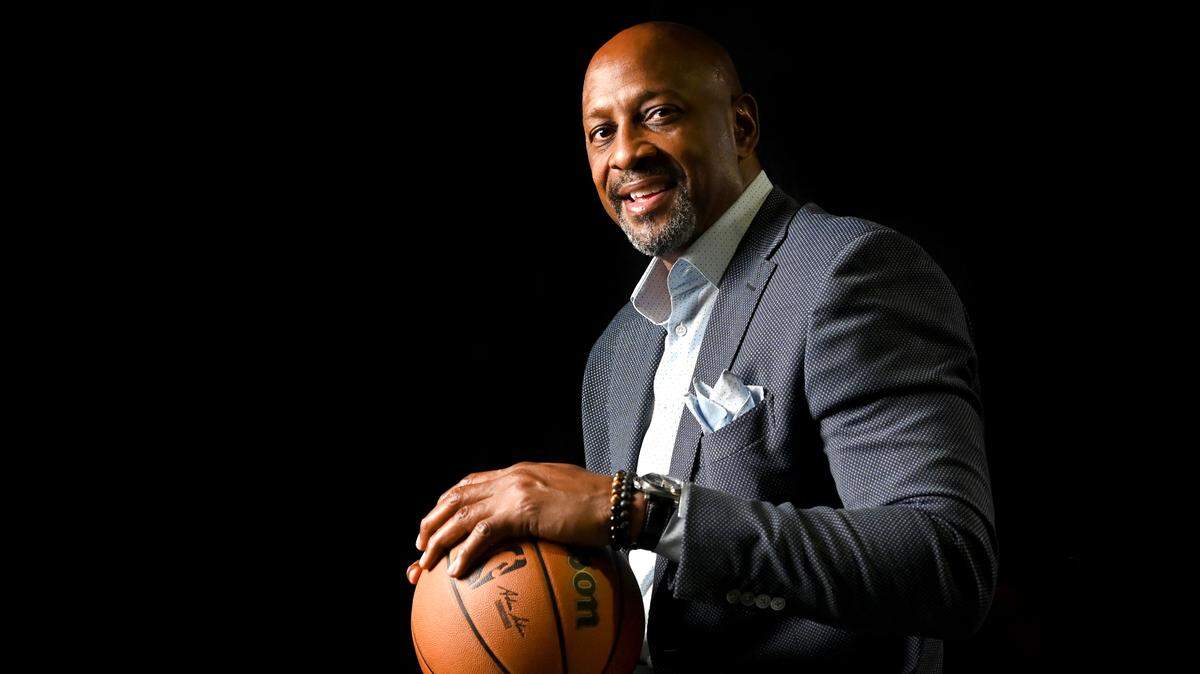
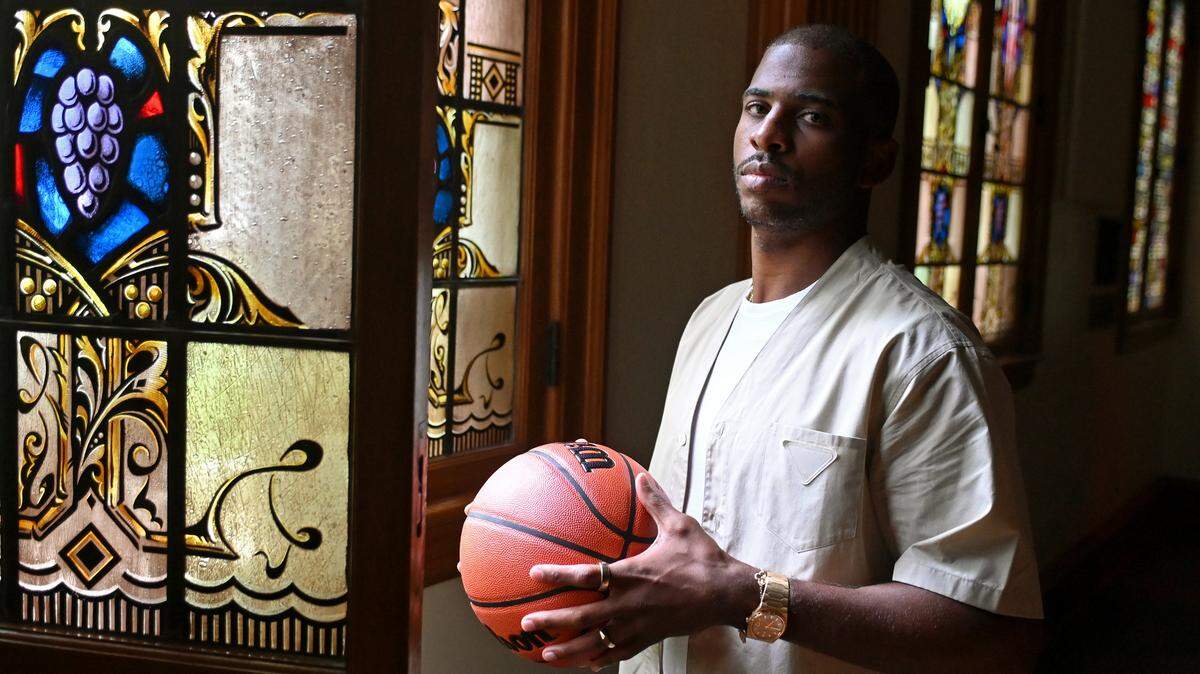
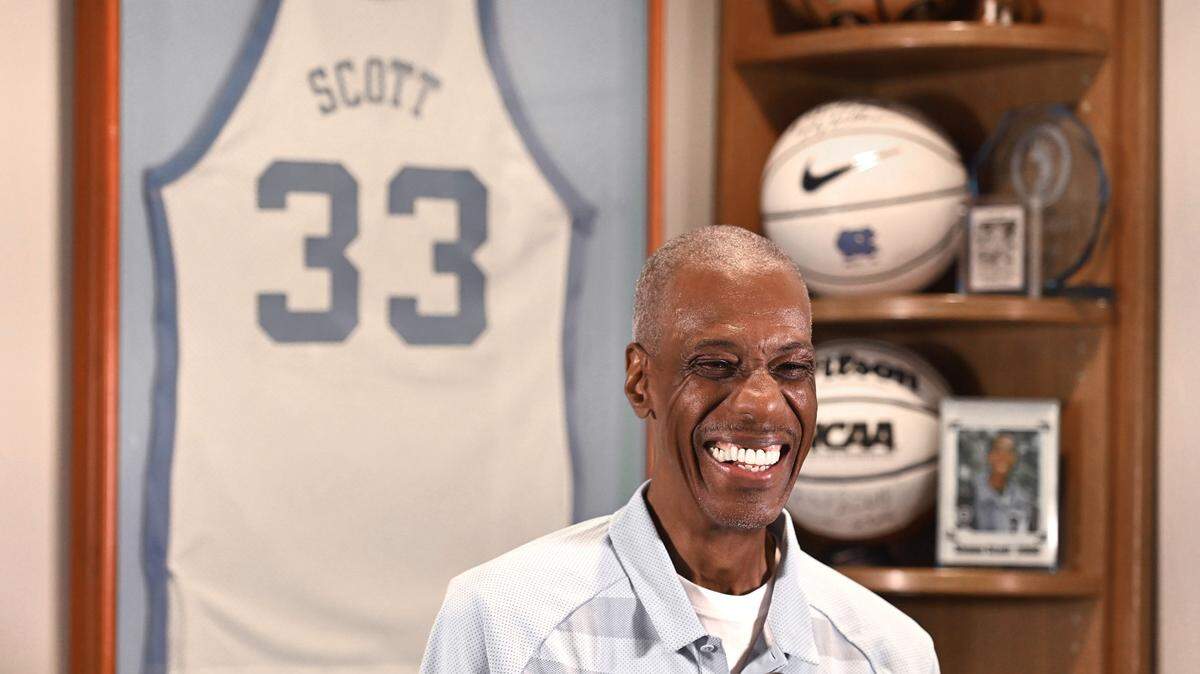
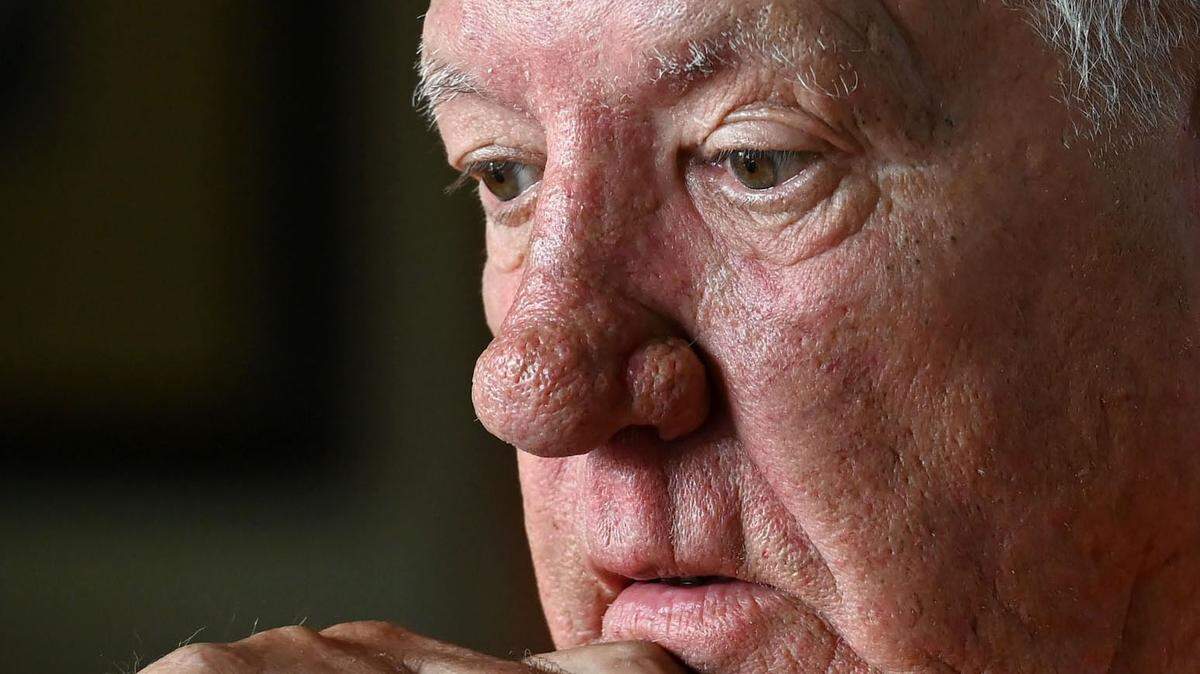
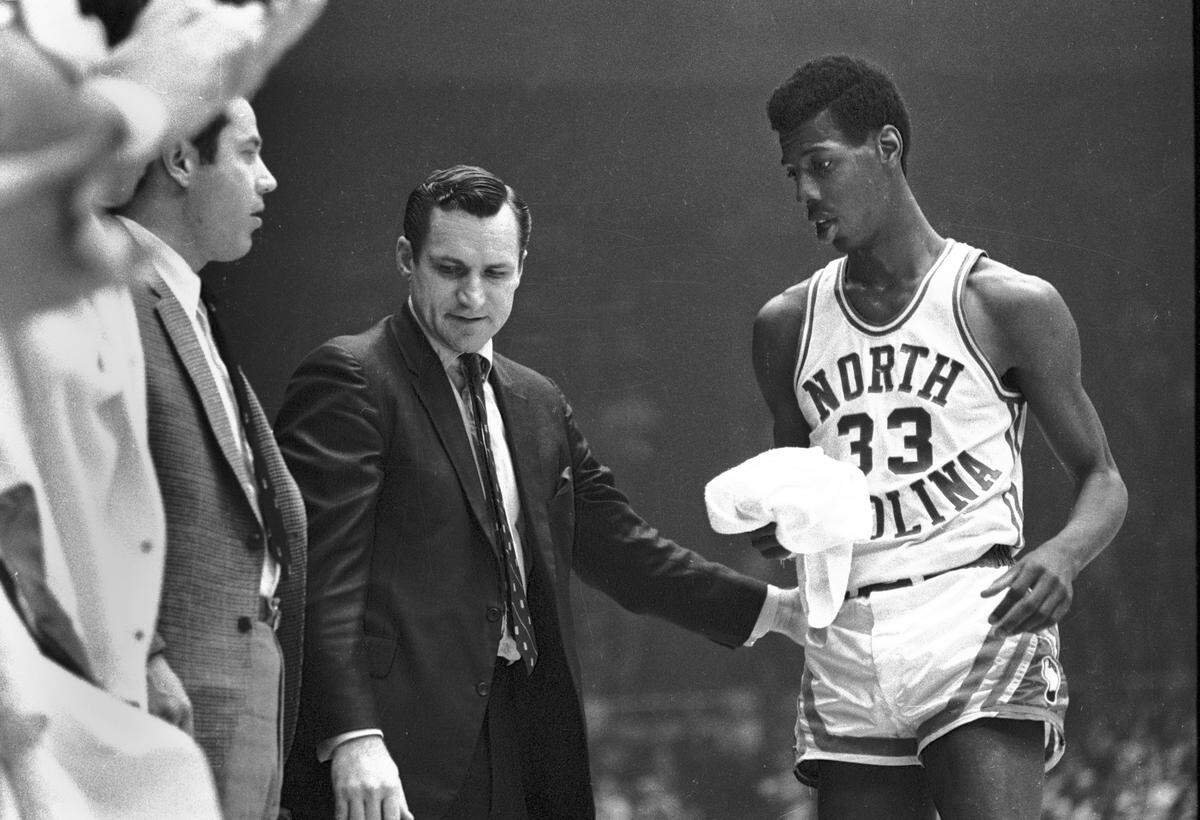
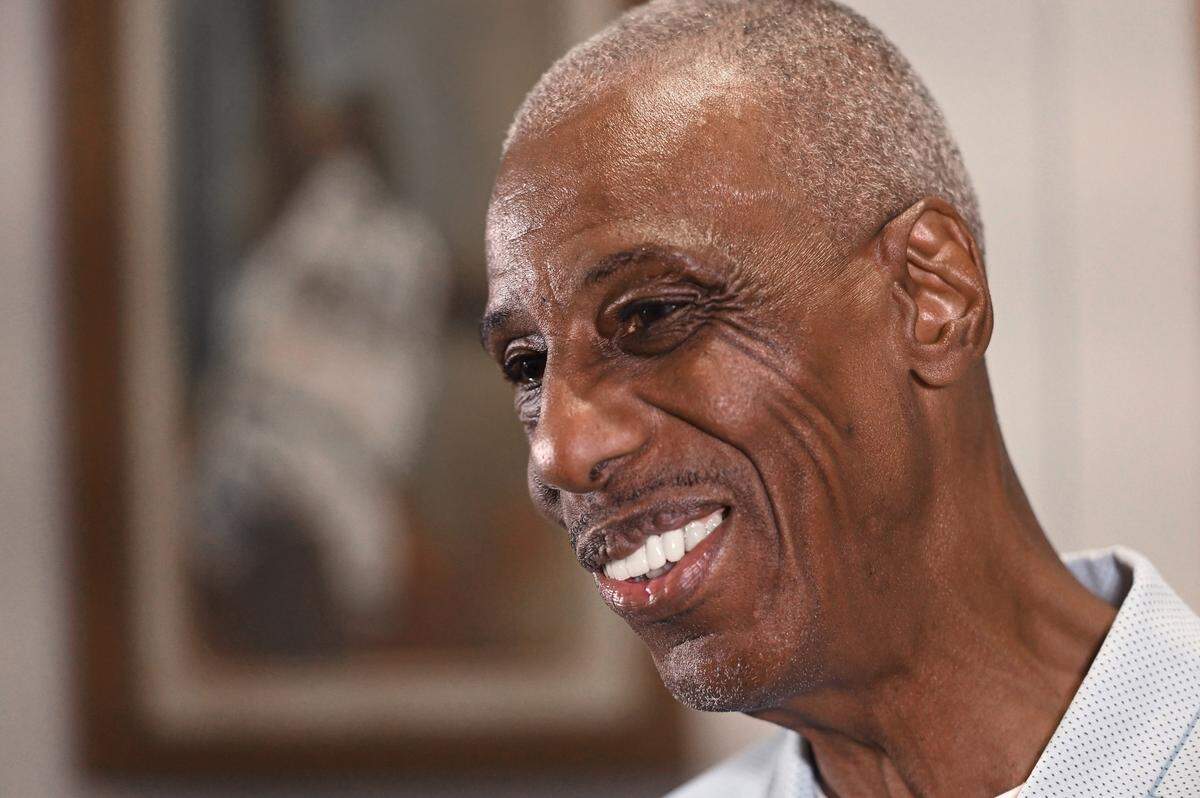
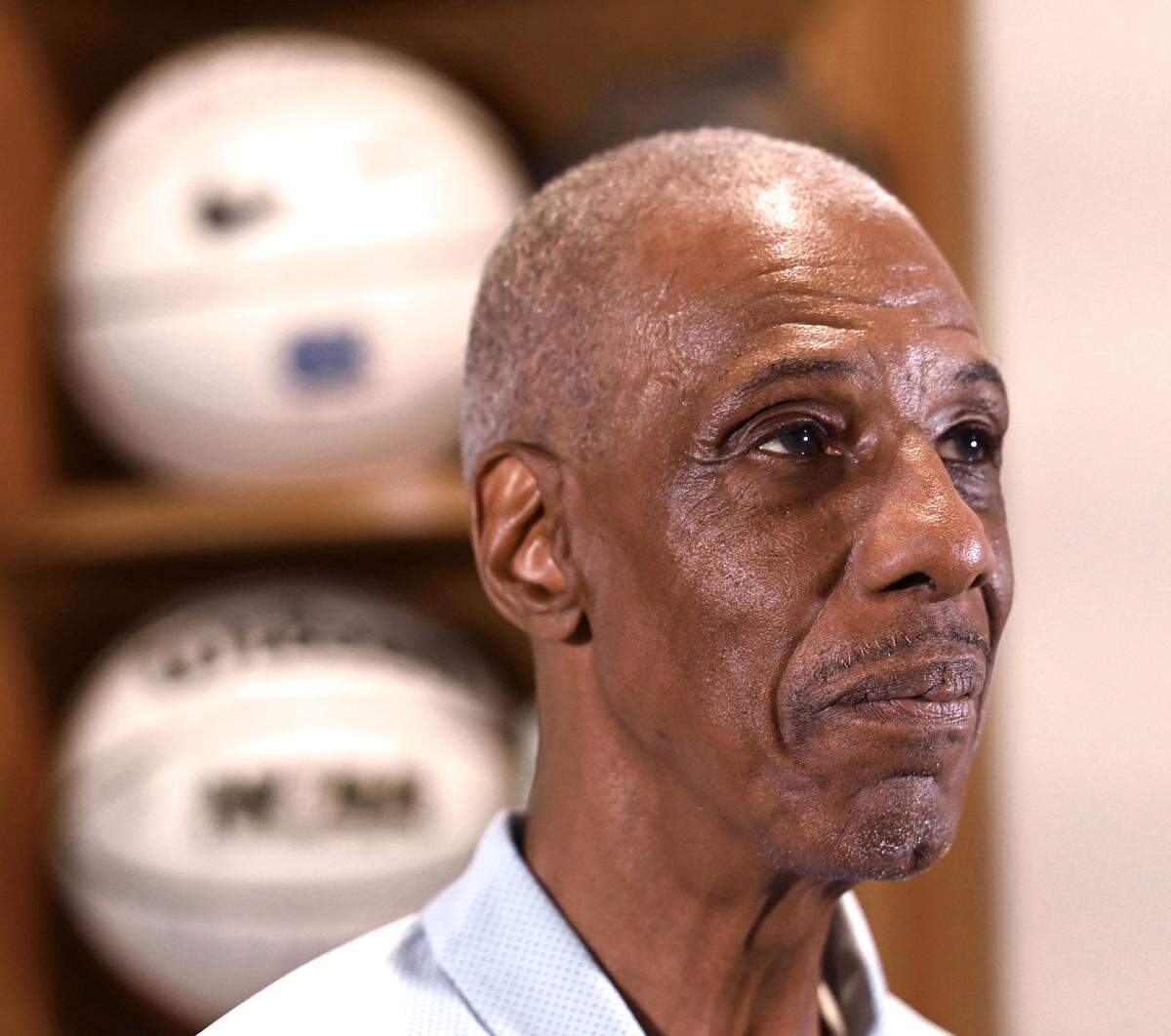
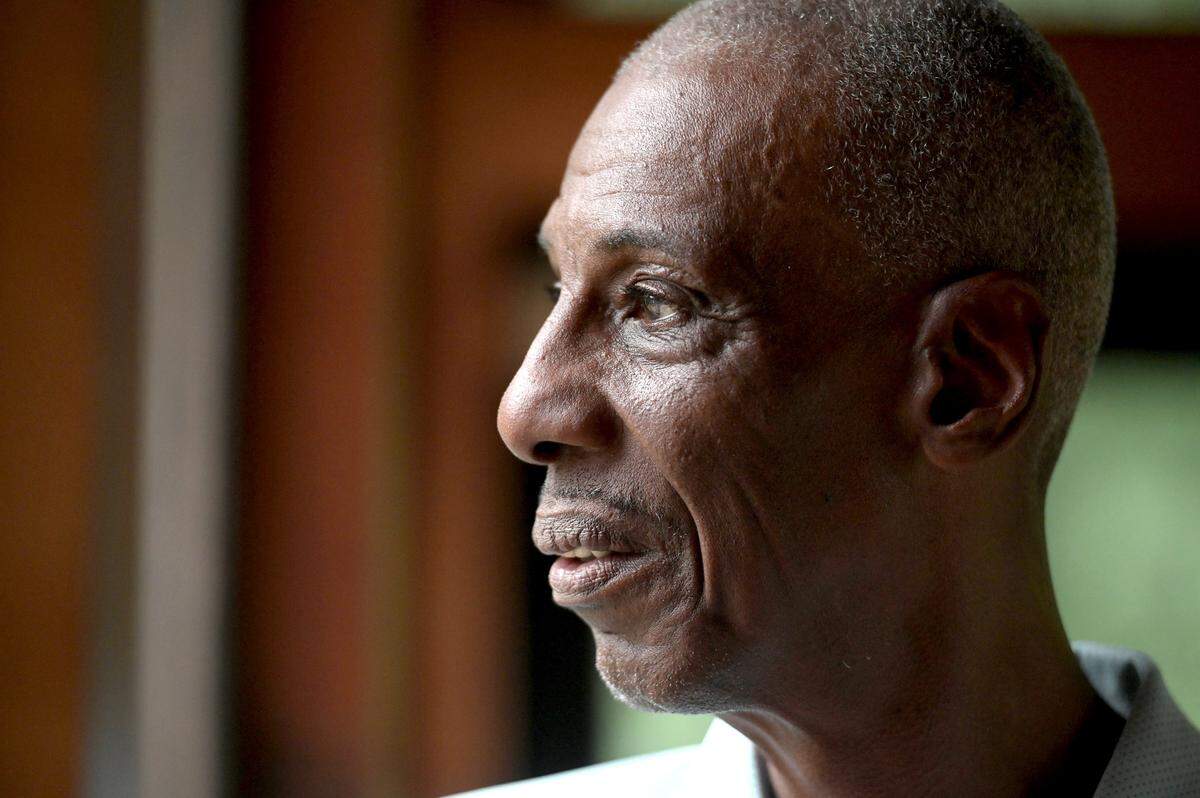
Charlie Scott, this week’s star of the “Sports Legends of the Carolinas” series, was the first Black basketball player on scholarship at the University of North Carolina. In many ways, he was the Tar Heels’ version of baseball player Jackie Robinson, dealing with the racism inherent in that time period while gracefully excelling in his sport.
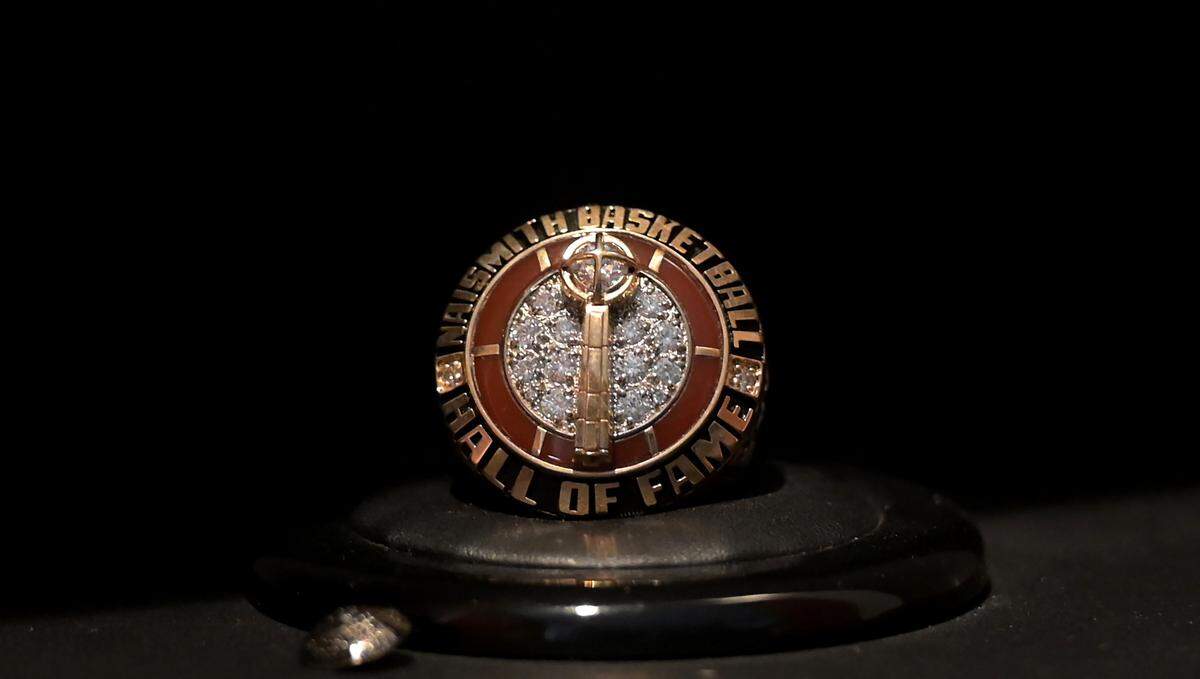
An All-American basketball player at UNC in 1969 and 1970, Scott won a gold medal playing for the U.S. Olympic team in Mexico City in 1968. He also won an NBA championship with the Boston Celtics in 1976 and was inducted into the Naismith Memorial Basketball Hall of Fame in 2018.
Before choosing Chapel Hill, he almost went to Davidson, where the dynamic Lefty Driesell was the coach at the time. Driesell had a hard time taking “No” for an answer, and Scott’s recruiting stories almost have to be heard to be believed.
Here are some highlights from the interview, conducted in Charlie Scott’s home in Smyrna, Ga. For a much fuller version of this conversation, check out the “Sports Legends of the Carolinas” podcast. This interview has been edited for clarity and brevity.
Scott Fowler: Let’s start out with a little bit of basketball history. Roy Williams was a college student at UNC at roughly the same time you were. He admired you so much both as a player and for the role you played as a trailblazer in helping to integrate the basketball team that he named his only son Scott, in your honor. But don’t you also have a son who has a name with a UNC connection?
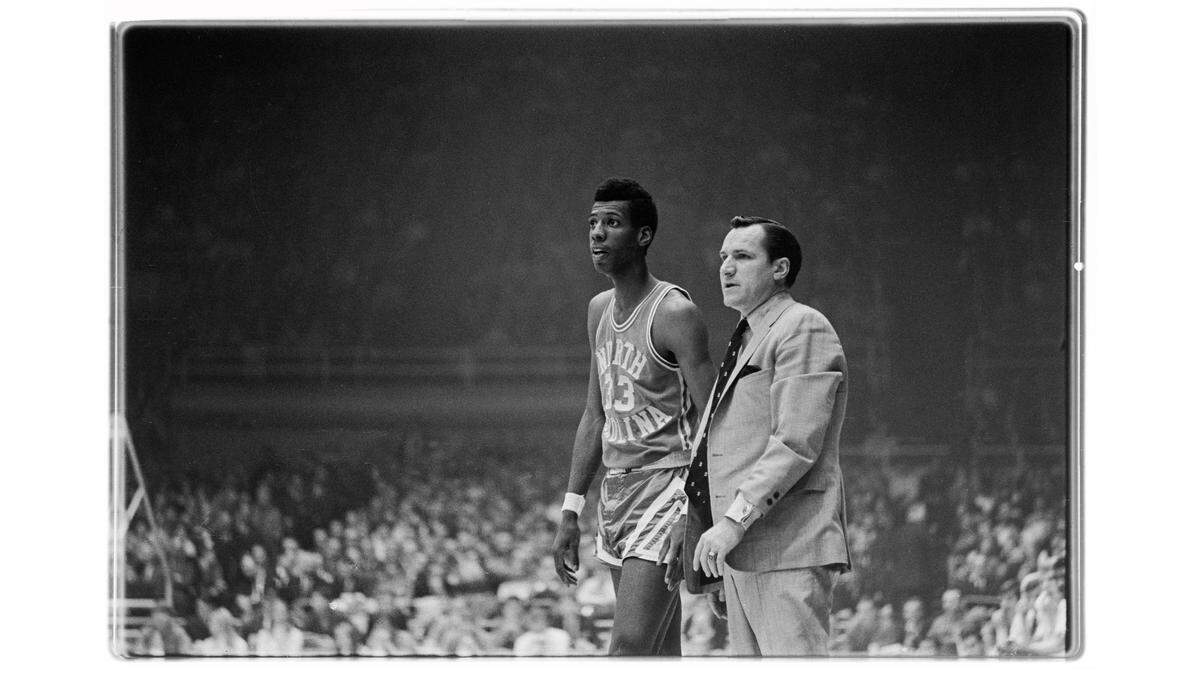
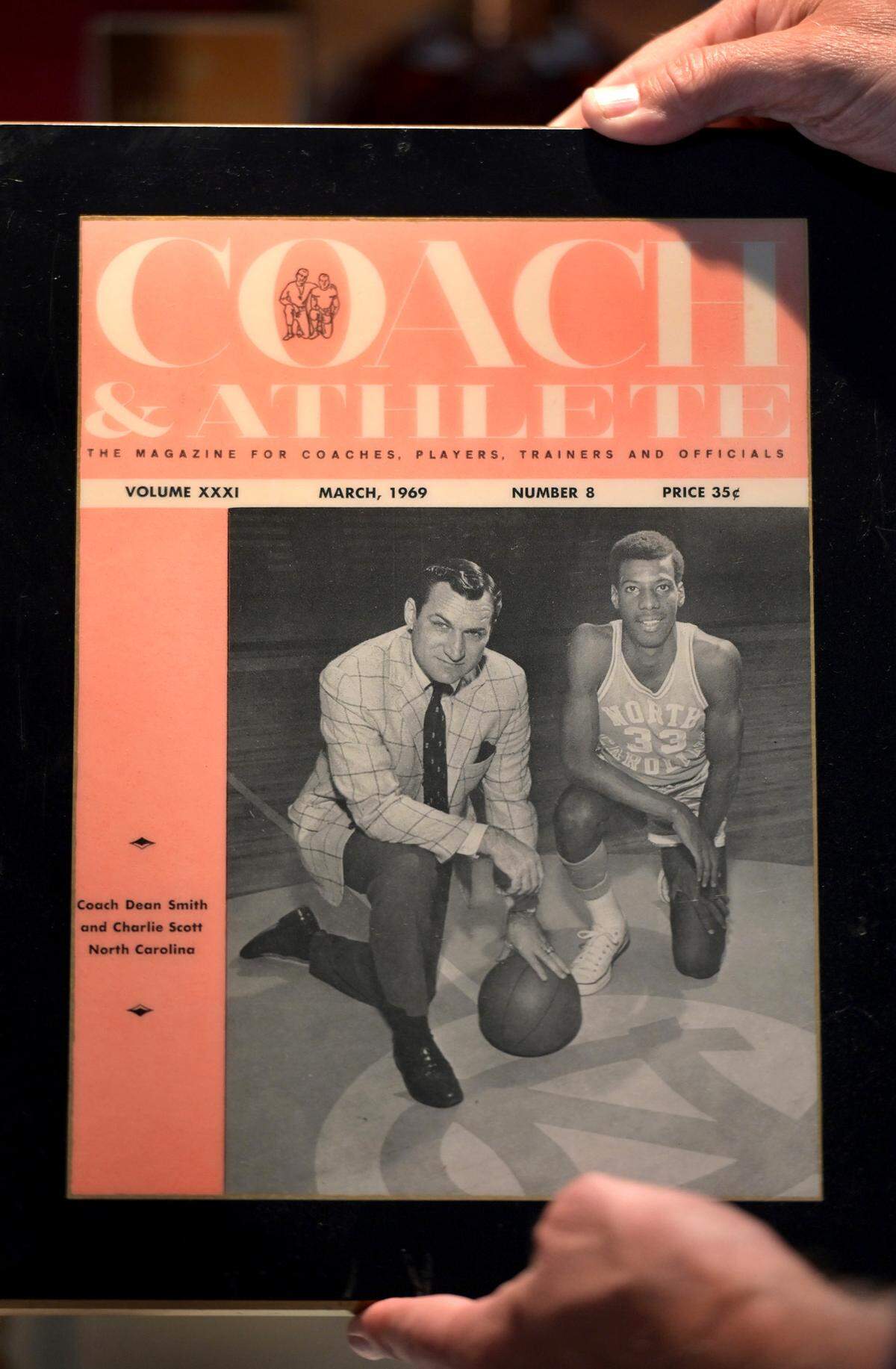
Charlie Scott: Oh, yes. My son, Shannon Dean Scott, I named him after Coach Dean Smith. I wanted to name one of my sons after the person who I felt had influenced my life the most, and that would be Coach Smith.
SF: What was your relationship like with Dean Smith?
CS: The relationship was more poignant after I graduated from Carolina. While you are a student there, while you are a player for Coach Smith, he’s really a coach and a person that you look for for leadership. After you graduate and leave Carolina, he’s no longer your coach. He becomes a perennial person in your life. He becomes a caretaker.
SF: You grew up in New York as a child, and I think your father drove a cab for a while?
CS: He was a cab driver, and he was an alcoholic. And my mother worked at a laundromat. They were separated when I was 11 years old, and I was left with my father. And basically from age 11 to 15, I had to take care of my father because he basically was out of it most of the time. And then I had to prepare myself to go to school. You learn to grow up a lot quicker in such circumstances like that.
SF: Why didn’t you play for your high school basketball team in New York as a freshman?
CS: The basketball coach would not allow me to play basketball because I was Black…. Racism didn’t just start in the South. When I was in New York at Stuyvesant High School, the basketball coach would not let me play on the basketball team, and I was the No.1 AAU player in the city. And not only that, the team was 1-27…. So I ended up following a couple of my friends down to a prep school in North Carolina called Laurinburg Institute.
At Laurinburg, I caught the eye of Lefty Driesell at Davidson College. That started the whole stream of college recruitment.
SF: Before we began this interview, you called Lefty Driesell on the phone just to say hello. He’s 90 years old now and sounded great, but it’s a unique relationship, isn’t it? Because you never played for him.
CS: No, I never played for Lefty. In fact, I beat him two times in the Eastern Regional, which stopped him from even getting to the Final Four when he was at Davidson. And in fact, he said that’s why he left Davidson and went to Maryland, because we beat him both times, in the Elite Eight twice.
But Lefty has always been more than just a coach to me. He’s been a personal friend to me, and the person that started me in the role I am now.
SF: You unofficially committed to Lefty and to Davidson. And then there was the incident in the restaurant at Davidson.
CS: One day my high school coach, Frank McDuffie, and his wife, Mrs. McDuffie, and I drove up to Davidson to see Lefty…. He was at a restaurant in Davidson, and so we drive to the restaurant and we go inside and we sit down at the table where Lefty was sitting. And Mrs. McDuffie happened to look at Lefty’s plate, and Lefty had black-eyed peas and rice. Mrs. McDuffie says, “Oh, those black-eyed peas and rice look so good. I’d love to have some.”
“Let me order you some,” Lefty said. And so he did. And about five minutes later, the (restaurant owner) came back over and said, “Lefty, my wife said that she’s not going to allow no n----- to eat on this side of the restaurant.” So Mr. and Mrs. McDuffie took that very seriously, and they did not want me to be in a circumstance like that….
My high school coach understood the significance of being the first Black at the state university, too. More than I did.
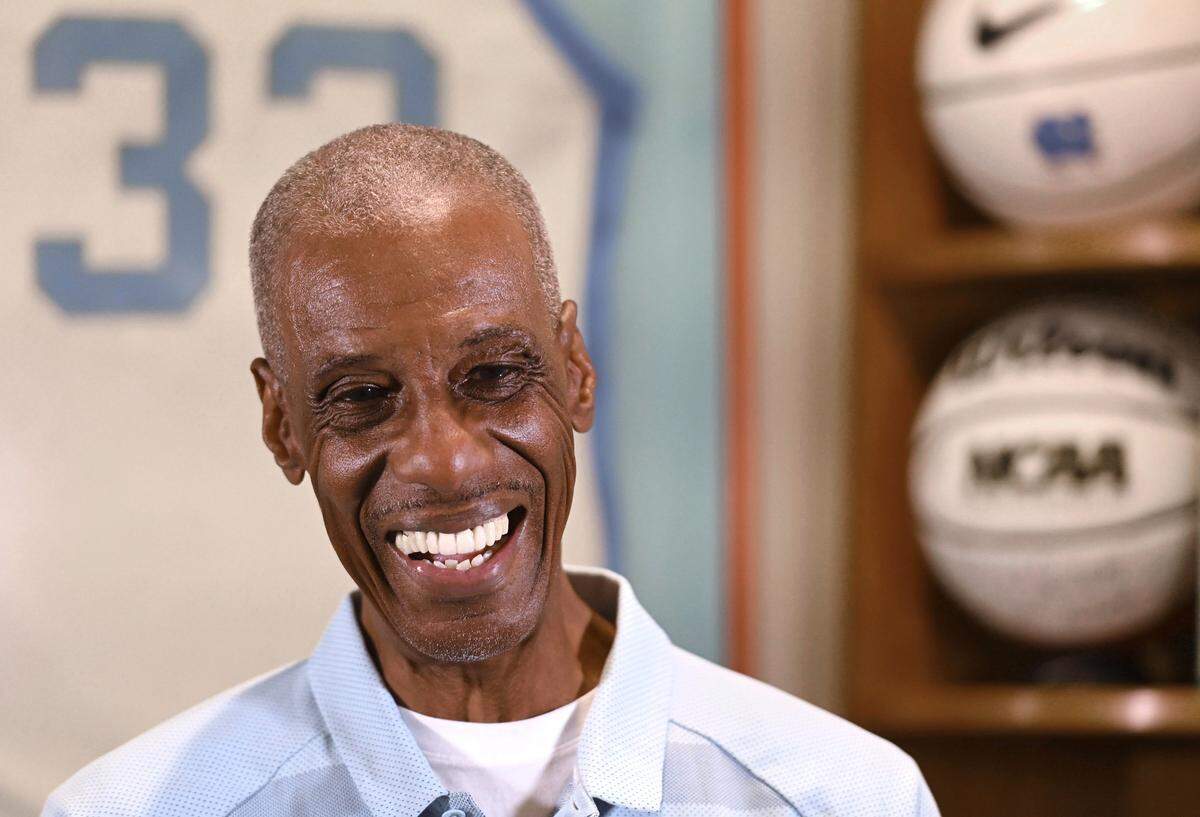
SF: You mentioned that you didn’t have your front teeth in high school, right?
CS: Yes, and it made me an introvert. I was very bashful.
SF: When did you get them fixed?
CS: Oh, that’s another story. When I went to Carolina, I went the summer after I graduated high school. I went to the dental school, and my mother paid for the dental school work. And the reason I’ve got to say my mother paid for the dental school work is because Lefty Driesell, who’s my very best friend now and who I just finished talking to, called the NCAA and turned Coach Smith in — because I had my teeth fixed!
My mother had to send them the check to show them that she paid for this. So yeah — the guy who I call and talk to every day now tried to turn me into the NCAA.
SF: Is it true that before that Lefty jumped out of the bushes in a last-ditch attempt to lure you to Davidson?
CS: Yes, after I made up my mind that I was going to North Carolina, Mr. McDuffie wouldn’t allow him on campus (at Laurinburg) to try to recruit me anymore. So what happened was Lefty gave a friend of mine 50 cents so he would take me up to the grocery store. My friend said he was going to buy me a hamburger. Then Lefty jumped out the bushes to try to make me change my mind.
SF: What was it like playing for UNC in the late 1960s and early 1970s?
CS: My whole career at Carolina was more about relief than satisfaction. I didn’t feel it as pressure, but I felt it more as an obligation that I had to come through.
I remember when we played Davidson my junior year, and I hit the shot to win it (sending Carolina to the 1969 Final Four). A reporter was following me around and went to my barbershop. The guy, a white barber, was like ‘Oh, Charlie Scott, he’s the greatest guy in the world. We love Charlie.’
And the next week we played Purdue in the NCAA tournament and Purdue beat us. And I went back to the same barber shop. And you know what the (barber) said then? “Well, you know how n------s choke under pressure.”
SF: You won a gold medal with the U.S. Olympic men’s basketball team in 1968. That was the Olympics where John Carlos and Tommie Smith raised a fist during the national anthem. It was a volatile time in America and in sports. What was your experience at those Olympics?
CS: John Carlos, and I went to junior high school together in New York. We used to have “Field Day” and run the 60-yard dash, and I’d beat John every time (laughs). But as for the Olympics, I’ll never forget it. Avery Brundage was (an American, and head of the International Olympic Committee). And when John and Tommy did their display, that next afternoon they called all of the (African-American) Olympians into a meeting. And first they had (former U.S. Olympic star) Jesse Owens speak to us, to tell us that this was not the place to make a stand for civil rights.
And to be honest with you… we kind of booed him out of there.
SF: You booed Jesse Owens off the stage?
CS: Out of the meeting, yes. We didn’t want to hear that, not at that time.
And then Avery Brundage made it very clear that if we were to do anything of that nature, that they would kick us off the Olympic team. And they had our passports. It was scary. So we adhered to what he said at the time… But when we won the gold medal, I had a flight out later that night.
And I remember that I took off my uniform. I put it on the floor, got my bags and left. Left my uniform right there on the floor.
SF: As a form of protest?
CS: Yes.
SF: I think people forget you played not in the NBA at first, but with the ABA and with the Virginia Squires. You averaged 27 points and were Rookie of the Year and then in your second year led the entire ABA with 34 points. And that was a team Dr. J was on. You outscored Julius Erving.
CS: Yes, I was the leading scorer on the team. I played three years with Connie Hawkins, too, and he was really the prototype for Julius Erving. They were two of the greatest one-on-one players that ever played, and I was leading scorer when I played with both of those. I was fortunate to be a 6-foot-6 guard at the time. There weren’t many of those.
SF: What was the ABA like?
CS: Like the NBA of the 1970s and 80s. The NBA now is very robotic, but like the NBA with Magic Johnson and those guys.
SF: If you could look back at Charlie Scott at age 22, what advice would you give him?
CS: Enjoy it more. Sometimes you’re so busy going through it all that you don’t get to enjoy all the things that you accomplish. I got an opportunity to go to college, but not to enjoy college.
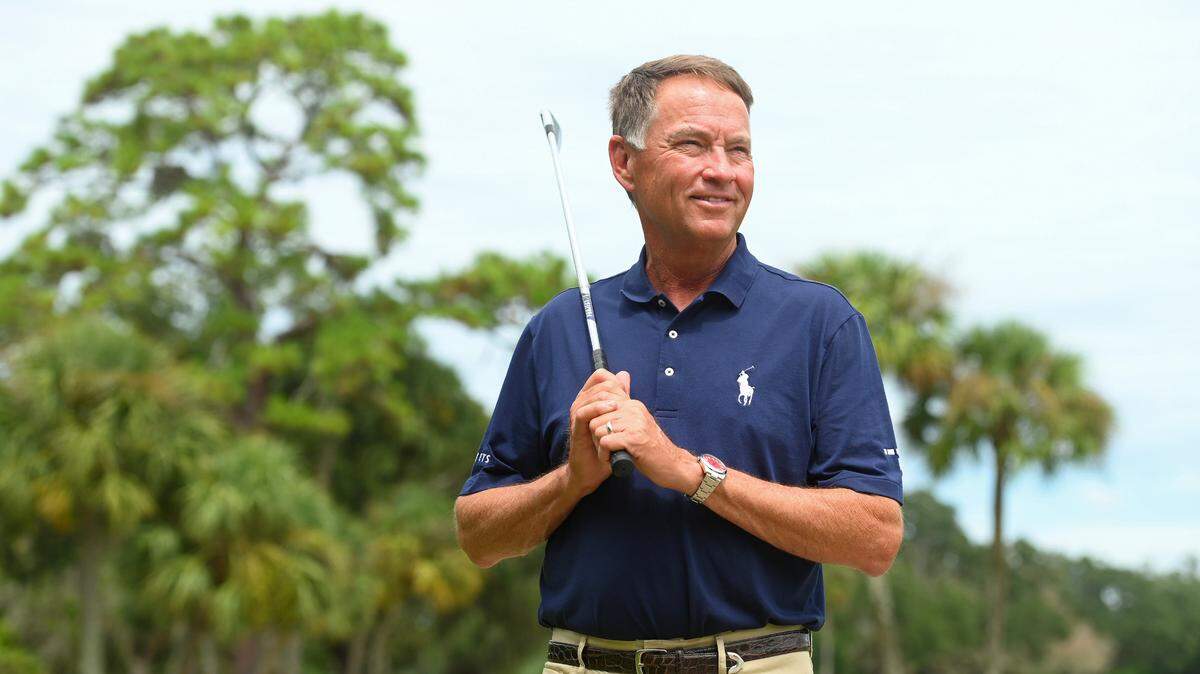
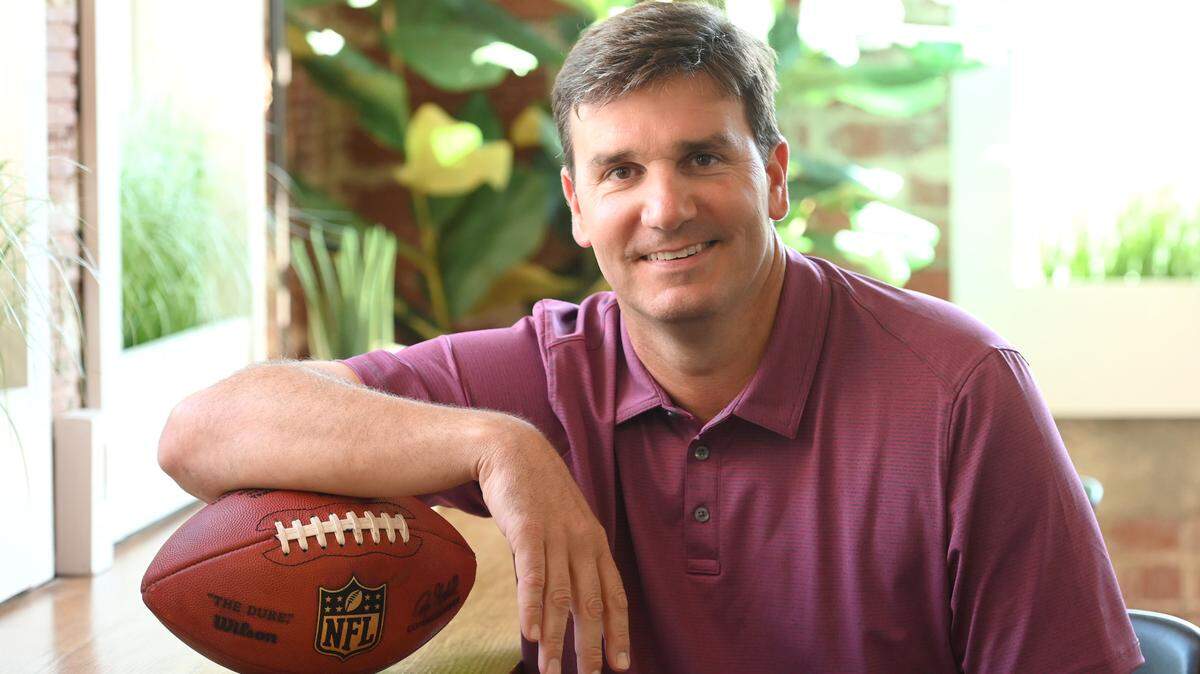
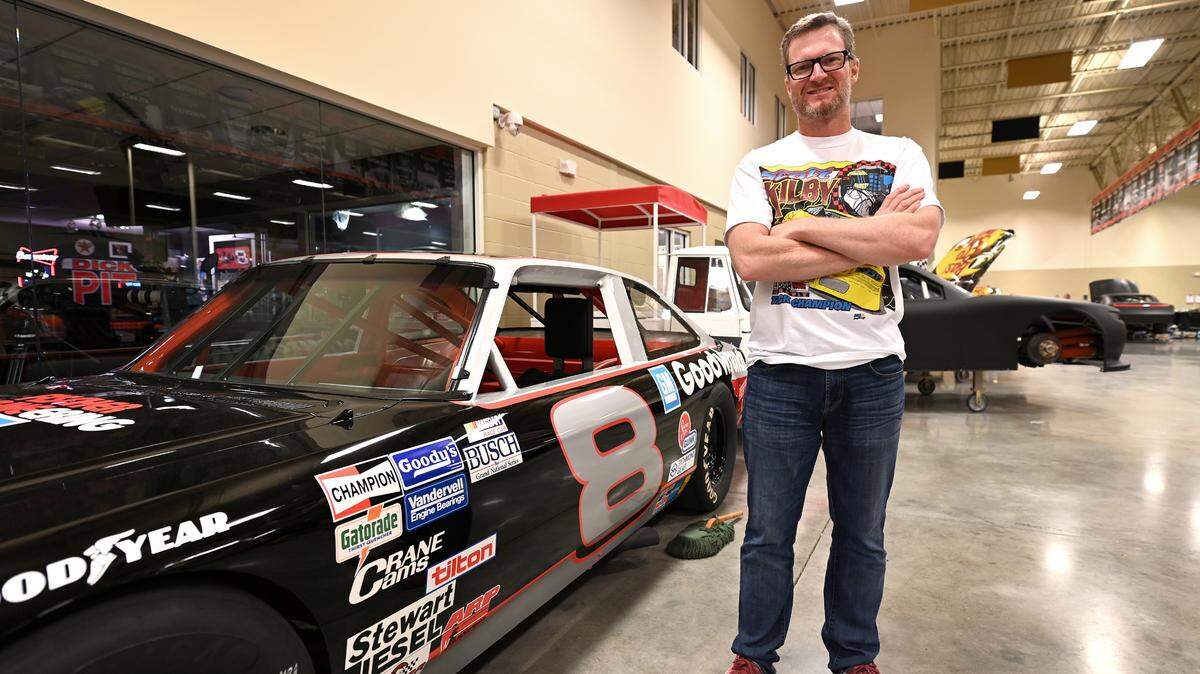
For much more from this interview and to hear other “Sports Legends of the Carolinas” interviews, including 1-on-1 conversations with Dale Earnhardt Jr., Davis Love III and Jake Delhomme, subscribe to the “Sports Legends of the Carolinas” podcast. New episodes drop every Wednesday, and bonus content is available exclusively on Apple Podcasts.
Next week: Former Carolina Panther tight end Wesley Walls.
This story was originally published September 21, 2022 at 6:00 AM with the headline "Exclusive: Charlie Scott on racism, trailblazing, Dean Smith and why he chose UNC."