
Water-slurping farms put Edisto on list of most imperiled rivers
The Edisto River landed on a national list of endangered waterways this week as environmentalists continued their push to crack down on mega farms they say threaten to suck up water that others need downstream.
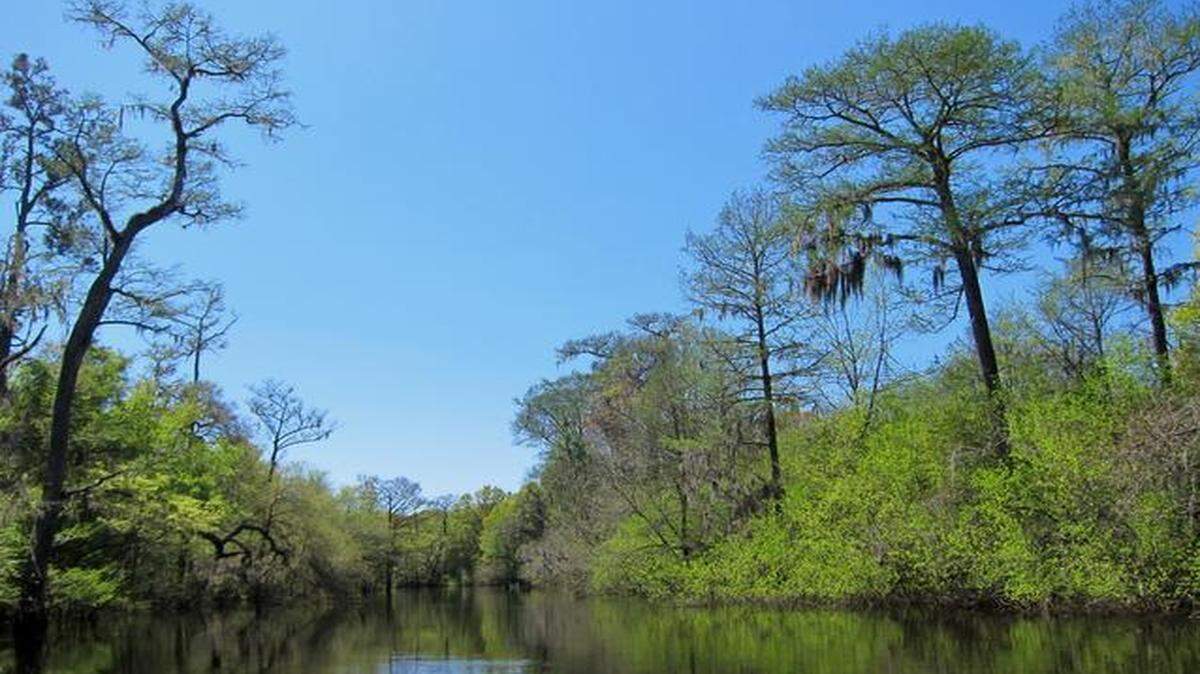
The Edisto, a spring-fed blackwater river that begins west of Columbia and empties into the ocean south of Charleston, slices through the heart of the ACE Basin nature preserve, attracting anglers, bird-watchers and paddlers from across the country every year. The Edisto is the longest, free-flowing blackwater river in the country – deep and slow moving.
But the Edisto also is used heavily by farmers to irrigate crops. In fact, farmers depend more on the Edisto River basin as a source of irrigation than any other watershed in South Carolina, according to a recent report by the S.C. Department of Natural Resources.
That reliance by farms is why the environmental group American Rivers put the Edisto on its national list of most endangered waterways. The group says the S.C. Legislature should pass a bill that more tightly regulates big farm withdrawals.
The American Rivers report placed the Edisto as the fifth most endangered river in the country because of agricultural impacts. The group put the Edisto River’s South fork on last year’s list of endangered waterways.
“We all deserve reliable clean water supplies – but on the Edisto, state law plays favorites, helping certain water users while harming others,’’ said Gerrit Jobsis, an American Rivers’ representative in Columbia. “It’s time to level the playing field for all water users to protect our state’s economy and ensure a future of healthy rivers and streams.”
Farms that use the river, unlike other types of businesses, don’t need state permits to begin taking water because South Carolina’s surface water withdrawal law goes easier on agriculture than others. The American Rivers report called that an “unfair exemption.’’
Reggie Hall, a spokesman for the S.C. Farm Bureau, said his group doesn’t favor a tighter water law for agriculture at this time. Hall said studies are underway that would answer many of the questions about farming’s impacts on surface water – but he cautioned against over regulation of agriculture.
“Farmers in general are family farmers and they don’t have deep pockets,’’ Hall said, explaining that tighter regulation could cost them money and delay the start up of operations. “They are trying to survive like any other local business person.’’
American Rivers and other conservation groups, however, say small farms are not the problem. Large corporate farms, many from other states, are the ones that need tougher regulation, they say. Big farms increasingly use irrigation to better ensure crop success. Even in times of dry weather, irrigation can ensure crops don’t die on the vine.
The Department of Natural Resources report, released by American Rivers, found that most of the surface water irrigation occurring in the Edisto basin was in the watershed’s upper reaches between Columbia and Aiken. The South and North forks of the Edisto, which converge to make the main stem, had the majority of the surface water withdrawn in July 2012, the DNR report said.
“The magnificent Edisto, as other South Carolina rivers, is in very real danger of destructive neglect in the absence of any effective measures in the law to restrain unlimited consumptive water use for agricultural purposes,” said Tim Rogers with Friends of the Edisto, an advocacy group.
The bill advocated by environmental groups would require farms to obtain permits if they want to withdraw more water than they currently use. The requirement would go into effect this July, according to a bill that is being pushed by state Rep. James Smith, D-Richland. So far, the bill has not moved very far in the House. A similar bill being pushed by Sen. Chip Campsen, R-Charleston, is pending in the upper chamber.
Permits require closer oversight by state regulators and allow for public scrutiny. Under existing state law, farms wanting to pull large quantities from rivers only need to register what they plan to take and undergo a cursory review by the Department of Health and Environmental Control. In contrast, businesses need water withdrawal permits and must notify the public.
Concerns about the 2010 surface water law, the state’s first, arose late in 2013 after a large potato farm moved ahead with plans to open along the South fork of the Edisto River in rural Aiken County. The Michigan farm corporation was not required by the law to notify the public, which outraged many Wagener area residents.
This year’s American Rivers report, being released Tuesday, lists a variety of threats to rivers across the country.
Some that made the list, such as the Holston River in Tennessee and the Smith River in Montana, are endangered because of chemical and mining pollution. The river facing the greatest threats is the Colorado in Arizona, the report said. Mining, groundwater pollution and development are the problems on the Colorado, the report said. The Edisto is the only one on the top 10 list to face threats from excessive water withdrawals, the report said.