
Midlands school reports some students have infection causing diarrhea, vomiting
A Lexington County school is dealing with student who are suffering from an infection that can cause diarrhea and vomiting.
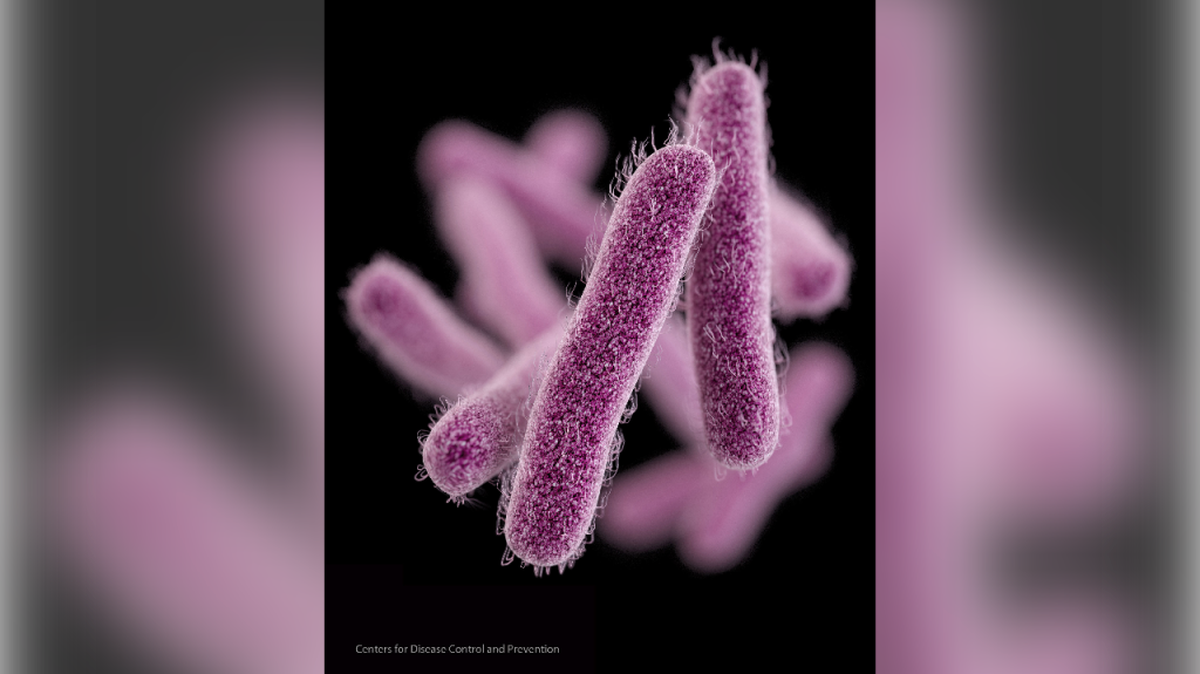
Pelion Elementary School has confirmed cases of students with Shigellosis, which causes an infection in the lining of stomach and intestines. Symptoms of Shigellosis include high fever, stomach cramps or tenderness and generally last 5-7 days.
In spite of that, school officials have denied rumors of an outbreak.
Officials at Pelion Elementary sent a letter to the parents of students, trying to assure them that the school is clean and healthy. Part of that process includes keeping students with symptoms out at home until their doctor clears their return.
Because the Shigella bacteria passes from one infected person to the next, another step is having custodians do extra cleanings. They are using a DHEC-approved bleach solution on commonly touched surfaces such as door knobs, tables, light switches, restrooms, faucets, water fountains, etc.
In classrooms with a student currently out with symptoms, janitors are also cleaning hard surfaces whenever the class leaves the room, according to school officials.
"Our primary concern is always the health and well-being of our students," nurse coordinator Amy Wood said in a letter to parents.
The school's registered nurse has emphasized the importance of frequent hand washing and good hand-washing habits in order to reduce the spread of any disease, according to school officials.
DHEC Recommendations
Dear Parent or Guardian:
Some persons associated with your child’s school, Pelion Elementary, may have Shigella. Please see the information below about the Shigella bacteria. It is provided to help you prevent the spread of Shigella at school and at home.
What is Shigella?
• Shigella causes gastroenteritis (an infection in the lining of stomach and/or intestines).
• Most people with Shigella infection have diarrhea with watery or loose stools. Symptoms of high fever, stomach cramps or tenderness may occur. Severe complications in the intestines and other body systems may also occur.
• Symptoms of Shigella usually last for 5-7 days. People with mild illness usually recover without treatment. However, some people with severe disease may need medical care, including antibiotics and possibly hospitalization.
Shigella can be easily spread
• Shigella can be easily spread from person to person.
• Some specific ways Shigella can be spread include:
o Touching contaminated surfaces and putting your fingers in your mouth.
o Eating food or drinking liquids contaminated by an infected food handler.
o Drinking, swimming or playing in contaminated water (especially in splash tables, untreated wading pools, or shallow play fountains).
o Shigella bacteria may be present in the diarrheal stools of infected persons while they are sick and for 1 to 4 weeks afterwards.
What to do if you or your family member is ill with Shigella
• Teach your family members to wash their hands often, using soap and warm water after using the bathroom and before eating. Use an alcohol-based hand rub in addition to soap and water, or use it alone only if soap and water are not available.
• Do not send children to school or childcare if they are sick. If your child has diarrhea, keep him or her at home and away from school until diarrhea has ended for at least 24 hours. A negative Shigella test result is required for children in kindergarten or below and may also be required if DHEC determines there is a potential risk of spread in other age groups.
• Do not send children to other group settings (Sunday school, birthday parties, etc.) if they are sick.
• Most people with Shigella will get well without treatment but more severe cases may result in dehydration or other complications. Signs of dehydration include a dry sticky mouth, thirst, headache, or a dizzy or light-headed feeling. Signs of dehydration in babies include fewer tears when crying or fewer wet diapers. Contact your health care provider if severe signs or symptoms are present.
Other Ways to Prevent Shigella Infections
• Dispose of soiled diapers properly.
• Disinfect diaper-changing areas after using them.
• Supervise handwashing of toddlers and small children after they use the toilet.
• Do not prepare food for others if you are ill with diarrhea.
• Avoid swallowing water from ponds, lakes, or untreated pools.
Cleaning Recommendations
• It is important to thoroughly clean and disinfect surfaces that may be contaminated.
• Clean hard surfaces that are commonly touched in your home with a bleach solution. Use 1/3 cup bleach in 1-gallon of hot water to wipe down hard surfaces in your home (doorknobs, sink knobs and faucets, toilet seats and handles, refrigerator door handles, telephones, TV remote controls, etc.). Wear gloves for protection when handling chemicals.
This story was originally published March 20, 2018 at 10:36 PM with the headline "Midlands school reports some students have infection causing diarrhea, vomiting."