
‘It felt like I was in a war zone’
They were in Washington, D.C.
South Carolinians driving to work. Arriving on the job. Meeting with their elected officials. Representing the Palmetto State. Then, the world changed.
Fourteen years later, five South Carolinians remember what Sept. 11, 2001, was like, the images that do not go away and offer their ideas about the day’s lasting meaning.
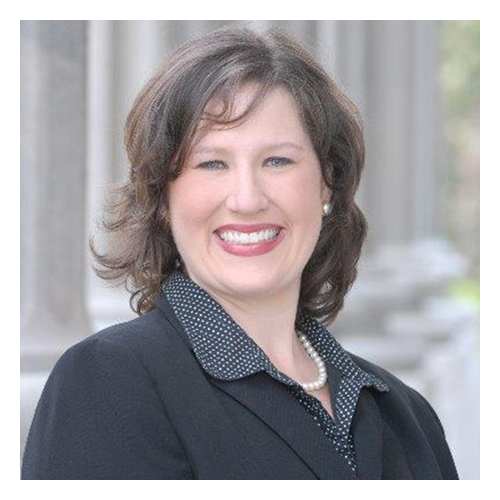
Still carrying her coffee, the then-28-year-old special assistant in the White House media affairs office walked into her boss’ office and saw the north tower of the World Trade Center smoldering.
“We all first thought, ‘What a terrible accident,’” said Homeyer, a Greenville native who is now finance director for the S.C. Republican Caucus.
Then, she watched a second plane smash into the Trade Center’s south tower.
Soon after, alarms started blaring inside the building.
Secret Service agents, including a pair who Homeyer had befriended because they were from South Carolina, ran down the hall.
It was like something out of movie, she recalled.
“They were telling us to run at the top of their lungs,” Homeyer said. “They kept saying: This was not a drill. This was not practice. They wanted everyone out of there as fast as they could.”
Homeyer hurried out of the building still holding her cup of Starbucks coffee.
While running outside, she heard an explosion.
“It felt like I was in a war zone,” Homeyer said.
The sound that she had heard was the third hijacked plane, striking the Pentagon.
Homeyer walked two blocks to a corporate office building where some White House staff had set up a temporary office. Because phone lines were jammed, she used the email to page colleagues to meet at the new location.
Administration officials watched newscasts throughout the day and kept repeating that the nation was under attack.
Homeyer left work about 7 p.m., finding the normally busy streets around the White House empty except for Secret Service agents stationed on every corner.
“They took away our freedom that day,” she said.
But the loss was short lived.
Homeyer said the attacks rallied Americans for a time.
They also helped educate them.
“People became more aware of foreign affairs, Al-Qaeda and extremists,” she said. “They had no idea what that stuff was.”
The other lasting legacy was increased security – even in her home state.
“Look at the all the changes at the (S.C.) State House – the metal detectors and everything roped off,” Homeyer said. “You saw none of that before 9/11.”
‘Price of freedom is eternal vigilance’
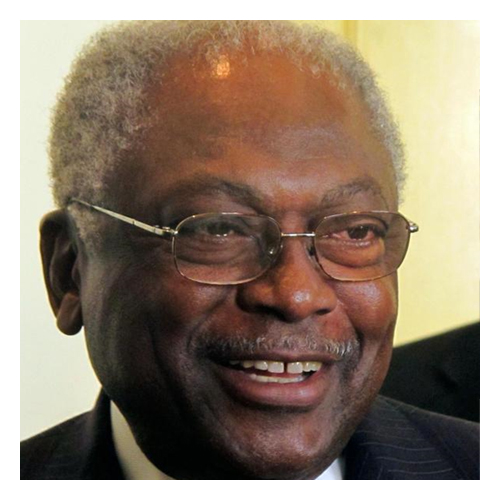
“As she turned it on, we saw the airplane hit the second tower,” Clyburn recalled, 14 years later.
At the time, Clyburn didn’t realize what was going on.
“I’ll never forget – I’m not focusing on anything – but (U.S. Rep.) Carrie Meek was in the room, and she gasped and uttered something that indicated she felt something that I didn’t feel. I just thought it was an accident. I didn’t realize that what I was watching was the second plane.”
Police then came through the Capitol, ushering lawmakers and their aides out of the building and onto New Jersey Avenue.
“The most memorable thing to me was how (U.S. Rep.) John Spratt and I just met at that intersection, and I was standing there with him ... and hearing that sound, that plane hitting the Pentagon, and watching that plume of smoke going up.”
The two South Carolinians stood chatting, “still not realizing the import of things, when we heard a big boom. The rumor was a bomb had dropped,” Clyburn recalled.
“Nobody knew where to go,” said Clyburn.
The Columbia Democrat had an apartment a block away. Clyburn and a group went there, learning on TV that a fourth hijacked plane – headed for Washington – had crashed in Pennsylvania.
After awhile, Capitol police knocked on the door of Clyburn’s apartment to take the occupants to another building.
Fourteen years later, Clyburn said the lasting impact of 9/11 is a realization that “the price of freedom is eternal vigilance.”
Never finished the meeting
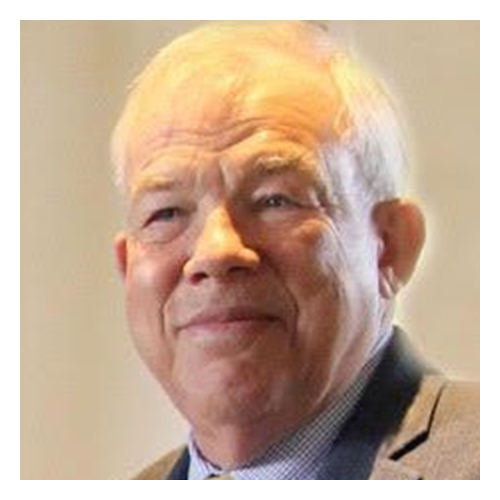
“We never finished the meeting,” Johnson said.
Graham’s chief of staff interrupted the discussions with updates about the attacks on the World Trade Center. There was a sense of foreboding, wondering “what the heck was going on,” Johnson said.
Eventually, Graham’s chief of staff returned, telling the group: “The Capitol is being evacuated. The Pentagon was hit by a plane also, and we’ve got to all get out of here,’” Johnson recalled.
Two “big military guys” picked up Graham, whose feet barely touched the floor as they escorted him out, Johnson remembered.
Johnson remembered how orderly the entire process was.
No stampede. No sense of terror. No apocalyptic movie scenes.
When he left Graham’s congressional office, Johnson headed toward his hotel, near the White House. He saw military vehicles, including Hummers, Jeeps and other armored vehicles, coming out of hidden ramps in parking lots. F-16s also were in the air over the Capitol within minutes.
It was fairly easy to see the ugly black smoke from the burning Pentagon.
“People were almost in unison slowly scanning the sky from the Capitol Dome to the White House,” Johnson recalled, expecting something to happen.
Johnson rues what happened to air travel after the attacks. Increased airport security has become the norm now, “including stupid stuff like taking off your shoes, which is kind of coming to an end now. But it’s taken 10 years for that to happen.”
The saddest lasting effect has been the loss of lives in the ongoing war on terror, he said.
“We may have become a safer country, but I never really doubted the safety and the security of being an American even in the aftermath.”
First lady a calming presence

On his way upstairs, Tuten passed First Lady Laura Bush being escorted out of the building.
Bush, who had been on Capitol Hill to testify before a Senate committee, was wearing a red suit and surrounded by a counter-assault team of security agents, wearing all black and carrying assault weapons.
Tuten remembers the contrast with the First Lady’s attire.
He let Bush’s group pass, his hands out of his pockets – 100 percent visible – so as not to be suspicious.
“She was not showing any indications of panic,” Tuten remembered, recalling the first lady’s almost reassuring smile that exuded calmness as she went down the stairs with her hand on the rail.
“If the first lady is calm, if they haven’t picked her up and rushed her out, then maybe everything is somewhat under control,” Tuten thought.
The chaos came later.
The events of the day were surreal, Tuten said.
“Those days afterward, when anything out of the ordinary happened, that’s when the actual panic took place,” Tuten remembered.
His concern – 14 years later – is that people have become complacent about the attacks.
People have forgotten how bad it was, he said. Those people weren’t there to smell the fumes, and hear people crying and shaking, he adds.
Tuten still has a “United We Stand” license plate as a reminder of the Sept. 11 attacks.
Moving ‘past this point’
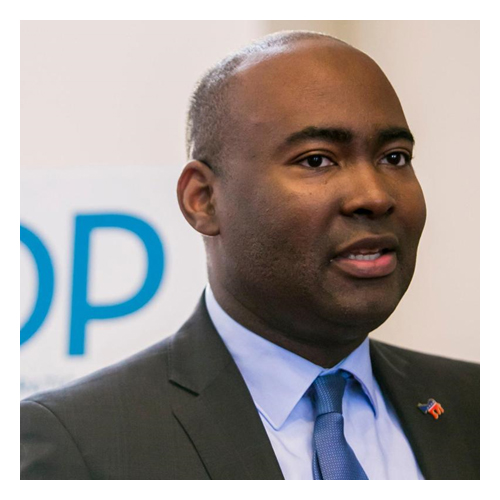
“It felt like it was just a regular day, going into work.”
By the time he arrived at work, Harrison, then the chief operating officer of a D.C. education nonprofit, said the attacks had started. His coworkers were huddled around a television, watching news of the planes hitting the World Trade Center towers and the Pentagon.
“People were just in shock.”
Rumors swirled that D.C. was under attack and the Executive Office Building, near the White House, was on fire. Cell phone calls failed as staffers tried to reach out to their friends and family, he said.
Confusion and sadness set in, followed by moments of relief as Harrison finally got through to his mother and friends nearby in the Pentagon.
Later that night, driving by the still-smoldering Pentagon, Harrison said he had rolled down his window and “was smelling the smoke.”
“I had to pull over on the side of the road. I was crying like a baby. I was overwhelmed. ... People were just lining up on the sides of the highway. People were outside of their cars in the shoulders,” staring at the destruction.
“I don’t know if much good came out of 9/11,” other than the country banding together in the aftermath, Harrison said.
One lasting effect, he said, was “an increased awareness, for so many Americans, that what America represents is detested by some folks. ...”
“People with that type of evil in their hearts are still here, still among us. That’s the scary part about living in society ... about bringing up kids in the world. But it motivates me to try to figure out: How do we move past this point?”
This story was originally published September 10, 2015 at 11:57 PM with the headline "‘It felt like I was in a war zone’."