
Editorial: What SC needs to learn from 4K study — and what we need to do
THERE ARE TWO essential things we know about educating poor children:
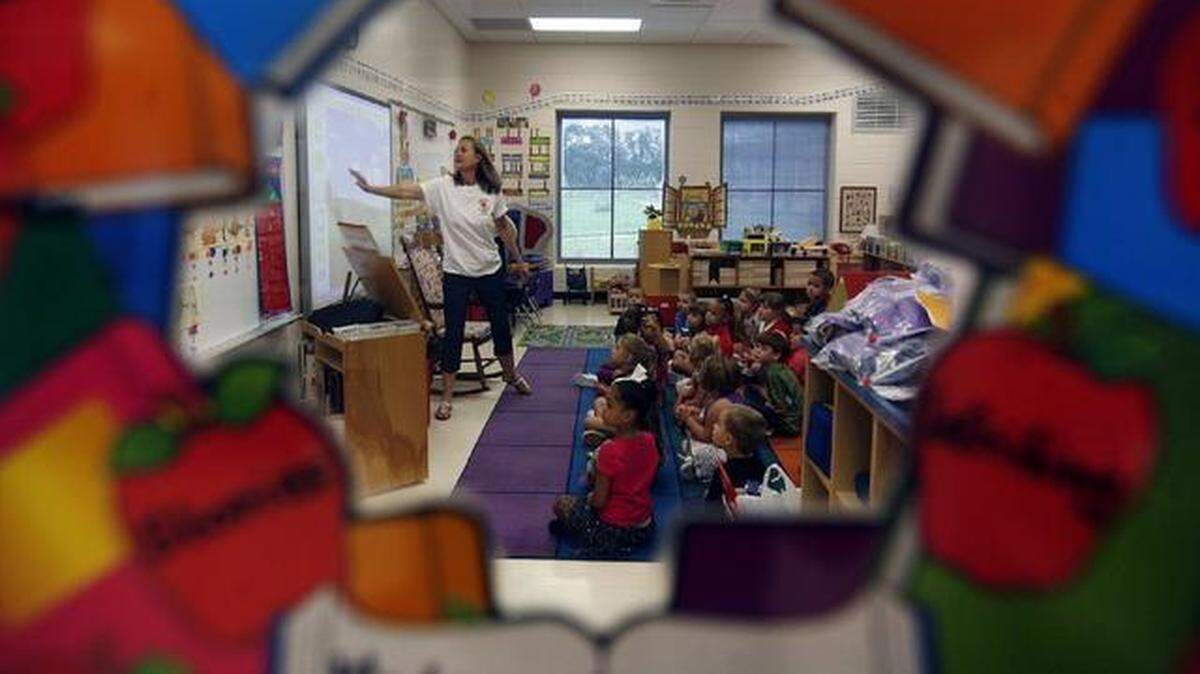
Early intervention programs such as 4-year-old kindergarten can be life-altering, but they have to done properly. Done properly means providing actual teachers who put together smart lesson plans to stimulate the growing brain, rather than simply providing glorified baby sitters whose main job is to provide a place to keep the kids for several hours a day.
And while poverty alone is a strong predictor of poor school results, living and going to school surrounded by lots of other poor children — in what are called concentrations of poverty — is a separate risk factor above and beyond that.
With those two things in mind, the results of a state evaluation of our expanding 4K program seem less an indictment of 4K than an indictment of the way some districts are implementing the program and of the way the state is overseeing — or, rather, not overseeing — that implementation.
What the results do is underscore the state’s responsibility — highlighted in the S.C. Supreme Court decision in November that made it clear that public education ultimately is the duty of the state, not just of individual school districts that the state created to carry out that duty — to intervene when districts are not getting the job done.
The goal of full-day 4K is to make up the educational deficits created by four years of abject poverty, of a childhood surrounded on all sides by poverty. It probably isn’t realistic to think that can happen; it will take better-targeted, better-delivered education for several years to overcome the continual deficits created by parents who don’t have the skills or time or resources or desire to provide their children with the stimulus their brains need to develop on schedule.
But it is realistic to believe we can do better, that full-day 4-year-old kindergarten programs can be delivered in a way that pays off. That’s evidenced by the fact that in some school districts, 90 percent of students who attended 4K programs went on to pass the state’s third-grade math test.
Just as clearly, it’s possible to do it in a way that’s a waste of money, as evidenced by the fact that the third-grade pass rate was just 10 percent in other districts.
Rather than despairing of the fact that poor students in poor districts who attended 4K scored only as well on third-grade tests as poor students in wealthier districts, we should celebrate the fact that 4K helped those children overcome the damage done by living in concentrations of poverty.
We should imagine what would happen if all districts were delivering 4K as well as those that achieve 90 percent pass rates.
We should find out what those successful public schools are doing and replicate it in other districts.
We should demand similar success in other districts, and intervene when we don’t get it.
An anti-public-school group argues that we shouldn’t be putting money into failing systems, and she’s right. But that applies as much to private programs as to public programs. Although we have higher standards for private 4K programs than public-school opponents want to put in place for the private K-12 programs that they think taxpayers should be subsidizing, they still aren’t high enough.
We must demand better from both public and private schools. When public schools don’t deliver better, state officials need to intervene, even take over those schools if necessary. When private schools don’t deliver better, lawmakers need to stop forcing taxpayers to subsidize them.
This story was originally published April 4, 2015 at 5:00 PM with the headline "Editorial: What SC needs to learn from 4K study — and what we need to do."