
Richardson: To stop a repeat of North Charleston tragedy, change laws, change attitudes
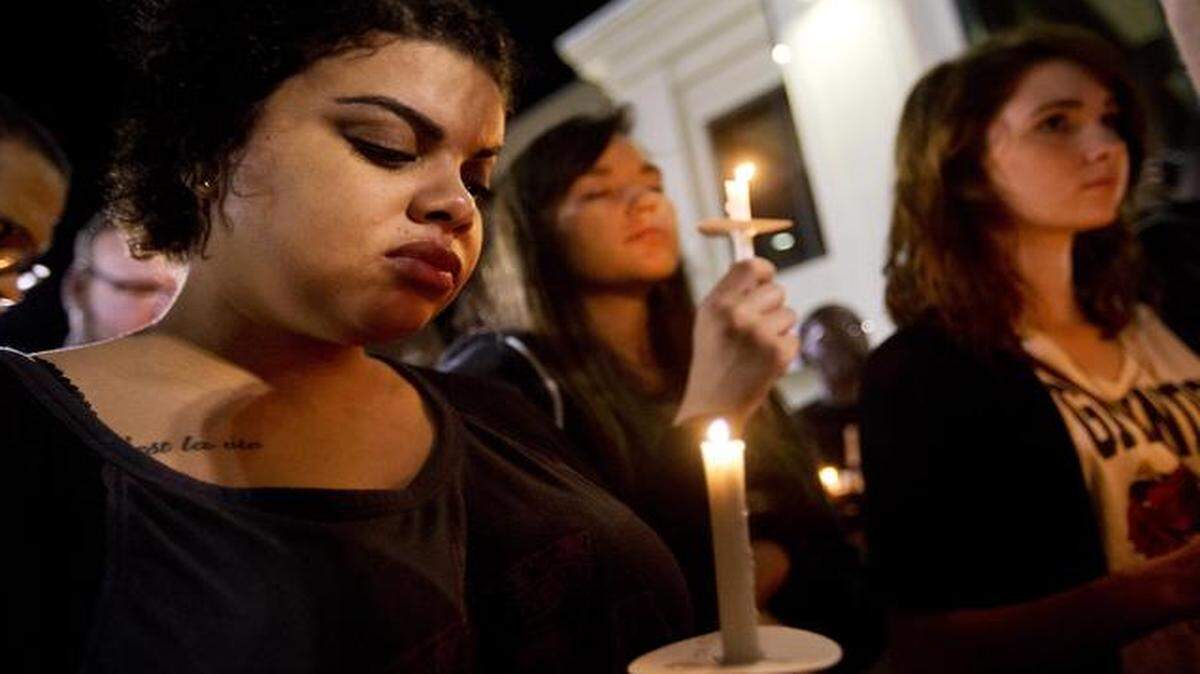
We all saw the horror film: unimpeachable video evidence that Walter Scott was shot repeatedly in the back while fleeing from North Charleston Police Officer Michael Sleger. Although this video was not captured through the official lens of a dashboard camera or a body-mounted camera, the footage is no less telling. There is little debate about what happened, and as a result, Officer Sleger has been arrested and many community leaders, including Scott family attorney Rep. Justin Bamberg, have beseeched the public to “let the justice process run its course.”
But for Scott and countless other casualties of police brutality, ex poste justice comes a few gunshots too late. We are therefore confronted with a hard question: How can we stop the violence ex ante?
The answer is just as daunting: by changing the hearts of men and women. In the wake of the deaths of Michael Brown in Ferguson and Eric Garner in Staten Island, civil rights activists (myself included) clamored for both a change in laws and a change in police procedure. However, these formal measures are all but forgotten when a fearful, nervous police officer with a preconceived notion of the dangerous, black man encounters a Walter Scott.
This harsh reality in no way invalidates the need for systemic change in law and police procedure. Without a doubt, officers should be wearing body-mounted cameras. Officers should receive anti-bias training. Police departments should be forced to demilitarize. But put bluntly, all of these measures aimed at curbing police behavior do little to address the underlying perception that black people are inherently dangerous.
Changing this belief is at the heart of solving the problem. A 2002 study examined racial biases in participants’ decisions in shooting targets. University of Chicago professor Joshua Correll placed participants in a time-pressured simulation and asked them to differentiate between armed and unarmed targets. Unsurprisingly, participants reacted much more quickly to the armed black targets than they did to the armed white targets. This study was repeated by Dr. Correll in 2007. This time, the participants included police officers, and the results were the same: Police officers were quicker to pull the trigger when faced with armed black targets. The implications of these studies are clear and frightening; fear of the black man is ubiquitous.
Even more alarming is that this fear eventually gives way to indifference for black lives. To demonstrate this, we need look no further than this latest shooting: As events were yet unfolding, a tone-deaf local reporter used one tweet to express her concern not for Scott but rather for the police officer’s pet dogs. tweeting: “I can’t help but hope someone is taking care of them.” A few hours later, The New York Times chose to highlight Scott’s criminal record, almost suggesting that his past transgressions justified Sleger’s actions. Finally, across the nation, hundreds took to social media to express their growing apathy toward the mounting number of casualties in the broader #BlackLivesMatter movement. In other words, this latest shooting seems par for the course of racially fueled police brutality.
Such fear and indifference will not be easy to eradicate; many of these notions have been cultivated for generations. But there is good news in all of this: From North Charleston to Ferguson and beyond, a new generation has emerged and stumbled upon its purpose. Generation Ferguson is wide awake, and though the order is tall, it is not insurmountable. Hearts can, and will, be changed.
Ms. Richardson is a Columbia resident and member of the Harvard Black Law Student Association, which launched the #HandsUpDontShoot campaign that is raising awareness about police brutality; contact her at arichardson@jd15.law.harvard.edu.
This story was originally published April 12, 2015 at 5:00 PM with the headline "Richardson: To stop a repeat of North Charleston tragedy, change laws, change attitudes."