SC coronavirus cases reach 12,651 as numbers continue to climb
South Carolina’s coronavirus case count reached 12,651 Wednesday after 235 more Palmetto State residents tested positive, continuing a streak of high case counts that the state has seen since Friday.
Greenville County saw the largest increase in cases with 51. Richland County saw 30 new cases, and nearby Lexington County saw two.
DHEC officials also said that 17 additional people have died after contracting COVID-19, bringing the statewide death toll up to 518.
The rising number of cases and deaths were released Wednesday as health officials expressed concern about how metrics used to track the spread of COVID-19 in the state are ticking up. Their alarm comes amid protests that started last weekend over the death of George Floyd while in police custody in Minneapolis. It also comes as more people are venturing out as the economy reopens.
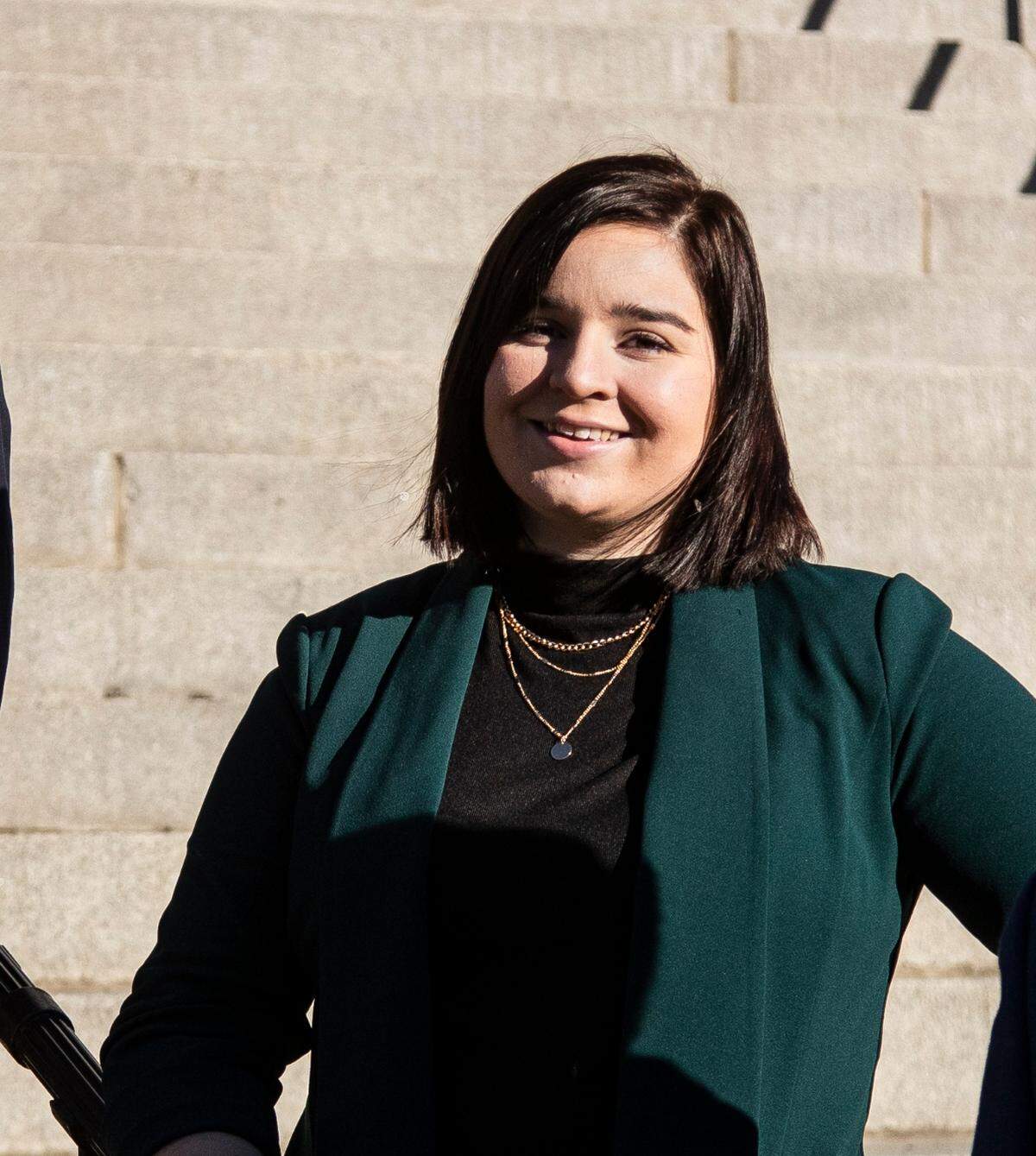
“If it gains a foothold in a community ... we will see more case spread,“ DHEC Director of Public Health Joan Duwve said Wednesday on a conference call with reporters. “At this point, it’s really critical that we all just hunker down.”
In May, DHEC officials began saying that South Carolina’s coronavirus curve had flattened. Now, Duwve said she isn’t so sure that was the case.
“We had a very flat curve for quite a while, and now as we’re starting to see increasing numbers in cases,” Duwve said. “This could look like a blip on that curve ... or we could continue to see an increase in the curve overall. So, I guess it’s up to us.”
Of the 17 people whose deaths were announced Wednesday, two of the patients who died were middle-aged and came from Berkeley and Charleston counties. The other fifteen were elderly. Spartanburg County saw the most deaths with three. Lee and York counties saw two each.
The rest of the patients who died were from Aiken, Darlington, Greenwood, Horry, Lancaster, Marlboro, Pickens and Sumter counties.
Over the last month, DHEC has seen an increase in coronavirus activity. From the number of people diagnosed each week to the seven day average number of cases to the percent of tests that are positive, statistics have shown that more people are being infected with COVID-19.
On Wednesday, 4.5% of tests done turned up positive, DHEC says, one of the lowest numbers in the past week. On Tuesday, 9% of tests were positive, a number that is close to what state health officials say they saw in March and early April.
State health officials have also predicted that South Carolina will see an increase in positive tests each week until mid-June.
What’s more, the confirmed cases tracked by the state give only a partial picture of the spread of infections, health officials say.
The number of cases released by DHEC Wednesday only account for people who have received a coronavirus test. DHEC officials estimate that as many as 86% of coronavirus cases across the state have gone unidentified. Wednesday afternoon, they estimated that more than 90,300 South Carolinians have actually had the virus.
The increase in COVID-19 activity may be due in part to DHEC’s increased testing over the last month. The public health agency plans to test about 2% of the state’s population in June. They met that goal in May. South Carolina labs have completed 230,687 tests.
But some health experts and DHEC officials believe the increase in cases could be due to more residents going out in public, which could lead to later COVID-19 outbreaks. On Wednesday, DHEC officials raised concerns about the protests, issuing warnings about how easily the virus could spread under those circumstances, while saying they have not identified a case reported from the protest events.
DHEC’s Duwve cautioned that there is always concern when people begin to gather in large groups, and the virus can be transmitted when people are talking loudly or singing. She added that protesters should try to maintain social distance and wear masks.
The state saw its first cases in March in Kershaw and Charleston counties. Since, 85% of people who tested positive for the virus have recovered, DHEC says.
Since April 20, Gov. Henry McMaster has been incrementally reopening businesses, starting with retail businesses and restaurants and adding close-contact businesses such as salons and gyms, where customers and staff sometimes are in close contact, and attractions.
Duwve encouraged people to continue to practice social distancing and to limit the number of people they come in contact with.
Hospitals have seen an impact since the first coronavirus cases in March. As of Wednesday, 70.84% of beds at hospitals across the state were occupied. About 430 beds are being used by COVID-19 patients or those who are suspected of having the virus.
DHEC has taken other steps to help with a safe reopening, including increasing their contact tracing staff from 20 to 380. They’ve also contracted with private companies to hire 1,400 more tracers, who work to contact anyone who came near someone who tests positive for COVID-19.
New coronavirus cases
Aiken (2)
Allendale (1)
Anderson (3)
Bamberg (3)
Barnwell (1)
Beaufort (3)
Berkeley (1)
Charleston (11)
Chester (5)
Cherokee (1)
Chesterfield (4)
Colleton (3)
Darlington (3)
Dorchester (3)
Edgefield (1)
Fairfield (4)
Florence (6)
Greenville (51)
Greenwood (2)
Horry (17)
Kershaw (7)
Lancaster (15)
Laurens (2)
Lee (2)
Lexington (18)
Marion (1)
Marlboro (4)
McCormick (1)
Newberry (2)
Orangeburg (3)
Pickens (5)
Richland (30)
Spartanburg (5)
Sumter (11)
Williamsburg (1)
York (3)
This story was originally published June 3, 2020 at 3:47 PM.