Stuck at home during COVID, some SC residents struggle to keep the lights on
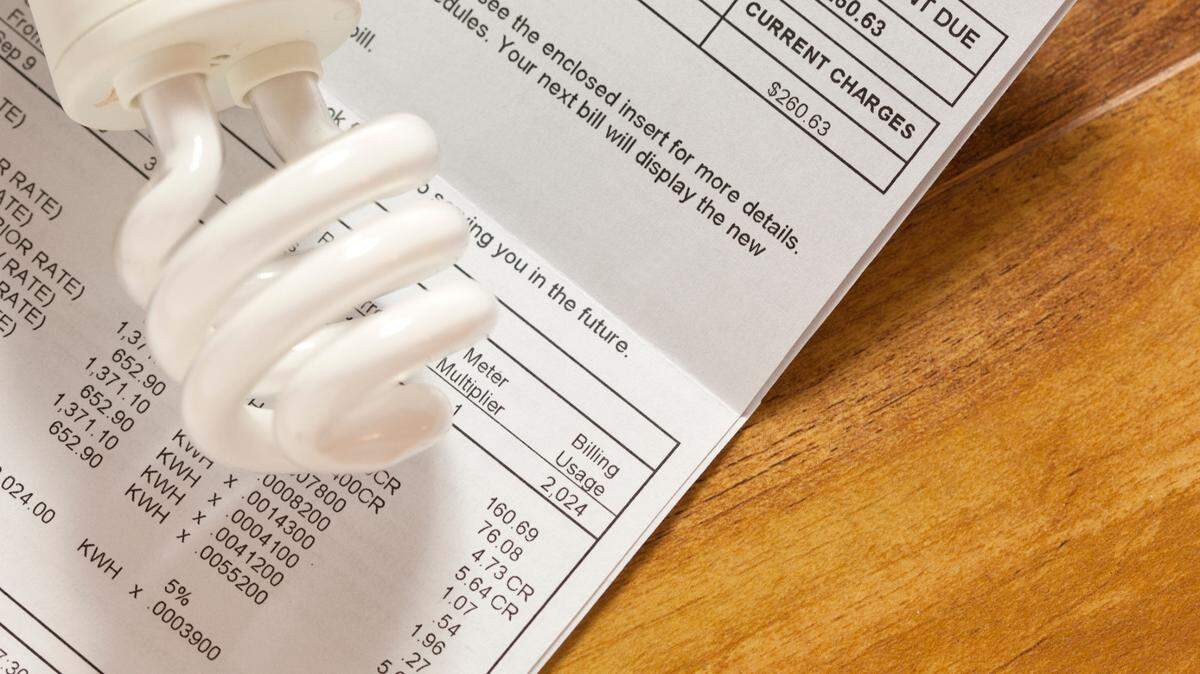
Thousands of South Carolinians struggled to pay for basic necessities like heat and electricity last year amid economic turmoil caused by COVID-19.
Applications for a federal program that helps low income residents pay their energy bills increased 35% in 2020 over 2019, according to the South Carolina Office of Economic Opportunity.
Now, a coalition called South Carolina Connected in Crisis is calling on utilities to stop service shutoffs for the remainder of the pandemic.
“People still deserve to have working power even if they can’t afford to pay right now.” said Lauren Harper, CEO of CityBright political consulting firm and one of the organizers behind the effort.
Last week the group submitted a ratepayer letter with 709 signatures to the South Carolina Public Service Commission, the board tasked with regulating public utilities.
“Rather than allowing utilities to determine deferred payment plan options or debt forgiveness, we request that the Commission prohibit disconnections at this time and pursue additional tracking and reporting of data,” they wrote.
South Carolina’s five major electric and gas providers actually reported a 53% decline in involuntary service shutoffs from 2019 to 2020, according to documents filed with the Public Service Commission.
That drop may be tied in part to a March 2020 directive from the Public Service Commission for utilities to temporarily suspend shutoffs after Gov. Henry McMaster declared a state of emergency. The suspension, issued in response to a request from McMaster, ended in May
After the moratorium ended, the PSC allowed utility companies to give ratepayers more time to pay their bills and to establish payment plays for customers, said Robert Bockman, public information director for the Public Service Commission.
Although the state’s moratorium ended in May, several South Carolina companies suspended cutoffs until later in the year.
Dominion Energy suspended cutoffs from March through September, spokesman Matthew Long said.
“We are providing flexible payment arrangements and allowing more time for customers to pay off past-due balances,” he said.
Duke Energy suspended cutoffs until October, according to Ryan Mosier, a spokesman for the company.
After all five major power companies in South Carolina resumed disconnections last year, the number of shutoffs sharply increased — rising from 3,768 in the third quarter to 58,506 in the fourth. Power companies report shutoffs to the PSC quarterly.
Still, the number of shutoffs in the fourth quarter last year were 39% lower than the same quarter in 2019.
John Brooker from the Conservation Voters of South Carolina — another group behind the effort to suspend shutoffs during the pandemic — said that energy insecurity has always been a problem and COVID-19 has presented an opportunity to advocate for change.
“It’s pretty hard to be COVID safe and to follow public health measures if you don’t have power,” he said. “I think that brings an extra layer of urgency to the issue.”
Even before the pandemic, utility bills presented a financial burden for low-income South Carolinians like Elizabeth Taylor, a 76-year-old Richland County resident. Taylor’s main source of income is the $740 she receives each month from Social Security.
“In the past I have had my lights shut off so it is a big source of stress for me,” she said.
She is not alone.
According to 2019 research from the University of North Carolina, on average, South Carolina residents whose income is between 50% to 100% of the federal poverty level spent 20% of their income on energy. Those with incomes less than 50% of the federal poverty level spent 37% of their incomes on energy. “The threshold in which energy is affordable is 6 percent of the household’s income,” the report states.
In the past, Taylor has received around $500 a year through the federal Low Income Home Energy Assistance Program. But this year, she worries that money won’t stretch as far.
“With COVID, you’re home all the time so you’re using more energy, your bill is higher,” she said, “I’m paying almost $300 a month now.”
State Sen. Mia Mcleod said that utility rate hikes in recent years have made matters worse. Many residents in her district opposed a requested increase from Palmetto Utilities last June. The company wanted to increase flat sewer service rates from $52.10 a month to $66.62 a month. Customers argued it was unfair to make them pay more during the pandemic.
In August, the Public Service Commission granted the request, allowing Palmetto Utilities to raise rates to $66.52 over three years.
The company faced similar pushback in 2017 when it requested an increase from its monthly flat rate of $36.50 to $68.05. Ultimately rates were raised to $52.10 a month instead.
In January, Mcleod introduced a bill that would prevent utility companies from raising their rates during a state of emergency.
“The law as it is currently written is meant to protect the utilities, not the ratepayers,” she said. “This is not the only change that needs to be made but it’s a step in the right direction.”