
SC Midlands elementary schools bear the brunt of K-12 COVID-19 infections, data show
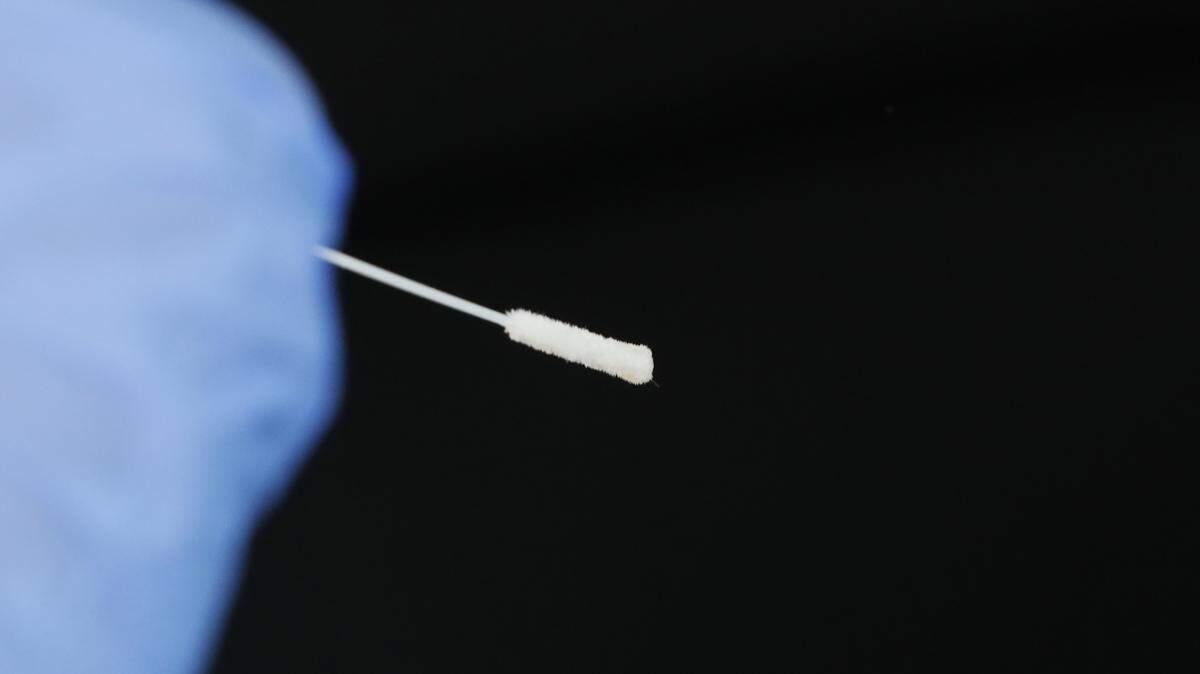
As COVID-19 cases rise in South Carolina Midlands schools, the youngest students are making up the highest case numbers, data show.
In Richland, Kershaw and Lexington counties, more elementary school students, 488, have tested positive for COVID-19 than middle school students, 333, or high school students, 329, according to data The State compiled from districts’ coronavirus dashboards.
Even for elementary students who haven’t tested positive, the disproportionate case load is disrupting classes. Throughout the three-county area, just under 3,000 students were quarantined as of Aug. 26, which is more than the number of quarantined high school and middle school students combined.
The trend is widespread. At every Lexington, Richland and Kershaw district that disclosed student quarantine numbers, more elementary school students were quarantined than middle or high school students. At every school district that had more than five student cases in the tri-county area, more elementary school students tested positive than middle or high school students, with the exception of Kershaw.
The increased cases at elementary schools comes as South Carolina sees a surge in cases and schools statewide are reporting more cases than at this time last year.
“Many of our schools are seeing much higher cases of COVID-19 among students and faculty than they were at this time last year. This is very concerning,” S.C. Department of Health and Environmental Control Public Health Director Brannon Traxler said recently. “School children are also more susceptible to disease spread for two main reasons. First, their immune systems are not as fully developed as adults yet. And second, disease activity, contagious diseases, thrive when people are close together in an indoor setting, such as a school or child care.”
Traxler urged everyone who is eligible to get vaccinated, especially as the Pfizer-BioNTech vaccine received full approval from the U.S. Food and Drug Administration earlier this week.
“Low vaccination rates statewide and the delta variant are fueling this current surge and because disease activity is high in just about every county, we expect to see that reflected in our schools as well,” DHEC spokeswoman Laura Renwick said in an email.
Columbia pediatrician Deborah Greenhouse said she was not surprised elementary schools are reporting higher case numbers than middle or high schools. She thinks there are a couple reasons for that. For one, the more contagious delta variant means it’s more likely children will share the virus among one another rather than prior strains, which children typically caught from infected adults in their household, Greenhouse said.
“What we still don’t know is whether the kids are getting sicker because of the delta variant,” Greenhouse said.
Two, elementary schools are testing at higher rates and are being more aggressive about quarantining students, she said. Some sick high school students may not say whether they’re having symptoms, Greenhouse said.
“I’m 100% sure there are kids at the high school level that are not admitting they’re not feeling well,” Greenhouse said.
While higher rates of testing may skew numbers, Greenhouse said there are more factors than just that. For example, more elementary school employees across the three counties, 65, are testing positive for COVID-19 than middle school, 44, or high school, 23, according to the data.
Elementary schools are the only level of schooling where none of the students are 12 years old and therefore eligible for a vaccine, she said. Plus, young children are often close together and less likely to be frequently washing their hands, she said.
“Younger kids are more likely to be closer together, coughing and sneezing on each other,” Greenhouse said.
One thing that has frustrated Greenhouse is some people’s focus on the relatively small percent of children who get sick or hospitalized because of COVID-19. Even 1 or 2% of children in an area getting sick can overwhelm health care officials’ ability to treat them, she said.
“Even a small percentage of kids getting very sick and ending up in the hospital… that very small percentage becomes a large amount of kids,” Greenhouse said. “1% of thousands of kids is still a lot of kids.”
To protect students, Greenhouse urged parents to get vaccinated, require their children to wear a mask, keep them out of school if they are sick and physically distance from others who may be sick, she said.
“We can turn that tide today if we choose to,” Greenhouse said.
This story was originally published August 27, 2021 at 2:13 PM.
CORRECTION: An earlier version of this story incorrectly stated the number of elementary, middle and high school students who are actively positive for COVID-19. The story has been updated with the correct figures.