
Lawmakers sent $575K to a nonprofit tied to Richland Co. senator. So where did it go?
READ MORE
Following the money
It’s difficult, even impossible, to determine if earmarks are spent correctly. That leaves S.C. taxpayers in the dark about their money.
Expand All
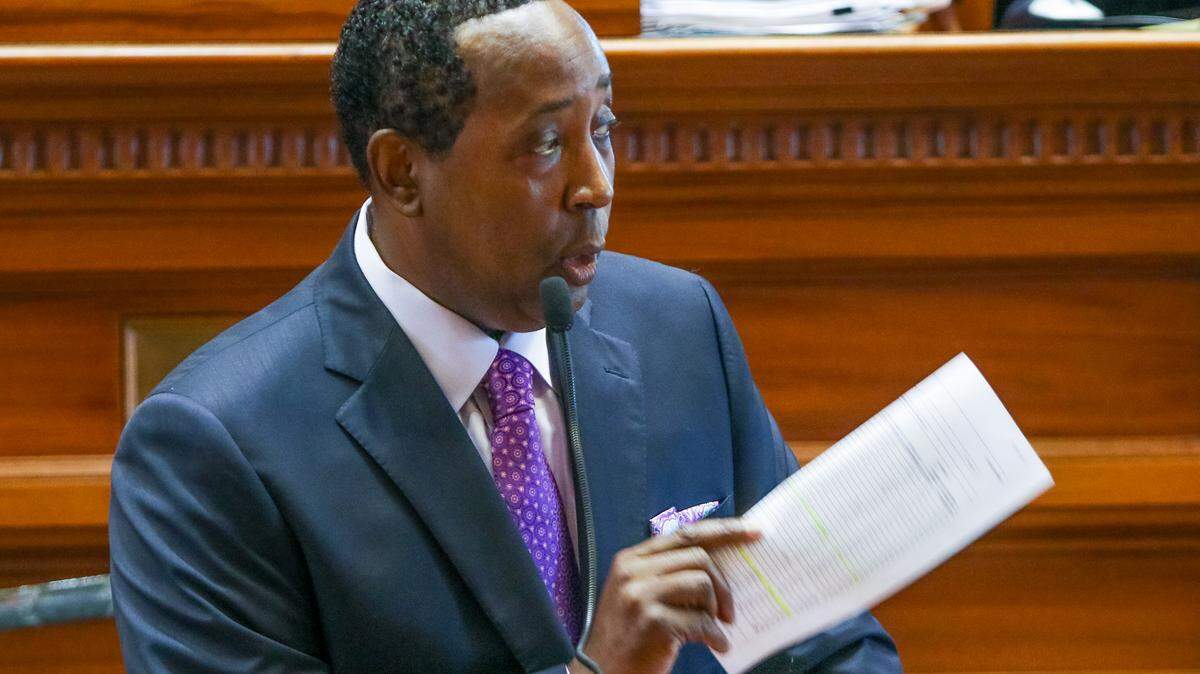
Lawmakers sent $575K to a nonprofit tied to Richland Co. senator. So where did it go?
Let’s seek answers from state Sen. Jackson but let’s also applaud his church’s impact
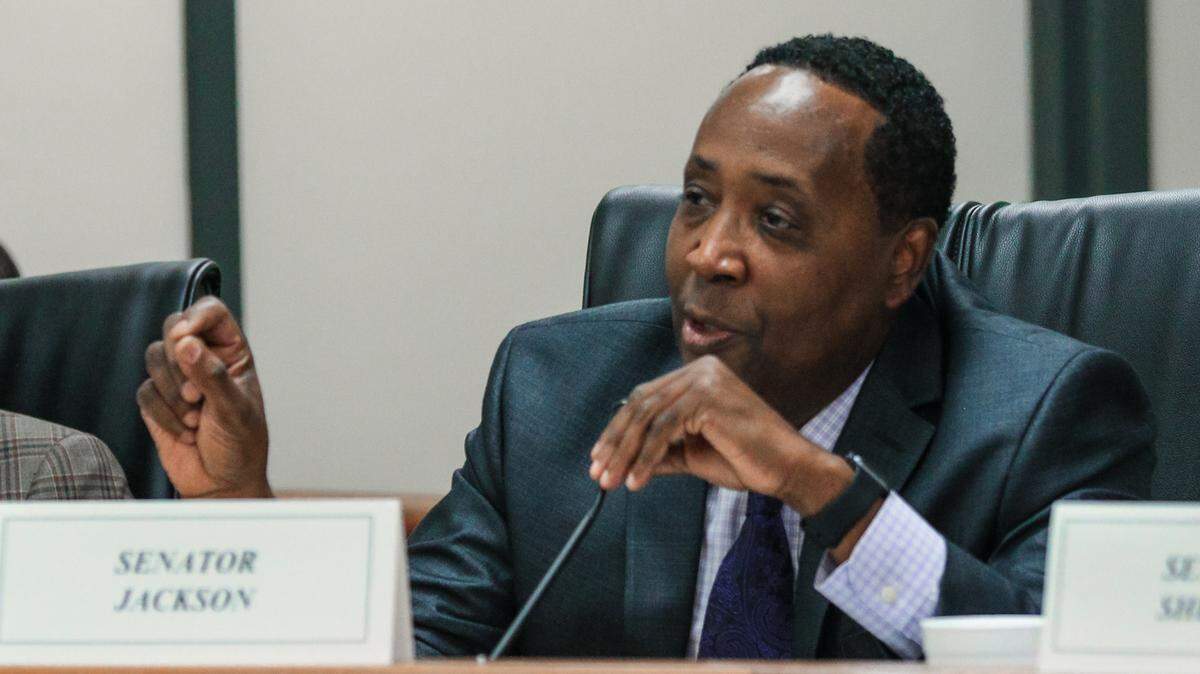
SC officials troubled by senator’s financial ties to Richland County church’s nonprofit
Bible Way Church remains a difference-making asset to the Midlands community
Questions over funding projects prove lawmakers owe SC taxpayers more accountability
About $450,000 in public money — provided through legislative earmarks to a Columbia nonprofit with ties to a prominent senator — cannot be definitively accounted for, while another $124,000 appears to have been misused.
It’s a striking example of the lack of transparency, accountability and record-keeping surrounding a long-held practice in which state legislators secure money for projects in their districts, according to ethics experts.
Since 2007, public money in the form of “earmarks” — money designated for specific purposes — has steadily flowed to the Midlands Community Development Corporation, a Lower Richland nonprofit, created by Bible Way Church of Atlas Road.
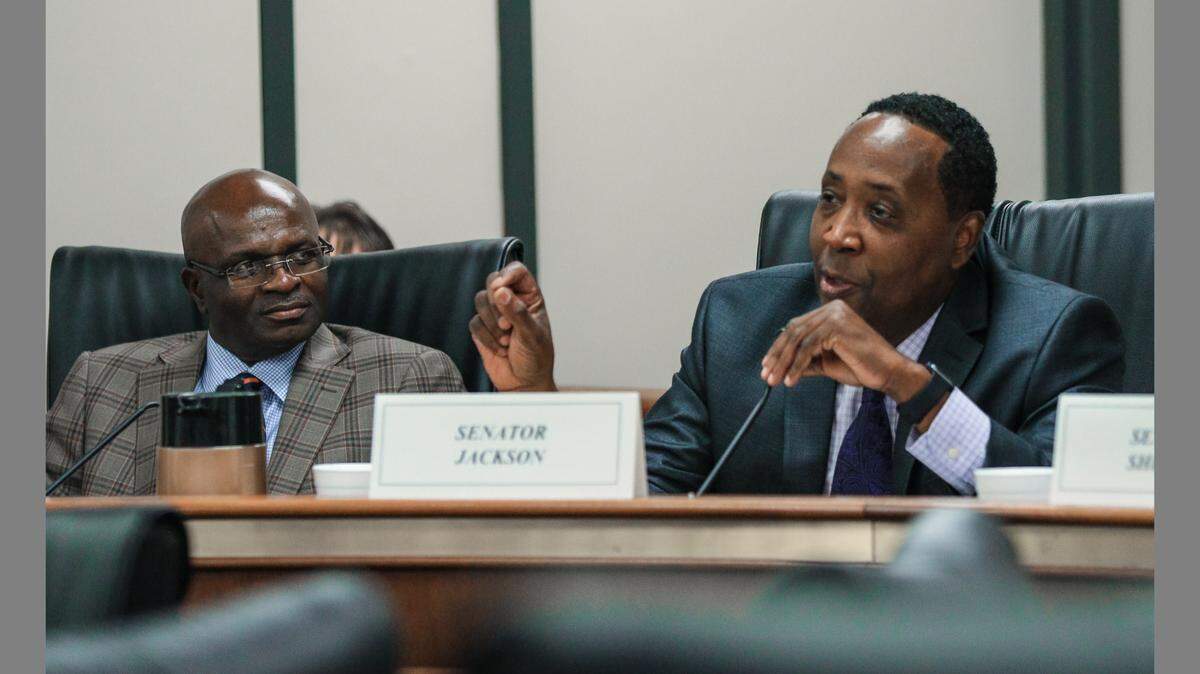
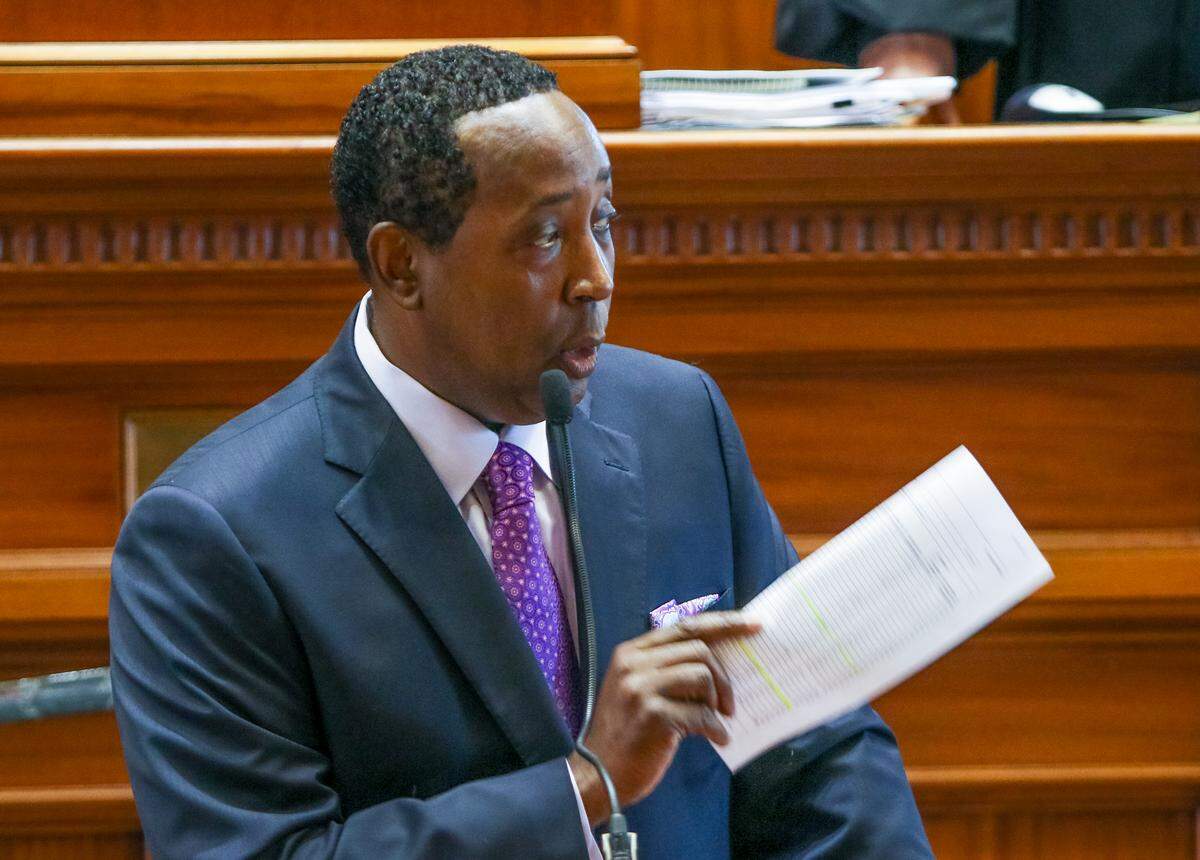
Sen. Darrell Jackson, D-Richland, is the senior pastor of Bible Way and an ad hoc member of the MCDC board. The nonprofit organization, founded in 1998, runs after-school care, youth mentorship, senior programs and more for the Atlas Road community.
Because of the way earmarks are quietly funneled through state agencies, it can be difficult, if not impossible, to determine which lawmaker is behind each carve-out. And state reporting requirements are not always followed, making it difficult to determine if earmarks are spent as promised.
In the case of MCDC, the newspaper determined that the nonprofit has received $5.5 million since 2007. At least $1.5 million of that came through earmarks that Jackson, a well-respected lawmaker of 27 years, supported in recorded votes in the state Senate. Another $500,000 of that is from two new earmarks in this fiscal year’s budget. Reports detailing how that money is being spent are not due yet.
Public officials are restricted from using their positions to obtain an economic interest for themselves, family members or associated businesses and organizations, according to state law.
Jackson said the earmarks did not benefit himself or his church so he’s in compliance with the law. He added that he’s personally donated $22,000 to the nonprofit over the years, never receiving a dime in return, while members of his church have donated more than $1 million to the nonprofit just in the last several years.
Additionally, he said he asked for guidance from the chairman of the Senate Ethics Committee in 2007 and was told he did not need to recuse himself from votes that benefited the nonprofit’s work.
As a result, MCDC has benefited from state coffers.
Jackson has voted at least eight times since 2007 to steer money to MCDC for wellness programs, after-school care and economic development projects for the Atlas Road community — projects that he and area residents have long advocated for.
Two pots of money — $475,000 in 2007 and another $100,000 in 2016 — cannot be fully accounted for by The State Media Co.:
- Jackson said the money from 2007 was given to four vendors to perform erosion and sediment control work at a neighborhood, called Congaree Pointe, across the street from his church. But when contacted by the newspaper, representatives at each company said they did not work on the project and did not receive any money. One later altered his statement, saying the company was paid to do a sidewalk in front of the neighborhood, which included some erosion control work.
- MCDC provided to the newspaper copies of checks, dated between 2009 and 2011, to show the money was paid to the vendors to do work on the subdivision. MCDC leaders attempted to obscure the dollar amounts before releasing them, but they remained legible, and added up to only $124,000 — far short of $475,000. Work covered by these payments do not appear to be related to erosion and sediment control.
In 2015 and 2016, the nonprofit received another $100,000 earmark for a non-specific economic development project. MCDC’s executive director, D.J. Jackson, the senator’s son, said the organization could not find files showing how that money was spent.
Jackson couldn’t explain how all the funds were spent either, citing the length of time that had passed and staff turnover at the nonprofit, but said the money was spent legally and on projects promised to the community.
The newspaper found no evidence of money being spent on projects that weren’t associated with the Atlas Road community.
“We’ve done everything we said,” Jackson said Tuesday. “There’s a housing community there. We’re in negotiations to build more houses. We’re negotiating ... with grocery stores and all of that.”
Other lawmakers secure earmarks, too
Jackson’s nonprofit is far from the only one benefiting through the state budgeting process. In 2019 alone, more than $20 million was shelled out to projects hand-picked by various legislators, including some with ties to themselves or their families, according to exclusive reporting by The State in December.
In one example, Sen. Greg Gregory, R-Lancaster, directed $1 million over the last two years to Lindsay Pettus Greenway, a nonprofit run by his wife. When questioned about it, Gregory justified the requests by saying his wife isn’t paid by the nonprofit, which has raised more than $5 million for a public biking and walking trail in Lancaster that connects to the Carolina Thread Trail.
It’s still too soon to say whether that money was spent accordingly. The nonprofit isn’t required to show how the state dollars were used until mid-2021, but it has submitted a detailed budget showing its anticipated expenses. Voters also passed a referendum to help fund the $15 million project, which is about halfway complete, said the lawmaker’s wife, Sherri Gregory.
In MCDC’s case, Jackson also says community good has also come from the public dollars his church’s nonprofit has received.
Jackson recently told the newspaper that the construction of the Congaree Pointe neighborhood — which received money from the 2007 earmark — has proven to be an important catalyst for other private development projects nearby, including a senior living facility. Other state funds, he said, went to much-needed programs in the area to help children and seniors and pay for the nonprofit’s administrative costs.
“I’m proud of the things we’ve done,” he said.
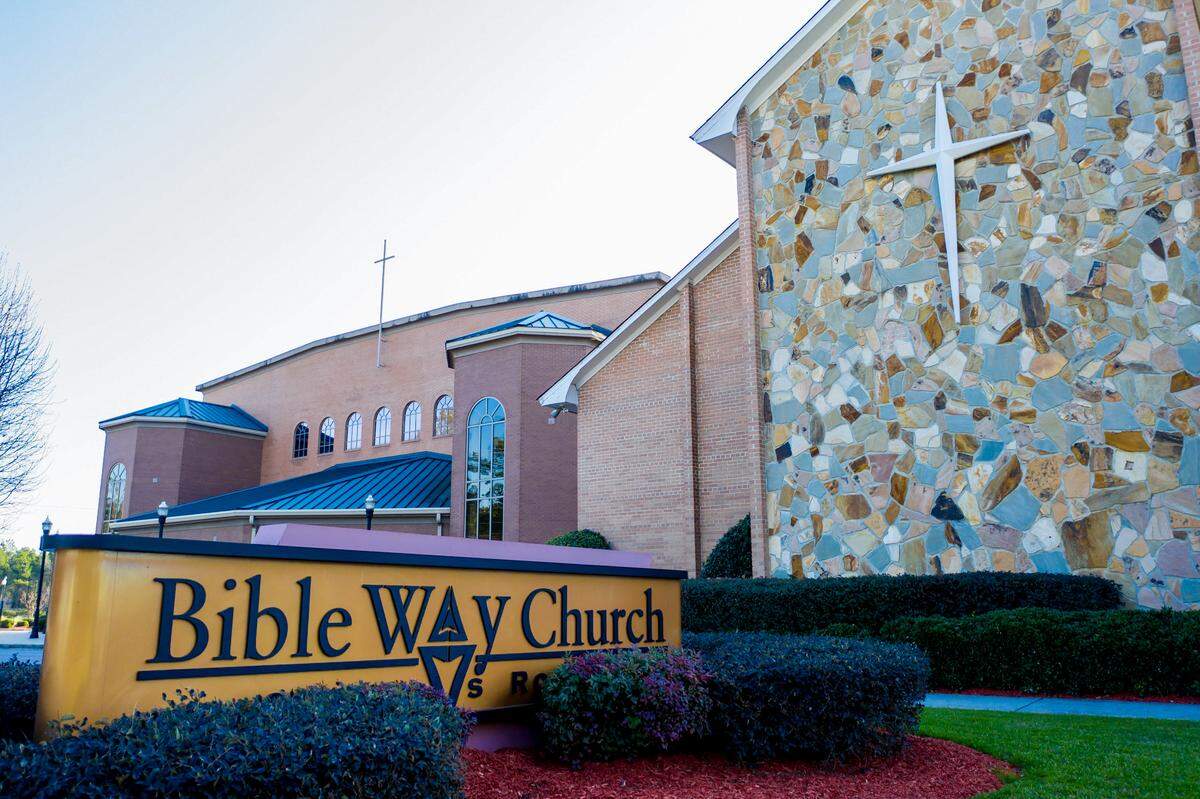
The community surrounding Bible Way Church, long underserved by government and ignored by many developers, is finally being revitalized, and that is what matters most, according to Jackson and his advocates.
“That area is blessed to have churches such as Bible Way,” said Warren Bolton, pastor of Mt. Zion Baptist Church.
“That was an area that was overlooked and looked down upon,” added Bolton, who worked for The State newspaper for 30 years, including time as an editor on its editorial board.
But four ethics experts with knowledge of the state’s ethics laws described Jackson’s situation as problematic. They said Jackson should have disclosed his connection to the nonprofit before casting votes in the Senate and that he should have outlined MCDC’s development plans in writing to the Senate Ethics Committee.
“It’s really common sense to want to have a paper trail because that’s what the public deserves,” said John Freeman, a professional ethics emeritus at the University of South Carolina. “When you got issues of sloppy accounting and you got issues of missing money, it brings public cynicism ... It ain’t that hard to write things down. It ain’t that hard to keep track of the money.”
Jackson said he had an informal conversation in 2007 with Sen. Wes Hayes, then-chairman of the Senate’s ethics committee, and was told by Hayes he was in compliance with the law.
Hayes recently told The State he has no recollection of the conversation and doesn’t know the details well enough to say whether he would have offered such an opinion.
Jackson also recently told the newspaper he would do more to avoid even the appearance of ethical conflicts by recusing himself from all future votes involving MCDC and his church.
A dream come true
The $475,000 earmark was specifically for “erosion and sediment control” at Congaree Pointe, a subdivision across the street from Jackson’s church.
Why would lawmakers help pay for the construction of a private neighborhood?
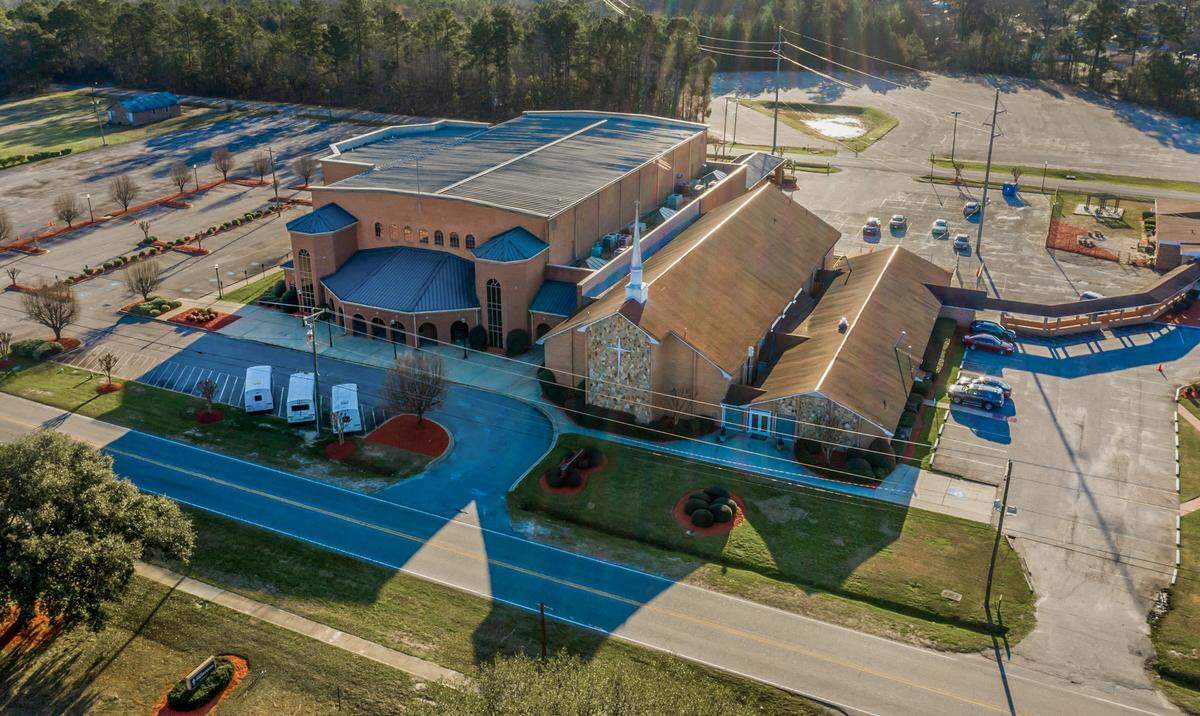
Congaree Pointe wasn’t just any neighborhood, say Jackson and his advocates. Its construction was a big step in the church’s long-term plan to transform the surrounding Atlas Road community. For decades, Jackson and his congregation had dreamed of replacing rundown mobile homes near the church with new housing for families, sports fields, a senior living facility and other amenities to benefit the community.
In 2006, the church borrowed about $2.6 million to buy more than 100 acres of land near the church. The next year, Columbia-based developer Hallmark Land Investments bought nearly 17 acres of it for $1 million to build Congaree Pointe.
Construction of the 52 single-family homes was the first tangible proof of Atlas Road’s rebirth and the impetus for other nearby development projects. For example, a developer is scheduled to break ground later this year on a privately owned senior living facility, called Reunion at Congaree Pointe. Meanwhile, talks are ongoing with a grocery store and a dry cleaner, Jackson said.
Those developments are all to be built on land the church and its nonprofit hope to sell.
“A new grocery store doesn’t mean a lot to people already surrounded by grocery stores,” Jackson said. “But it means a lot to the people in this neighborhood who have never had one. The church’s work is changing that area for the better.”
None of the progress would have been possible without the $475,000 earmark in 2007, Jackson added. “It helped with drainage issues that allowed us to build Congaree Pointe right where it is now.”
But that’s not enough, said Virginia Sanders, a Lower Richland resident and community activist. When public dollars are being spent, even churches and nonprofits must provide a full accounting to taxpayers.
“I think everybody, not only Darrell Jackson and his church, who gets taxpayer money should be held accountable and the public should know how it’s spent,” she said.
Where did the money go?
State records show the $475,000 check for Congaree Pointe was sent to the church’s nonprofit, MCDC, on Dec. 6, 2007. But that’s where the public records trail ends.
While the money was tucked into the S.C. Department of Natural Resources’ budget, the agency has no records of how the money was spent, according to department officials. Typically, organizations receiving earmarks must account for the money.
In a recent interview, Jackson told the newspaper the money was originally given to Don Tomlin, president of Hallmark Homes, whose company built the subdivision.
Later, Jackson said, after speaking with Tomlin, he was mistaken due to the length of time that had passed and that the money was actually paid directly to four vendors.
But representatives from the four companies told the newspaper in February that they had nothing to do with the residential project and never received any money to do “erosion and sediment control” work. Two of those representatives also said that $475,000 for the work was an exorbitant amount of money for a project its size, estimating the it would cost $20,000 or less.
“We weren’t the engineers or surveyors. We never did anything on the project,” said Holly Keech, an office administrator for Civil Engineering of Columbia.
“I don’t recognize that name or remember doing anything on Atlas Road,” said Jim Lewis, owner of Lewis Wildlife and Wetlands.
“For them to say the Dennis Corporation was paid for (the neighborhood) is a lie,” said Dan Dennis, president of the company.
Dennis, however, said his company had a contract with the nonprofit nearly four years later to do traffic studies and a management plan along Bluff Road for a potential commercial development on church-owned land, separate from the neighborhood.
“We did not do anything with that subdivision,” said Ronald Taylor, vice president of Taylor Brothers Construction, adding his company built a sidewalk outside the subdivision at the request of the S.C. Department of Transportation.
Jackson said he didn’t know why the vendors denied their involvement with Congaree Pointe. He maintained the state money went to each company for work on the neighborhood.
In a later interview, Taylor said he was mistaken and the sidewalk was done at the nonprofit’s request — not DOT’s — and that his company also performed stormwater work. He declined to say the amount his company was paid.
Public documents, however, paint a different picture.
Congaree Pointe’s 2007 stormwater permit, on file at the S.C. Department of Health and Environmental Control, shows Hallmark Homes supervised the neighborhood’s stormwater work covering 27 acres — not Taylor Brothers. Hallmark Homes used its own money to pay for the work, according to a company representative, not money from the earmark.
As for the sidewalk, a DOT spokesman said the project originated from — and was paid for by — the state agency.
Under the state’s open records law, the newspaper then requested that MCDC provide documentation, showing payments to the four vendors. Copies of the checks were received, though the nonprofit attempted to black out the amounts it paid.
The amounts were still legible.
Spread out from 2009 to 2011, the checks totaled about $124,000 for work outside the neighborhood.
- Civil Engineering of Columbia was paid $35,150 in 2011 — years after some homes were built — for surveying and design work on church-owned land for a future commercial development, not the neighborhood. “We did some master planning that tied into a shopping center,” said Bill Flowers, the company’s president.
- Dennis Corporation was paid $5,500 in 2011 for traffic studies also tied to the future shopping center.
- Taylor Brothers was paid $83,334 in 2009 for its work. Only a portion of that went to erosion and sediment control during the sidewalk project, Taylor said.
- No checks were provided showing payments to Lewis Wildlife and Wetlands.
“The question is, ‘What happened to the difference?’” said longtime government watchdog John Crangle.
Jackson couldn’t explain why the payments were short of the full amount, but suggested some may have been kept by the nonprofit for administrative costs it incurred during the project. He also said paying for traffic studies and planning a commercial development — that will include a much-needed grocery store — was an appropriate use of the money, benefiting Atlas Road overall.
“That money did not have many restrictions,” Jackson said. “Like it did not say, ‘You cannot use some for administrative costs.’”
Other instances of unclear spending
The accounting for a second, smaller piece of funding also is incomplete.
In July 2015, Jackson voted to send $100,000 to Richland County government for an economic development project. The money came in two payments in October 2015 and March 2016, according to documents.
That project was requested on behalf of MCDC, which was required to submit four progress reports to the S.C. Department of Commerce. But the state received only one during the required time frame.
And the report only described how an undisclosed portion of the money was used: hiring an employee, hosting job fairs and a free food program. The nonprofit also promised to use the money to fund GED classes, a summer camp and to offer qualifying residents free tax-return services and future “direct services” based on their interests.
In October 2019, nearly four years later — and only after the newspaper began looking into the issue — the commerce department received a second quarterly report. The final reports have still never been submitted, said Alex Clark, the department’s director of communications.
“Due to the staff turnovers at both institutions and the timing involved, we are not expecting a final report to be submitted,” Clark wrote in an email to The State.
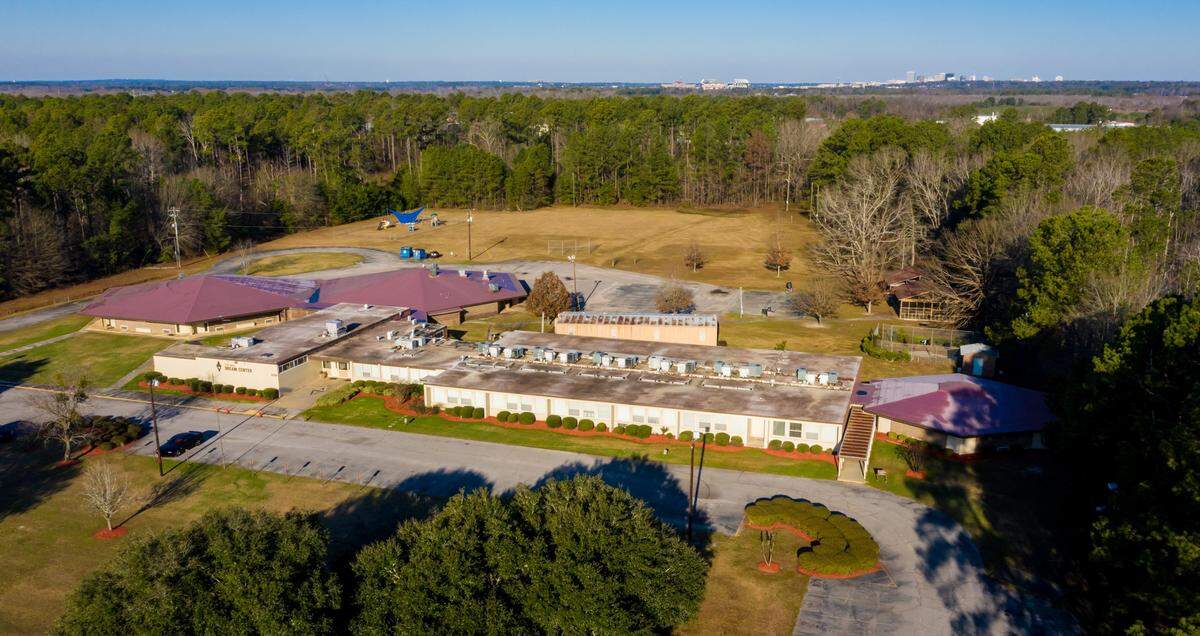
Asked about the missing reports, Jackson’s son and director of MCDC, D.J. Jackson, said the organization was having trouble locating the files because of staff turnover but assured they were given to Richland County. According to the state contract, the nonprofit is supposed to keep all records relating to the funds for at least three years following the conclusion of the taxpayer-funded program, which runs into 2020.
County officials previously told The State they had no such reports. The county, however, later sent one to the Department of Commerce in October — nearly four years late — following a records request from the newspaper. Metadata shows the two-page document was created on Oct. 31, 2019, by a Bible Way Church employee.
Asked about the unaccounted funds, the senator said he didn’t know much other than that the organization provided the services they reported.
Meanwhile, a $200,000 earmark in this year’s budget for the S.C. Department of Parks, Recreation and Tourism is dedicated to help the nonprofit pay for the planning and renovation of sports fields to host youth activities and other programs. A 2010 master plan document reviewed by The State shows the fields are planned for church-owned property, which may enhance its value.
Jackson denied any involvement in securing the earmark and justified his vote by saying the project money was lumped with others within the department’s budget. However, Rep. Jimmy Bales, D-Richland, who requested the money, said he did so at Jackson’s request. Neither lawmaker is listed as the requester of funds on documents, as required.
“(Darrell) is one of the initiators. I just knew about it,” Bales said. “Darrell said, ‘Help me with it.’”
Another $300,000 going to the nonprofit from this year’s budget is wrapped up in the S.C. Department of Health and Human Services budget for “medical services,” including wellness information sessions for Lower Richland seniors. The nonprofit’s only reporting requirements are to give a summary of the services it provided and the number of people it served.
Since The State first reported on how lawmakers are tied to hidden earmarks, Gov. Henry McMaster has been critical of the lack of transparency and accountability.
And some senators are taking steps to amend the process. Senate Majority Leader Shane Massey, R-Edgefield, said he plans to fast-track a proposal requiring senators to publicly disclose their earmarks, the price tag and the state agencies the money will be routed through.
But the proposed rule change would not create any new accounting provisions to ensure money is spent as directed.
To date, no lawmaker has proposed any change like that.
“That’s something we have to do by statute,” Massey said.
This story was originally published April 23, 2020 at 5:00 AM.