
SC officials troubled by senator’s financial ties to Richland County church’s nonprofit
READ MORE
Following the money
It’s difficult, even impossible, to determine if earmarks are spent correctly. That leaves S.C. taxpayers in the dark about their money.
Expand All
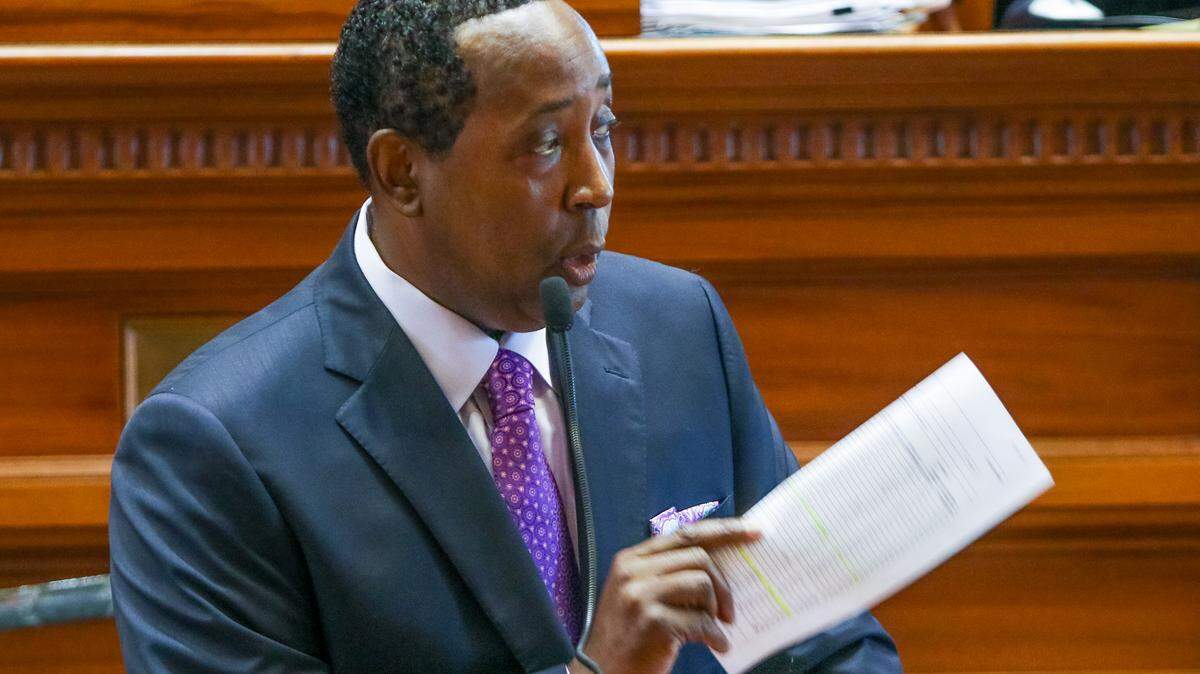
Lawmakers sent $575K to a nonprofit tied to Richland Co. senator. So where did it go?
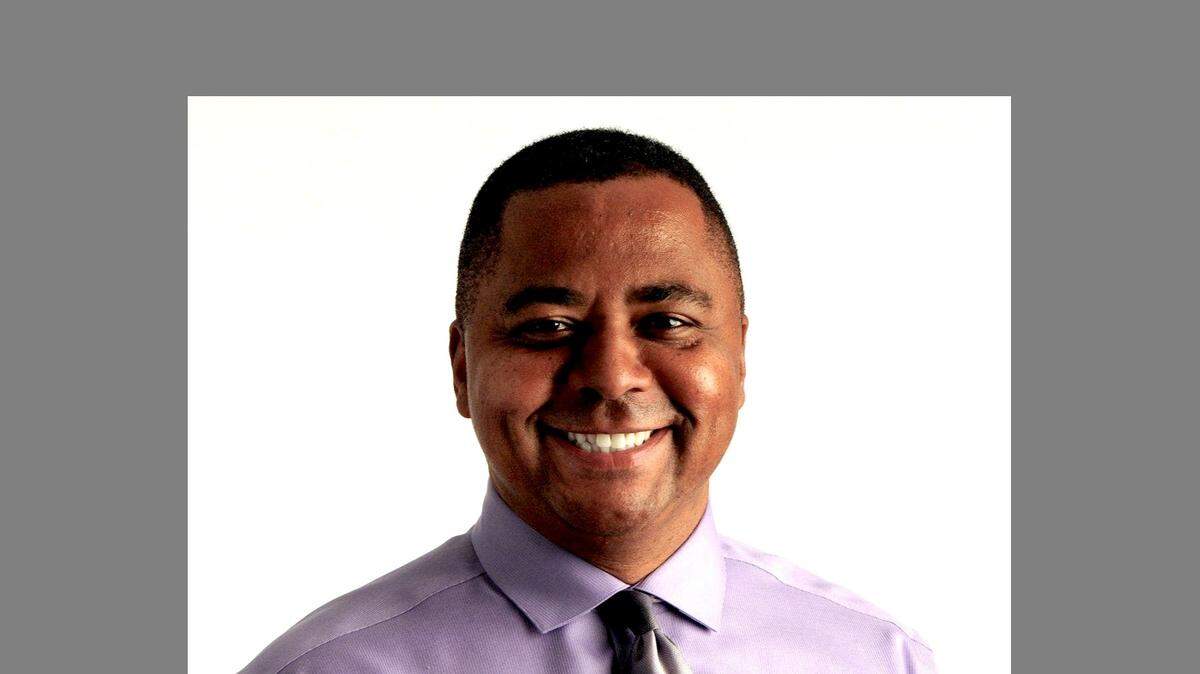
Let’s seek answers from state Sen. Jackson but let’s also applaud his church’s impact
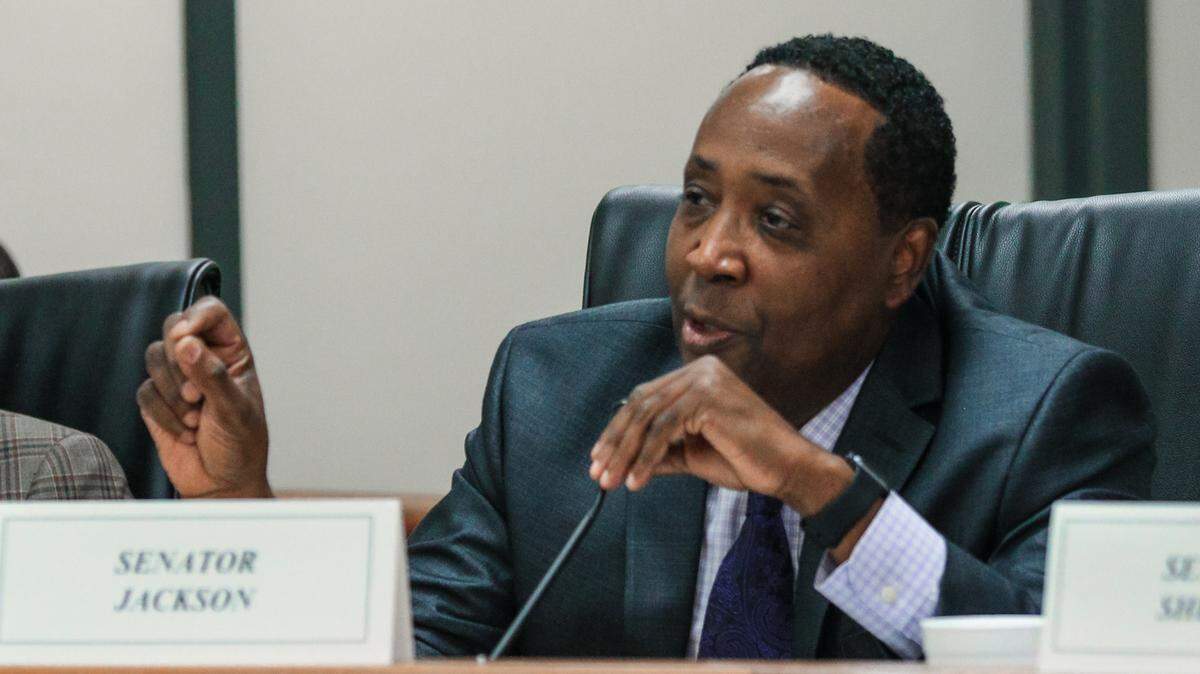
SC officials troubled by senator’s financial ties to Richland County church’s nonprofit
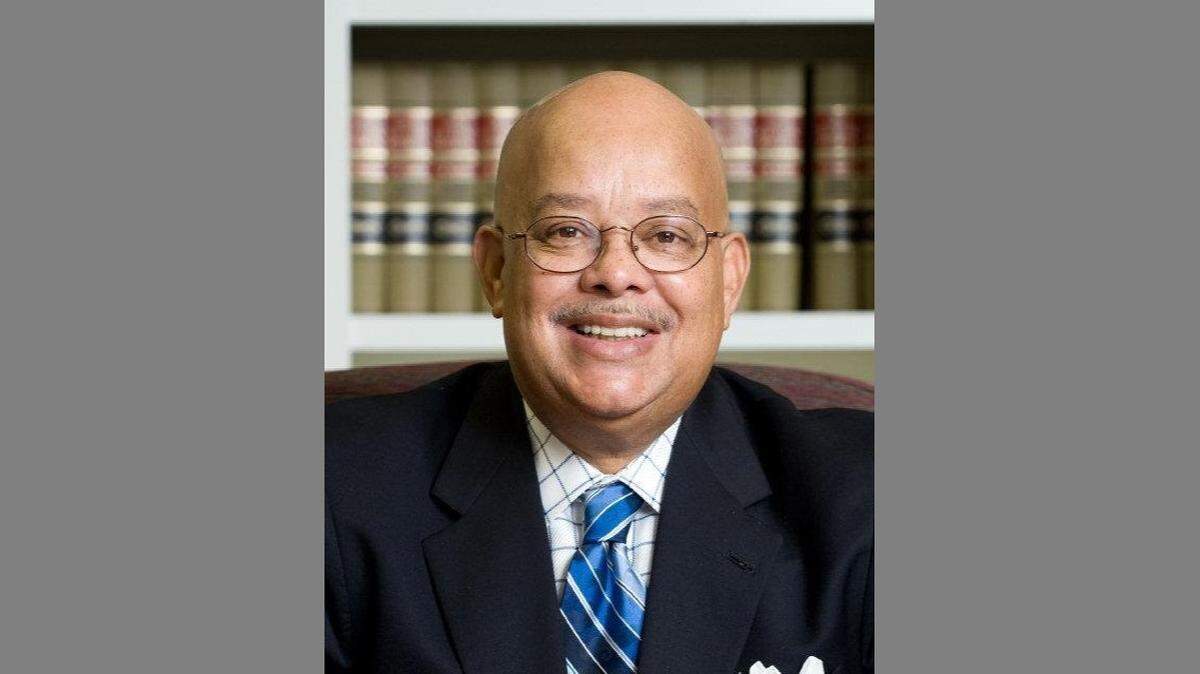
Bible Way Church remains a difference-making asset to the Midlands community
Questions over funding projects prove lawmakers owe SC taxpayers more accountability
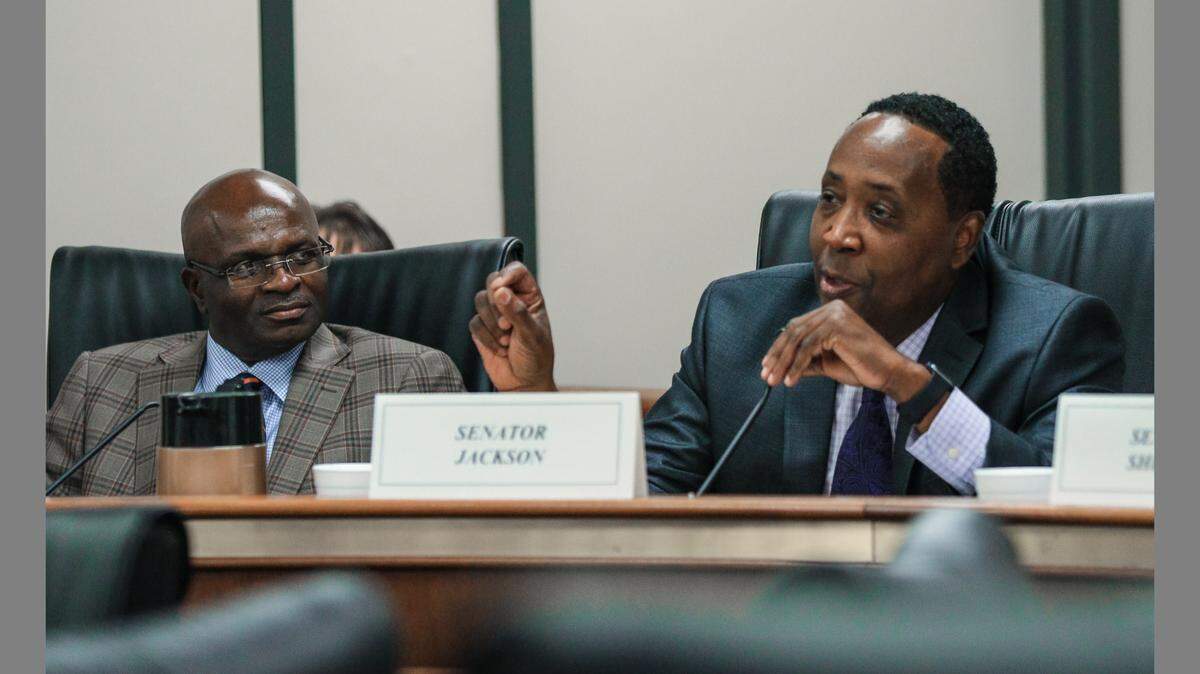
The revelation that a prominent state senator sent nearly $500,000 in public money to help with the construction of a private development has some lawmakers and ethics experts crying foul.
The money — sent to a church’s nonprofit in 2007 — was approved by state lawmakers, including Sen. Darrell Jackson, who is pastor of the church and founder of its nonprofit. It’s part of a long-held practice in which legislative leaders stash millions of dollars in the state’s budget each year, then send the earmarked money to pet projects. The controversial system was detailed in a December investigation by The State Media Co.
While a majority of House and Senate members voted in favor of sending money to the private development, several recently interviewed by the newspaper took issue with the 2007 vote and said they would not have supported later earmarks for the nonprofit, Midlands Community Development Corporation, had they known about its ties to their fellow lawmaker, Jackson.
Since 2007, Jackson, a Richland County Democrat, has requested or voted to send at least $1.5 million to MCDC for various economic development projects, after-school care and wellness programs. Jackson is both the senior pastor of Bible Way Church of Atlas Road as well as an ad hoc board member of its nonprofit, MCDC.
Jackson has denied any wrongdoing, saying his connection to the nonprofit is well-known by his fellow lawmakers and that similar transactions that benefit the private sector are common in the Legislature.
“How much have we sent to BMW, to Volvo,” he recently said. “How much to bring the Carolina Panthers’ headquarters here?”
Also, Jackson said he received verbal clearance from the Senate Ethics Commission chairman at the time and that the money was well spent on the underserved Atlas Road community in Lower Richland.
Several lawmakers and ethics experts, however, say Jackson did not do enough.
“In this business, public perception is often more important than reality, and that looks really bad,” said Senate Majority Leader Shane Massey, R-Edgefield. “I wouldn’t do it.”
At least three Democratic lawmakers interviewed by The State expressed disappointment that Jackson did not disclose his ties to the nonprofit before they voted to send it money, but said they would not go on-record criticizing their fellow Democrat.
A fourth, who would speak on record, is Rep. Wendy Brawley, D-Richland, who unsuccessfully challenged Jackson twice for his Senate seat.
“I think that would be a red flag to most people,” she said. “On the House side, we are very cautious with conflicts of interests,” adding that the money given to the nonprofit over the years should have been spread out among several other nonprofits to better serve the greater Lower Richland community.
Jackson disagreed, saying he and the nonprofit have done a great job of serving the larger community.
Four other officials with extensive knowledge of the state’s ethics law described Jackson’s votes that benefited the nonprofit and church as “problematic,” adding that Jackson’s ties should have been publicly disclosed.
“When it’s not done, it creates suspicion,” said John Freeman, an ethics emeritus at the University of South Carolina. “And suspicion is never a good thing when you’re dealing with taxpayer funds.”
“The conflict-of-interest laws ... in South Carolina are designed to prevent elected officials from personally profiting from their decision-making,” said longtime government watchdog John Crangle, who added the senator’s ties should have been put in writing so other lawmakers could decide if a conflict existed.
What’s more, about a fourth of the money — $124,000 — intended for erosion and sediment control at the development was spent on other projects, according to a review of records by The State. Some of that money appears to have gone to traffic studies, land surveying and design work for land that Bible Way Church is now seeking to sell to developers.
Voting on Congaree Pointe
Under state law, public officials must disclose in writing potential conflicts of interest and cannot use their positions to give an economic benefit to themselves, immediate family members or any associated business and organizations, which includes nonprofits.
In practice, however, lawmakers have interpreted the rule to mean they cannot directly benefit.
“The line that has been drawn, up until now, is (we can’t vote on) things that we have a personal financial interest in ... not causes we believe in,” said Sen. Brad Hutto, D-Orangeburg, adding that it’s common for lawmakers to serve on nonprofit boards. “If (state money) goes to a nonprofit (that a lawmaker is connected to) that does good work, we fund those things all the time.”
Hutto, however, said he is unaware of instances of state budget money being spent to help build a neighborhood.
Scott Speares, an assistant deputy director for budgeting at the Department of Natural Resources, which distributed the funds for the development named Congaree Pointe, said he could not recall another instance of money going from his agency to a private development.
Jackson says any criticism misses the most important point: The $475,000 did much more than benefit one small neighborhood. Rather, it was a catalyst for other private development projects in the Atlas Road community, he said, that will create jobs, increase the tax rolls and improve the area.
“Because of that stormwater drainage (money) ... we are about to put affordable senior housing there, which consists of memory care, independent living and assisted living,” he said, referring to a new senior living facility that will soon break ground near the neighborhood. The nonprofit sold the facility developers the land.
“Because of that (stormwater money), we are negotiating with a grocery store right now,” Jackson added, referring to another plot of land near Congaree Pointe the church is seeking to sell.
Jackson said neither he nor his family has benefited from his votes and that no money has ever flowed from MCDC to his church. He also described the nonprofit as a financial liability to the church, which helps fund MCDC’s operations.
“I’ve never even been reimbursed for travel or food or anything else,” he said, adding that he has personally donated $22,000 of his own money to the nonprofit while church members have given more than $1 million in the last several years.

He further defended his Congaree Pointe vote, saying he had an informal conversation with the then-chairman of the Senate Ethics Committee, Sen. Wes Hayes, and claimed that he assured Jackson his vote was ethical since he did not financially benefit from it.
“I wasn’t obligated to put out a press release,” Jackson said. “It was told to (Hayes,) the ethics watchdog.”
Contacted by the newspaper, Hayes said he could not remember whether he had a conversation with Jackson that far back. There is no record that the Senate Ethics Committee looked into the issue or that a ruling was given.
Not the first time
The 2007 vote wasn’t a one-time instance. It’s part of a string of votes cast by Jackson to send money to his church’s nonprofit.
It continues to this day — even though Jackson has previously been criticized for it.
In 2008, then-Gov. Mark Sanford, a staunch fiscal conservative, denied a House request to send $100,000 from the S.C. Department of Social Services to the C.R. Neal Learning Center, where MCDC is housed.
Sanford’s reason for the veto: the center’s ties to Jackson.
“While Senator Jackson’s group undoubtedly provides quality after-school services for low- and moderate-income families, we believe that (the Department of Social Services) should ultimately be able to make choices about who they contract with for services,” the veto read. “This Administration has advocated that awards such as this should be based on the merits of a program and not the relative political strength of its supporters. Especially in cases like this where there is a direct connection to a member of the General Assembly.”
Following the veto, the Neal Center stopped receiving earmarks in the state budget. In 2014, however, funding for the center picked up again, totaling about $350,000 during the next three years. Jackson voted in favor each time.
In 2019, the nonprofit received another $200,000 through an earmark, which Jackson also supported. The money will fund programs at the center.
Conflicts and financial benefits
The most questionable pot of money the nonprofit has received was for Congaree Pointe. That’s because the $475,000 was not entirely spent on erosion control at the neighborhood — as the earmark directed.
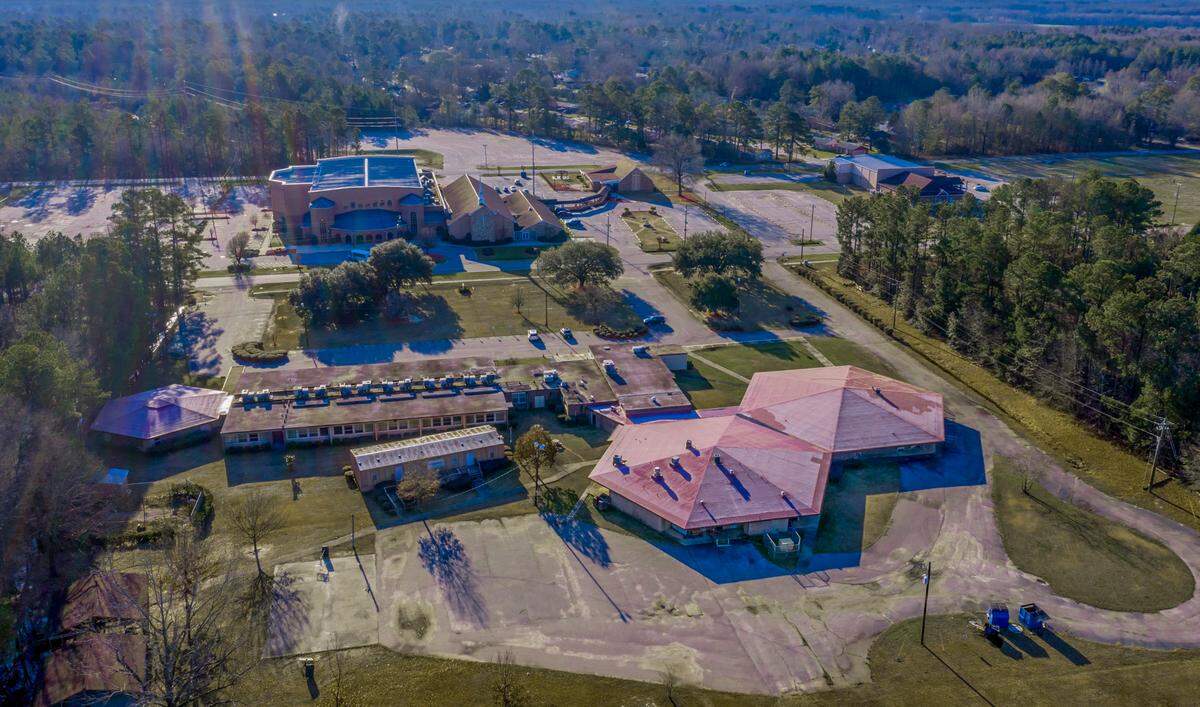
Instead, about $124,000 paid for land surveys, traffic studies and design work for a commercial development on another parcel of church-owned land, according to MCDC records and a master plan. Jackson has said he’s negotiating to bring a grocery store to the spot.
It’s unclear where the remaining $350,000 went.
Jackson said he isn’t sure exactly how the nonprofit spent the money due to the time that passed and staff turnover at the nonprofit, but said it was for projects to benefit the Atlas Road community.
In 2006, Bible Way Baptist Church of Atlas Road borrowed roughly $2.6 million to buy more than 100 acres along Atlas and Bluff roads. Jackson said the plan was to replace a wooded area, rundown mobile homes and other blight in the community with family housing, a senior living facility and more.
The church, under Jackson’s leadership, then sold some of the land to Columbia-based Hallmark Land Investments for nearly $1 million to build Congaree Pointe. Money from the sale helped pay back part of the bank loan, said Jackson, who signed off on the land deal.
About six months later, lawmakers approved giving the nonprofit the $475,000 earmark to do erosion control work for the neighborhood.
Jackson has repeatedly said he was clear to vote on giving money to the nonprofit because he’s an unpaid board member.
During The State’s inquiry, Jackson said his church’s board of directors decided to give all profits from future land sales and property value increases to MCDC so as to avoid any financial benefit.
But that change will come only after the church recoups $2.6 million. The church borrowed that amount in 2006 to purchase 100 acres for Congree Pointe, the senior living facility, the grocery store and other projects.
Jackson argues that recouping the $2.6 million does not count as a financial gain for his church.
“Where’s the economic benefit for the church?” he asked. “Any amount of money that the church gets from the sale of the land that’s above $2.6 million will go to the (Midlands) Community Development Corporation.”
An ethics expert, however, says he’s misinterpreting state law.
Freeman, the USC professor, said Jackson doesn’t need to be paid by the nonprofit to have a conflict because the church pays him — and he sits on both boards. Freeman called the explanation a “shell game,” adding the organizations are tethered and connected to Jackson.
Additionally, lawmakers serving on organizations’ boards have “financial interests” if they vote to send money to their respective organizations, experts told The State. And S.C. law prohibits the organizations from using the state dollars to improve land with the intent of selling it.
Jackson used to be listed on MCDC’s board of directors on tax filings, but no longer is. He said he is now an ad hoc — or an as-needed — board member who has little input on the nonprofit’s daily activities or funding requests. He can’t recall the last time he attended a board meeting.
Just the same, a former leader of MCDC said the buck stops with the senator.
Richland County Assistant Administrator John Thompson, who previously worked as chief operating officer for Bible Way Church of Atlas Road and executive director of MCDC, said grant proposals and land deals were often done at Jackson’s direction, despite the senator not being listed as an official board member on tax documents.
“He calls the shots,” Thompson said. “No matter how you try to slice and dice it … Darrell calls the shots.”
Changing the rules
A handful of lawmakers have been critical of the earmark process and are pressing for changes.
In January, Sen. Dick Harpootlian, D-Richland, asked Gov. Henry McMaster to stop the Legislature from appropriating money through earmarks unless lawmakers could give a full accounting of how the funds would be spent. He also called for a state investigation to see who has received money, regardless if they run a nonprofit, charity or private organization.
“My ultimate goal is to have a budget document that will tell us where every penny is going, and then we can have a meaningful discussion, debate about, ‘Is that somewhere where we ought to be putting our money?’” Harpootlian said in January.
Massey, who chairs the Senate Rules Committee, is also pushing a rule change to require senators to disclose why they requested money and exactly how much is needed. But some Democrats, including Hutto, have pushed back on the changes.
House members have made no changes to the earmark process, recently passing their version of the state budget without addressing the problem.
Jackson said he supports the proposed changes in the Senate, including putting requests in writing and making earmarks budgeted line items. He thinks the House should follow suit.
“I would always support transparency,” Jackson said. “But it has to be across the board.”
Following the money
See the first installment of this two-part series about questionable earmarks and Sen. Darrell Jackson at www.thestate.com.
This story was originally published April 24, 2020 at 5:00 AM.