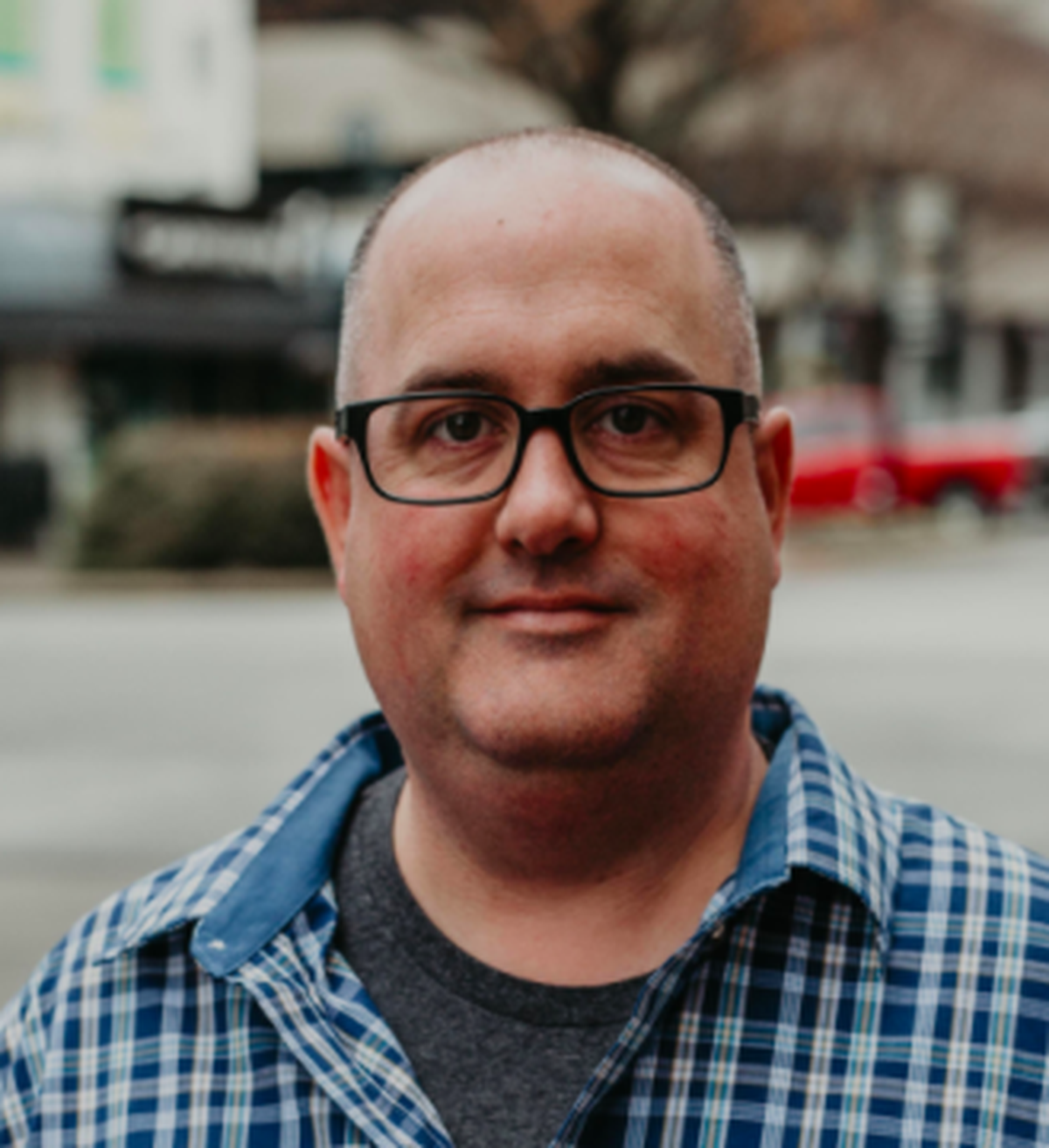
As more shots ring out in Columbia, Devine talks ways to address gun violence
Columbia mayoral candidate Tameika Isaac Devine said she would push to expand ShotSpotter gunshot detection technology in Columbia and work for more community intervention to help stem the tide of gun violence in the capital city.
Devine, an at-large city councilwoman for the last 19 years, talked up her plan to push back against gun violence during a community meeting on Monday morning at the Gable Oaks apartment complex in north Columbia. The gathering was attended by parents who have lost children to gun violence, as well as members of anti-violence groups such as Moms Demand Action for Gun Sense and Parents Against Gun and Gang Violence. Richland County Coroner Naida Rutherford and Democratic state Rep. Jermaine Johnson, both of whom have endorsed Devine’s mayoral effort, also were at the forum.
There currently are four people battling for Columbia’s top political post: former District 3 City Councilman Moe Baddourah; Devine; consultant Sam Johnson; and District 4 City Councilman Daniel Rickenmann.
Current Mayor Steve Benjamin is not seeking re-election after serving three terms.
While overall crime is down 4% in Columbia in 2021, according to statistics provided by Police Chief Skip Holbrook, violent crime has continued to plague the city.
Violent crime was up by about 8% in 2021 as of late September, with 747 violent crimes so far this year compared to 692 at the same point point in 2020. City records also show incidents in which a person was hit by gunfire are up by 29% in 2021, with 66 incidents this year compared to 51 at this time in 2020.
Devine put forth a number of initiatives she said she would undertake to tamp down gun violence, including an enhanced prioritization of prosecuting people who commit gun crimes, expanding programs for people who are released from prison to deter them from committing further crimes, and pushing to expand technology like ShotSpotter, a gunshot detection program that allows police to respond quicker after gunshots are fired.
The city paid just more than $1 million for its current ShotSpotter setup, which covers s6 square miles in areas of north and north central Columbia that have been particularly affected by gunfire. Columbia started using the technology in 2019. Each new phase could cost about $400,000.
Devine said she often gets called about gunfire in the city, and some of those calls come from outside the area where ShotSpotter is currently located.
“I know we have hot spots, and (ShotSpotter) implementation needs to be based on the data,” she said. “But, I get calls from Rosewood all the time. I just got an email last week from Rosewood, and (that person) wanted ShotSpotter, because they experience gun shots (in the neighborhood). Maybe not on the frequency north Columbia does, but they do have it.”
Devine said getting the community involved also will be key to turning back gun violence. She said she would advocate for implementing a “violence interrupter” program, in which street outreach volunteers would monitor and intervene in conflicts before they escalate to try to reach nonviolent solutions.
“We need people in the streets who can help us build these relationships so that hopefully we can deter people,” Devine said. “We need to make sure we have conflict resolution. You may have a person shot, and the next week there may be retaliation. That’s not going to be solved by just law enforcement. That’s going to be solved by working with the community.”