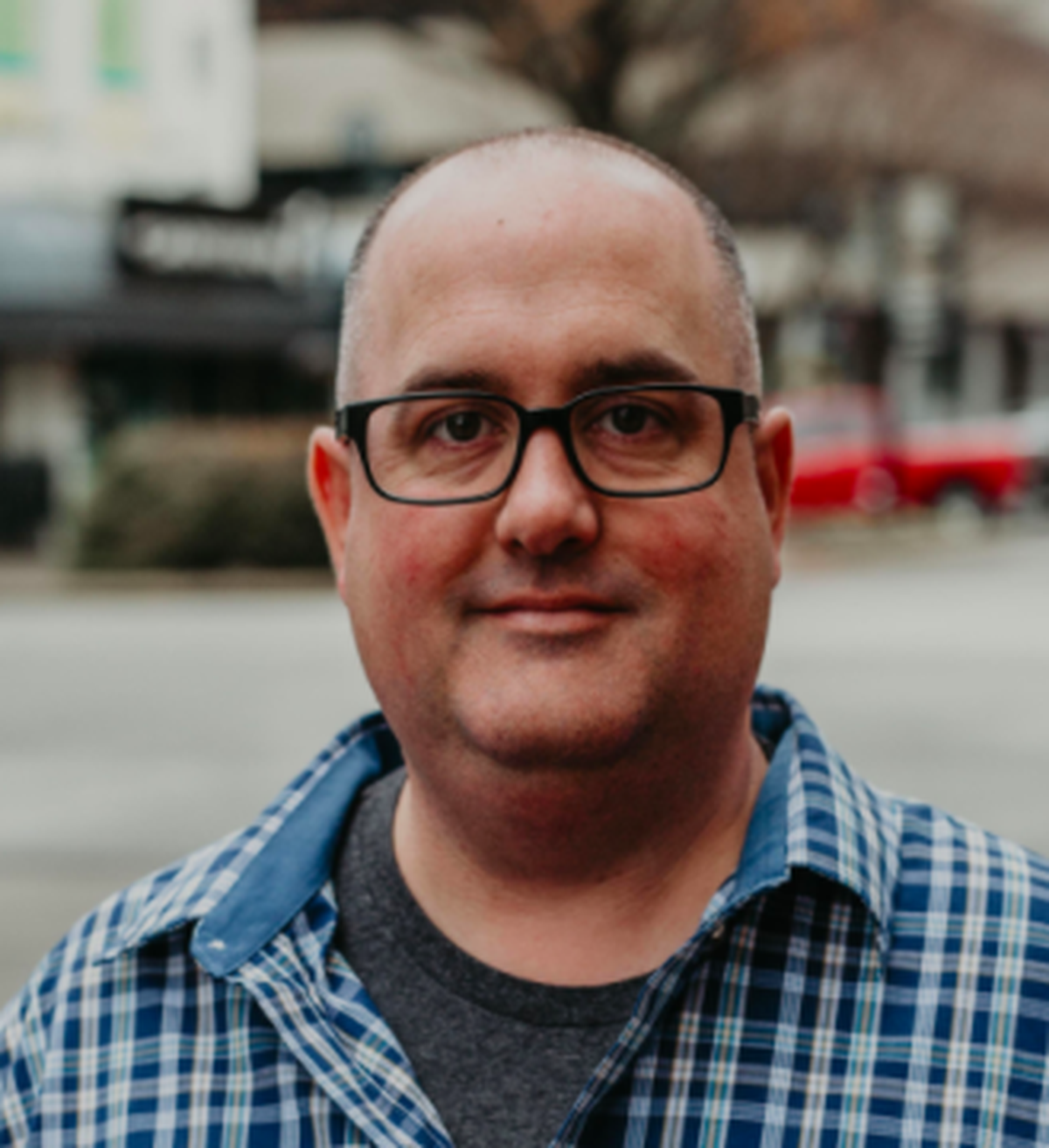
From Queens to City Hall: Steve Benjamin wraps up historic run as Columbia’s mayor
On Aug. 17, 1987, a young man from Queens, N.Y., arrived on campus as a student at the University of South Carolina. It was the first time he had ever been to Columbia.
Few could guess that the long ago quiet arrival of Steve Benjamin would ultimately lead down the path to Columbia history and that he would etch his name among the relatively small handful of people who have led the capital city.
But 35 years later, there is little doubt Benjamin has written a chapter of the city’s story that will be long remembered.
Benjamin, an attorney who has been Columbia’s mayor for three terms, is set to leave office Jan. 4. He was Columbia’s first African American mayor. He did not seek re-election this year. The capital city’s next mayor, businessman and longtime City Councilman Daniel Rickenmann, will be sworn in Jan. 4 in a ceremony outside Columbia City Hall. (Online copy updated.)
First elected in 2010 in a high-profile election in which he eventually outlasted Kirkman Finlay III (the son of former mayor Kirkman Finlay Jr.) in a runoff, Benjamin brought a dreamer’s style to City Hall and often pushed for new projects in the city.
He backed streetscape and facade improvements that served as a catalyst in revitalizing Columbia’s long-dormant Main Street north of the State House. Under his watch, that corridor transformed from an almost forgotten thoroughfare to a buzzing city nerve center that is now lined with restaurants, bars, a movie theater, apartments, hotels and more.
There was a private student housing boom in Columbia during Benjamin’s time as mayor, fueled in part by his push for tax incentives for developers looking to build such projects. It was a move that has fundamentally altered the capital city’s skyline.
And he was the driving political force behind the ongoing redevelopment of the BullStreet District, a massive overhaul of the 181-acre former State Mental Hospital site. The city has pledged more than $100 million in public money for the project that is being shepherded by Greenville’s Hughes Development.
The project brought in the Columbia Fireflies minor league baseball team at $37 million Segra Park, and there are currently hundreds of apartments under construction at the site. There’s a senior living complex there, as well as townhouses, a Starbucks and an REI Co-op store. And major projects are still upcoming for the site, including the University of South Carolina’s planned $300 million medical school campus.
Of course, some of those initiatives didn’t come easy. The BullStreet and stadium agreements came via narrow, split votes among Columbia City Council, and the city was sued over the tax breaks for student housing developments. A state judge ultimately ruled in 2017 that those tax breaks were legal.
On a recent Tuesday morning, as he sat among the boxes and crates he is using to pack up his office at Columbia City Hall — nearly 12 years of memories being tucked away — Benjamin said he hoped that some of the development and rebirth that has come during his tenure will live on in the minds of residents.
“I see the revitalization of Main Street as, certainly, a part of our legacy,” Benjamin said. “And I certainly see BullStreet that way. BullStreet was always meant to be a posterity play, with a 20-year build-out that, when all is said and done there, will fundamentally change the economic infrastructure of the city of Columbia.
“That’s often difficult for folks to digest on the front end ... but you have to continue to think about the decisions you will make that pay dividends decades down the road.”
Columbia Chamber CEO Carl Blackstone told The State that he thinks “history will be kind” to Benjamin as people reflect on his legacy in years to come. He said Benjamin’s national profile — he served a term as the president of the U.S. Conference of Mayors and offered an address at the 2016 Democratic National Convention, for instance — helped foster a much wider visibility for the capital city.
Blackstone also took note of BullStreet and said it will only likely be later that people fully appreciate what is happening there.
“I think BullStreet is absolutely going to be his legacy,” Blackstone said. “I think that, with all the construction going on out there, we probably won’t realize that for another decade. But I think that will certainly be a feather in his cap.”
Jason Freier runs Hardball Capital, the company that owns the Columbia Fireflies. The franchise was formerly located in Savannah, and Freier said Benjamin was perhaps the foremost player in making way for the team to move to Columbia and play in Segra Park beginning in 2016.
“We would not be there, there would not be professional baseball back in Columbia, nor would there be a BullStreet development, without Mayor Benjamin,” Freier told The State. “He was absolutely the key to getting that done.”
Sam Johnson had a front-row seat to a large portion of the Benjamin administration. He worked on the mayor’s first campaign back in 2010 and then served as his chief of staff for six years. Johnson mounted his own run for mayor in 2021 — and was backed by Benjamin — but ultimately came in third in the Nov. 2 general election, behind City Councilwoman Tameika Isaac Devine and Rickenmann.
Johnson said Benjamin is “simply the mayor who got it done.”
“Main Street was dead,” Johnson said. “It is now way more vibrant than it was 11 years ago when he came in. It wasn’t even a popular thought at the time. People didn’t think (the revitalization) was possible.”
Johnson also noted the mayor was a key force in starting the Famously Hot New Year celebration. While that festival was called off this year because of COVID-19, in non-pandemic years it brings tens of thousands of people downtown to ring in the New Year, with major musical acts including Lauryn Hill and George Clinton having headlined past shows.
“It brought the vibrancy that Columbia should have to the table,” Johnson said. “Mayor Benjamin made those kind of things happen, almost like a force of nature, man.”
‘A beautiful story’
There was undoubtedly a historic element to Benjamin’s time leading the capital city, as he was Columbia’s first Black mayor. It was a notable fact in a Southern city where the Confederate battle flag was still displayed prominently on the State House grounds until 2015.
Benjamin, 52, said the significance isn’t lost on him, especially considering all of the civil rights efforts through the years in which people fought for better opportunities — politically and in everyday life — for African Americans.
“I’ve made it, hopefully, one of my legacies to understand the history and story of the African seed in the American sun,” Bejnamin said. “It is a beautifully painful story at times, but still a beautiful story. I know that I am here because of the labors of so many who were perceived to be voiceless and powerless, but gave everything so that I would have the opportunity to potentially serve the people of Columbia, and I carry that with me every single day.”
Columbia City Manager Teresa Wilson is familiar with historic city leadership in her own right, as she’s the first African American woman to serve as Columbia’s city manager. She said Benjamin’s election as the capital city’s first Black mayor was “monumental.”
“You always want people to remember how qualified you were, regardless of the color of your skin,” Wilson said. “He knew he could be an exceptional leader of the Capital City in his role as mayor. But it was just icing on the cake that he was able to show his leadership skills and the qualities he possessed as a Black mayor after so many (in the past) fought for the ability to have a diversified council.”
Ed McDowell, who is in his second term as a Columbia city councilman in the majority Black District 2, said part of Benjamin’s success came because he was able to transcend racial lines as mayor.
Still, McDowell said there are those in the Black community who will miss having Benjamin as the city’s top elected official.
“Some African Americans see that almost as a sense of loss,” McDowell, who is Black, said of Benjamin’s exit from City Hall. “It’s almost like a member of our family is going on a vacation and we’re not going to see them. Steve was able to mingle politics into a real relationship with constituents in the African American community.”
Moments of crisis and a look forward
While Benjamin’s time as mayor was perhaps highlighted by downtown redevelopment and a steady national profile, he also was called upon to guide the city through hard moments.
There was the deadly, historic flooding of October 2015, when a 1,000-year rain event destroyed businesses and homes and killed 19 people across South Carolina, including nine in the Columbia area. The flood also breached the Columbia Canal downtown, which is the city’s main source of drinking water. While the canal remains breached and water there is being held in with a temporary dam, the city has gotten at least $50 million in federal funding — pushed for by Benjamin and others — to repair it. That overhaul is in the planning stages.
And there was, of course, the ongoing COVID-19 pandemic, which has socked cities across the nation for the last two years. As the pandemic has played out, Columbia often has been at the tip of the spear in South Carolina in putting forth measures to slow the spread.
Under Benjamin’s leadership, the city was among the first in the state to put in a stay-at-home order in the early days of the pandemic in 2020, and Columbia was among the first handful of cities to institute a face mask ordinance. The city has run testing sites, partnered with agencies for vaccine drives and instituted a vaccine mandate for its workforce of more than 2,200.
“I’m very proud of our collective leadership in times of crisis, whether it be the floods of 2015 or the protests (against racial injustice) in 2020 or the pandemic,” Benjamin said. “I’m a big believer that leaders shine in times of crisis, and this city has always stepped up. ... We always found ways to come together, even when it was not easy and not convenient.”
While Benjamin was always willing to push on city issues he believed in, he certainly didn’t win them all.
For instance, in 2013 he lobbied hard for the city to adopt a strong mayor form of government. In that form of government, the mayor would be tasked with more directly running the city. But ultimately, the voters rejected the strong mayor proposal in a referendum, electing to stick with a council-manager form of government where the council and mayor set policy and it is carried out by a city manager and staff.
While he said he respected the will of the voters in that 2013 referendum, Benjamin admits he still believes in the idea of the strong mayor form of government.
“Oftentimes, the mayor bears the responsibility, perceived or not, and ought to have the authority, as well,” Benjamin said. “I’m still supportive of the strong mayor form of government. My position there has not changed.”
Since Benjamin announced in February that he wouldn’t be seeking a fourth term as mayor, many in the city have wondered what his next move might be. An answer came in December, at least for the short term. He has been named a senior leadership fellow by Harvard University’s T.H. Chan School of Public Health. Benjamin will teach a course during the spring 2022 semester where he will “share his approach to tackling a different challenge, including the COVID-19 pandemic, gun violence, climate resilience, and racial justice,” per a city release.
But few think that Benjamin’s exit from City Hall means he will be leaving politics entirely. Wilson, Columbia’s city manager, thinks he will likely seek an elected office again one day.
“I don’t believe that he’s finished yet with his ability to serve,” she said. “I expect him to serve again in some capacity when he’s ready to do that.”
The departing mayor left open the possibility of running for political office in the future, though he didn’t specify what role he might seek.
“I haven’t ruled it out,” Benjamin told The State. “I love service, and I have a fundamental belief in the power of government and good policy-making to change people’s lives.”
This story was originally published December 29, 2021 at 5:00 AM.