5K tons of toxic coal tar removed from Congaree River so far. What’s happening with the cleanup
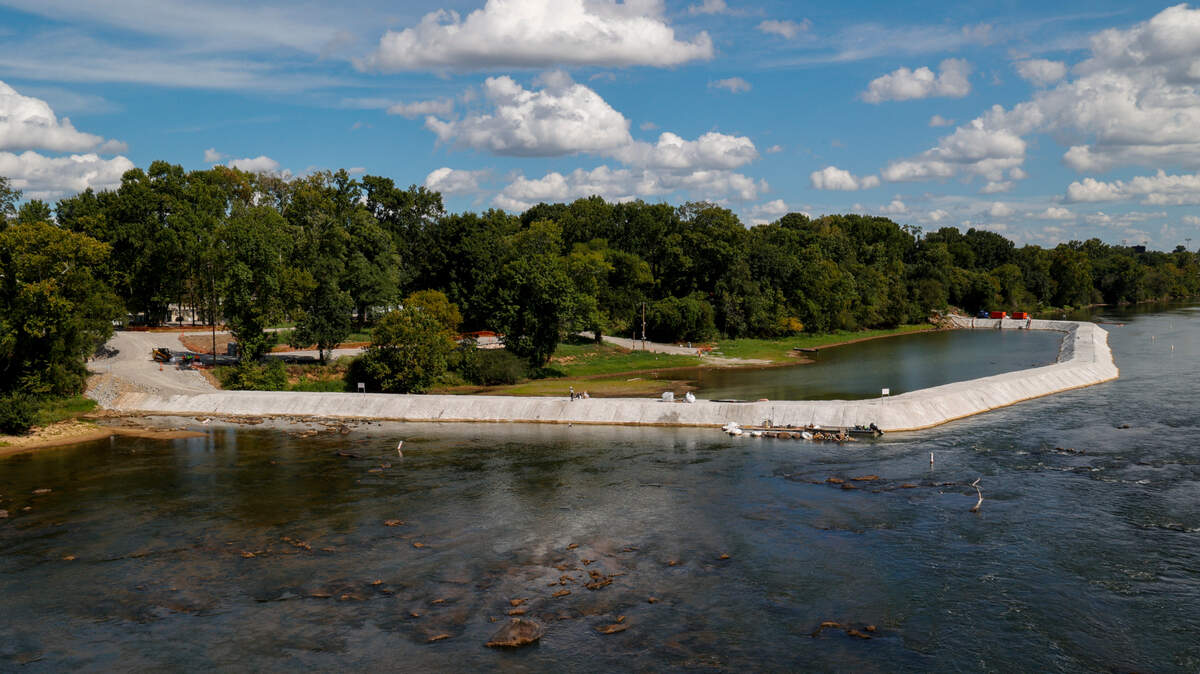
More than 5,000 tons of toxic coal tar have already been removed from Columbia’s Congaree River, as crews enter their second summer of work in the long-awaited cleanup project that could help pave the way for future development along Columbia’s riverfront. But it will still be some time before the cleanup is completed.
Crews started working on the project last May with the goal of removing coal tar from the soil of two areas on the riverbed of the Congaree River. The tar-like substance was leaked into the river decades ago by a manufactured gas plant while turning coal into gas and can cause irritation when it comes in contact with human skin.
Dominion Energy, which purchased the former S.C. Electric & Gas Co., is responsible for the cleanup because SCE&G owned the land where the former gas plant was located.
Last summer, a dam was built around the largest clean-up area of material buildup so crews could dry the riverbed and begin clearing materials. The site, referred to as area one, was also divided into a northern and southern half to split up excavation efforts.
Since the beginning of June, more than 5,000 tons of coal tar have been removed from the northern side, and the remainder could be removed from the northern side in the next couple of weeks, according to Lucas Berresford, program manager for the Department of Health and Environmental Control’s Bureau of Land and Waste Management.
However, before crews can remove coal tar from the southern side, they must find and remove any artifacts remaining in the soil. There are possible Civil War bombs and ammunition buried in the riverbed that must be dug up before crews can start removing coal tar.
Workers cleared the northern side of artifacts before they started coal tar removal, and the southern side is about 75% cleared, Berresford said.
Crews can only work on the riverbed from May to October to avoid hurting the spawning season of shortnose sturgeon. Still, Berresford is optimistic about finishing the southern side of area one by October and starting the following phase of the project next May.
“Area two is a lot smaller, so the construction and the lessons that they’ve learned from the construction on area one, they’ll be able to construct that much faster and hopefully complete both construction of that cofferdam, and removal of that material and the cofferdam in one season,” Berresford said.
The total project is currently expected to stay on track with the predicted three-year timeline, finishing next fall, but it could be impacted by flooding or other unexpected factors.
However, according to Berresford, workers handled flooding earlier this year generally efficiently, with moving equipment and removing water only setting work back a few days.
Community impact
The Senate Street boat launch and a nearby parking lot are closed for the project, and construction trucks travel on Senate Street while disposing of the toxic material.
Project leaders have worked with community members and businesses including the City Club condos and Girl Scouts to ensure they know what to expect from construction and traffic, and Berresford said he has received no complaints about the project from residents so far.
Coal tar was first discovered in 2010 when a kayaker stepped in the substance along the riverbank.
The coal tar was determined to have no negative impact on animals, plants or the water quality in the area but is toxic to human skin.
According to Berresford, the public is looking forward to the removal of “the historic issue.”
The coal tar cleanup has long been seen as one of the final hurdles to pursuing some sort of development along the Columbia side of the river, such as a riverfront park.
As a part of Dominion Energy’s modified removal action plan, the material will be removed from areas where there is a significant buildup of coal tar or where the material is most likely to be encountered by individuals swimming, fishing or interacting with the water.
Some coal tar will remain in the river and continue to be monitored.
“There’s not a lot of risk associated with this site, but it’s very rare that we’re able to take something from low risk to no risk,” Berresford said. “And that’s what we’re trying to accomplish here.”
Berresford said residents can visit DHEC’s website for regular updates and information on the project.