Richland County’s penny tax caused years of controversy. Now, council wants another one
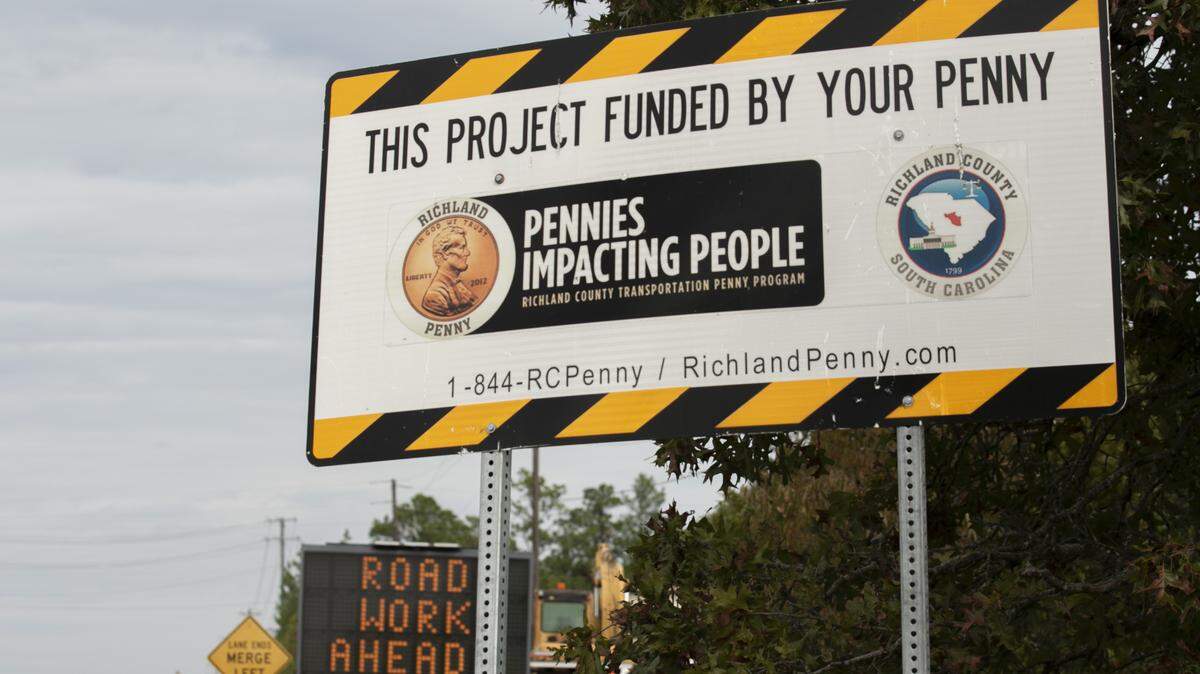
Richland County plans to ask voters to again support a transportation sales tax, as the county’s current and controversial penny sales tax program nears expiration.
In 2012, voters approved a 1-cent sales and use tax in Richland County to pay for a variety of transportation-related projects, including the COMET bus system and major road work such as the Greene Street bridge.
That tax was meant to last for 22 years or until $1.07 billion was collected for the fund. Richland County estimates it will meet that collection limit “on or around” November 2026 — just 13 years into collection.
The next referendum would take place during the next year’s general election on Nov. 5, 2024.
The County Council Tuesday voted 10-1 for a resolution that authorizes county staff to prepare for another transportation sales tax referendum. The council also voted against a similar sales tax program for capital construction projects.
The resolution passed by County Council indicated a new transportation sales tax “not to exceed one cent” would be intended, at least in part, to fund the public bus system, along with other possible transportation-related projects in the county.
Further details of a prospective transportation sales tax — such as the goals for the amount to be collected, or specific projects that could be funded — have not yet been publicly spelled out by the county.
Council members approved the resolution without public discussion Tuesday, though members did meet privately in executive session to discuss “legal options regarding funding for capital projects and transportation projects,” among other items.
Initial penny tax rejected in 2010
Richland County voters in 2010 narrowly rejected a transportation penny tax, leading officials to add more road projects to the slate of proposed work in order to gain more support.
In 2012, voters passed the referendum, approving roughly $600 million for a variety of road projects and about $400 million to operate the COMET bus system.
But in 2015, the South Carolina Department of Revenue began questioning how the county was using the sales tax dollars, and half-a-decade of legal strife followed, with the Department of Revenue and Richland County suing each other over the tax program.
Voters supported the sales tax with strict restrictions on what the money could be spent on. The money raised by the tax is supposed to be used only for transportation projects, and the Department of Revenue alleged that the county was unlawfully spending millions of dollars on unrelated work, particularly administrative functions of managing the transportation improvement program.
The Department of Revenue provided varying estimates for how much money was misspent by the county. An initial audit report identified $41 million in misspent dollars, then the amount was reduced to roughly $32 million.
Some of the wrongful spending cited by the state’s audit included “routine office expenses” ranging from computers to coffee to company cars. Nearly $1 million was spent on outside public relations, despite the county having its own internal public information department. Money from the penny tax program was even used to pay for a subscription to The State newspaper.
$15.5 million settlement reached in 2021
In 2021, Richland County reached a settlement agreement with the Department of Revenue and agreed to pay $15.5 million back into the program. Under the settlement, the county did not have to pay anything to the DOR.
”We’ve taken steps in the past two and a half years to rein in overspending, improve management, and increase accountability,” Councilwoman Chakisse Newton said after the settlement was reached. “We’ve made good first steps to fix the problems of the past and we need to continue to be more accountable and transparent about how we got here and how we manage the program moving forward.”
Beyond the legal challenges, some residents have criticized the program for benefiting the University of South Carolina more than it benefited rural residents.
Nearly $1 out of every $6 the county planned to spend on referendum roadway projects directly benefited the university and its sports facilities, according to a 2020 analysis of penny tax projects by The State Newspaper.
Next, the county will create an ad hoc committee to determine which projects would be funded by the tax money, according to the resolution.
Richland County Council Chair Overture Walker did not respond to a request for comment Tuesday.
This story was originally published October 4, 2023 at 5:30 AM.