Controversial Midlands tax is back on the ballot. Here are the reasons for and against it
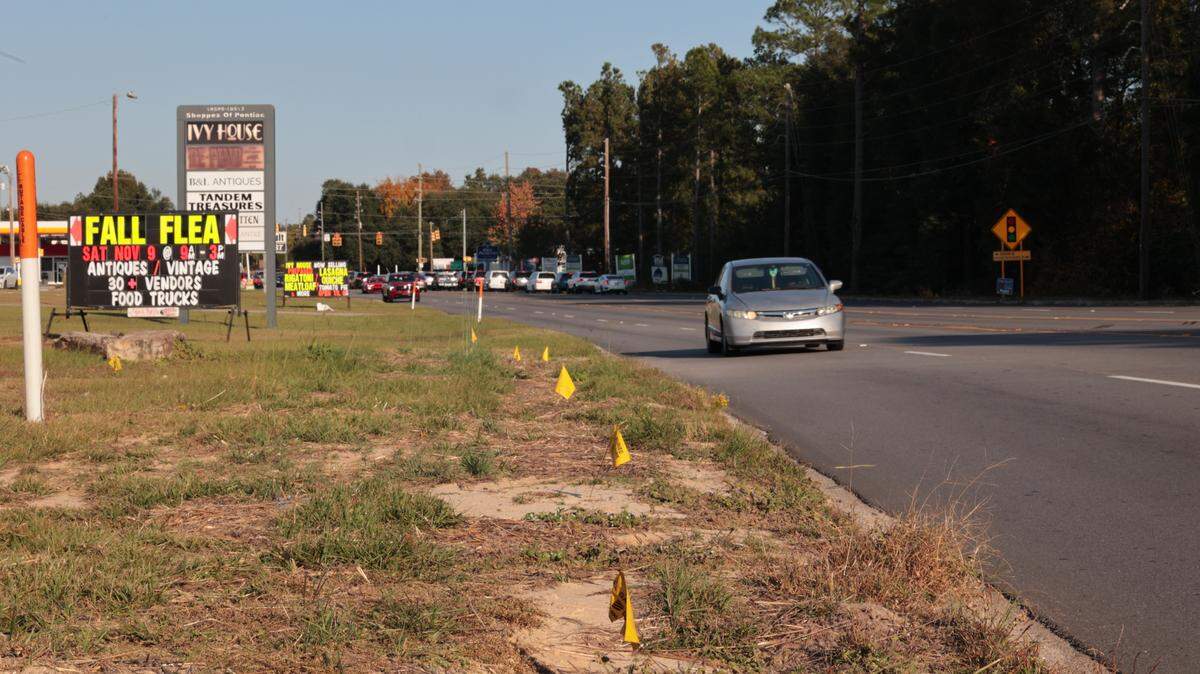
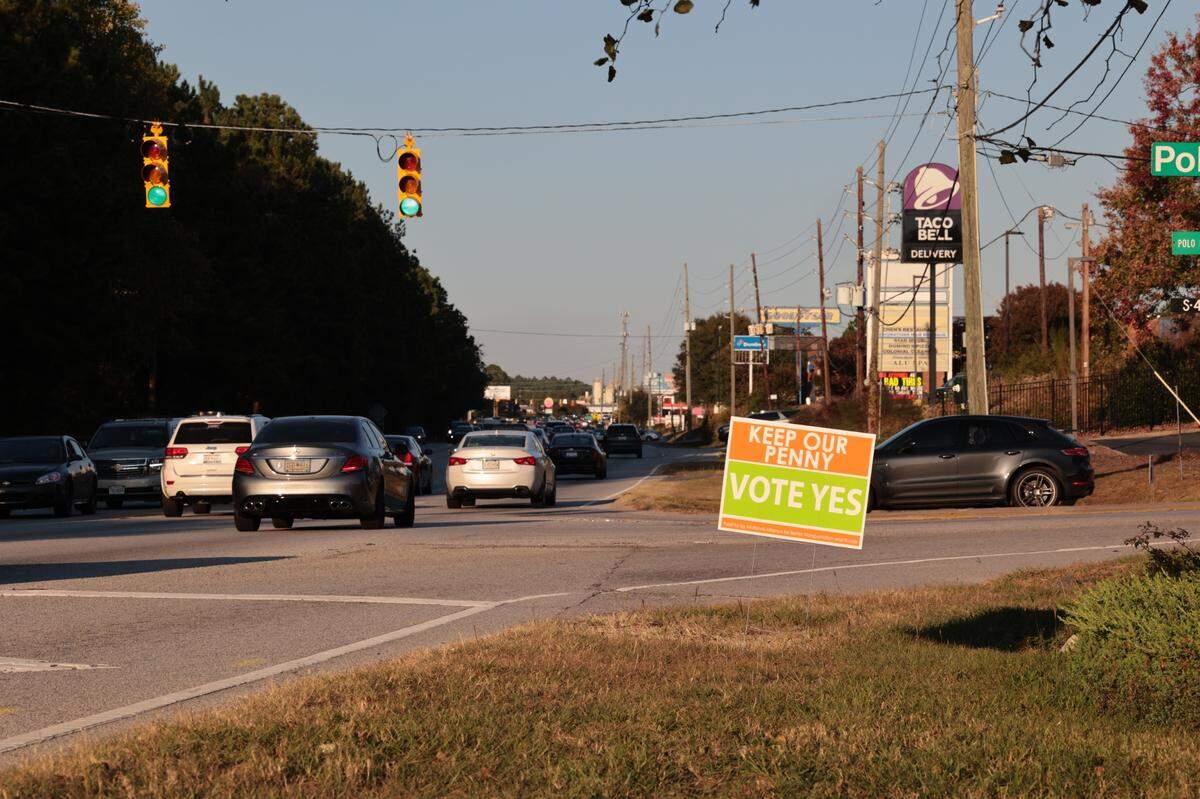
It’s time for voters to decide if they want to keep the 1% Sales and Use tax used to pay for transportation in Richland County.
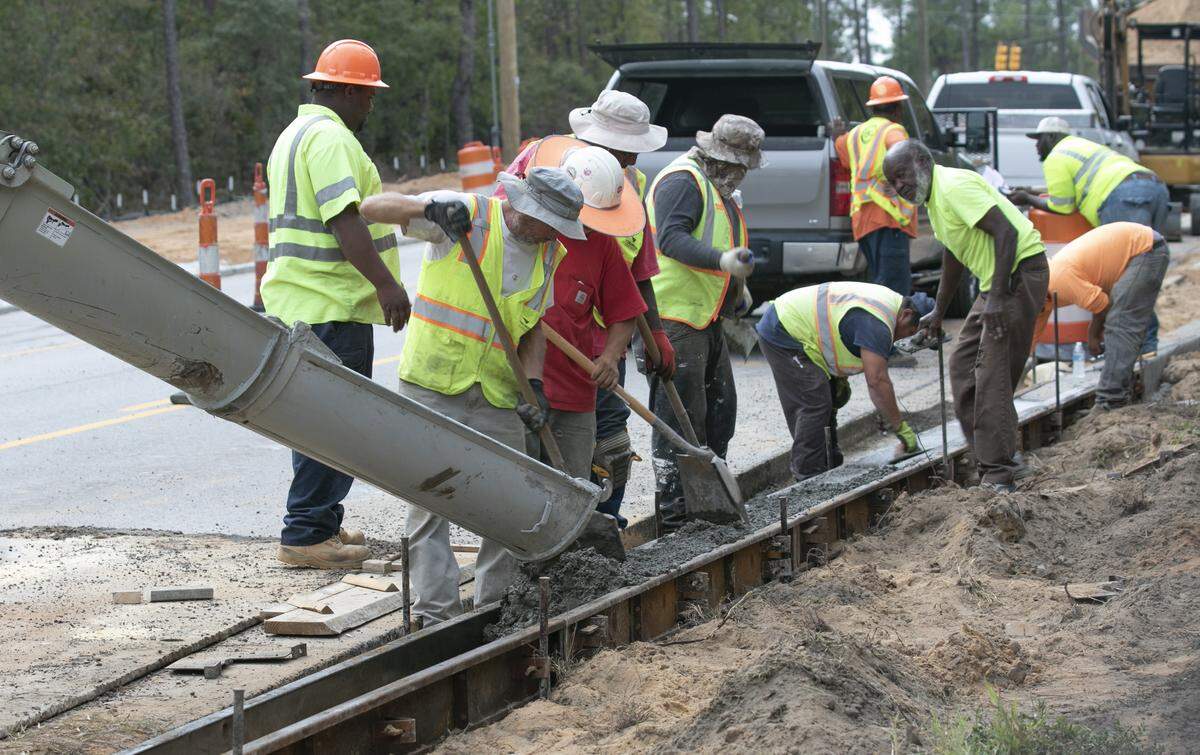
For the past 12 years, the county has used the money from the tax to pay for major road projects, pedestrian safety improvements and the local bus system, among other transportation needs.
When voters were asked back in 2012 to approve the tax, they were sold a similar bill of goods, and in many areas the county delivered on its pledge. But not all of the promises were kept, with more than $120 million in projects cut for funding, and several others shrunk in size.
The tax has been mired in controversy, and a lengthy half-decade legal drama.
But the tax has also created tangible improvements in Richland County — new roads for manufacturers means more jobs and a more robust tax base locally. A better bus system means more people can get to work and doctor’s appointments. Crosswalks and bike lanes make a community safer, but also more vibrant.
Voters are now being asked to weigh the penny’s challenges against its benefits. Overwhelmingly, the people who have showed up for public hearings on the tax have been in favor of keeping it, citing the need for busses and better roads. But not everyone agrees.
“I’m voting NO...for two simple reasons, one never ever votes to tax [themselves] and the second reason, the record of spending the last penny tax and lack of control over waste and corruption in said spending,” wrote one Reddit user under a post earlier this month asking “Should we extend the penny tax?”
“The government has historically always squandered our tax dollars. Never vote for an increase. Next is [them] convincing us through a giant marketing campaign that a nickel isn’t too much to ask for,” wrote another user.
But many people have also mentioned the need to maintain the COMET bus system, which relies heavily on the penny to grow.
“People need to get to work and I’d like to see our roads fixed. I know the latter is a daydream, but I’m willing to pay a penny more just off the chance that it’ll help with transportation,” wrote a Reddit commenter.
As voters prepare to head to the polls, here are three things to consider in favor of the tax, and three reasons it’s been challenged.
Challenge
The county got in trouble last time. In 2015, the Department of Revenue began questioning how the county was using the money collected by the penny tax. DOR and the county sued each other over the allegations that Richland County was improperly spending penny tax money on non-transportation related things.
That legal battle lasted years and went all the way to the South Carolina Supreme Court, which agreed DOR had the authority to limit the spending of the tax to only transportation uses.
In 2021, Richland County reached a settlement agreement with the department, where neither side admitted to any wrongdoing but the county agreed to pay $15.5 million back into the penny program. Under the settlement, the county did not have to pay anything to DOR.
Jesica Mackey, chair of County Council, has said she understands why voters would still be concerned about that history, but she stressed that the current elected leaders have implemented new policies to ensure more transparency about how the money is being spent. The county has also launched richlandpenny.com where it shares updates on different projects.
“We were the council that came in and said let’s fix this,” she said.
Opportunity
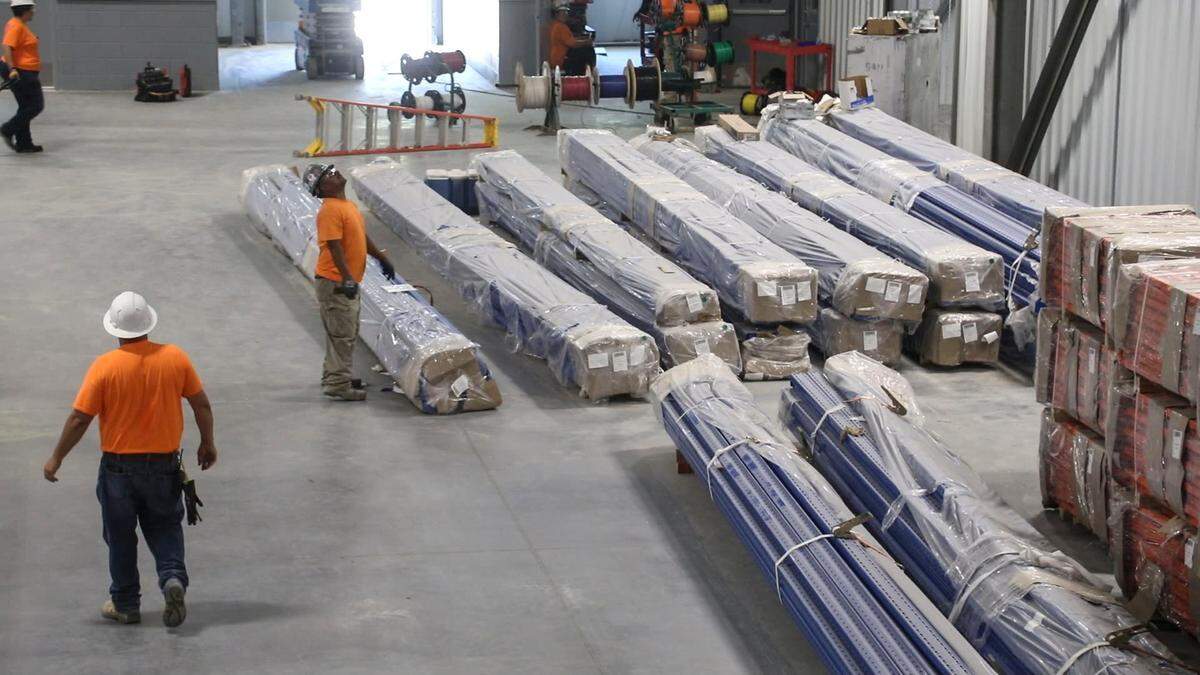
The county got a lot of major projects done in the last decade. A $30 million effort to extend Shop Road helped create space for $1.1 billion in economic development investments at the Pineview Industrial Park. A $14 million project to widen Clemson Road has led to an estimated 25% drop in accidents and a 46% drop in expected wait times.
The county spent $35.4 million on the streetscaping and widening of North Main Street, which business leaders say has helped kick off a growth-spurt in the district.
The county’s $8 million portion of the Three Rivers Greenway has also been paid for, the Lincoln Street Tunnel was finished and all but one of the county’s planned intersection improvements are done — Clemson Road and Sparkleberry Lane is the last one on that list. The penny has also helped pay for the resurfacing of 120+ miles of roads.
Challenge
It imposes a tax. With the penny in place, Richland County has an 8% Sales and Use tax — 6% of that goes to the state, and 2% goes to Richland County. Of Richland County’s share, 1% is from a Local Option Sales Tax imposed in 2005, which is used to offset property taxes. The other 1% is used for transportation projects. All retail sales, and leases and rentals of personal property are taxed.
On a $20 retail purchase, that’s a $1.06 tax. On a retail purchase of $100, it’s an $8 tax.
In 2023 alone, the tax collected nearly $95 million in Richland County, and by the end of 2026 it will have collected $1.07 billion.
Opportunity
A lot of the people paying the tax don’t live in Richland County. Around 40% of the money generated from the penny tax comes from visitors, according to the county, meaning a lot of the work being done that benefits residents is being paid by someone else.
Richland County has also been able to use the tax dollars to get federal grants. Those grants often require some form of local match, which the penny tax has made possible. The county says it’s been able to extend the tax’s impact by 10% thanks to federal dollars.
Challenge
Some projects have taken a really long time to finish, or were never even started. At least $120 million worth of work was cut from the initial list of projects approved by voters in 2012.
For example, plans to widen Pineview and Broad River roads, worth nearly $50 million combined, were axed, as was an $8 million sidewalk on Two Notch Road. Most of the planned bike lanes never came to fruition, and several of the projects that have been finished were done on a smaller scale than initially planned.
And some work that the penny has paid for this cycle is still ongoing. Many residents continue to be frustrated that the widening of Hardscrabble Road is not done, despite work beginning in 2017. Richland County has so far spent about $28.5 million on that project, but says the rest of the work is in the state Department of Transportation’s hands. (DOT says the project should be done by 2025.)
All of the projects cut from the 2012 list because of cost would be re-added to the county’s list under the new penny program. They would also be among the first to get paid for. Catching up on that work will eat into just under 3% of the new penny’s expected collection of $4.5 billion.
Opportunity
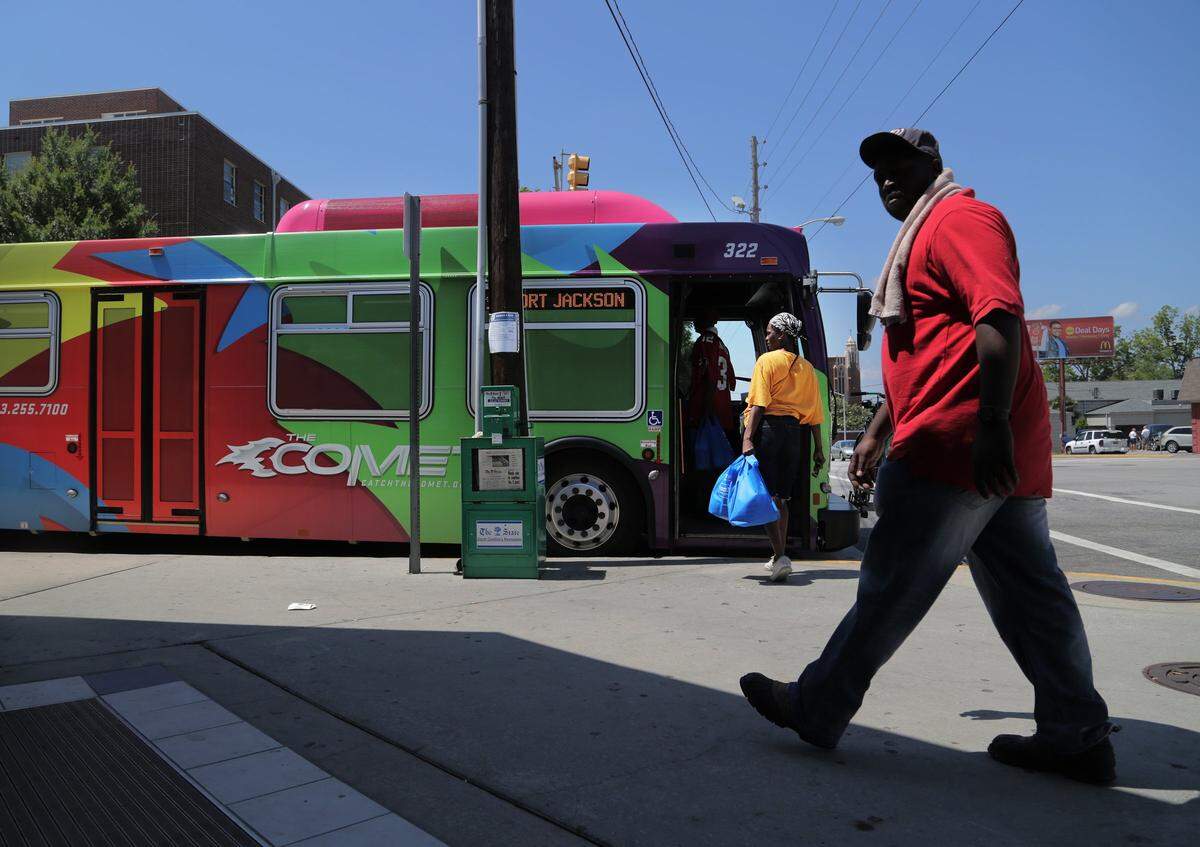
The COMET bus system would struggle, and likely shrink, without the tax.
“Who remembers the bus system when SCE&G ran it?” Columbia City Councilman Will Brennan asked at a recent Penny Tax Town Hall. The question evoked groans from the audience. “That’s what it’s going to look like in about 2029” if the penny isn’t extended, he said.
Routes will be cut, connectivity to large employers like hospitals will be cut.
“We’re going to suffer a lot,” without the tax, he said.
SCE&G stopped operating the COMET bus system in 2002 when the city took over, but the utility kept helping pay for it until 2012.
But in the decade between changing hands, Columbia wasn’t able to find a reliable, long-term funding solution for the bus. So when SCE&G’s help stopped, there was no clear way to save the transit system. The system was $2.5 million in the hole in 2012, according to past news coverage.
The city and county both imposed separate, temporary fees to subsidize the bus, but they couldn’t raise enough money to maintain the system, let alone expand it.
In the time since the tax passed, the bus system has grown substantially. Miles traveled have increased by 41%, and nearly 2 million people rode the bus in 2023. In 2012, the bus offered 18 routes, today there are nearly 50.
This story was originally published October 30, 2024 at 5:30 AM.