As SC experiences population boom, this Midlands town hasn’t grown. What’s holding it back?
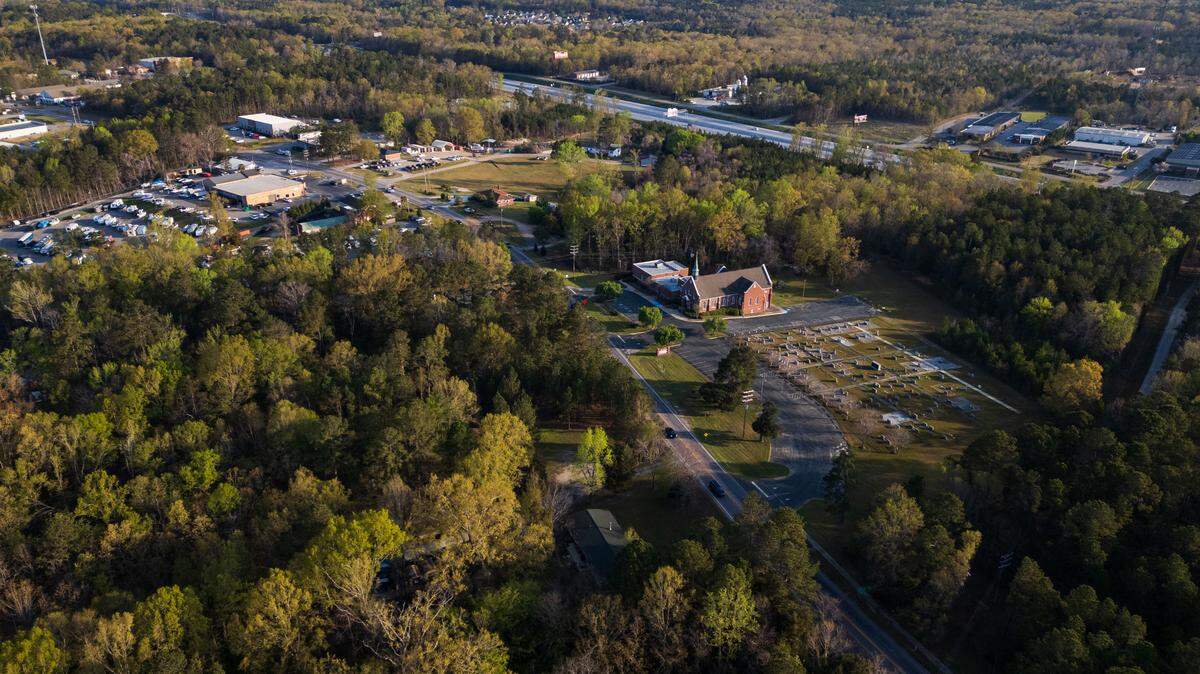
When Chris Williams moved to Irmo as a fourth-grader in the early 1990s, Harbison Boulevard sat largely undeveloped — a vast swath of woodlands that developers saw as prime real estate.
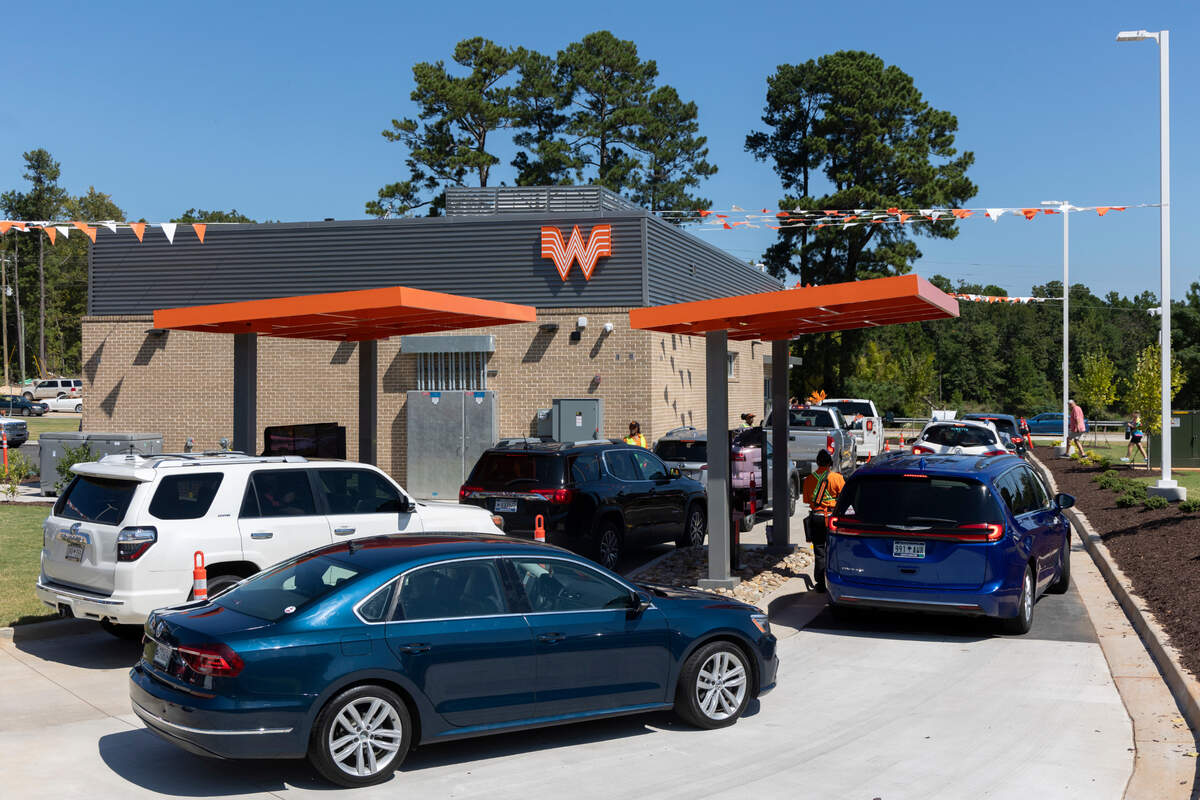
Almost three decades later, when Williams brought Roy’s Grille, his restaurant that gained popularity as a diner inside of an Exxon gas station near downtown Lexington, to a new location in Irmo, the area had changed significantly.
“I remember playing basketball and where Bower Parkway is [now], it was all woods and there was a creek that ran through it that people would go fishing in,” Williams told The State, standing in the kitchen of his barbecue restaurant as puffs of white air billowed from the smoker outside.
Irmo, a quiet suburb of the state’s capital city, sits just down St. Andrews Road from the Harbison area, which quickly became a hub for Christmas shopping and big box stores not long after Walmart bought a plot of land there. Just off Interstate 26, roads like Harbison and Bower Parkway became congested with shoppers heading to the Columbiana Mall or chains like Target and TJ Maxx.
There are two movie theaters, a 788,000 square-foot mall with more than 100 vendors and dozens of retail stores and restaurants in the one-mile stretch of Harbison Boulevard off I-26.
Residents of the town that sits just down the road from Harbison and just east of Lake Murray, the Midlands’ quintessential hub for outdoor recreation, don’t pay property taxes, so Irmo collects more than a third of its funding from business permit fees and local sales taxes. Which, some leaders note, has pushed the town to attract more new businesses than new residents.
Indeed, Irmo’s retail sector has boomed, but the town’s population hasn’t grown much. As the two counties — Richland and Lexington — that Irmo sits in have seen explosive growth projected to continue as more people migrate to the Palmetto State, the Columbia suburb’s population has remained stagnant. What is pressing pause on the Midlands town’s growth?
To build or to annex?
The population within the town limits of Irmo has teetered right around 12,000 for the last three decades. In 1990, it sat around 11,400, according to U.S. Census data. It had only added a net population of around 600 people by 2023. The cause for little population growth is multifaceted — limited available land to build on; overwhelmed, dated infrastructure; and resident pushback on other forms of dense development moving in and filling in the few vacant spaces remaining in town.
Irmo only has about seven square miles of land within town limits and most of it has already been developed, leaving the town with two feasible options for building additional housing: redeveloping vacant lots or abandoned buildings or annexing neighboring properties into the town.
Housing stock within the town’s limits has stalled as nearby areas like Chapin and Ballentine have exploded with new developments and an influx of residents. The town only added around 400 homes from 2011 to 2023, according to Census data.
Bill Danielson became the town’s mayor in 2023 after getting on the town council in 2020. In that time, only one housing subdivision has been approved within the town limits, he said. That doesn’t include the 550-unit mixed-use residential project set for 65 acres along S.C. 6, which the town approved in the fall of last year.
“Our biggest challenge in Irmo is providing housing. … We’re growing geographically, by size, but our population hasn’t grown,” Danielson said.
Both the annexation and infill development solutions face hurdles. Residents in the town of 12,000 don’t pay property taxes, so funding has to come from somewhere else. More than two thirds of the town’s budget comes from business license fees and taxes, meaning that Irmo benefits from annexing commercial properties, but would lose money annexing residential properties. If the town annexed a residential property, which wasn’t paying taxes, it wouldn’t be making money from the property but would still have to allocate town resources to it.
The same is true with building additional housing. More housing stock equals a greater need for resources like firefighters and police officers and a heavier burden on roads. So mixed-use developments, which bring revenue from commercial properties along with new residential development, could be the sweet spot for the town. But those ideas have gotten pushback from town residents.
“We depend on business licensing fees to keep our town afloat, so I’d love to see [growth],” said Kerry Powers, CEO of the Greater Irmo Chamber of Commerce. “There are some people that would like for it to stay exactly the way it is or not change at all or grow at all. I don’t think that we can survive another 30 years if we don’t have a growth mentality.”
Resident pushback
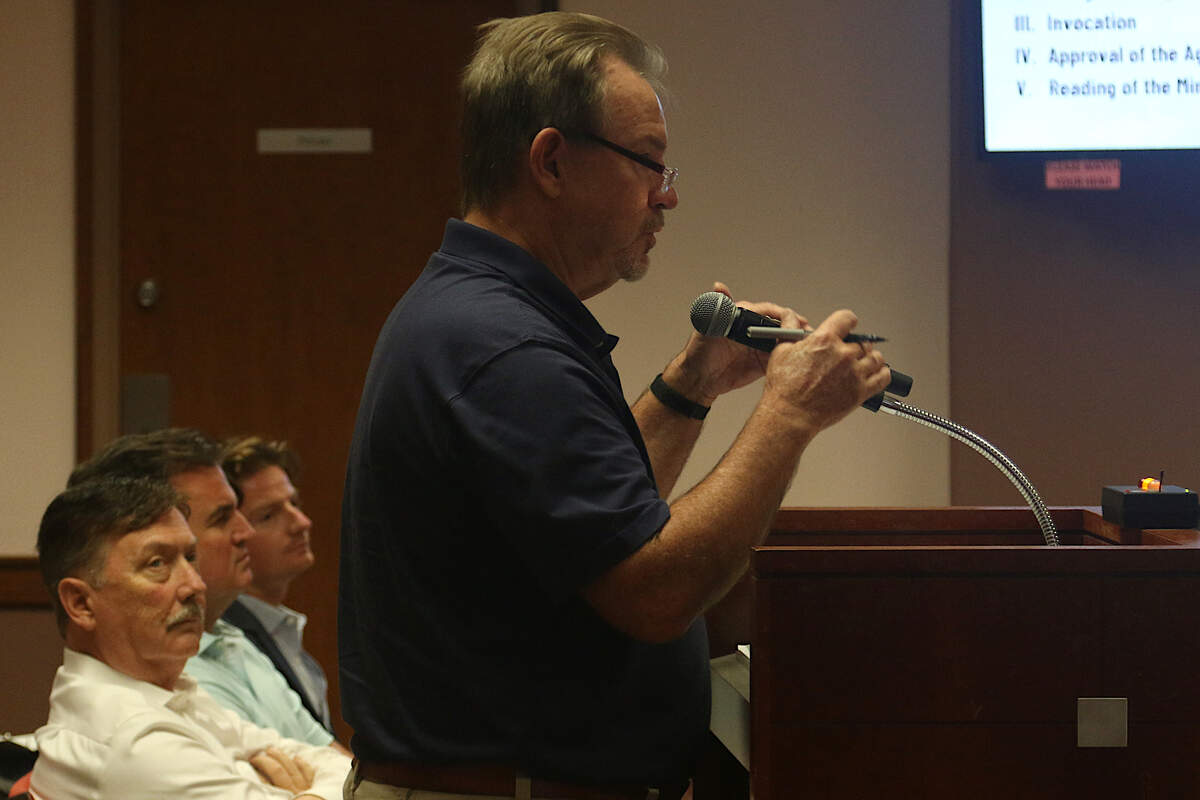
Despite the few housing developments that’ve been approved or broken ground in Irmo in the last few decades, any mention of new housing has been met with some level of opposition. Last fall, when Irmo was deciding on whether to approve a 550-unit mixed-use development along Dreher Shoals Road, a resident of the town sued in an attempt to stop the project.
And while the lawsuit was dismissed, and the project continued, there’s still the lingering sense among town leaders that people don’t want new neighbors.
“You’re either going to have to find a way to break bread and meet your neighbor, or close the garage door after you pull in,” Irmo Councilman Gabriel Penfield told The State. “That’s the hard reality ... you can’t stop a child from growing up any more than you can stop a town from expanding if you have an influx of population.”
From Facebook group forums to town council public input sessions, it’s a sentiment Penfield said he’s heard in other parts of the state, as South Carolina has become one of the fastest growing states in the nation.
Since 2010, the counties of Richland and Lexington have grown by a combined 91,000 people, and that number is expected to continue climbing, with as many as 56,000 moving to two of the Midlands’ largest counties by 2040, according to S.C. population estimates. Irmo is one of the many municipalities in the area facing the same issues that come with growth — traffic congestion, gentrification and loss of rural land.
Some cities have forged ahead with lofty, long-term redevelopment plans that emphasize housing density and walkability while others have focused more on the desires of residents who want their communities to stay suburban and have worked to stifle much growth. Irmo has not, Danielson said.
“Irmo and the surrounding area don’t want to hear about multi-family housing, they don’t want to hear about apartments and condos and townhomes, and I get it, but we have to try to figure out a way to have some affordable housing,” Danielson said.
Population growth and its impacts have become the unavoidable reality for many parts of the state. Regardless of the opposition, urban planning experts say adding housing stock is one of the few ways to curb rising home prices in areas experiencing growth.
“Fundamentally, our cities continue to grow … if you don’t have space for those people to live, then it becomes an increasing pressure on the existing residents and makes it more expensive for them to be able to actually live in their communities,” Yonah Freemark, a researcher for Urban Institute told The State previously.
Infrastructure needs
If Irmo does want to grow its population, housing isn’t the only need to be addressed. Without infrastructure improvements, residents and leaders alike don’t think growth is smart or manageable. The problem is, Penfield said, road repair and reconfiguration projects usually come after issues begin to arise.
“There’s very little done proactively, so if we wait until the infrastructure is there before we let anyone move here, that’s probably never going to happen,” Penfield said. He noted that ongoing improvements to Interstate 26 could help mitigate some of the commuter traffic.
The state Department of Transportation is wrapping up a widening and interchange improvement along a stretch running from Irmo to Little Mountain, 16 miles to the west. The state is also in the midst of a years-long effort to untangle the conglomerated and frequently gnarled interchanges of Interstates 20, 26 and 126 heading into Columbia, commonly derided as “Malfunction Junction.”
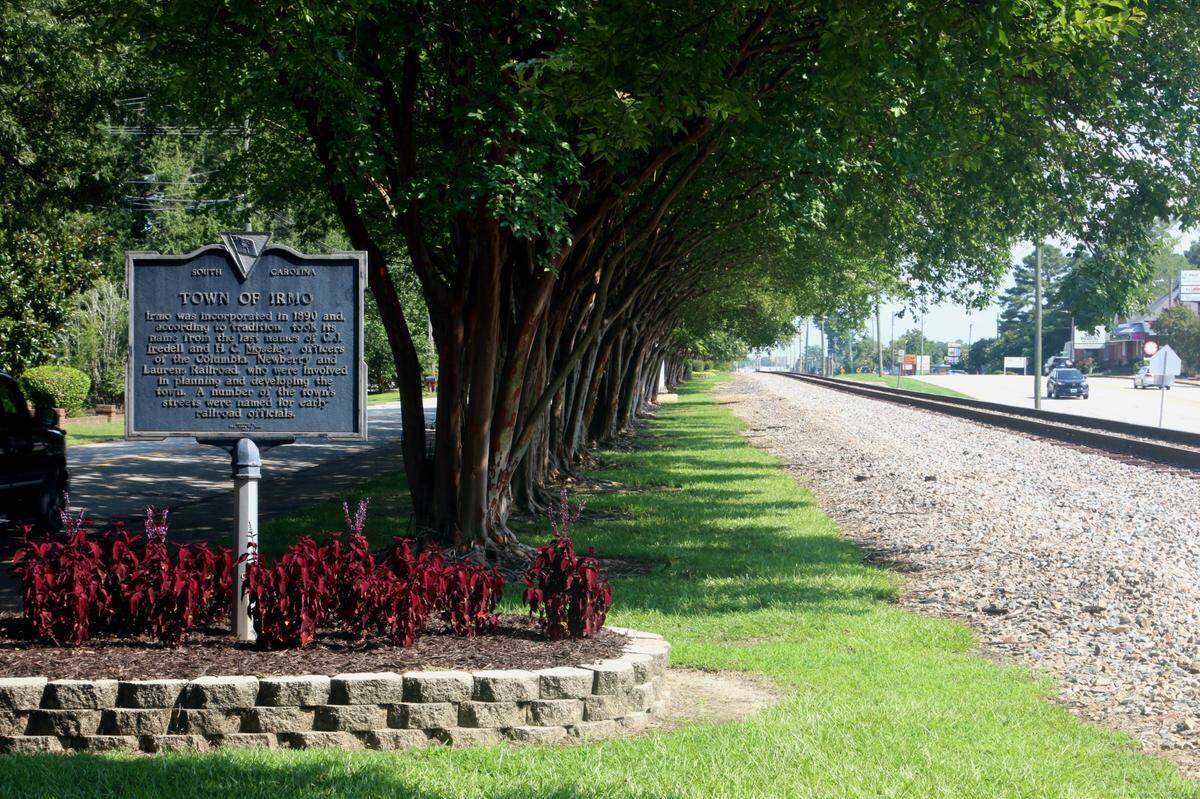
Roads in the town of Irmo and along its surrounding municipalities like Saint Andrews and Seven Oaks serve as back roads for commuters going between Columbia and Chapin or Lake Murray who are trying to avoid a congested interstate. The traffic isn’t helped by the popularity of some of the area’s shopping districts, which draw thousands of drivers to their big box stores and fast food chains.
Anywhere from 8,800 to 12,800 cars drove through the Harbison shopping area daily in 2023. The road that runs along Lake Murray into downtown Irmo saw a daily average of around 18,000 cars, according to 2024 data from the Central Midlands Council of Governments.
Some municipalities across the Midlands have tried to find ways to manage the state’s growth and its impact on the area’s infrastructure. In the summer of last year, Lexington County was the first in the state to adopt concurrency rules.
As opposed to going through a review solely by Lexington County’s planning commission, the new regulations require certain development projects to be reviewed by multiple agencies and public service providers in the area. The hope being that any challenges those departments would face from an influx of new residents — higher demand on police or emergency medical service agencies, for example — would be flagged early enough in the process that any necessary changes can be made.
“There’s some people that just want no growth, which is not a good position to be in when you’re on the fringe of a municipality,” said Henry Martin, who runs a Facebook group called Developing East Lake Murray Responsibly. Martin said increased traffic and costs are some of the key concerns he hears from residents when it comes to growth.
“More than that, it’s really just infrastructure. Are the roads there? Are the schools there? Do we have the fire department for it? Where’s that funding going to come from?”