Trump cut a program paying $33M for Columbia Canal repair. Will money still come?
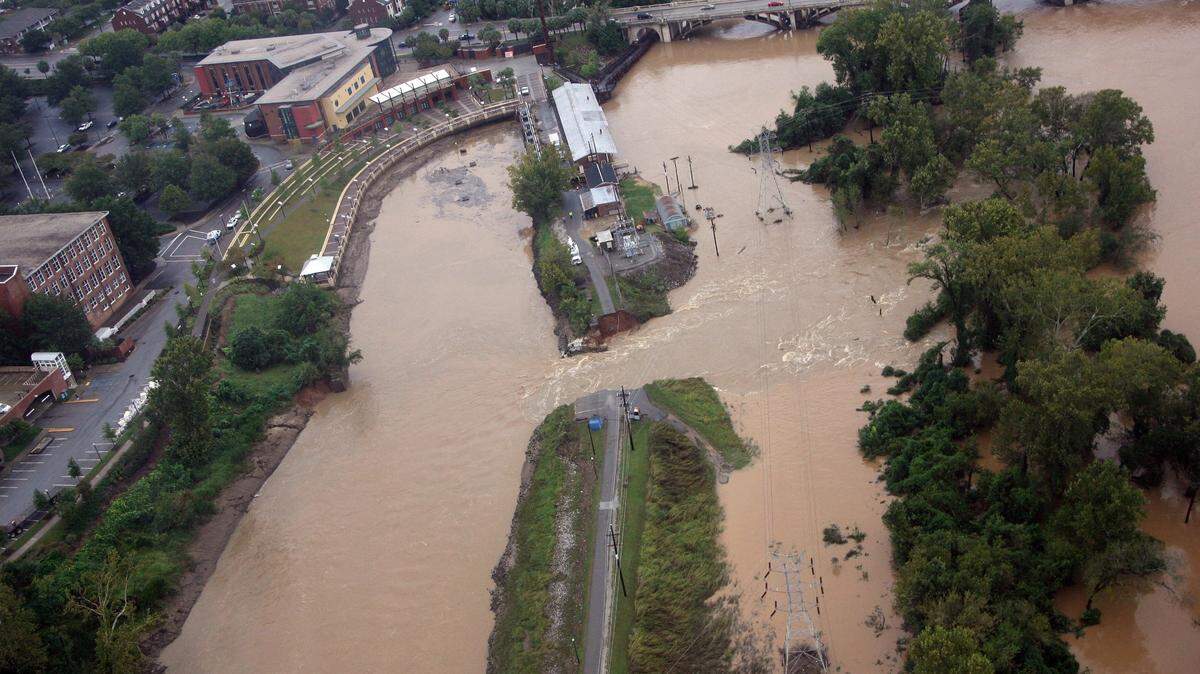
Columbia’s drinking water system has been in limbo for a decade. In 2015, a “1,000-year-flood” ripped a 60-foot hole in the canal wall and damaged the headgates, which control the water flow.
Today, a rock dam holds the canal together and all but one headgate remains plated shut.
City water officials have for the last 10 years been coordinating with the Federal Emergency Management Agency to settle the cost of the repairs and to get the regulatory approvals to move ahead with construction.
But now, nearly $33 million needed for the work could be under threat.
The city finally started construction on the canal project in February. Two months later, the Trump administration canceled a grant program Columbia is relying on to pay for a portion of the work.
Columbia’s top water official, Clint Shealy, said he believes the city will get the promised dollars, despite the federal government canceling the program.
“We are in a period of uncertainty,” Shealy said, but added that because the city had already started construction he believes the federal government will honor the grant. “We think at this point the risk [of losing the money] is very minimal.”
In early April, FEMA issued a release announcing that the “wasteful, politicized” grant program called BRIC would end and that applications for the money would be canceled. The Building Resilient Infrastructure and Communities grant was created by a 2018 bill signed into law by President Donald Trump. It was created to promote “a greater investment in mitigation before a disaster.”
About two weeks after FEMA announced BRIC’s cancellation, the agency sent another release clarifying that if money had been obligated to a project already under construction, those projects would be permitted to continue.
In Columbia, those dollars will allow the city to fortify its water system with a secondary source to access water if the canal were to fail again. This secondary source would pump water directly from the Broad River.
Shealy has said that this project will help Columbia avoid a future like what Jackson, Mississippi experienced in 2022, when its century-old water system failed.
In 2015, Columbia was close to a similar fate. The city’s system is also nearly 100 years old in many areas within the city. This project ensures that the city would still have access to a water source if the canal were breached again.
“We’ve got to secure our water supply for generations to come, and we’ll never regret doing that,” Shealy said.
But the city won’t know for sure that the $32.5 million will come until it’s already spent the money. The federal BRIC program doesn’t write the city a check. Instead, it would reimburse the city up to that amount for the work.
City leaders have had conversations about a worst-case scenario in which the federal government chooses to renege on that agreement, Shealy said. In that case, the city would look for other grant programs but would also look at postponing a laundry list of other water-related capital projects in order to pay for the canal. Shealy reiterated that he believes the federal dollars will come through. But if they don’t, he believes the city should still move forward with the work.
“We’ve been talking about a secondary water source for decades and it will never be more affordable than it is now,” Shealy said. “Further delaying that, even if the grant were to disappear, is not really acceptable for us … particularly in light of what happened in 2015.”
The full cost of the city’s canal project is around $120 million, and much of that is being paid for through different FEMA grants that remain active. The $32.5 million from BRIC covers about half of the cost of installing the pump in the Broad River that will give the city a secondary water source beyond the canal. The city is paying the cost of the remainder of that work.
By 2026, three different canal projects will likely be under construction at the same time: repairing the canal embankment, repairing the headgates, and installing the new water pump.
Work is currently underway on the Broad River pump project, which has resulted in a portion of the city’s popular Riverfront Park being closed for much of May.
This story was originally published May 30, 2025 at 5:00 AM.