Columbia wants to be a top city. Will taxes have to go up to make it happen?
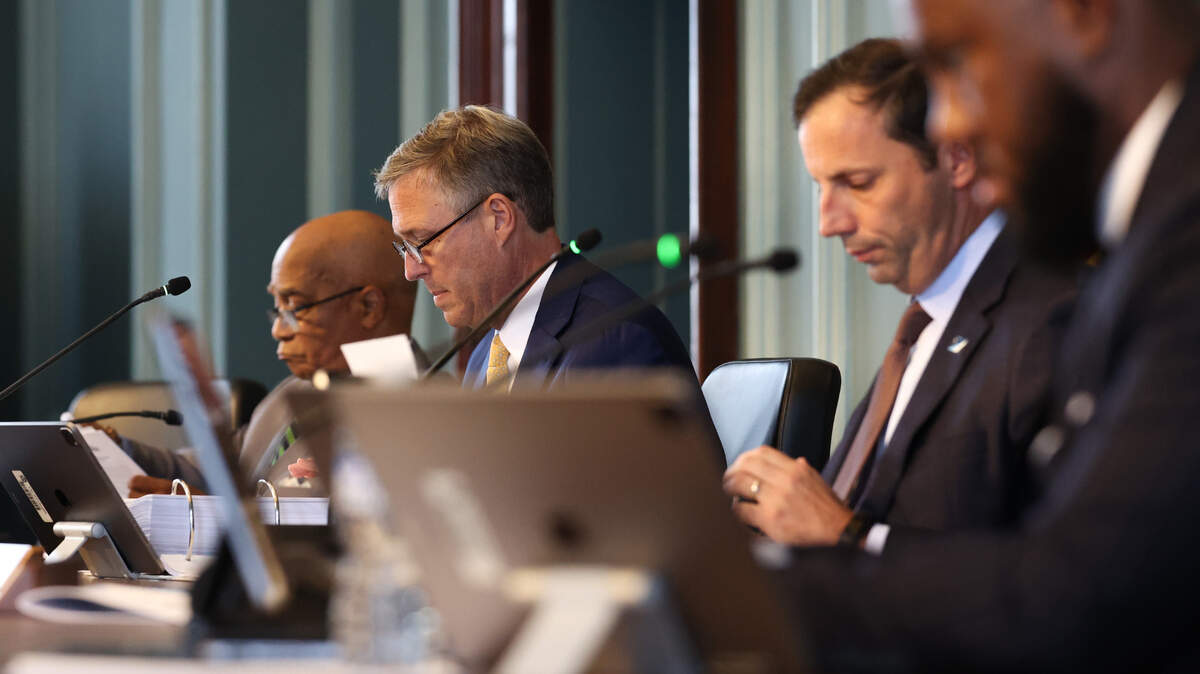
In recent years, Columbia has made big investments to push itself forward — to entice more residents, improve quality of life and move out of the shadow of other South Carolina cities that may carry more clout. But becoming the city it wants to become has a price.
In June, the city council passed a $184 million budget while avoiding a tax increase. But leaders say costs are rising faster than revenue, and that budget is particularly stretched this year by a few key expenses. Those costs include step-increases for fire and police salaries, the expected costs to operate Finlay Park and paying for expanded homeless services.
City leaders say these are strategic investments. But the result is a tight budget passed at a time when national politics have left federal grants up in the air. The process was made more fraught by the influence of culture-war politics led by two Republican candidates for governor. And while the city didn’t raise taxes this year, Richland County did. And the city’s top budget official says it may be time to have that conversation in Columbia, too.
Political Pressure
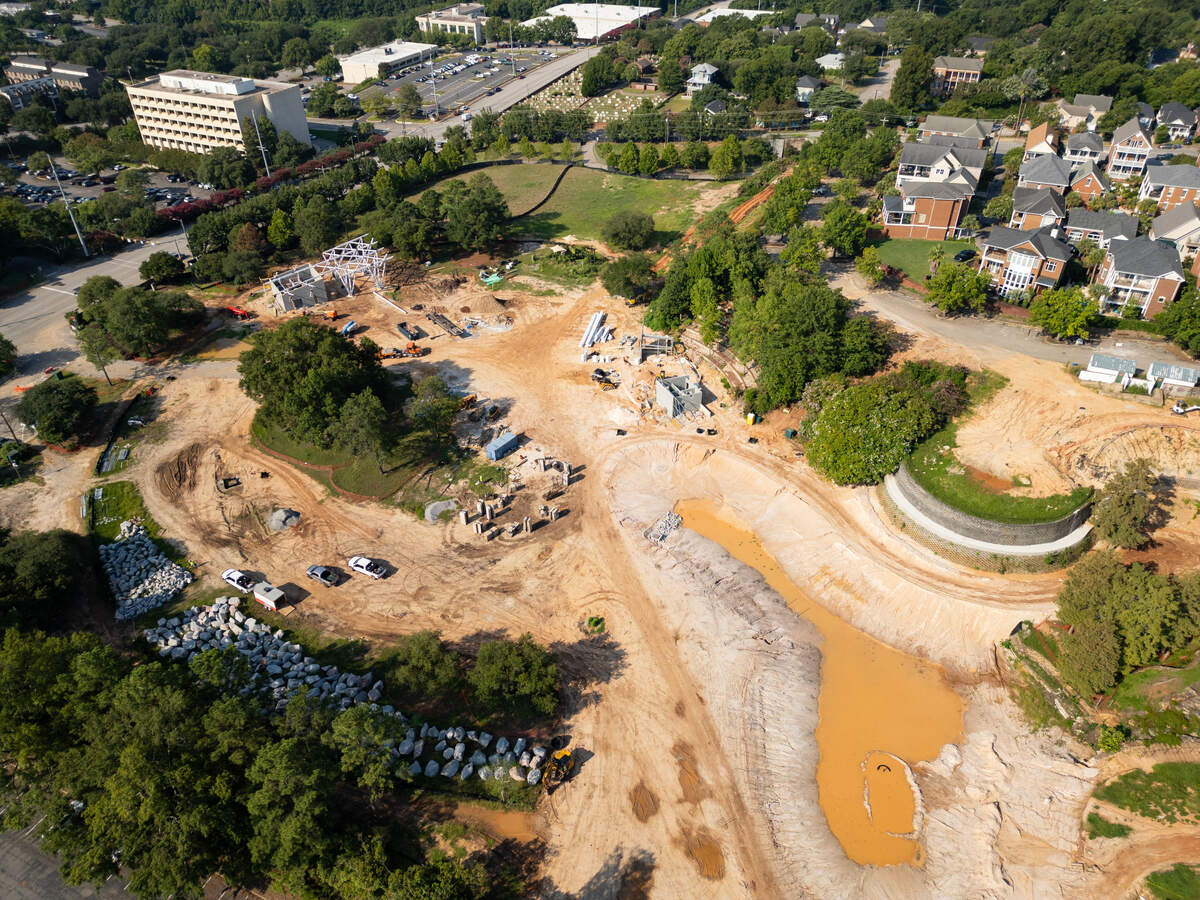
The city’s newly approved spending plan avoids a tax increase, even as it includes roughly $10 million in new expenses, like $2 million to operate and maintain the new-and-improved Finlay Park, which is expected to reopen this fall after a $24 million restoration.
Other expenses include $2 million to continue raising salaries for public safety workers, and $2 million in costs to provide temporary housing and case managers for homeless residents, plus money to pay down the cost of replacing city vehicles across various departments.
Adding to the budget stress this year is the loss of federal pandemic relief dollars, which have now run out. The city used some of that money to establish Rapid Shelter Columbia, a pallet shelter village for chronically homeless residents. The city knew that money wouldn’t be available this year, but the loss of those funds is complicated by the fact many other federal grant programs that cities like Columbia rely on are also in flux as President Donald Trump’s administration promises cuts across federal departments.
City Manager Teresa Wilson said the loss of those federal dollars would be felt, as the city would need to “do more with even less.”
“We knew ARPA was going to roll off this year, so we were able to plan for that,” she said. “I think the uncertainty becomes when these are things being discussed, they’re in the atmosphere with the federal government, but we don’t know for sure yet.”
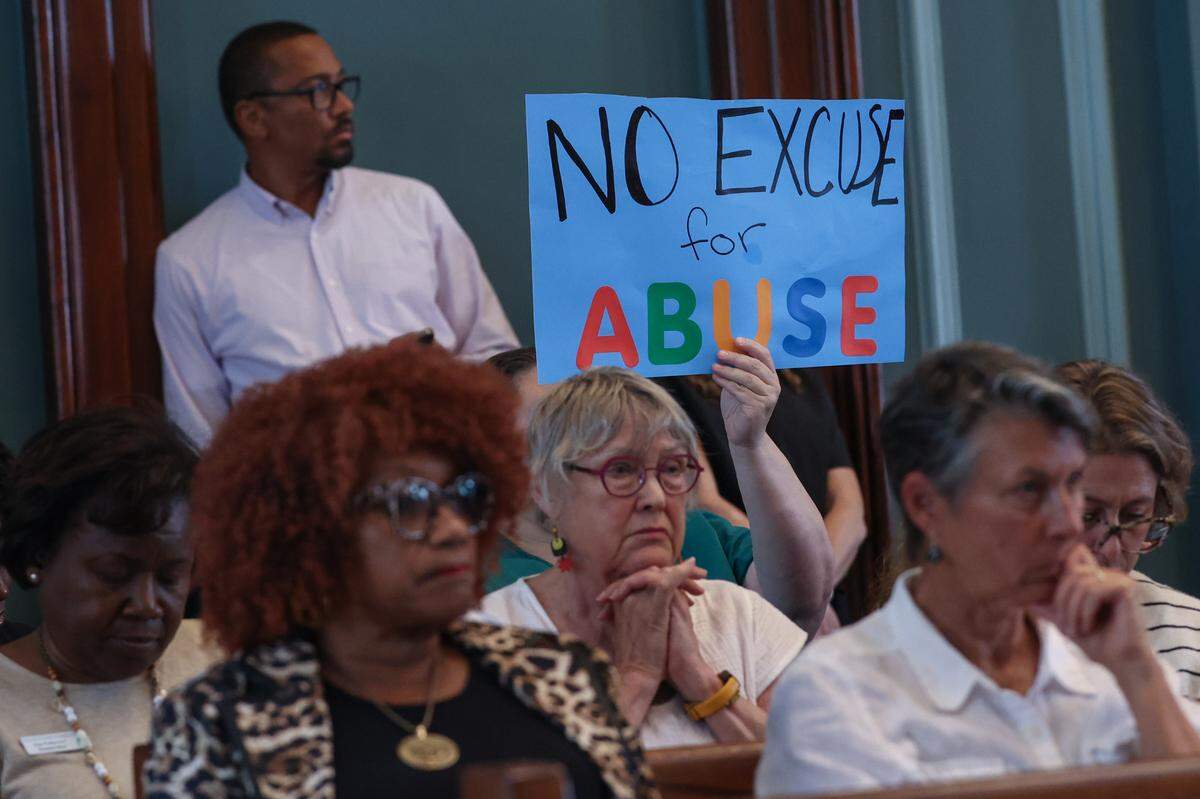
The city budget came under more scrutiny than usual this year, as state Attorney General and candidate for Governor Alan Wilson threatened to sue the city, and the state General Assembly passed a budget that would have withheld $3.7 million from Columbia unless the city repealed its ban on conversion therapy – which it ultimately voted to do 4-3, despite overwhelming public opposition.
The uncertainty over federal dollars made the threat of losing nearly $4 million in state money that much more concerning, leaders said.
Columbia Mayor Daniel Rickenmann said he worried also about how the move by the General Assembly would impact the city’s ability to receive money from the state in the future.
“Everything happens on a year-to-year basis, but you know, we always have other requests. We have to work with the state,” he said in a recent interview.
Is growth the answer?
Columbia’s tight budget isn’t stopping the city from looking toward future investments. Earlier this month, the city toured some of the nation’s top landscape architects around the undeveloped section of the Congaree River west of downtown. The city envisions a world-class waterfront park, as well as a slate of new commercial developments to fill in around it. In anticipation of that project, the city is already in the process of building a new $21 million road just west of Huger Street, to connect Williams Street between Senate and Blossom streets.
Rickenmann has also spoken about creating a new campus to consolidate social services for homeless residents, a project with an estimated $30 million price tag at last notice, which he hopes the state and private partners will help pay for.
But Columbia is also cutting expenses where it can, Rickenmann said.
In December 2023, the city announced it would be consolidating most of the police department as well as the municipal court and emergency management office into a new “Law Enforcement and Judicial Center” at the former Aflack building visible from Huger Street.
Most of the buildings currently holding different police department units will be sold, Rickenmann said at that time. About 13 properties could be for sale as the police department centralizes its staff, including 1 Justice Square, and the Metro Region Headquarters at 1800 Main St.
Rickenmann has also said that private development will follow these city investments, and that he hopes the city will do more cost-sharing with the private sector – a framework that has helped develop things like Greenville’s Unity Park.
The strategy to pay for things like parks and public safety is an investment leaders say will pay dividends as Columbia continues to grow. For instance, the city is working to transform Finlay Park, which had fallen into disrepair and become best known as a gathering place for the city’s homeless, with hopes that it will become an economic engine that could attract more of the private development Rickenmann is looking to see. Exactly what the full benefits of all that new investment will be remains to be seen.
Columbia City Manager Wilson called this a transitional year for Columbia, where costs are increasing but money coming in hasn’t caught up to what leaders expect all of the recent growth will eventually bring.
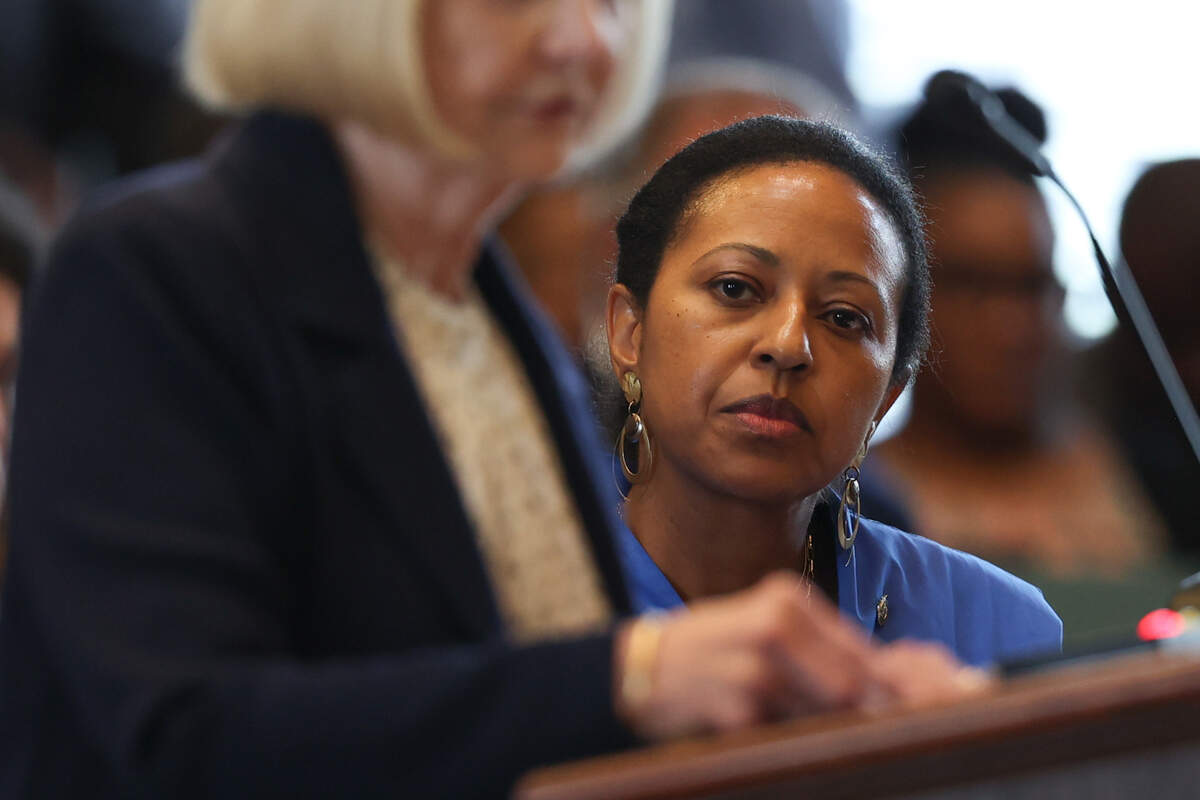
“We’re also in this amazing period of growth … but we’re not necessarily feeling the benefit of all that growth yet,” Wilson said. The expectation is that the growth will show up as new revenues for the budget in coming years.
Columbia is not growing as fast as other South Carolina cities. The Myrtle Beach area, for example, grew by nearly 4% between 2023 and 2024, ranking it third in the nation for growth. In comparison, the Columbia area saw a 1.3% increase in population during that time frame. But that still puts the city in the top 100 for nationwide growth, according to a state population change analysis.
But Wilson also alluded to a future conversation about raising taxes, which Columbia hasn’t done in over a decade. Columbia’s current millage rate (89.6) is actually lower than it was 15 years ago (98.1).
“There comes a time where that discussion has to occur as well,” Wilson said of the tax situation.
New taxes?
While Wilson said taxes should be a conversation in the future, she also said she’s confident city revenue will increase as more people move here and as more private development is added to the books, like a massive new apartment complex planned for Bull Street and Elmwood Avenue.
Carl Blackstone, CEO of the Columbia Chamber of Commerce, agrees with that prediction. Last year, about $1.5 billion in new projects were announced in the Columbia area, Blackstone said. That’s a huge jump from the city’s average of the last several years, which hovered around $250 million in new work each year. The impacts of all of that investment will be significant, Blackstone said. He added that the city’s work should only help those numbers.
“Williams Street is all about commercial growth down by the river,” Blackstone said, referencing the road project that will connect the area between Senate and Blossom streets west of Huger Street. That project is the first step in opening up the river for more access and an eventual waterfront park.
Non-city projects like a new USC medical school, the new Palmetto Citizens Federal Credit Union headquarters being built on Sumter Street, and a handful of new apartments are just some of the work Blackstone said he’s watching.
But when asked for his thoughts on if the city would need to raise taxes to accomplish all of its goals, he said he hopes it doesn’t. Richland County just passed a budget with a tax hike due to rising costs.
“I think as much as you can keep it within the budget that you currently have, the better,” Blackstone said. “The city, by maintaining a lower tax rate … it’s been awesome, because companies need predictability. They need to know what they’re going to be spending if they’re going to invest in the city of Columbia.”
Columbia has at times been criticized for frequently offering tax incentives for developers who build in the city. Proponents argue its necessary because the government-heavy city has so many tax-exempt properties, making for a small tax base. In 2014, the city along with Richland County granted developers of student housing projects a 50% tax break for 10 years in exchange for investments of at least $40 million.
Blackstone said that investment paid off, because now those apartments are about to pay taxes in full. Several of those student apartment buildings already are among Columbia’s top taxpayers.
Those include Saga on Whaley Street and The Hub on Main Street, ranked Columbia’s fourth and fifth highest property tax contributors in 2024. The developers of The Hub are in the process of developing another housing project downtown, this time for both students and non-student renters.
“We’re finally seeing a return on those investments,” Blackstone said. “This sets us up well for the next four or five years, and I think that growth is still coming.”
In the meantime, Rickenmann said he doesn’t want the city to operate like the “Bank of Columbia,” and if it is investing in future projects he wants to identify plans to pay for maintenance before breaking ground. For example, the vision for a new waterfront park could also include a multi-jurisdictional agreement to squirrel away money for upkeep, Rickenmann said.
When asked if he believes Columbia can afford to accomplish its goals with its current strategy, he said, “I do, yeah.”
“We’re finishing projects, we’re getting things done, and we’re making the investments that are necessary for the future,” Rickenmann said. “I think we have a tight budget, obviously, for a lot of reasons. … But I do think we can afford it all.”
This story was originally published June 30, 2025 at 5:00 AM.
CORRECTION: A previous version of this article listed the incorrect city millage rate, reflecting outdated information on the city’s website.