
Despite death, no elevated risk of amoeba at Lake Murray, health officials say
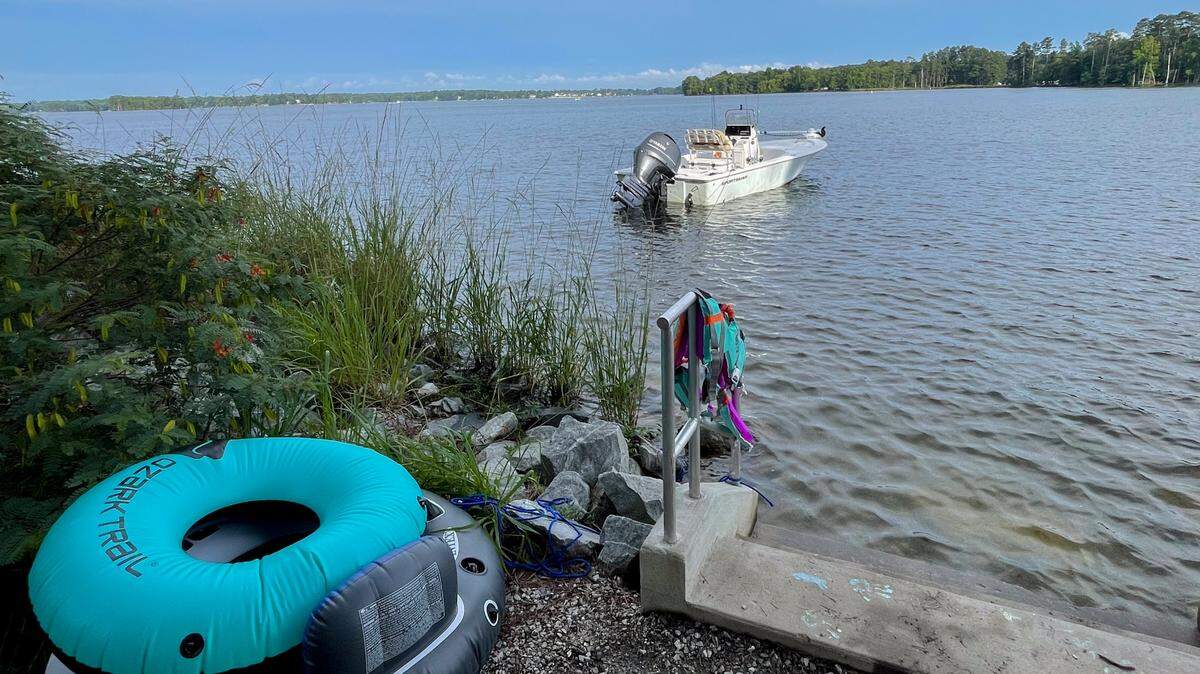
While health officials announced that they presume the amoeba in the fatal case of Naegleria fowleri, or brain-eating amoeba, to have come from Lake Murray, the lake does not have a higher risk of infection compared to other freshwater bodies of water.
“There is not an elevated risk associated with Lake Murray. We expect Naegleria fowleri to be present in any body of warm, fresh water in the United States; however, the risk of infection is very low,” the S.C. Department of Public Health told The State in an email.
The department confirmed it became aware of a case of the amoeba the week of July 7, and Prisma Health said a patient in itsMidlands children’s hospital died from the infection.
The amoeba is common around warm freshwater bodies like lakes, rivers and ponds, but infection is rare, requiring the amoeba to enter the nose at the right time and with the right water pressure, said Dr. Anna-Kathryn Burch, an infectious disease physician at Prisma Health Children’s Hospital-Midlands..
“For most people who come in contact with this type of amoeba, it causes no harm whatsoever,” Burch said. “Most of us have been exposed to this amoeba, who have been in lakes and rivers and those kind of things.”
Infections from Naegleria fowleri were only reported three times in South Carolina from 2010 to 2022. Across the entire country, there were 40 cases in that time. The infection is almost always fatal, with only four reported survivors in the United States, Burch said.
The risk of infection increases with higher temperatures. The state public health department recommends avoiding water activities when temperatures are high and water levels low, conditions which increase the concentration of amoebas in the water. Burch said that the amoeba lives in the sediment on the bottom of bodies of water, and stirring up the material at the bottom can further suspend the amoeba in the water.
“We shouldn’t be afraid to be in lakes and rivers and those kinds of things,” Burch said. “It’s a big part of what South Carolinians do. I just think you need to be safe when you go into those bodies of water.”
This story was originally published July 23, 2025 at 11:49 AM.