Columbia Canal to be under construction for years. What about the riverwalk?
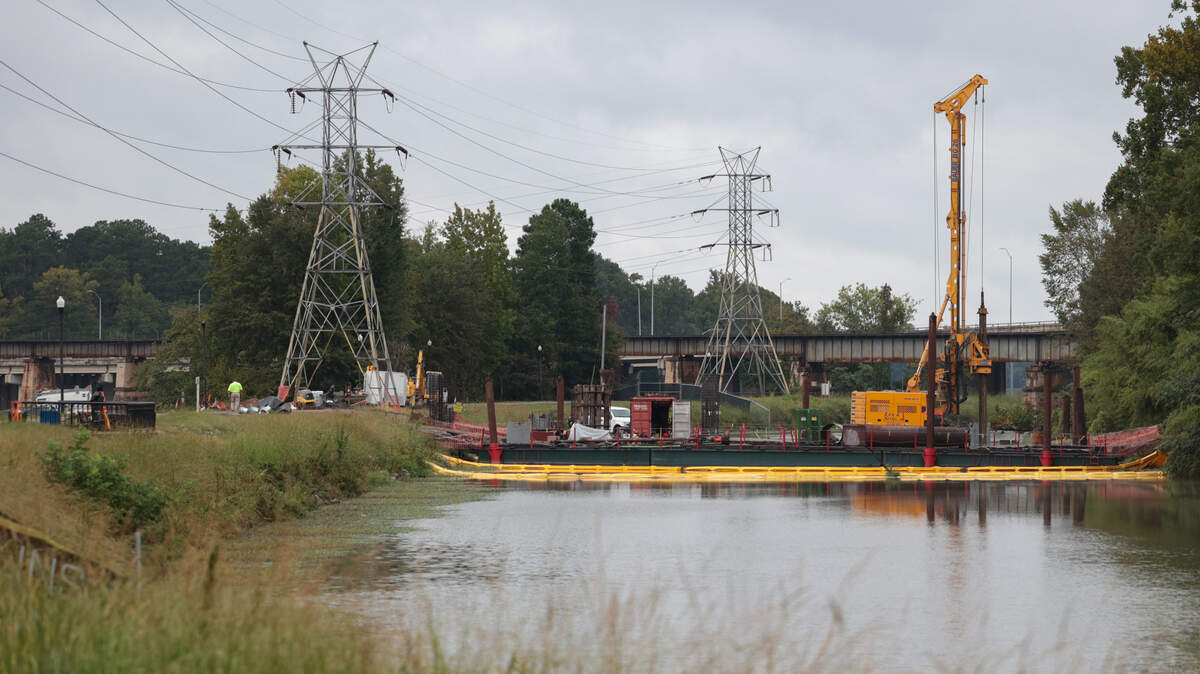
Visitors to Columbia’s Riverfront Park should expect to see construction for at least the next two or three years, as after a decade of waiting the city is finally in the midst of construction to repair the Columbia canal after it was damaged during the historic 2015 flood.
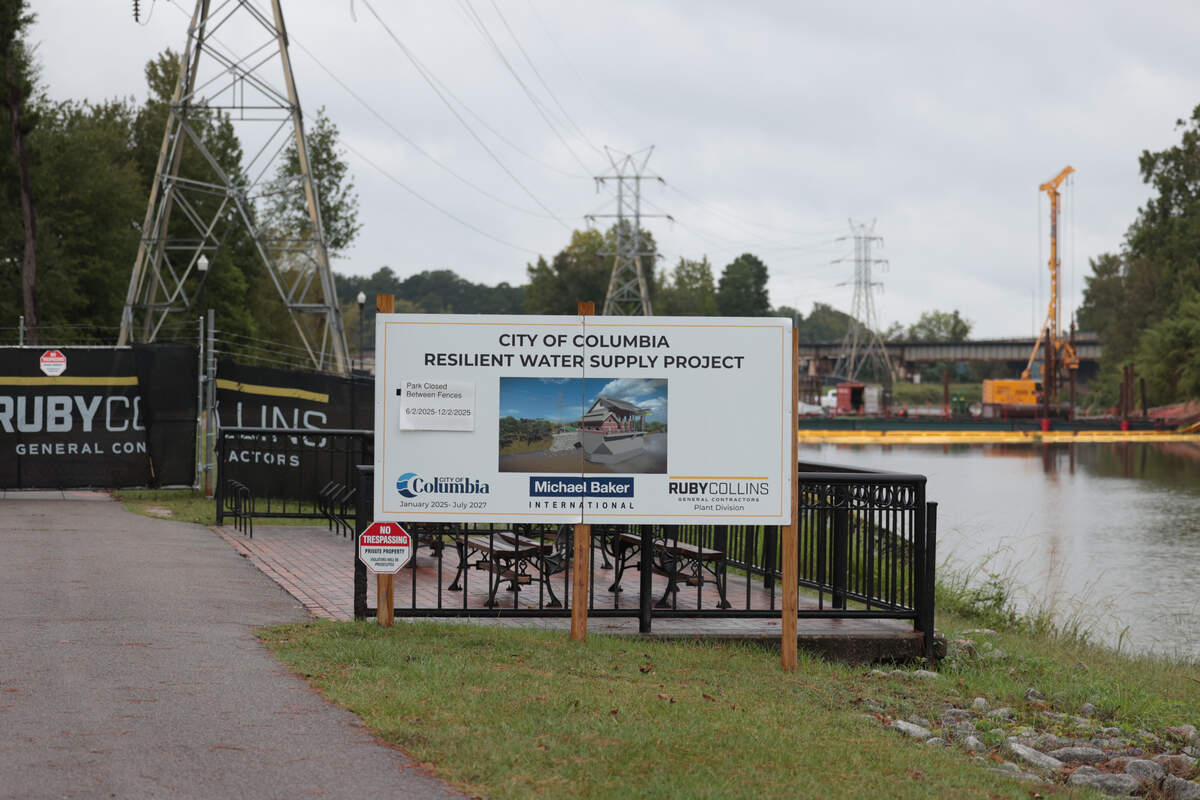
The park, which includes a riverwalk spanning the length of the canal, has been partially closed for most of 2025, and visitors can expect at least partial closures to persist potentially until 2028, said Columbia’s top water official, assistant city manager Clint Shealy.
About a half-mile of the riverwalk is currently open, with a large fence stopping pedestrians from going any further as work is being done in the river, creating safety concerns if people were to use the trail in the meantime. The north entrance to the park at River Drive near the Broad River Bridge is also closed.
Columbia has plans to re-open the riverwalk for limited hours, but visitors should expect intermittent closures consistently over the next few years.
The riverwalk could be open again in the evenings by January, Shealy said. That’s because as contractors work on one phase of the repair project during the day, the contract with the city requires that they re-open the riverwalk during non-working hours. That means the riverwalk should be mostly re-opened beginning in January from 5 p.m. until the park closes at 9 p.m.
But that partial re-opening may only last a few months, as contractors begin work on the other phases of the canal project. Shealy expects that the north entrance to the park will be fully closed for a year as work begins in 2026 to repair the headgates that were damaged in 2015.
The city won’t know exactly when and where Riverfront Park will be affected until contractors decide what order they want to do certain work in.
“Until we get the contractors on board, it’s hard for us to put out a master schedule of what’s going to be happening when, because we just don’t know,” Shealy said. “It is definitely going to close again. The duration of that closure, the timing of that closure, is still up in the air.”
The Columbia Canal stretches from about the Gervais Street bridge, to just past U.S. Highway 176.
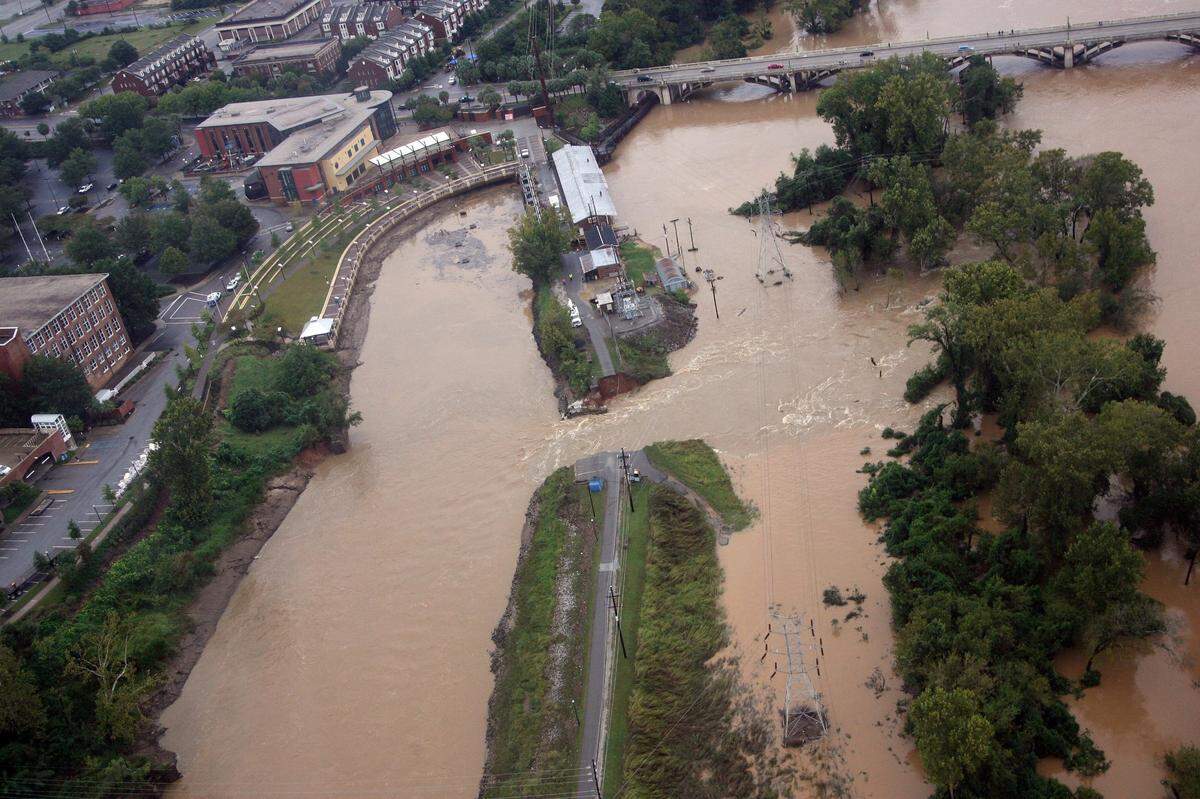
When record-setting rain, and subsequent dam breaches, hit the Columbia area in 2015, the water tore through the canal, leaving a 60-foot hole in the embankment between the canal and the Broad River.
For the last decade, Columbia officials have been planning a more than $100 million effort to shore up the water system to make sure a crisis like what occurred in 2015 can’t again threaten the city’s water supply, in which the canal plays a crucial role.
The repair work was stalled for years while Columbia negotiated with the Federal Emergency Management Agency and other federal regulators about the scope and cost of the project. Now, work is underway, and it’s not expected to be finished until late 2027 or early 2028, Shealy said.
What kind of construction is being done?
“There are three projects that are critical to us recovering and being better and more resilient than we were in 2015,” Shealy told members of Columbia City Council during a committee presentation Tuesday.
The work includes repairing the headgates at the north end of the canal, closing a 60-foot hole in the side of the canal embankment, and creating an alternative water supply where water would be pumped directly from the Broad River if the canal itself were to fail again.
Most of the money for the canal repair is coming from different federal sources, but roughly $33 million of that total remains in limbo after President Donald Trump’s administration eliminated a federal grant Columbia had already been approved for.
In April, FEMA issued a release announcing that the “wasteful, politicized” grant program called BRIC would end and that applications for the money would be canceled. The Building Resilient Infrastructure and Communities grant was created by a 2018 bill signed into law by Trump. It was created to promote “a greater investment in mitigation before a disaster.”
About two weeks after FEMA announced BRIC’s cancellation, the agency sent another release clarifying that if money had been obligated to a project already under construction, those projects would be able to continue.
Shealy previously told The State that he felt confident the city would receive the $33 million, as construction on the canal had begun just months before the program was shut down.
But so far, Columbia hasn’t seen any of that money, despite making multiple requests for reimbursements through that program. The uncertainty over that money won’t delay the canal work, Shealy said.
“We can’t afford not to do that resilient water supply project. That is priority No. 1 for us,” he said.
If the federal dollars don’t come through, the city could look at a state Emergency Management Division grant, or Columbia may have to borrow the money through the bond process. That could affect the city’s ability to pay for other projects to shore up Columbia’s drinking water system. In some parts of Columbia, the pipes that deliver drinking water are nearly a century old.
The city has been working on updating those pipes neighborhood by neighborhood. Currently, Columbia is partway through replacing the system across the Rosewood neighborhood, where old pipes have made brown water and boil water advisories commonplace in the recent past.
This story was originally published October 1, 2025 at 5:00 AM.