‘People, Not Patients’ puts hospital survivors at center of Bull Street story
It’s been nearly 30 years since Bryan Waymer, now 43, was first admitted to the South Carolina State Hospital — known more colloquially as the Bull Street mental institution.
He was 17 years old, and remembers being handcuffed and treated almost like a prisoner.
Walking back onto the Bull Street campus this week, Waymer couldn’t help but look for the buildings where he spent so much time during on-and-off admissions to the hospital, where he was treated for schizophrenia and diabetes.
“It’s kind of like a relief” that so much has changed at the sprawling downtown Columbia campus since the state hospital closed in the early 2000s, Waymer said. “I had a lot of bad memories … I had a lot of good memories, but I had a lot of bad memories there, too.”
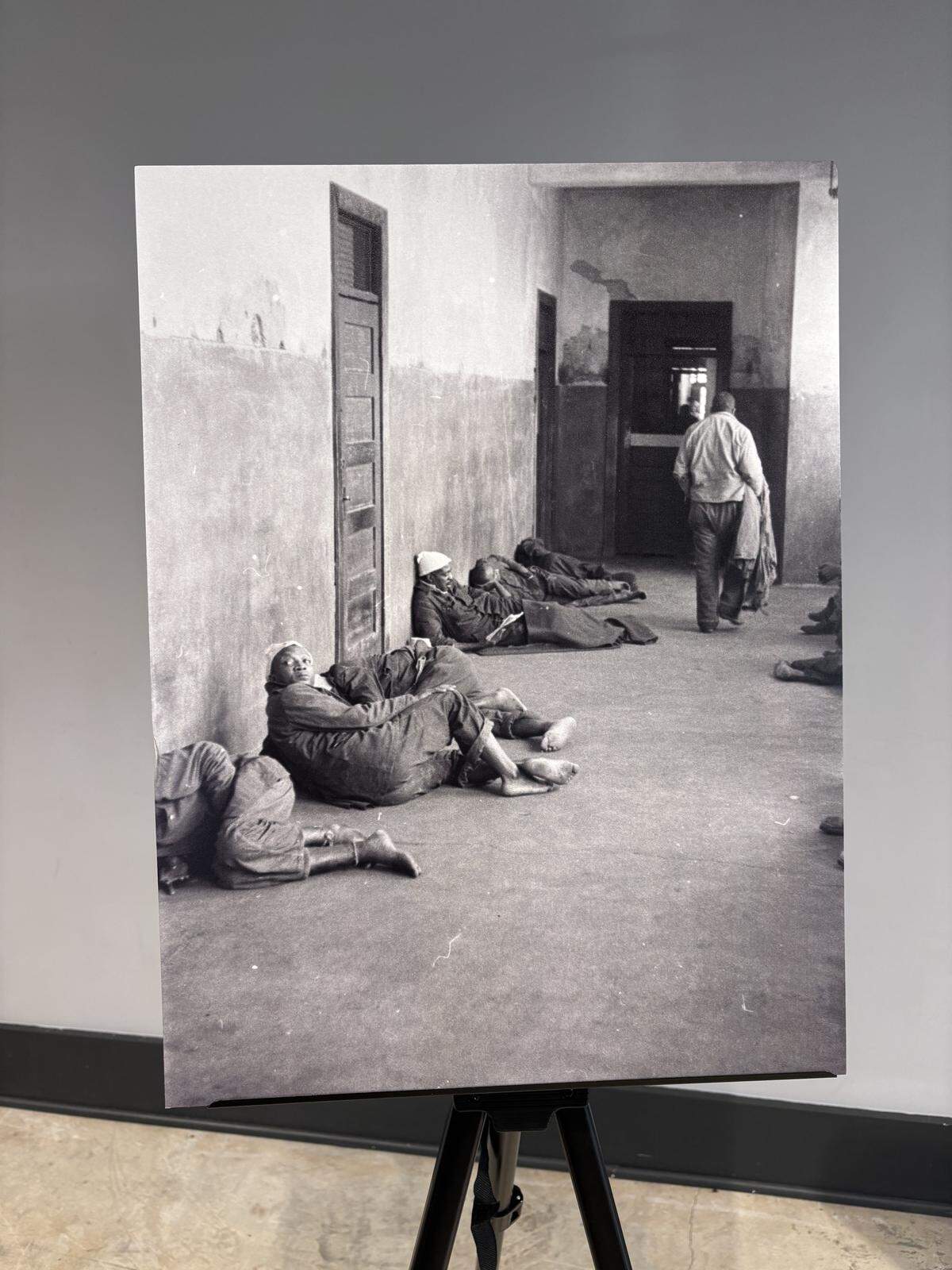
The Bull Street campus is now better known for major redevelopment, historic preservation and expensive new housing, but for more than a century, it was a place of pain and prejudice for the people committed there. Numerous reports across decades found that patients of the hospital were neglected, isolated and kept in unsafe conditions.
Now, nearly 200 years since the hospital was first established, local historians and disability rights advocates are centering the stories of the people who were committed at the institution.
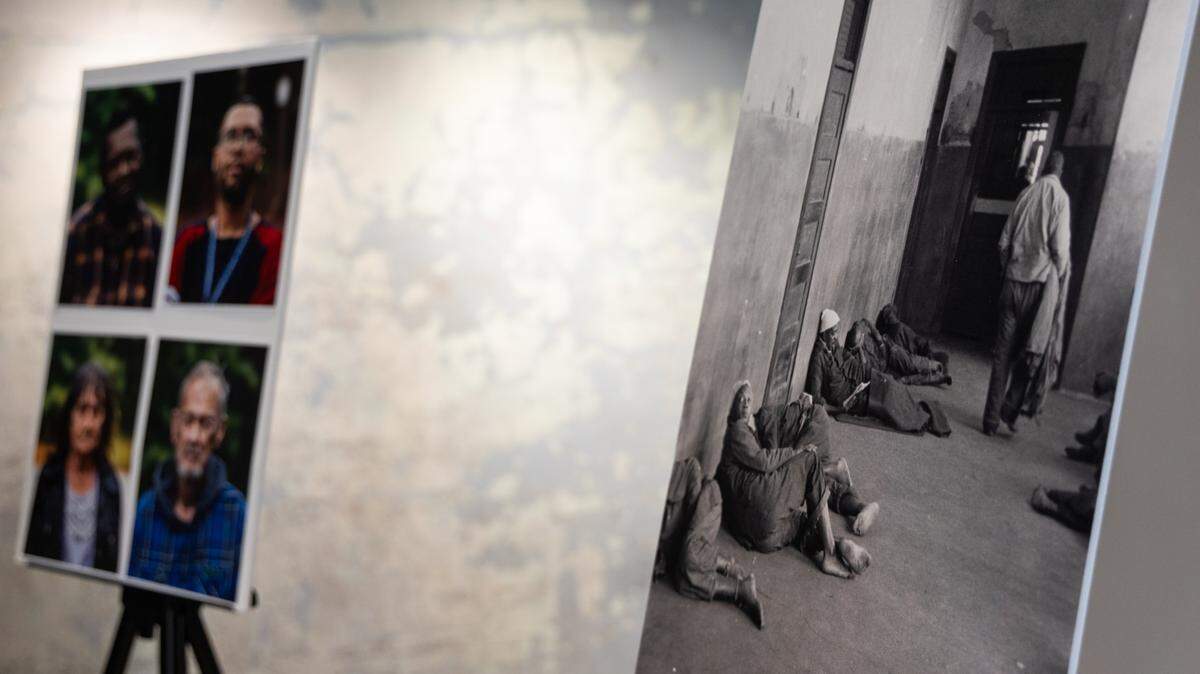
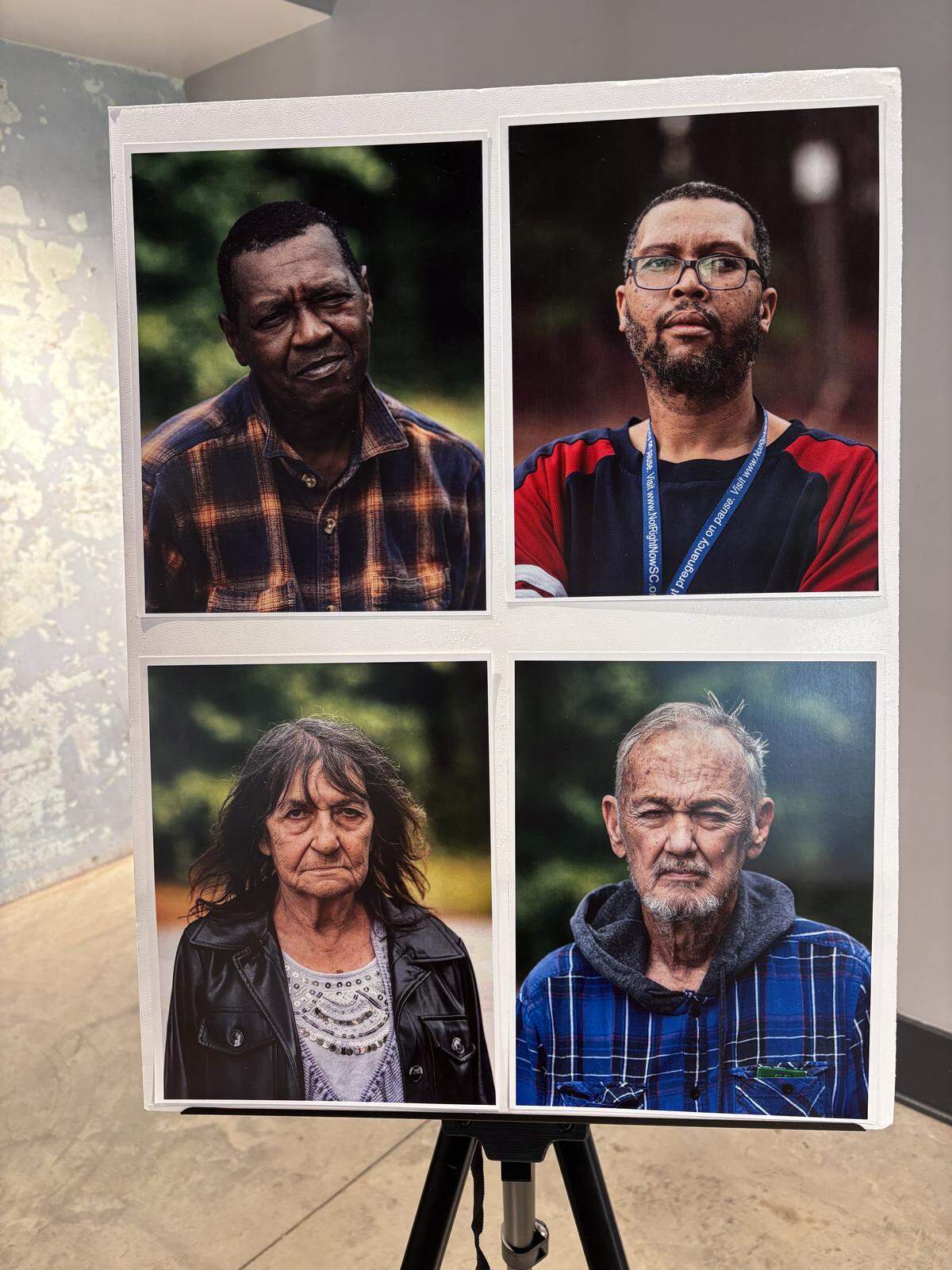
Waymer was one of several former patients who, along with researchers and disability rights advocates, gathered Tuesday inside one of the campus’ historic buildings, to launch “People, Not Patients,” a research and oral-history project meant to put the lived experiences of those confined at the state hospital at the center of the Bull Street story.
“For way too long, this history of the site has been told really through the lens of those who managed it,” said Kimberly Tissot, executive director of disability rights group Able SC. The people inside, she said, were often treated as “footnotes to their own lives.”
The project was a collaboration between Able SC and Historic Columbia, funded by South Carolina Humanities. It includes historical research, a timeline and history of the property, but its core is a set of recorded interviews with former patients and staff, and stories of other patients told through archival records.
“This project captures the true history of life at the institution during a time when people who were misunderstood, mislabeled, or unsupported were removed from their communities rather than provided the services and supports needed to live within them,” the report’s introduction notes.
A history often told from the outside
Today, the BullStreet District is a hub of activity: There’s new, expensive housing, restaurants, a minor league baseball stadium, and plans for even more projects in the near future. A big-city-style food hall, Gather Cola, opened in December. And elsewhere on the Bull Street campus Tuesday, a national business grown in Columbia announced plans for a $69 million new headquarters in the district.
The effort to redevelop the once-dilapidated former hospital campus began around 2013, when the city of Columbia inked a deal to begin to reshape the blighted campus. But for more than 100 years, Bull Street was far from a beacon of progress for the city.
Historic Columbia researcher Katharine Allen told attendees Tuesday that the story local leaders told for generations about the hospital often didn’t match what patients described living through.
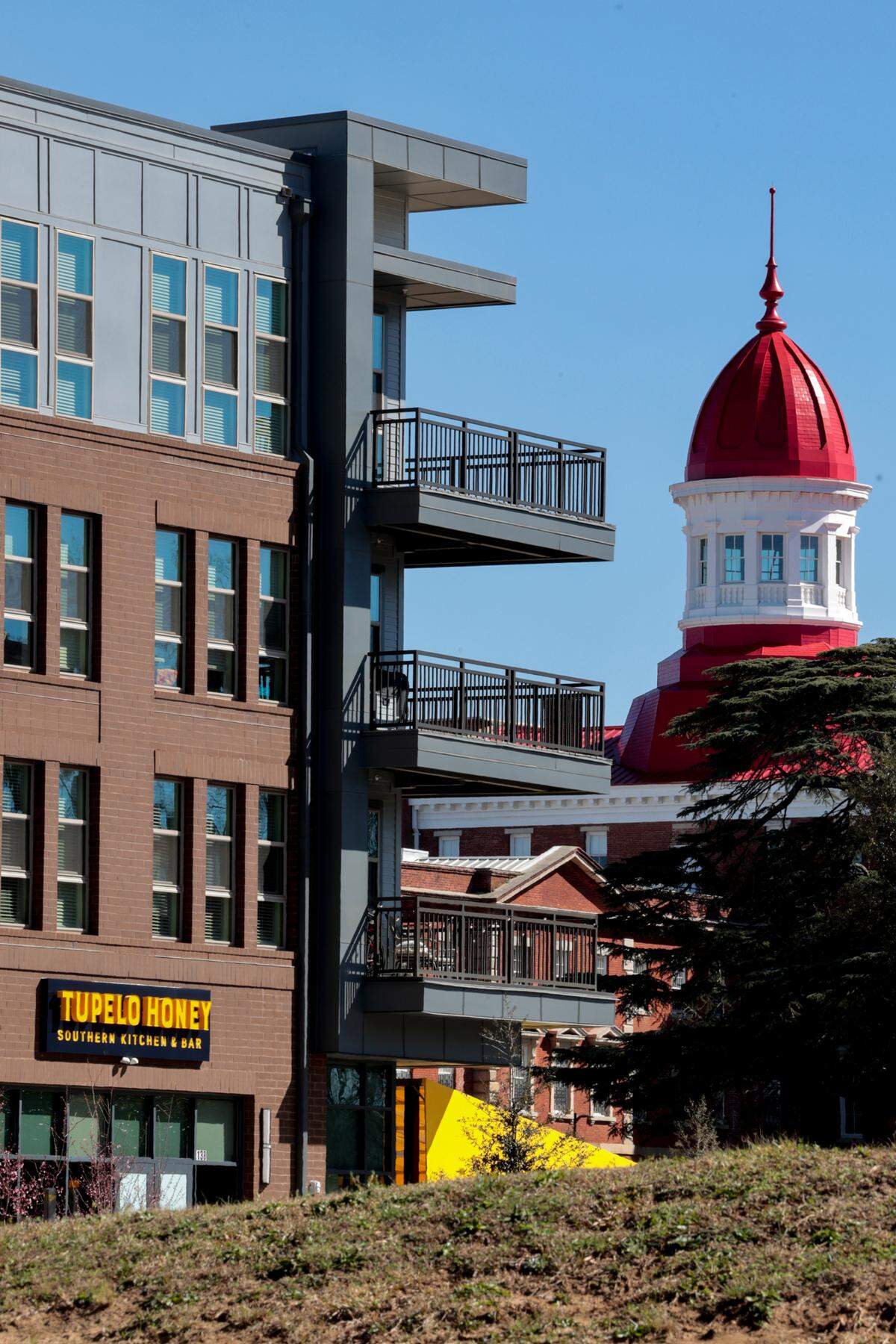
When state leaders laid the cornerstone for the then-South Carolina Lunatic Asylum in 1822, Allen said, they toasted their “generosity and foresight” in creating an institution to treat the “afflicted.”
Doctors and administrators described a quiet, garden-like campus where patients could be healed by fresh air, rest and “therapeutic activities.”
She read from a letter written by Mary Pyatt Allston, who was committed in the 1840s and wrote that her “poor, weak shattered nerves” were “harassed and tortured” by being confined in what she called “a madhouse or perfect Bedlam.”
“[I] would now rather suffer the most excruciating death than be confined here,” she wrote.
A record of neglect, and ‘modern voices’ still living today
The report documents a long record of neglect and dehumanization at Bull Street, including overcrowding, isolation and violence, as well as explicit racism.
For years, Black patients were segregated and relocated to separate facilities with inferior conditions.
That racism also seeped into the record itself. Allen pointed to Isiah Valentine, a deaf Black teenager confined for nearly 17 years in the early 1900s because no one at the institution cared to search for Valentine’s relatives. Physicians never learned his name, and instead used demeaning nicknames, even in official records, like “Dummy” and “Monkey Head.”
The project also includes interviews with former patients still living today, Waymer among them.
In a recorded interview for the project, he described the lack of freedom and being handcuffed during admissions.
“It’s not like prison, but it’s something like it,” he told researchers.
Other former patients echoed Waymer’s sentiment.
Jesse Brown, now in his 60s, was first admitted to the state hospital at 27 years old in 1989. He described his time as “militaristic,” and said it felt like the hospital was “just warehousing people and leaving them there,” he said, “and then hopefully society forgets about them.”
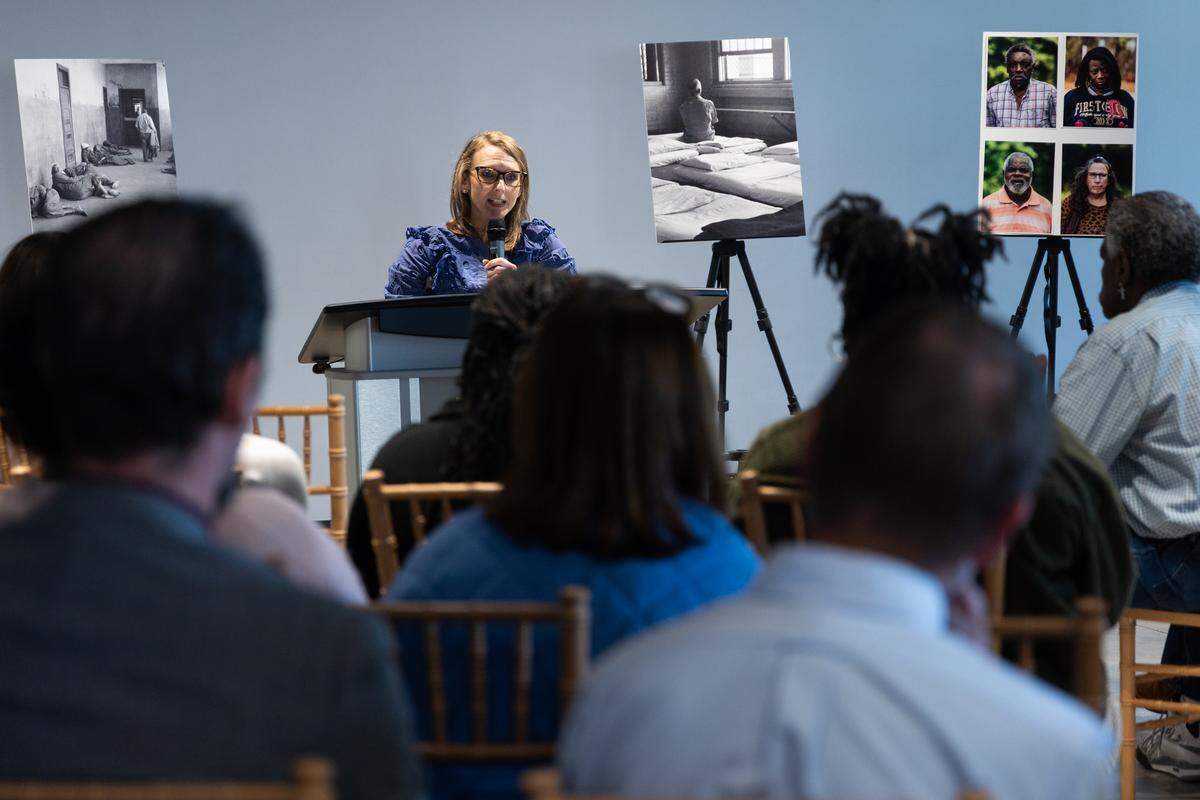
Brown was also in attendance Tuesday.
The “People, not Patients” project is more than just a look back at what was, said Tissot and others. It’s also “a vital warning for our present,” and a call to action to fight what Tissot described as a renewed national push for institutionalizing people with psychiatric conditions and other disabilities.
For Waymer, the value of the project is personal.
“I feel a sense of justice,” he said, “People know what happened to me, and my story that has been told, what happened to me in the past is in a new light.”
You can read the “People, not Patients” report on the Able SC and Historic Columbia websites.
This story was originally published March 25, 2026 at 5:30 AM.