
NOAA reveals new hurricane season forecast for 2026. Here’s what SC can expect
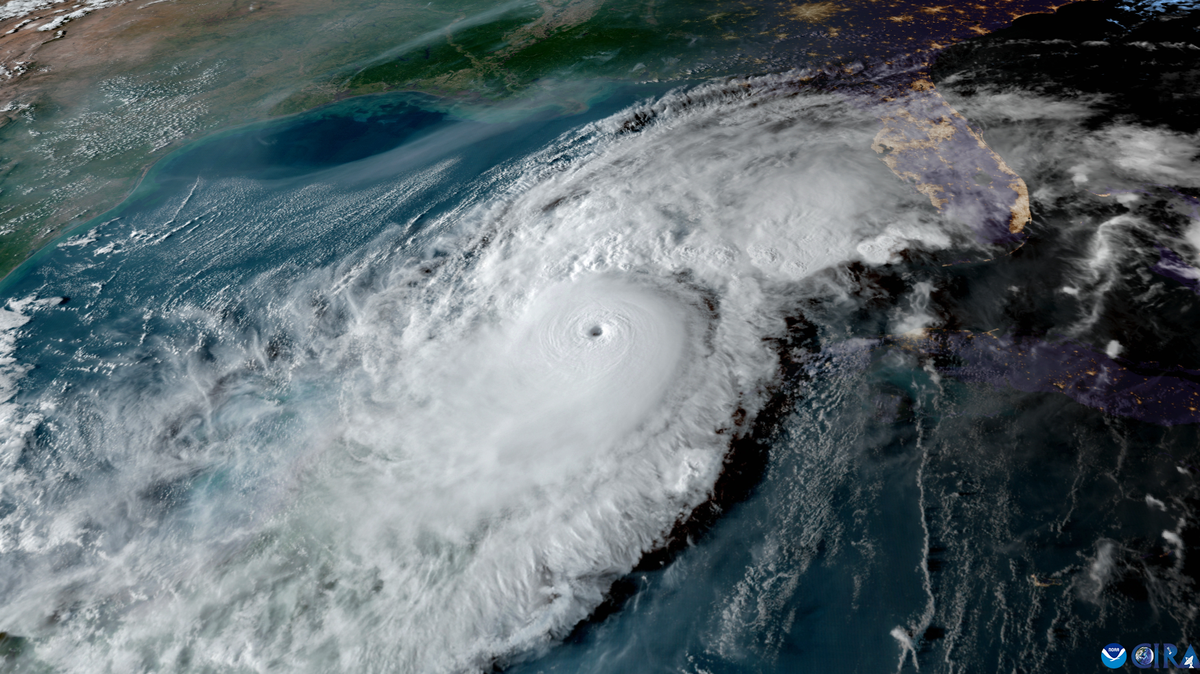
The Atlantic hurricane season is almost here, and the National Oceanic and Atmospheric Administration announced its forecast for the year in a press conference with reporters on Thursday.
NOAA’s leadership said their current data points to a below-average hurricane season this year, and the East Coast will likely see fewer storms. The season starts on June 1 and ends months later on Nov. 30.
The agency is not able to predict where possible storms may land. Their outlook is only for overall seasonal activity based on large-scale weather and climate patterns.
“With the most advanced forecast modeling and hurricane tracking technologies, NOAA and the National Weather Service are prepared to deliver real-time storm forecasts and warnings,” said Commerce Secretary Howard Lutnick in a press release. “Our experts are integrating cutting-edge tools to ensure communities in the path of storms receive the earliest, most accurate information possible.”
In the press conference, a panel of NOAA leadership discussed how the season should unfold, the factors that will contribute to the season’s intensity and how people need to prepare.
Here’s what they said, and what South Carolina residents should know:
Chances of a below-normal season
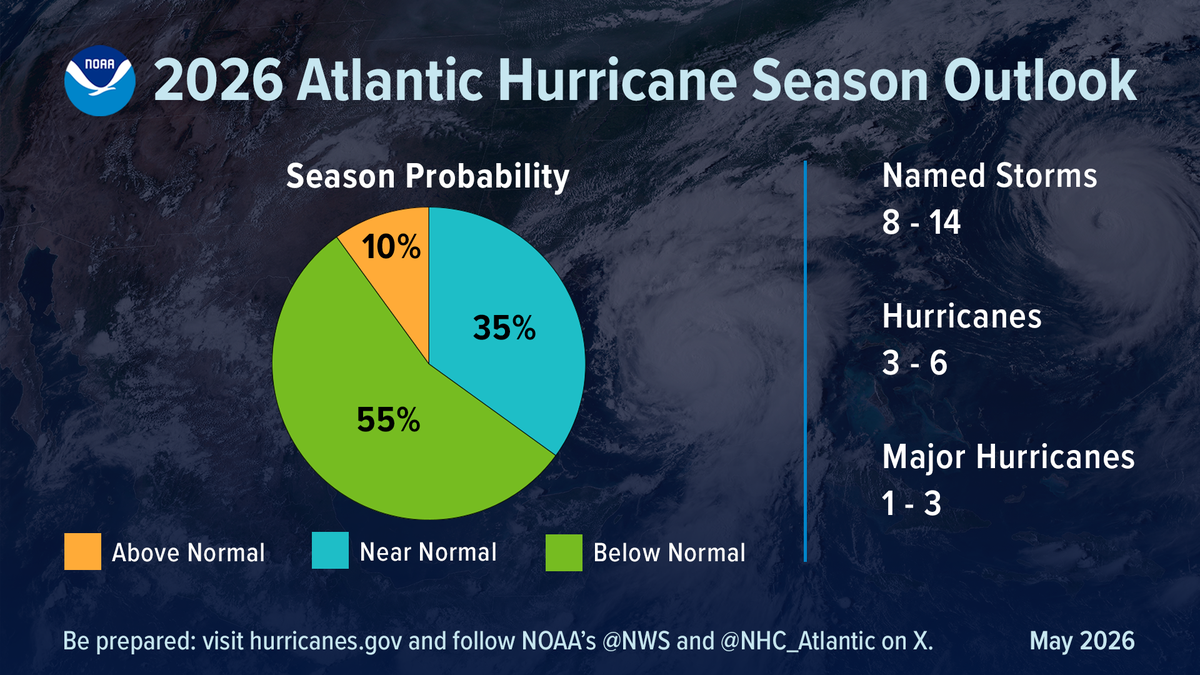
Forecasters at NOAA believe that there is a 35% of a near-normal season, a 10% change of an above-normal season and a 55% of a below-normal season.
An average season has 14 named storms, seven hurricanes and three major hurricanes.
How many storms are predicted?
The agency is predicting a total of 8-14 named storms (winds of 39 mph or higher). Of those, 3-6 are forecast to become hurricanes (winds of 74 mph or higher), including 1-3 major hurricanes (category 3, 4 or 5 with winds of 111 mph or higher). NOAA has a 70% confidence in these ranges.
What may cause a below-average season?
Several factors influence a hurricane season, but the main reason the NOAA predicts a below-normal season is due to a possible upcoming weather pattern. They are extremely positive that El Niño will develop and intensify during the hurricane season, creating conditions that deter tropical storms and hurricanes.
El Niño is a natural weather pattern that typically occurs every two to seven years. It’s characterized by the warming of sea surface patterns in the central and eastern parts of the Pacific Ocean, which disrupts normal winds and pushes warm water eastward toward the west coast of the Americas.
Warming waters and low winds can still support a more active year, the NOAA warned, so it’s important to be prepared for the worst.
It only takes one storm
During the press conference, Ken Graham, the NOAA’s National Weather Service Director, wanted to make it abundantly clear that people should still be prepared for the upcoming hurricane season, even if it’s predicted to be below-average.
“Although El Niño’s impact in the Atlantic Basin can often suppress hurricane development, there is still uncertainty in how each season will unfold,” said Graham. “That is why it’s essential to review your hurricane preparedness plan now. It only takes one storm to make for a very bad season.”
People still need to be prepared
Waiting until a storm arrives at your doorstep to buy supplies is not in your best interest. The NOAA recommends going out and getting the necessary items for your house as fast as possible.
These include: several gallons of water per person, non-perishable food, a battery-powered radio, flashlights, extra batteries, a first-aid kit and physical cash.
“Preparing now for hurricane season, and not waiting for a storm to threaten, is essential for staying ahead of any storm,” Graham added.
Here are tips from the National Weather Service to follow before the hurricane season starts:
- Know your zone: Find out if you live in a hurricane evacuation area by contacting your local government/emergency management office
- Put Together an Emergency Kit: Put together a basic emergency kit. Check emergency equipment, such as flashlights, generators and storm shutters
- Write or review your Family Emergency Plan: Before an emergency happens, sit down with your family or close friends and decide how you will get in contact with each other, where you will go, and what you will do in an emergency. Keep a copy of this plan in your emergency supplies kit or another safe place where you can access it in the event of a disaster
- Review Your Insurance Policies: Review your insurance policies to ensure that you have adequate coverage for your home and personal property