
Will SC Supreme Court overturn powerful lawmaker’s conviction on public corruption?
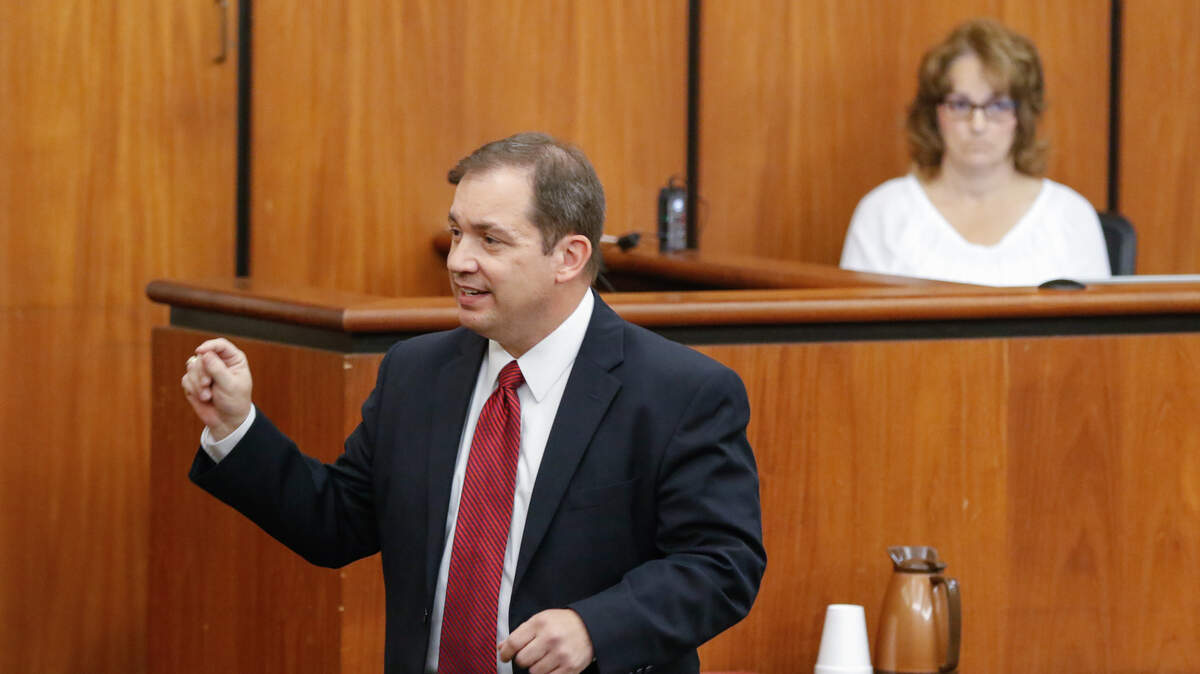
Whether to overturn a jury’s 2018 public corruption conviction of a powerful former state legislator will be on the state Supreme Court’s agenda for arguments Thursday morning.
Lawyers for former State Rep. Jim Harrison, R-Richland, will try to convince the high court to toss out jury guilty findings for Harrison, built onevidence presented by special prosecutor David Pascoe that showed Harrison secretly and illegally took some $900,000 from power broker Richard Quinn’s political consulting firm.
In October 2018, a Richland County jury found Harrison guilty of misconduct in office and one count of perjury.
At the time Harrison took the money, over a 13-year period, he was chairman of the influential House Judiciary Committee and in a position to influence nearly half of all the legislation that passed through the House, according to evidence at the trial.
Prosecutors charged that Harrison had sold his influence as a prominent lawmaker to secretly help the Quinn firm’s corporate clients get their bills passed in the Legislature. Quinn’s payments to Harrison stopped at the end of 2012, when Harrison retired from the General Assembly.
Although Harrison took the witness stand to deny the allegations, saying he didn’t need Quinn’s money and that he was being paid for helping out in various political campaigns, the evidence against him was so compelling that the Richland County jury that heard the case took less than four hours to return a verdict.
Harrison was found guilty of multiple public corruption related counts, including misconduct and perjury.
Judge Carmen Mullen then sentenced Harrison to 18 months in prison.
The trial showcased how easy it is for state lawmakers to hide their sources of income from people and corporations who want to influence what they do. In response to a years-long public corruption probe at the State House, which included investigation of Harrison, lawmakers passed a law requiring public officials to disclose sources and types of income, though not amounts. That law took effect in 2017.
John Crangle, an ethics expert who wrote a book on corruption in the S.C. General Assembly, has studied the Harrison case.
“I don’t see how the Supreme Court can overturn this conviction. If they do, it will really look like the fix is in,” said Crangle.
And if the Supreme Court overturns Harrison’s conviction, that will likely overturn other successful convictions involving lawmakers who have pleaded guilty to illegally accepting money, Crangle said.
“This is terribly important,” Crangle said.
One of Harrison’s key arguments in his appeal is that Pascoe, a special prosecutor appointed by Attorney General Alan Wilson, only had limited authority to investigate criminal wrong-doing in the state legislature, and that limited authority didn’t including indicting and subsequently prosecuting Harrison.
Pascoe is arguing that if, in his investigation, he and the State Law Enforcement Division found evidence of criminal wrong doing, he and SLED could follow that evidence where it led them.
“The Supreme Court has already decided that issue in Pascoe’s favor,” Crangle said, pointing to a 2016 decision by the high court in Pascoe’s favor that gave the special prosecutor a broad investigative scope.
Another issue that might come up is whether Pascoe had the authority to negotiate “corporate integrity agreements” with powerful companies and institutions who engaged in questionable lobbying practices with Richard Quinn’s firm. The agreements allowed the groups to avoid prosecution, and they paid a total of $352,000 in restitution along with their promises to abide by the law.
Pascoe has said the agreements had the approval of the judge overseeing the State Grand Jury and the money is so far unspent.
This story was originally published June 10, 2020 at 5:55 PM.