
Why Flock cameras used by Midlands police are causing concerns in SC
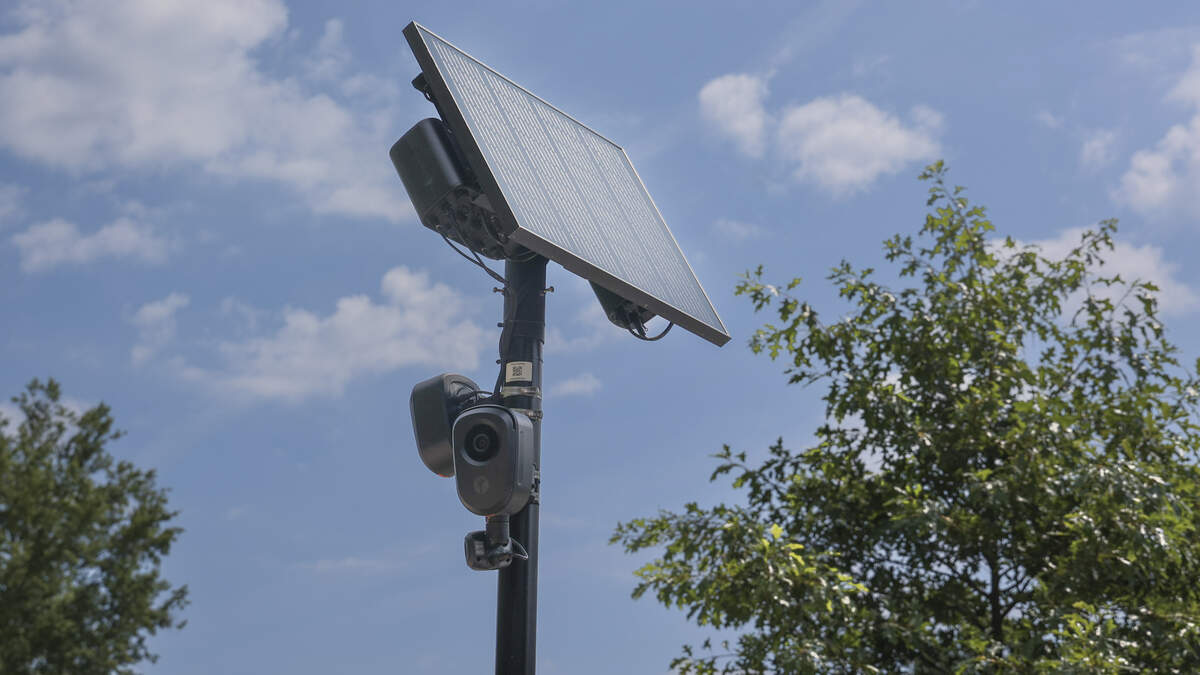
License plate-reading cameras from Flock Safety are drawing scrutiny in the Midlands as one town moves to expand its network. Meanwhile, state lawmakers weigh allowing the devices on South Carolina highways. The spread of the technology has sparked a debate that pits crime-fighting benefits against concerns about mass surveillance of everyday drivers.
Here are key takeaways:
- Irmo is planning to triple its Flock Safety cameras from 11 to 33, with town officials pushing back against what they call online misinformation about the surveillance system.
- The cameras capture license plates and rear images of vehicles but do not photograph drivers or use facial recognition, a Flock Safety spokesman told Irmo Town Council.
- Councilman Gabriel Penfield raised concerns about an optional drone deployment feature that he said would record everything below, including people in their backyards, questioning the need when local crime is down year over year.
- Trust in the cameras has been shaken by incidents elsewhere: five police officers in Albany, Georgia, were fired and arrested this month for allegedly accessing cameras for non-law enforcement purposes, and two camera poles were intentionally cut down in Pageland.
- The proposed four-year package for 22 additional cameras would cost Irmo $94,300 in the first year and $203,900 total, according to a Flock Safety presentation to town council.
- The South Carolina Department of Transportation paused permitting for the cameras on state rights of way due to legal uncertainty, leaving the question to the General Assembly to resolve.
- Lawmakers this year discussed requiring law enforcement agencies to adopt audit policies, privacy requirements and data access controls, with collected data storage limited to 90 days. The legislation ultimately didn’t pass before the end of the Legislature’s 2026 session.
The summary points above were compiled with the help of AI tools and edited by journalists. The source reporting referenced above was written and edited entirely by journalists.