
USC released its first COVID case count since students arrived. Here’s what to know
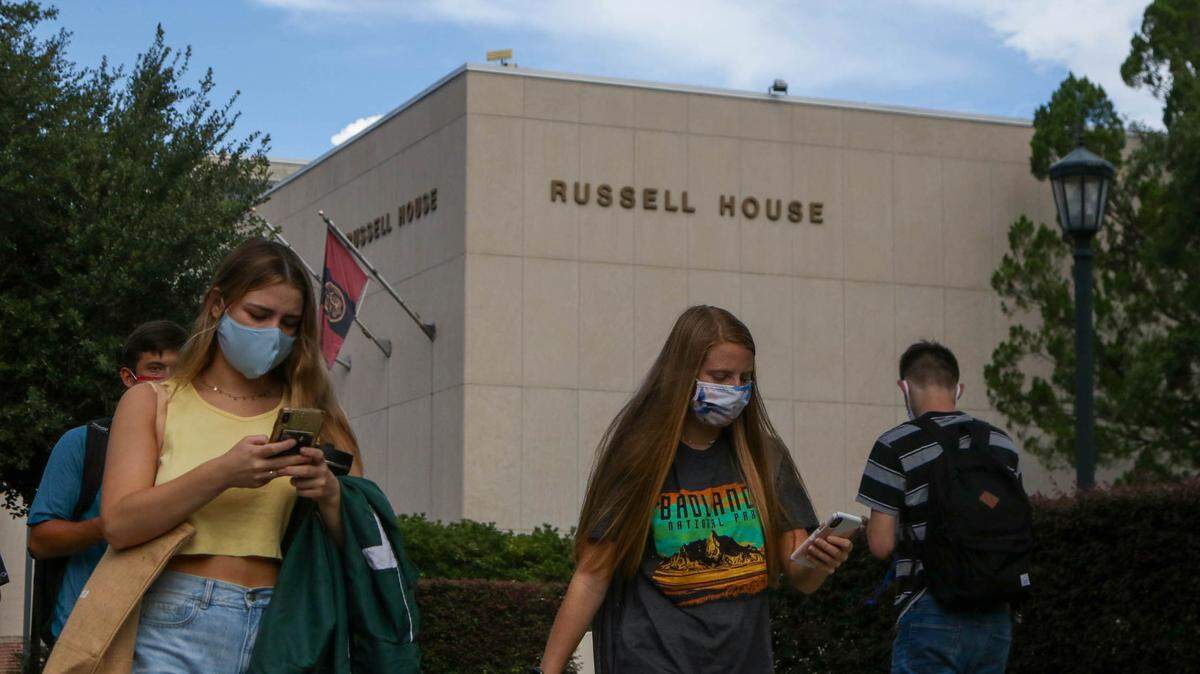
The University of South Carolina is recording 121 active coronavirus cases on campus, according to data published Tuesday afternoon.
The case count is the first since students returned to campus. Classes began Aug. 19, but many students moved in before that. However, USC officials are expecting the number of cases on campus to increase.
“We do expect there will be an uptick on numbers as students come back on campus,” USC interim Chief Health Officer Jason Stacey told reporters Tuesday. Stacey also has his eye on the days following Labor Day, during which he expects to see a surge of coronavirus cases, he said.
The 121 cases on campus are fewer than last year during a similar time frame. In the second week of the 2020-2021 school year, USC reported 188 active cases, The State reported previously. Last year, after classes began, USC’s COVID-19 cases briefly soared on campus, at one point reaching 1,461 active cases, before declining in mid-September. After USC’s first surge of cases, COVID-19 numbers never got close to that highest amount again in the 2020-2021 school year.
Buoyed by a recent Supreme Court victory in which judges determined S.C. colleges can require everyone to wear masks on campus, USC officials say students are following the mandatory mask policy.
“I have not heard one instance where students weren’t compliant” with mask mandates, interim Provost Stephen Cutler told reporters Monday.
USC is ahead of the U.S. and S.C. in percentages of vaccinated people, according to USC’s dashboard. As of Tuesday, 61% of students and employees on campus were vaccinated. Students living on campus have the highest vaccination rates, at 72%; in second is faculty, with nearly 74% vaccinated, followed by staff at around 63%, Stacy said. That’s higher than the state average, in which just over 50% of the population has had at least one dose of the vaccine, according to data from the Mayo Clinic.
While USC’s campus safety status is listed at the lowest level, “new normal,” there are still some causes for concern. For example, USC officials say they have the capacity to absorb a surge in COVID-19 cases, but the surrounding Columbia area is already strained.
The high number of people in local intensive care units effectively strains USC’s capacity to respond to a large surge in cases, particularly if the cases are serious, Melissa Nolan, an assistant professor of epidemiology at USC, told reporters Tuesday.
During a Tuesday press call, interim President Harris Pastides said the university will rely on data to inform policies going forward as USC potentially sees more cases.
“Data shall set us free. Data will tell us where we are. Data will tell us where we’re going,” said Pastides, who holds two degrees in epidemiology. “We don’t view data as a secret. We don’t view data as a weapon… It’s a public health tool.”
The dashboard will be updated every Tuesday.
This story was originally published August 24, 2021 at 4:02 PM.