USC names dorm for Celia Dial Saxon, a celebrated Columbia educator during Jim Crow
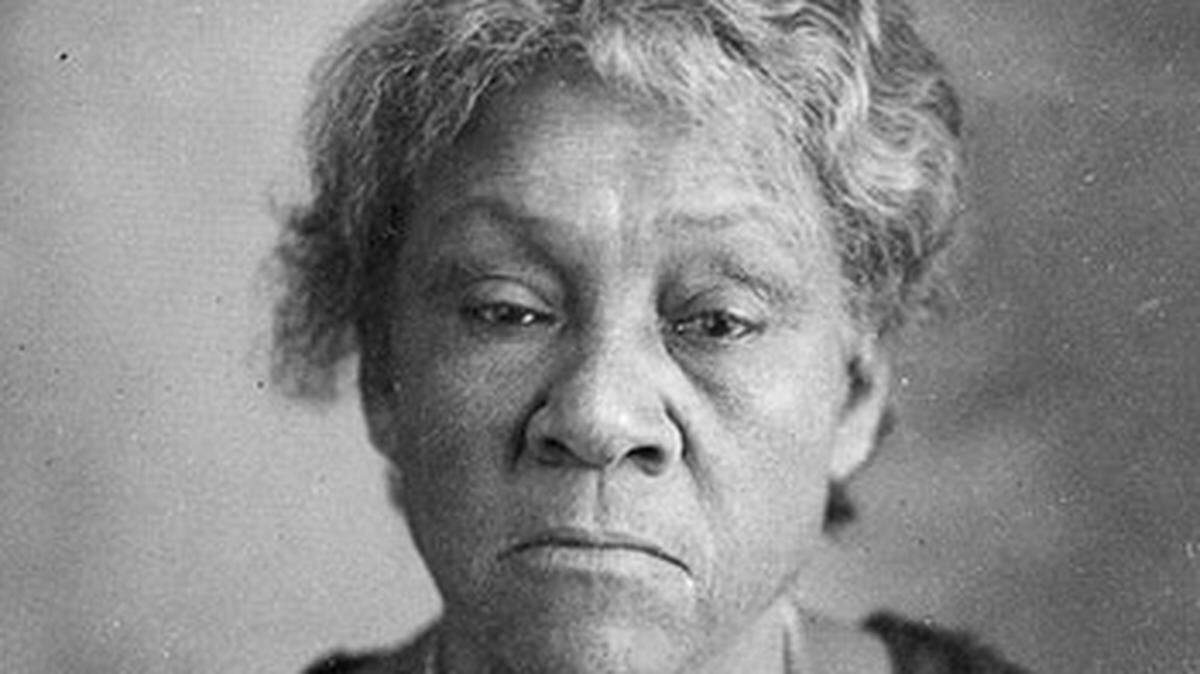
Celia Dial Saxon was born into slavery just a block from the University of South Carolina’s campus.
A residential hall at 700 Lincoln St. now bears her name.
Saxon is the first person of color to have a USC campus building named for her. The Columbia educator, advocate and civil rights activist broke barriers as in her lifetime during the Jim Crow era and eventually became one of the most celebrated educators in South Carolina.
Gerri Lewis Hevalow is Saxon’s great-great granddaughter. She came all the way from New Jersey to celebrate her ancestor’s legacy Friday. She said it was surreal to take in the work that Saxon had done and the accomplishments that she made over 100 years ago.
“I can’t describe how proud I am of her. I’m speechless.” Hevalow said. “Being able to stand and represent her in such an intimate way ... this is truly an honor.”
Hevalow’s grandmother described Saxon as stern, but loving. She was all about education, Hevalow said.
Emancipated at 6 years old, Saxon went on to become one of the first Black students to graduate from the South Carolina State Normal school after it opened on USC’s campus during the Reconstruction era. She then taught for nearly 60 years at Howard School, Booker T. Washington High School, Benedict College and South Carolina A&M College, now known as South Carolina State University.
Saxon didn’t just teach, she was a pillar of the community. She was a longtime treasurer of the Palmetto State Teachers’ Association and helped found an orphanage and a federation of women’s clubs in Columbia. Saxon was also involved in the opening the Phillis Wheatley branch of the YMCA, which is now the Phillis Wheatley branch of the Richland Library, the first public library available to Black patrons in the city, according to USC’s website. An elementary school on Blossom Street was named in her honor, as well as a $4 million public housing project.
Saxon died in 1935, and the elementary school and housing project are long gone. (Saxon Homes was replaced by a mixed-income community, named the Celia Dial Saxon neighborhood, off Harden Street.)
But her legacy lives on in Columbia. The newly named Celia Dial Saxon Hall is just a piece of that legacy.
“It was a long time coming,” said USC professor Bobby Donaldson, a well-known scholar of African American history.
Donaldson said the the residents of the old Ward One historically Black neighborhood have been dedicated to making sure that the history of their community was being honored.
“It’s really an effort, despite all the erasure and demolition, to keep the history alive,” Donaldson said. “It’s meaningful to have this naming of a space where you’ll have generations of students coming in the future.”
Alex English, a USC board of trustees member and NBA Hall of Fame player, attended Celia Dial Saxon School on Blossom Street before it closed and was demolished by the university in 1974. He was a key figure in honoring Saxon on Friday.
“The community is not here anymore, and this is a good way to remember it,” English said. “I’m happy about it.”
Honoring Saxon is part of the university’s efforts to place USC’s history in context and to pay respect to those who have been excluded from the university in the past, according to a press release.
In recent years, the university became mired in controversy over a number of buildings on its campus named after historic figures with problematic pasts, including slave owners such as former USC president Thomas Cooper and segregationists such as the late U.S. Sen. Strom Thurmond. Efforts to rename at least 11 buildings on campus appear to have fizzled out.
“With this dedication we are taking another step forward in the university’s ongoing efforts to acknowledge and reconcile difficult pieces of our past,” said USC President Michael Amiridis.
This story was originally published April 21, 2023 at 2:13 PM.