NAACP lawsuit against SC education department alleging censorship thrown out
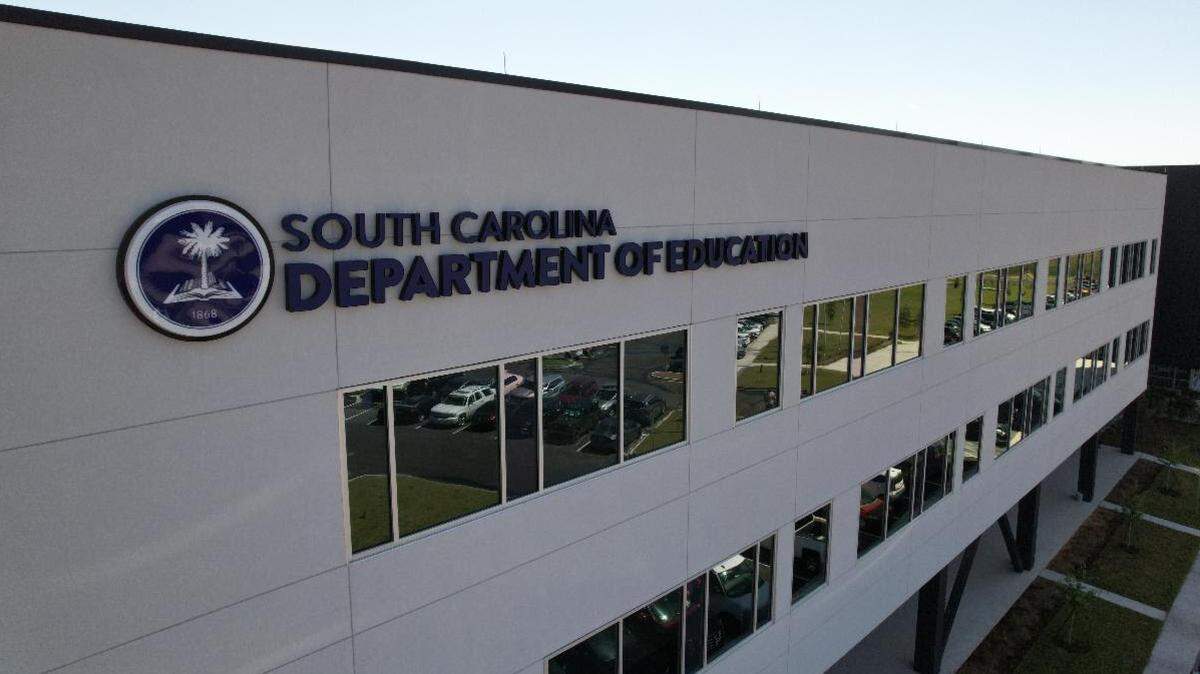
A judge has thrown out a federal lawsuit against the South Carolina Department of Education that challenged the constitutionality of a state budget proviso barring “partisan” instruction in the state’s public schools.
The January lawsuit, filed on behalf of the South Carolina NAACP and author Ibram X. Kendi along with Chapin High librarian Ayanna Mayes and teacher Mary Wood and two of the school’s students, said the state Department of Education is censoring a racially inclusive education for all public school students via Budget Proviso 1.79, in violation of the U.S. Constitution.
But according to the court’s opinion, authored by U.S. District Judge Sherri Lydon, the lawsuit had no legal basis and failed to establish concrete harm.
The issues raised in the lawsuit are “matters of public importance,” Lydon wrote, but the plaintiffs lacked standing.
“... the Constitution leaves their resolution to the democratic process rather than the federal courts,” Lydon wrote.
The Legal Defense Fund, which filed the lawsuit along with Columbia attorney Tyler Bailey on behalf of the plaintiffs, called the decision “disappointing.”
“Black history and heritage are a core part of the full story of South Carolina and the nation as a whole, and our students deserve to learn this truth — not to endure censorship at the expense of the quality and honesty of their educational experiences,” Bailey said in a news release. “We will continue to work on behalf of our clients to challenge this discriminatory law.”
Plaintiffs called the proviso, which targets materials about racial and gender inequities, “racially and politically” motivated.
The lawsuit said the proviso was an example of South Carolina’s history of suppressing accurate teaching in public school classrooms about racism and discrimination against Black people in the United States. It also said the proviso, introduced in 2021 as communities across the country splintered over critical race theory, was a violation of the First and Fourteenth amendments of the U.S. Constitution.
Since the proviso initially passed, schools have removed a book about racism by Black authors and censored a high school’s argumentative writing lesson on equity and systemic racism, according to the lawsuit. It was the basis of a lawsuit filed by state lawmakers that led to dozens of public schools eliminating their diverse language arts curriculum. It was also cited by the state Department of Education last year when it denied students the opportunity to take an AP African American Studies course offered through the College Board.
S.C. Attorney General Alan Wilson, a 2026 gubernatorial candidate, had filed a friend-of-the-court brief in supported of Superintendent Ellen Weaver and the state education department. He declared the dismissal a victory.
“This case was never about real harm to students; it was about activists trying to push their political agenda through the courts,” Wilson said in a news release. “These debates should be settled by the people and their elected representatives at the ballot box, not through activist lawsuits. We thank the court for holding the line and upholding the rule of law.”
Weaver said the state education department is focused empowering parents, supporting teachers and ensuring every child receives an education anchored in truth, excellence and respect.
“The recent federal ruling confirms what the South Carolina Department of Education has consistently maintained: these claims lacked legal merit,” Weaver said in a statement. “Our instructional standards continue to reflect both the painful chapters and the inspiring triumphs that have shaped our nation.”
The fight is far from over, Mayes, the Chapin High librarian said.
“Our students deserve nothing less than truthful, comprehensive curriculum that supports their ability to become engaged citizens and the leaders of tomorrow,” Mayes said in a news release. “As an advocate, I will continue to stand up for their right to a meaningful education that values truth, critical thinking, and complexity.”
This story was originally published September 10, 2025 at 5:00 AM.