Will solar ruling cause SC power bills to rise? It sure looks that way, utility says
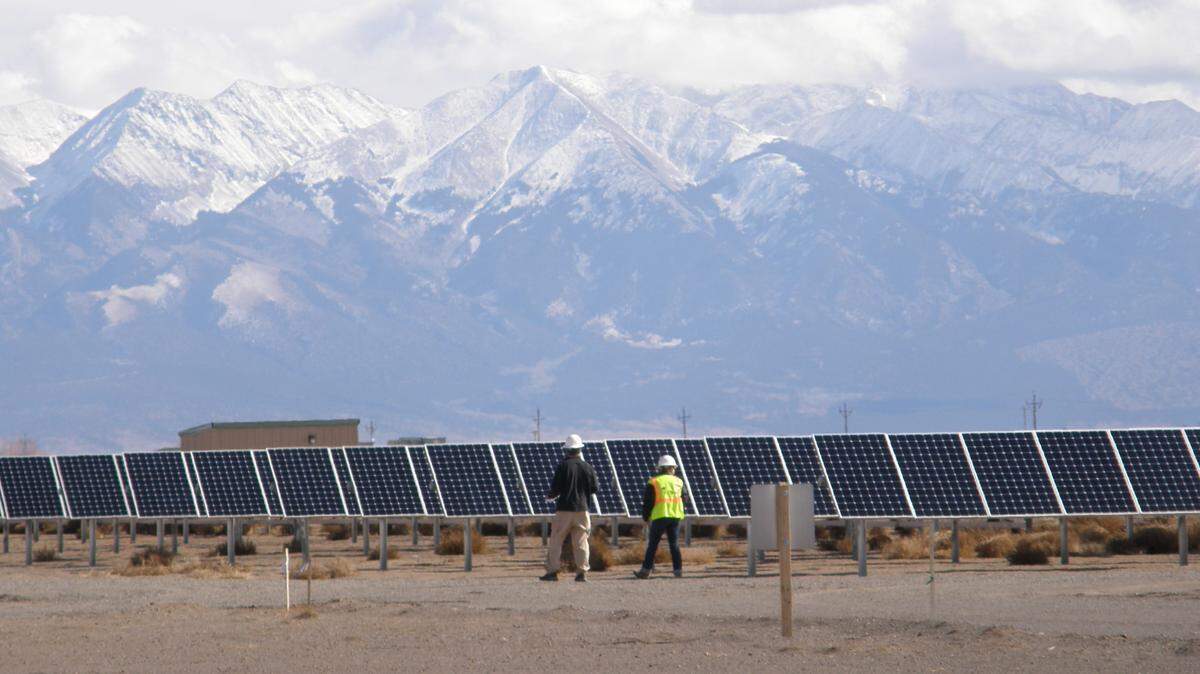
The state Public Service Commission changed course Friday on a solar energy decision that environmentalists said could have doomed the expansion of non-polluting solar farms in South Carolina.
In a 5-0 ruling, the PSC agreed that Dominion Energy should pay solar farm developers more for the power they produce than the commission had approved in November.
Friday’s decision sparked sharply different opinions on how customers would be affected. Dominion indicated the ruling will cause customers’ normal utility bills to rise. Sun power boosters said the ruling will be good for South Carolina customers over the long run.
“The decision today reverses course on the doomsday scenarios they set in motion back in November,’’ said John Tynan, director of the Conservation Voters of South Carolina. “While everything is not settled, this is a step in the right direction.’’
Solar energy backers say that requiring utilities to pay more for sun power will encourage the growth of the solar industry. That will, in turn, better ensure power bills remain stable for customers by reducing reliance on natural gas and other forms of energy, while also increasing competition, they say.
But utilities say they might have to charge customers more on their current monthly bills if the rates power companies pay solar farms are too high.
In a statement Friday afternoon, Dominion said customers will feel the effect of the ruling.
“We will review the PSC’s final order, but the commission’s decision to change its ruling .... means customers unfortunately will have to pay more for their electricity than they would have under the commission’s original ruling,’’ Dominion spokeswoman Ashley Cunningham said in an email.
With Friday’s ruling, the rates Dominion will have to pay solar providers increases from slightly more than 2 cents per kilowatt hour, which was agreed upon in November, to about 3.5 cents per kWh, according to solar experts familiar with the ruling.
The PSC’s decision to reconsider its November order had been requested by the S.C. Coastal Conservation League, the Southern Alliance for Clean Energy, S.C. Solar Business Alliance and Johnson Development Associates Inc.
After the November ruling, solar advocates accused the PSC of siding with utilities over renewable energy interests. Some critics have said they will push for new commissioners who they consider more friendly to customer interests than utilities. The Legislature will vote this year on four PSC seats.
Commissioners voting Friday to reverse course suggested they had received more information that changed their minds.
“I found particular enlightenment” from one consultant’s report, Commissioner Florence Belser said.
Solar power is an emerging form of energy that, unlike coal or natural gas, doesn’t generate greenhouse gases that contribute to global warming, or in the case of coal, mercury pollution in rivers. And solar energy doesn’t generate highly radioactive waste like nuclear power plants.
The industry has been trying to increase its foothold in South Carolina since the Legislature passed a law in 2014 to help solar energy expand.. The industry has used Dominion’s failed V.C. Summer nuclear plant expansion project in 2017 as an argument for more solar, which today is only a small slice of the state’s overall energy mix.
Commissioner Tom Ervin recused himself from voting after questions surfaced about an email he sent to an environmentalist regarding the last decision. Some say the contact is not allowed under state rules that the PSC remain impartial. Ervin, who said the email simply restated his previous opinion in November, had offered to recuse himself from Friday’s vote to avoid the appearance of a conflict of interest.
Friday’s decision doesn’t resolve all of the disputes between solar boosters and utilities. The commission must still consider whether to overturn solar rates for Duke Energy that commissioners approved in November, as well as whether contracts for solar farms should be greater than 10 years. Longer contract lengths help solar farms get financing, industry officials say.